Isamu Noguchi saw his work as a landscape piece. He took a holistic approach, treating sculpture as a coherent totality, not a landscape that refers to something ‘in’ the world, but as one that expresses the landscape of the mind.
Innumerable steps tread the sandy undulations of this Spanish beach. They clasp small wells of shadow as the sun descends to night. The boats are without water as the sand is without sunbathers and this is why we love lateral light in spaces. #beach#shadows
These truncated corners on the façade of Hobhouse Court bear protrusions from the brick that texture the building’s exterior in a compelling way. The seemingly sliced-off corners do not cut through the top-level windows, perhaps this further emphasises the primacy of sight.
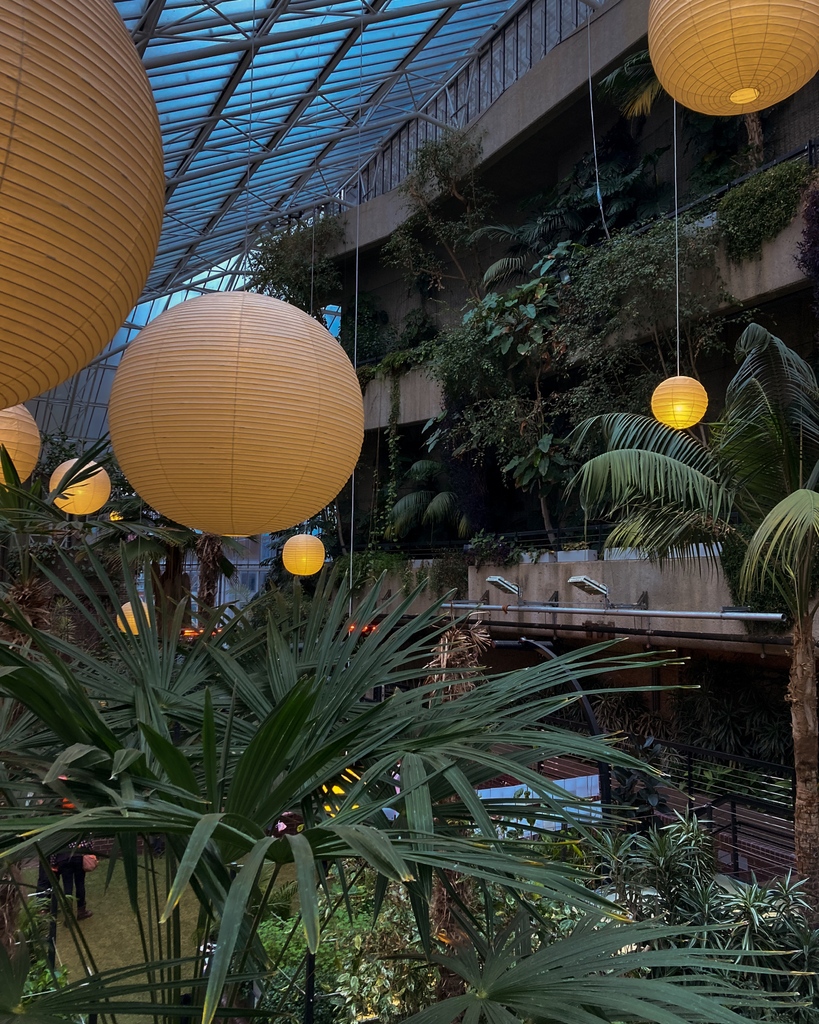
The Barbican Conservatory is the second largest conservatory in London and is home to over 2000 species of flora. It’s a hidden oasis that’s been a sanctuary for some endangered plants since 1984. Here we see a towering Ficus lyrata in the foreground. #plantlife#barbicancentre
This abandoned bothy will have more history to it than we will ever know. It cannot provide the accommodation it once did but its form still endures. #oldplaces#historicalplace
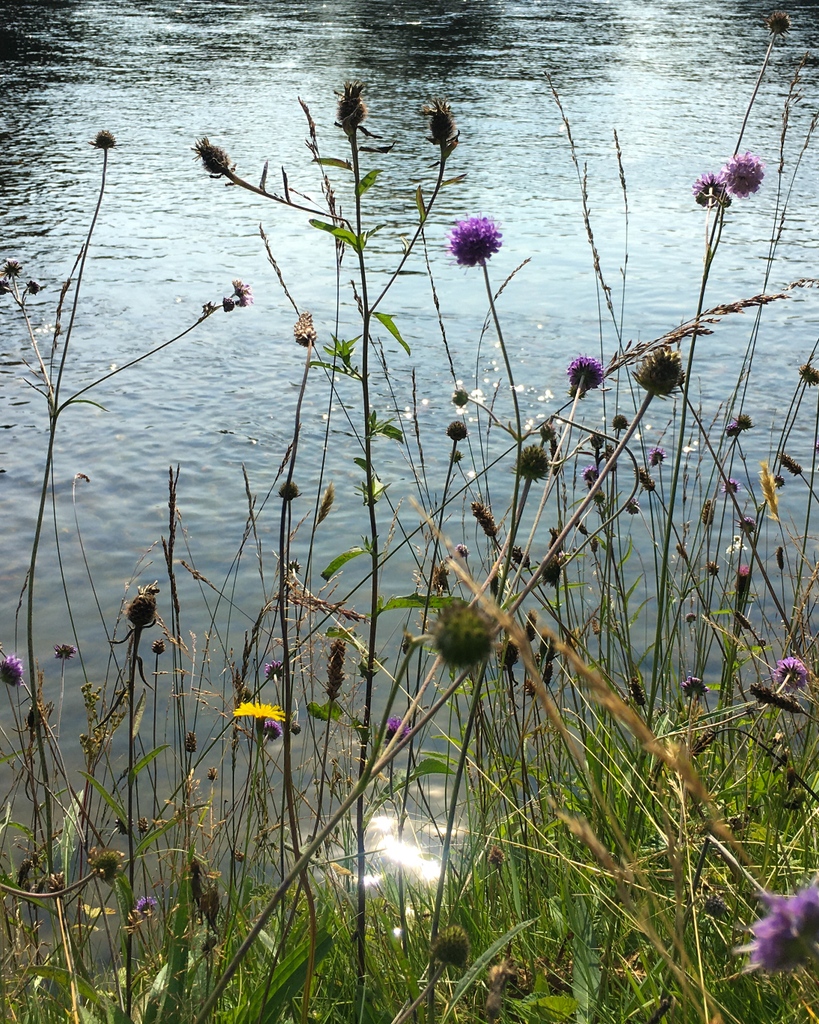
This water-side plant community on the bank of the river Ness features knapweed, scabious, and hawkbit. Each plant vies for light, water, and space but they ultimately work together for the prosperity of their ecosystem. #nature#wildlfowers
The order of these garden steps is balanced by the natural rocks to their flanks and the plants that spring up in between. We love the light, ethereal blue that sits on the darkness of the rocks.
#gardens#gardendesign
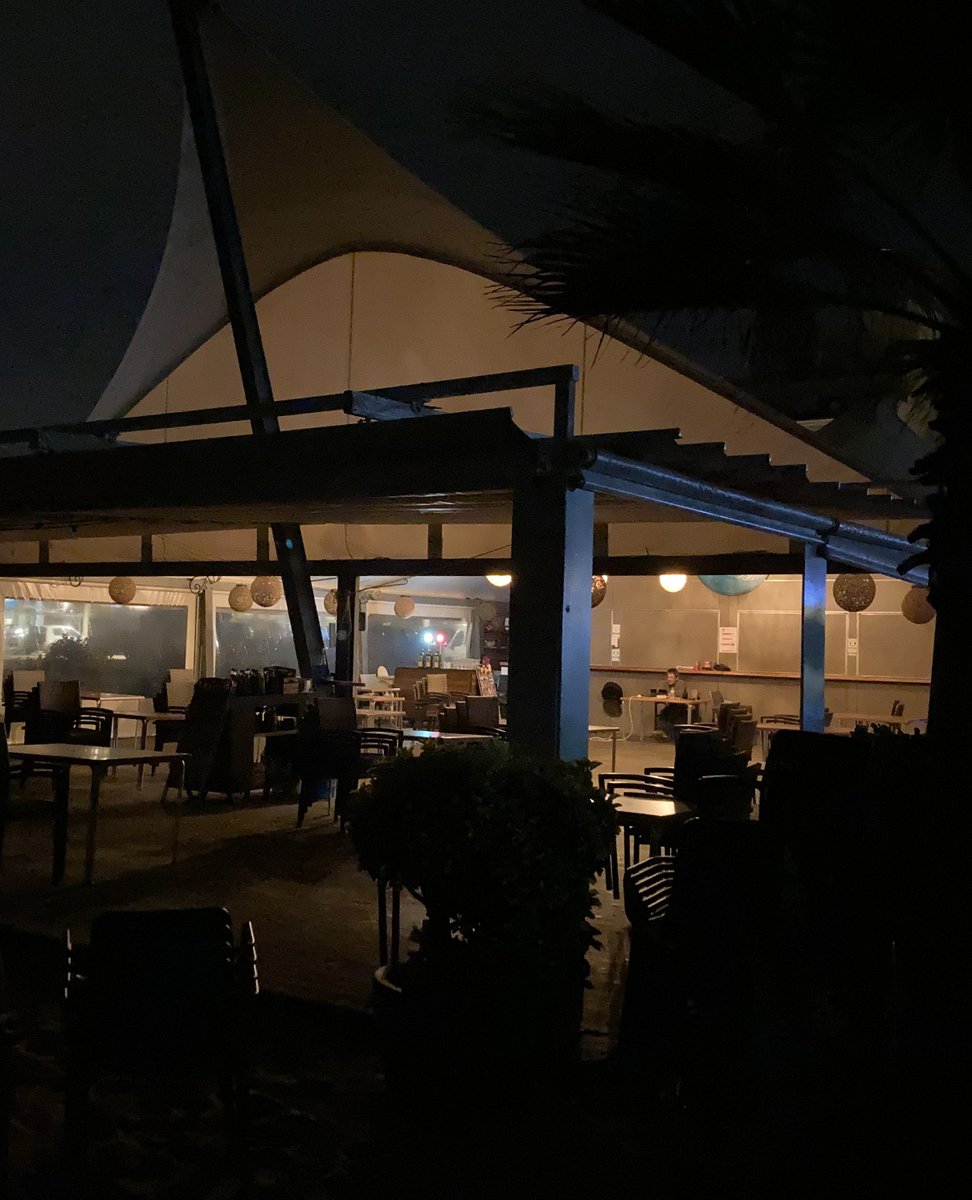
We find this photo reminiscent of the highly atmospheric paintings by Edward Hopper that bear a realness that’s detached from the particularities of place, person, and time.
#spaces#atmosphere
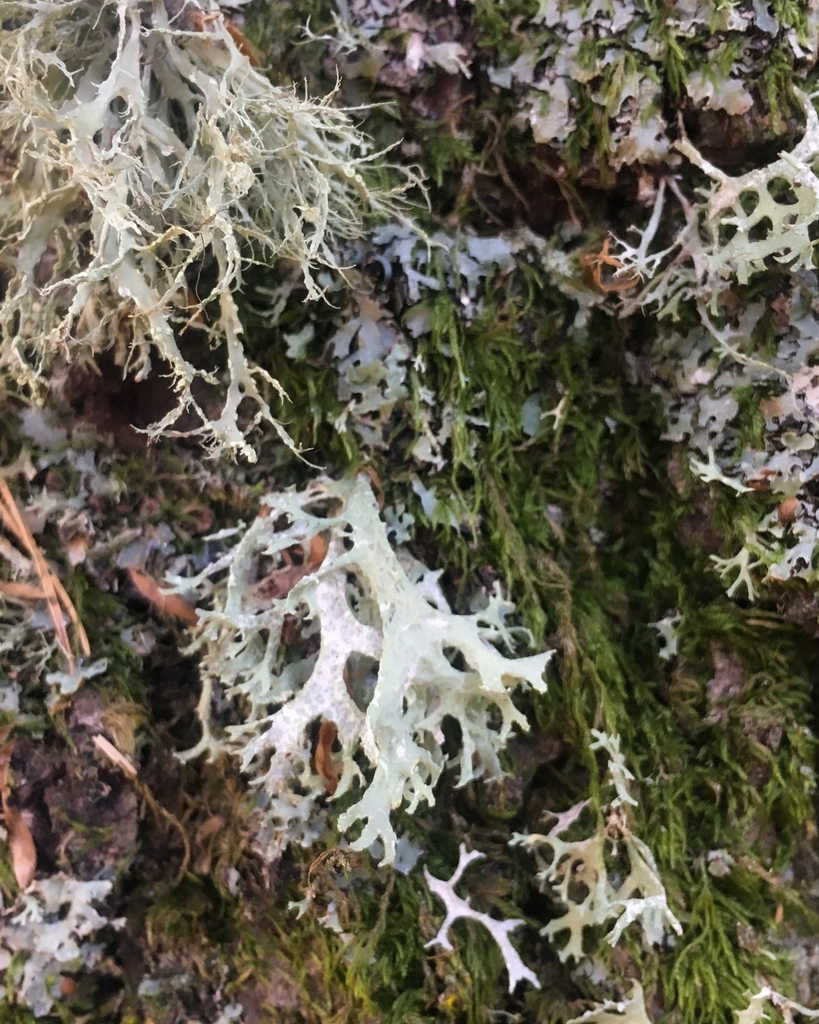
Lichens are a small-scale example of how ecosystems work. They are mutually beneficial arrangements of smaller organisms - algae living in the fibres of fungi - that bear the traits of their component parts and can live thanks to their botanical cooperation. #naturalgarden
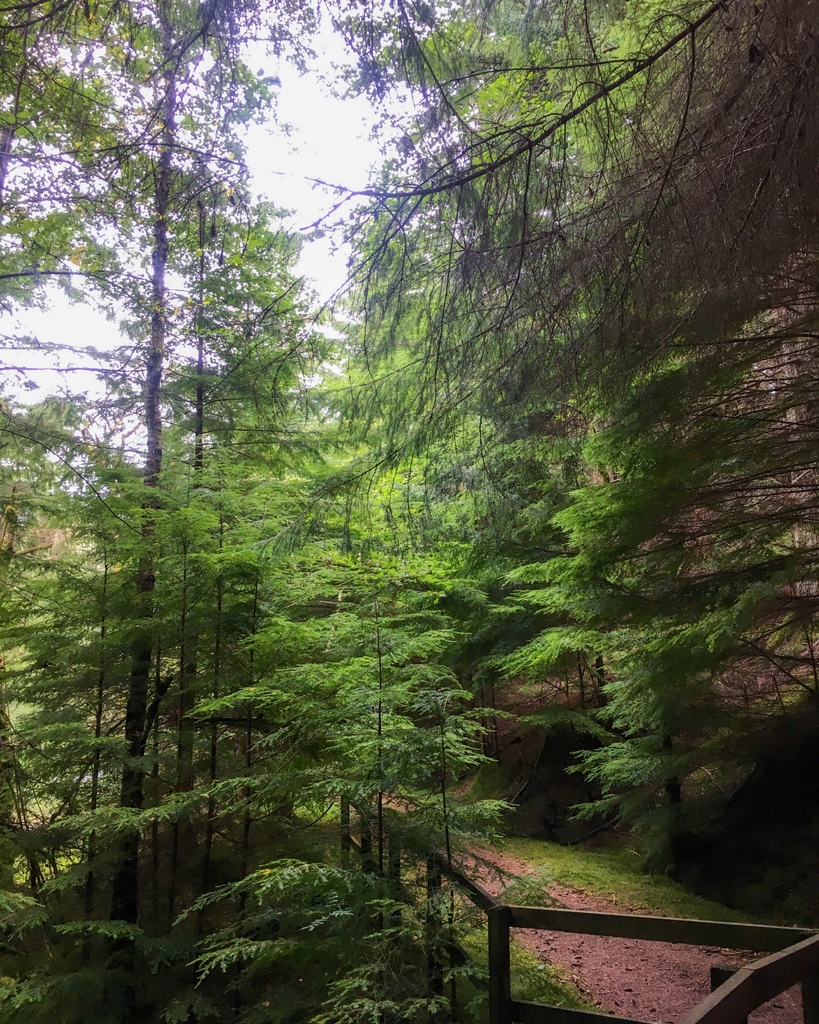
This green walkway in Scotland makes you really feel as if the woodland is embracing you. This immersiveness is what we try to recreate in the spaces we design.
#woodland#gardendesign#landscapedesign
Plant communities come in innumerable kinds and sizes across the world, each unique and constantly in flux. This heather in a Scottish woodland does not simply coexist with moss, trees, fungi, and grass, it thrives as part of a diverse community.
#landscapes#nature
At the Barbican Conservatory, the warm glow of Noguchi's Akari lamps light up the leafy confines in the darker hours of the day. The tropical escape, amidst the city, embraces the confluence of nature with designed space.
#noguchi#barbican
Bothies were simple shelters in remote locations like this one, intended to accommodate those working on the estate. We can think back on how these nearly golden fields may have looked in years gone by.
#landscapes#nature#scotland
Noguchi still saw himself as a sculptor, specifically a sculptor of space. If you want to think about sculpting space for garden design, do give our article ‘HOW DOES IT FEEL TO SCULPT SPACE? THE EXPERIENCE OF LANDSCAPE AND GARDEN DESIGN’ a read.
#isamunoguchi#20thcenturydesign
One does not need to look for long to find the many layers naturally evident in a woodland landscape. Did you know the human eye can see more shades of green than any other colour? Maybe this helps us to appreciate such verdant views as these.
#woodland#forest
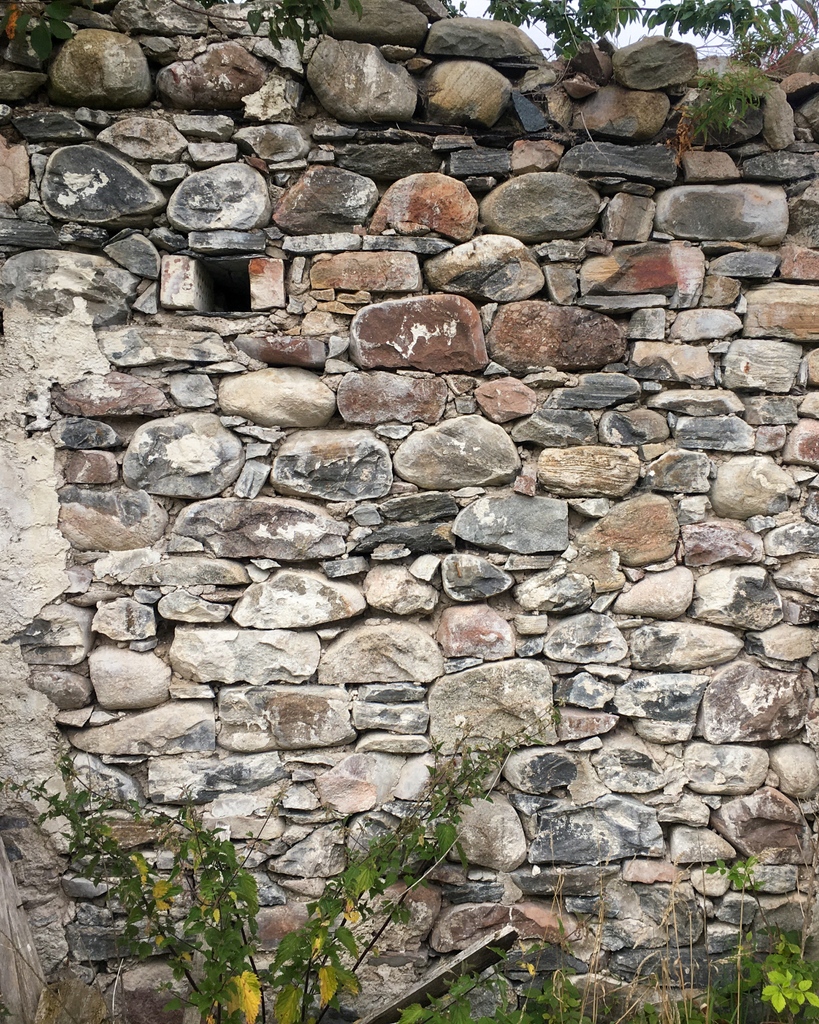
This wall from the remains of a Scottish bothy proudly displays the process behind its construction, one that should be considered for building, making, and creating in general. Building a stone wall like this involves taking highly heterogenous parts.
#naturalstone
We can learn so much from natural plant communities. Their diversity provides them with a stability and resilience that manifests in gorgeous and multifaceted ways.
#ecosystem#nature
There’s a powerful atmosphere here, but have you wondered what ‘atmosphere’ really means? Is it the ‘vibe’ of a place? What causes it? In our article ‘WHAT DO WE MEAN BY ATMOSPHERE? WHY IS IT IMPORTANT FOR GARDEN DESIGN?’ we explore the concept of atmosphere for garden design.
The tessellating metal petals frame arches on arches in a perspectival vanishing around the curve of the paved path. We see here the poetic repetitions that can be crafted into a space, how the sculptural can blend with the functional, and how forms can fit with one another.