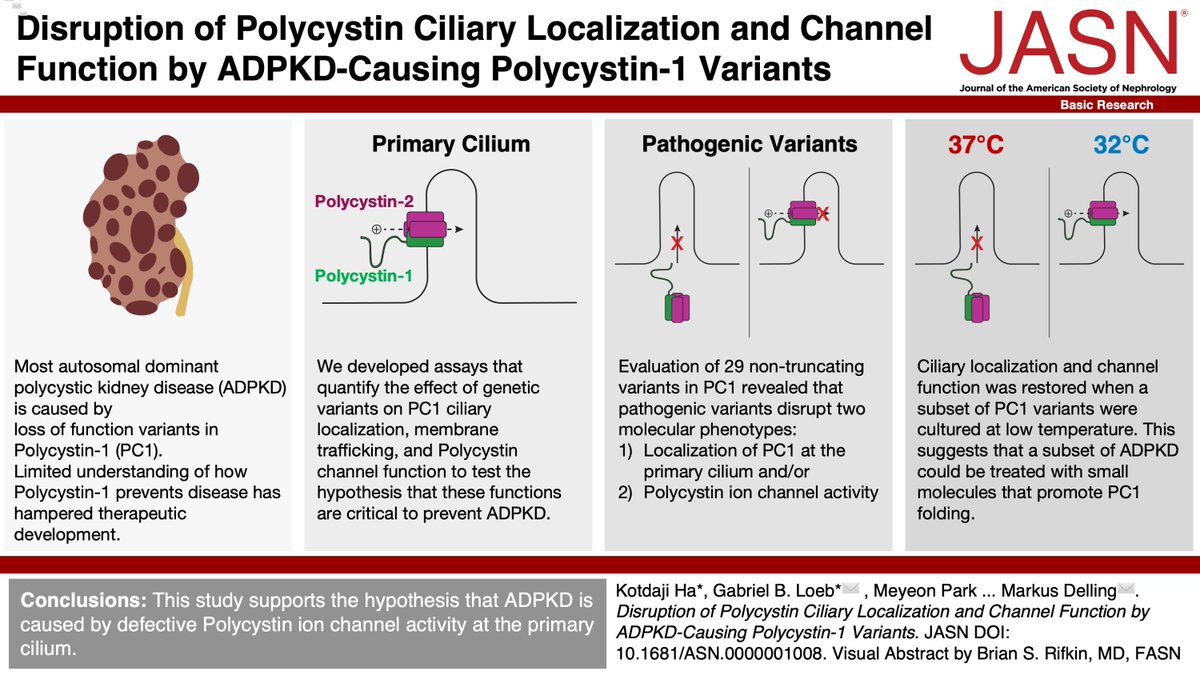
Polycystic kidney disease is the most common monogenic cause of kidney failure and affects over 10 million individuals. We've known most PKD is caused by mutations in PKD1 for over 30 years. But how PKD1 prevents disease has remained mysterious, limiting effective therapy.
@kidney_boy We should limit extrapolating these data to patients undergoing nephrectomy for tumors. Kidney donors are selected for absence of kidney disease and kidney disease risk factors (description of the donors below). Patients undergoing partial nephrectomy don't look like this.
Thank you to @kidneyomicsamps and @MagdalenaRiedlK for the thoughtful editorial on our paper functionalizing 𝘗𝘒𝘋1 variants and implications for polycystic kidney disease (ADPKD) genetic testing and treatment. DOI: 10.1681/ASN.0000001174 https://t.co/ll6w6ZHVvX
We are constantly thinking about how to integrate human genetics and better experimental models to identify the mechanisms of human disease @UCSFNephrology, @IHG_at_UCSF, @UCSFDOM . Funding for the next generation of medicine from @NIH.
Critiques and feedback welcome!
Polycystic kidney disease is the most common monogenic cause of kidney failure and affects over 10 million individuals. We've known most PKD is caused by mutations in PKD1 for over 30 years. But how PKD1 prevents disease has remained mysterious, limiting effective therapy.
Thank you @ASNKidney! Our lab is very grateful to receive the 2025 Carl W. Gottschalk Research Scholar Grant. Read more about the work here: https://t.co/GwrWZYe7Hf.
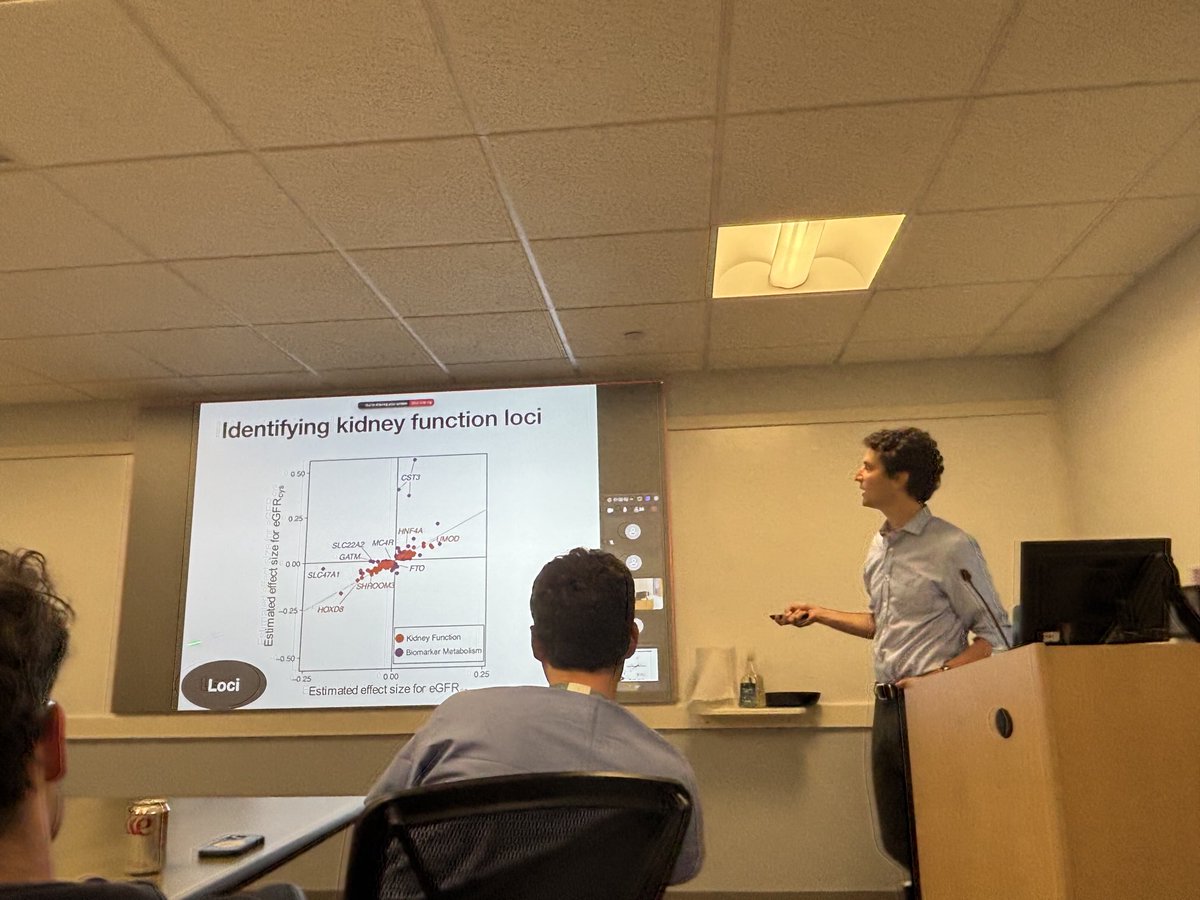
#Whyscience Day51🧠✨A strong finish to our Renal Grand rounds series by a rising star physician scientists @LoebLab @UCSFNephrology Pushing the frontiers of kidney genomics and single cell omics. The future of nephrology is bright🔆
Steven Pinker:
And if you’re still skeptical that universities are worth supporting, consider these questions: Do you think that the number of children who die every year from cancer is just about right?