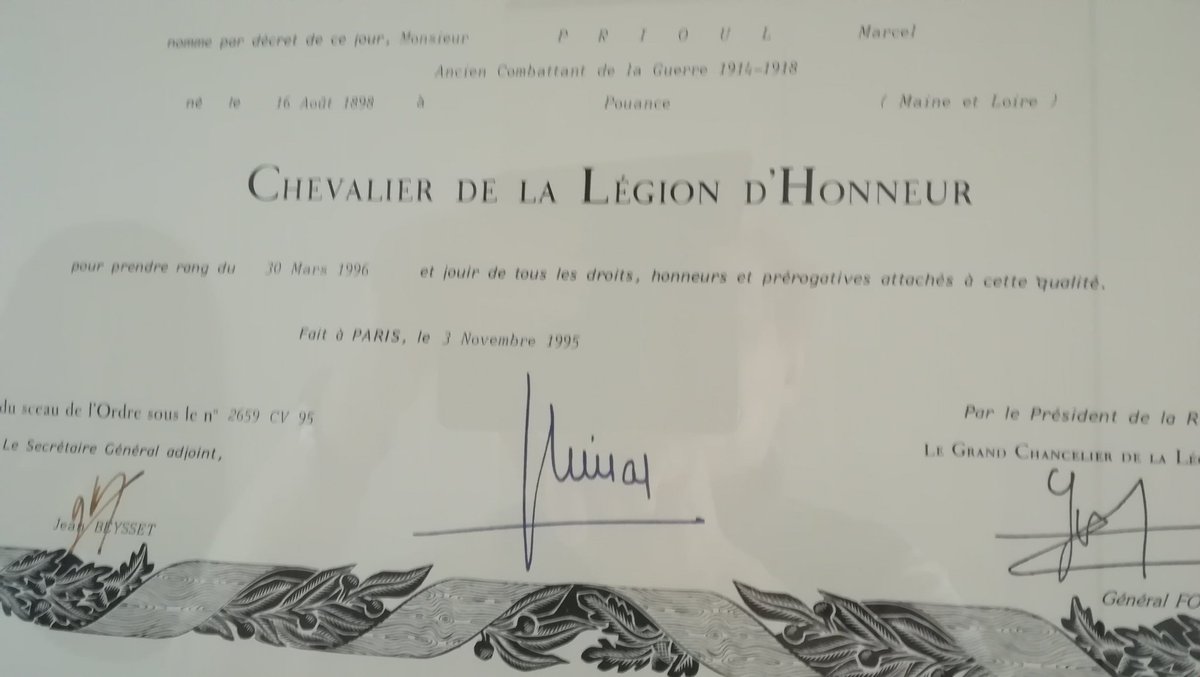
Hommage à Monsieur Jacques Chirac ! Grâce à lui, Papa a reçu l'hommage de la France à ses enfants pour avoir combattu en 1916/1918 et en 39/45. Merci pour cette reconnaissance.
Histoire vraie
Emma Gatewood avait soixante-sept ans quand elle annonça à ses enfants qu'elle partait faire une promenade.
Elle n'expliqua pas où.
Elle n'expliqua pas pourquoi.
Elle dit simplement au revoir, prit un petit sac fait maison, et s'engagea tranquillement vers l'inconnu.
C'était en 1955. Pendant des années, Emma avait vécu une existence que la plupart des gens n'auraient pu imaginer—des décennies de violence dans une ferme de l'Ohio. Elle avait élevé onze enfants tout en portant une douleur qui ne se voyait jamais vraiment à la surface. Elle avait fini par échapper à cette vie en 1941, mais les cicatrices qu'elle avait laissées n'étaient pas faciles à oublier.
Puis un jour, quelque chose bascula.
Elle tomba sur un article du National Geographic à propos du sentier des Appalaches—un long chemin sinueux s'étendant de la Géorgie au Maine. Cela semblait paisible. Possible.
Et elle pensa, simplement : si d'autres peuvent le faire, moi aussi.
Elle ne le dit à personne. Elle savait ce qu'on lui répondrait. Trop dangereux. Trop difficile. Trop tard dans la vie.
Alors elle se prépara en silence.
Elle se cousit un sac en jean et n'emporta que ce qu'elle pouvait porter : une couverture, une bâche en plastique, une petite trousse de premiers secours, et quelques affaires de base. Pas de tente. Pas d'équipement adapté. Juste des baskets Keds et une robe en coton.
Le 3 mai 1955, elle arriva en Géorgie et commença à marcher.
Le sentier ne l'accueillit pas avec douceur.
Il était rude, inégal, impitoyable. Les racines d'arbres la faisaient trébucher. Les rochers déchiraient ses chaussures fines. La pluie transformait le sol en boue. Les nuits étaient froides, souvent agitées. Elle dormait où elle pouvait, parfois tremblant de froid.
À un moment, elle se tordit gravement la cheville. Assise là, souffrant, seule, il aurait été facile d'abandonner.
Elle ne le fit pas.
Elle la banda, se releva, et continua.
Les gens qu'elle rencontrait en chemin ne la comprenaient pas vraiment. Une petite femme âgée en robe, ne portant presque rien, marchant kilomètre après kilomètre. Certains pensaient qu'elle était perdue. Certains pensaient qu'elle avait perdu la raison.
Quelques-uns l'aidèrent.
Mais la plupart du temps, elle marchait seule.
Quand on lui demandait pourquoi elle faisait cela, elle souriait simplement et disait qu'elle voulait voir le pays. Mais la vérité était plus profonde.
Ce n'était pas juste une randonnée.
C'était sa façon de se réapproprier elle-même.
Chaque kilomètre mettait de la distance entre elle et la vie à laquelle elle avait échappé. Chaque pas lui prouvait quelque chose—qu'elle était encore forte, encore capable, encore libre.
Les jours se transformèrent en semaines. Les semaines en mois.
Ses pieds saignaient. Son corps souffrait. Mais elle continuait d'avancer.
Le 25 septembre 1955, elle atteignit le sommet du mont Katahdin.
Elle avait marché plus de 3 200 kilomètres.
Seule.
Elle devint la première femme à parcourir l'intégralité du sentier des Appalaches en solitaire en une saison.
Quand les gens entendirent son histoire, ils furent stupéfaits. Les journalistes vinrent. Les journaux relatèrent son voyage. Elle devint connue partout sous le nom de « Grand-mère Gatewood ».
Mais elle ne présenta jamais cela comme extraordinaire.
Elle parlait simplement. Même avec désinvolture. Comme si elle venait juste de finir une longue promenade dans son jardin.
Et elle n'avait pas terminé.
Elle parcourut le sentier à nouveau en 1957.
Puis encore en 1964—à soixante-seize ans—devenant la première personne à le compléter trois fois.
Chaque fois avec presque rien.
Ce qu'elle accomplit changea la façon dont les gens voyaient le sentier—et eux-mêmes. Ce n'était plus seulement pour de jeunes aventuriers entraînés. Cela devint quelque chose dont les gens ordinaires pouvaient rêver.
Parce que si elle pouvait le faire, peut-être qu'eux aussi le pouvaient.
Elle continua de marcher pendant des années après cela, toujours en mouvement, toujours explorant.
Quand on lui demandait pourquoi, elle donnait une réponse simple :
« J'aime me sentir libre. »
Emma Gatewood s'éteignit en 1973 à quatre-vingt-cinq ans. Mais son histoire ne s'arrêta pas là.
Elle vit dans chaque personne qui choisit de continuer—surtout quand s'arrêter serait plus facile.
Parce que parfois, partir n'est pas de la faiblesse.
Parfois, c'est le début de devenir qui on était destiné à être.https://t.co/5nWW1eDCbY
"Just for the weekend," the email said. "We are out of space. They are on the euthanasia list for Monday morning."
I opened the photo.
Two tiny Chihuahua brothers. Big ears. Wide eyes. The kind of dogs people call “yappy,” “fragile,” “too much.”
"I don’t know," I told my partner. "Chihuahuas can be anxious. They bark at everything. And two of them? That’s a lot of noise in a small package."
But how do you say no to a Monday deadline like that?
So we said yes.
Just 48 hours.
Just enough time to save their lives.
They arrived Friday night. I was braced for chaos.
Shoes tucked away. Blankets ready. Expectations… cautious.
And you know what they did?
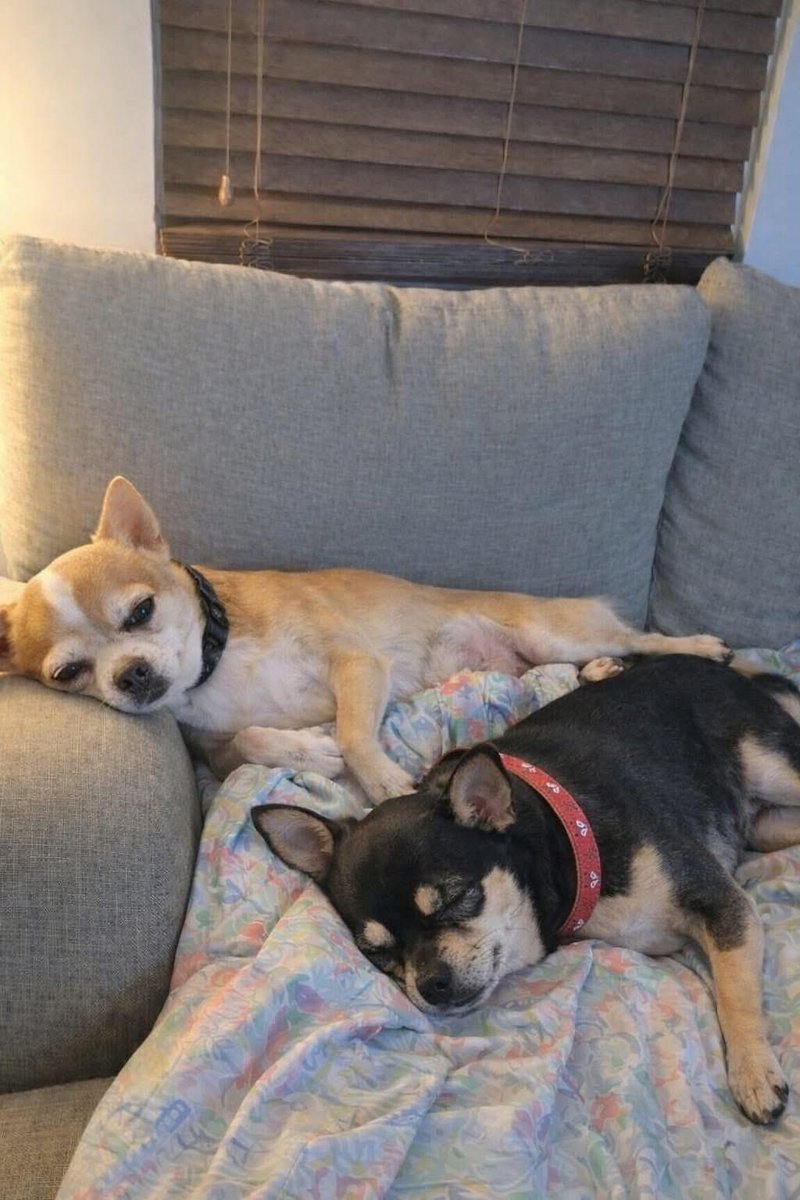
They climbed onto the couch, found the softest blanket in the house… and tried to squeeze onto the same tiny spot like they were still sharing space in a kennel.
No nonstop barking.
No nervous destruction.
No drama.
They slept. Curled into each other.
One resting his head against the arm of the couch, blinking up at me with tired, grateful eyes.
The other completely passed out, snoring softly, his little body rising and falling against the blanket.
For two straight days, they followed us everywhere.
To the kitchen.
To the bathroom.
From room to room like tiny shadows.
If we sat down, they were there. Pressed close. Warm. Trusting. As if they couldn’t quite believe comfort was allowed to last.
Sunday night, the shelter called.
“Can you bring them back Monday morning?”
I looked at the couch.
My husband was pinned in place. One Chihuahua had claimed his chest. The other had stretched across his legs like he’d found his forever pillow. Two “too small, too loud” dogs completely at peace.
The stereotypes everyone jokes about?
They were just 6-pound lap dogs who wanted to feel safe. Who wanted a warm body nearby. Who wanted to belong.
“Actually,” I said into the phone, smiling,
“you can tear up the foster contract.”
There was a pause.
“Why? Is something wrong?”
“No,” I said softly. “Nobody is leaving this house tomorrow.”
Failed foster? Maybe.
Best decision we’ve ever made? Without question.
Credit: James Casey
After 12 years, the dog no one chose crossed the rainbow bridge…
She came into my life 12 years ago in a very unexpected way. A waitress I barely knew was being evicted and needed someone to take her six months old puppy. No one else helped. I said yes, thinking it would only be for a month.
At first, I wasn’t very attached. I left all her things downstairs. She was so scared that she hid behind my dryer for three days.
But when I finally picked her up and took her upstairs, everything changed. She relaxed in my arms and curled into my lap, like she had been waiting all her life to be loved. Like she just wanted someone to choose her.
Over the next 12 years, she stayed with me as my life changed. We slept next to each other every night.
Then my life grew.
First, a wife.
Then one son.
Then another.
Soon, she wasn’t just my dog, she was part of our family.
We all loved her so much. My kids were always gentle with her. She had a backyard to run and play, to lie in the sun, and enjoy peaceful days.
I truly believed we had at least one more summer together.
Then one morning, everything changed.
She got very sick with pancreatitis. We rushed her to the vet and tried everything. But deep down, I knew.
Still, she kept fighting.
We brought her home, and for one full day, she was herself again.
She sat outside, quietly watching my kids play in the driveway. She looked calm and at peace.
It was her “last good day.”
The next morning, she wouldn’t eat or drink. And slowly… she began to fade. We took her back to the vet. This time, she didn’t come home.
It’s been a month now. I still find myself looking for her. I still look at her spot, expecting her to be there.
At night, I look at her photos. I don’t cry as much now, but it still hurts.
I don’t know what happens after this life.
But I hope she’s somewhere waiting.
Somewhere she’s young again. Running toward me. Jumping on the bed before me like she always did.
Maybe this time… we get forever.
Warm days, quiet nights, and endless summers.
Thank you for letting me share her story.
She was here.
She was loved.
She had a family who truly cared for her.
Rest peacefully, Luna.
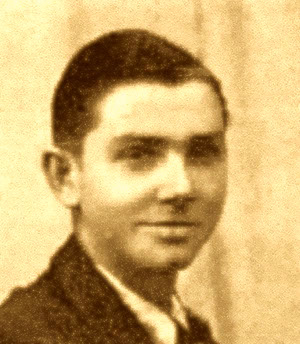
14 avril 1942. Fort du Hâ. Un apprenti de la Jeunesse ouvrière chrétienne. En lutte dès 1940. Il termine une lettre : "Écrire pour la dernière fois à sa mère, c’est pour moi un calvaire et une tension des nerfs pour ne pas pleurer." Ernest Lombart est fusillé peu après. 21 ans.
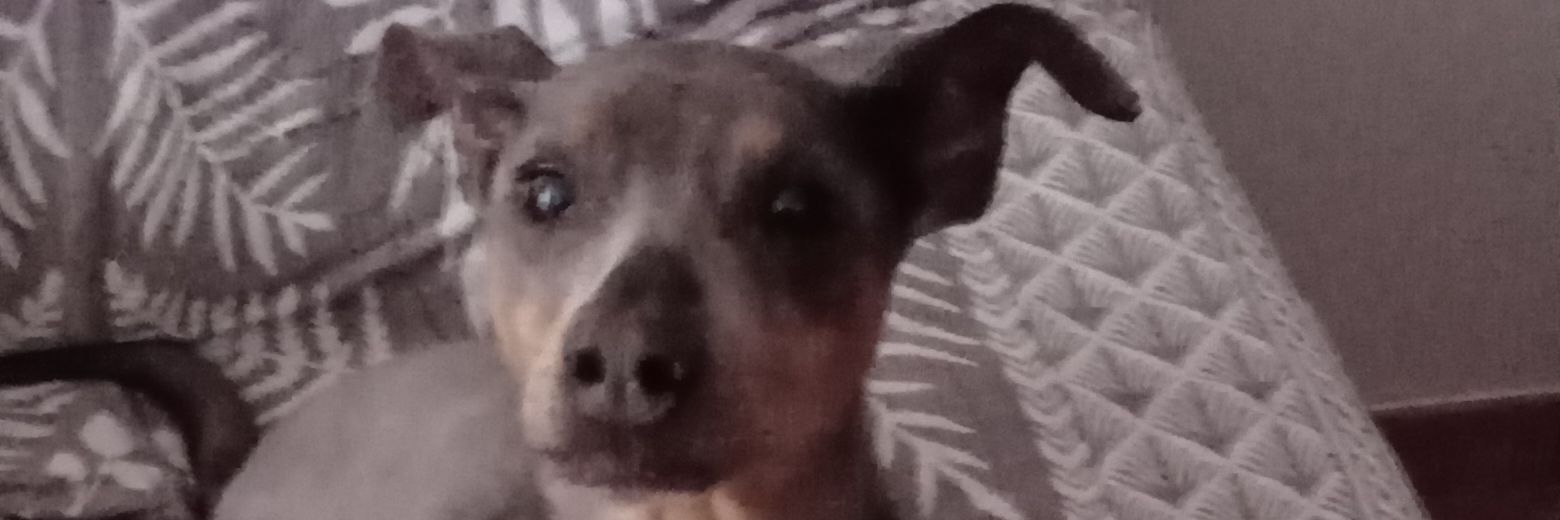
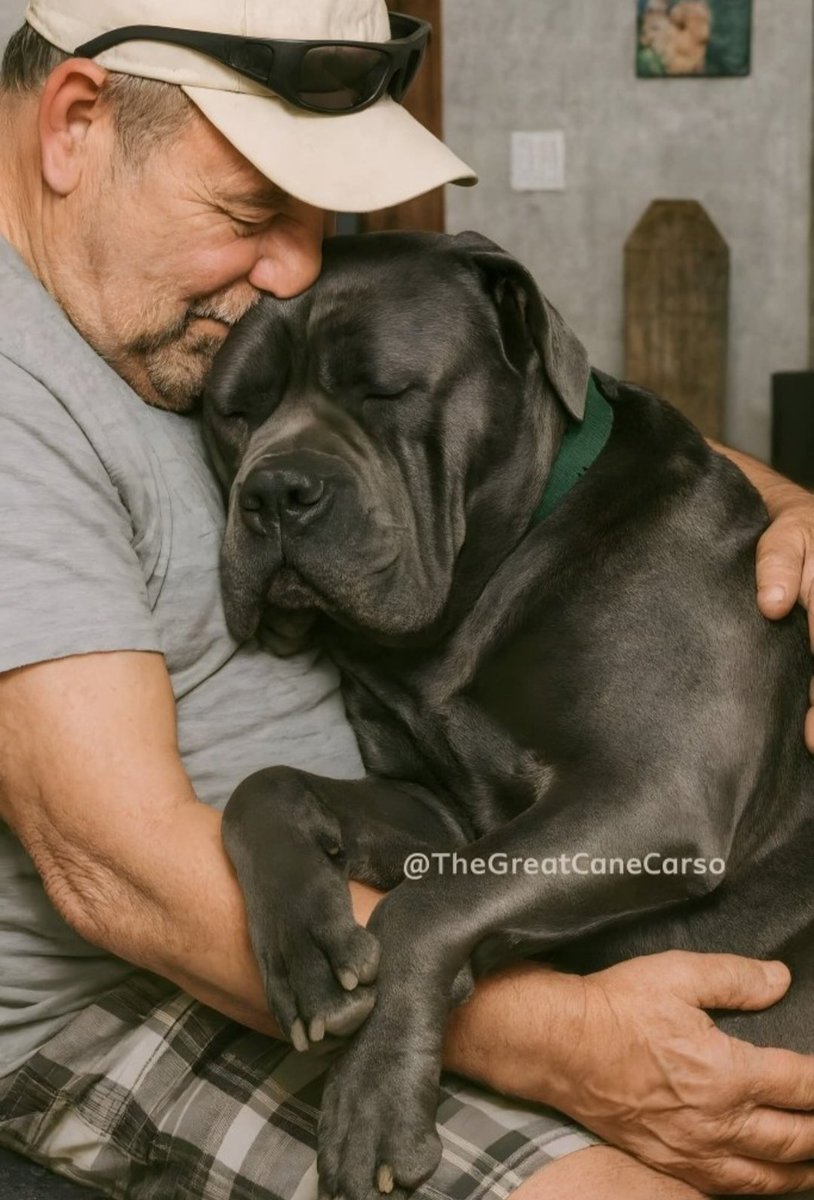
Today, I went to a shelter to adopt a dog. I’m 73 years old, and ever since my wife passed away two years ago and my children moved away, the house has felt unbearably quiet.
A friend of mine suggested I adopt a dog—he said it would give me company and help ease the loneliness, just having another presence at home. So, I decided to give it a try.
At first, I planned to bring home a small puppy—something I could care for and raise, almost like I did with my children. But when I arrived at the shelter, something unexpected caught my attention. There was an old dog sitting quietly in its kennel, its face turned toward the wall.
I asked the staff about it, and they told me the dog had been there for over 1,000 days. It had been adopted three different times, but each time it was returned the very next day—simply because it was old.
I stood there looking at that dog, and a thought crossed my mind: I’m old too. Maybe we understand each other.
I walked over to the kennel. The dog noticed me but didn’t react much—it just gently leaned its head against the wall. I reached out and placed my hand on it. In that quiet moment, I made my decision. I signed the papers and took the dog home with me.
On the ride back, it was silent—no excitement, no tail wagging. It felt like it had already given up on expecting anything.
The first few days were difficult. It coughed and seemed weak, but little by little, it began to recover. And over time, something beautiful happened.
Now, we’ve become good friends. We go on walks together, spend our days side by side, and keep each other company in a way only we can understand.
@AdeaClaude C'est honteux! Les cigognes reviennent en France pour couver les œufs et avoir des petits! Les tuer signifie pas de naissances, et,à terme, une raréfaction de cette espèce