Mexico is the third-most-dangerous country ever to host the World Cup, after South Africa and Brazil. Its leaders worry that any foul-ups will become grist for Donald Trump’s argument that Mexico cannot control its own territory https://t.co/oo7AA4c0xg
#Comunicado | #CNA y sus contrapartes de #EU y #Canadá respaldan la renovación y fortalecimiento del #TMEC.
Consulta la carta completa en el siguiente enlace: https://t.co/XBchqqO2yN
El 70 % de los trabajadores de los países de ingreso bajo y mediano tienen empleos con oportunidades limitadas de capacitación. Cuando el trabajo no contribuye al desarrollo de habilidades, la productividad y los ingresos aumentan más lentamente. Lea más: https://t.co/UnM9HcNTBn
🇲🇽 Ventanilla Única de Trámites de Comercio Exterior
✅El Gobierno de México pone en marcha una plataforma centralizada para la gestión de trámites ante la Secretaría de Economía, el SAT y la ANAM, bajo administración de la Agencia de Transformación Digital y Telecomunicaciones.
💠Entre sus principales alcances: expediente único, eliminación de requisitos duplicados e interoperabilidad en tiempo real entre instituciones.
🔰Disponible en 15 días en: https://t.co/8J0LD5HQaq
📰Comunicado de prensa: https://t.co/erNeoZyG1P
#VentanillaUnica #ComercioExterior #PlanMéxico
In sum, spending on port infrastructure will rise by more than a third to $90bn annually by 2035, says PwC, a consultancy. The investment frenzy is driven in part by anxiety about China’s tightening grip on supply chains https://t.co/8me5nI0nsJ
🤝🏼La colaboración que mueve al comercio exterior.
📌El presidente de #CAAAREM, A.A. José Ignacio Zaragoza Ambrosi @ignaquiz , se reunió con el Lic. Augusto Ramos Melo, presidente nacional de @canacarmexico, y el Ing. Pedro Lozano Martínez, presidente de ATC Nuevo Laredo y vicepresidente de CANACAR, para avanzar en una agenda común que fortalezca la logística, la legalidad y la eficiencia operativa del país.
#HaciendoMásGrAAndeACAAAREM🇲🇽
🚨BREAKING: Anthropic just published a study mapping exactly which jobs its own AI is replacing right now.
The workers most at risk are not who anyone expected. They are older. They are more educated. They earn 47% more than average. And they are nearly four times more likely to hold a graduate degree than the workers AI is not touching.
The argument is straightforward. Anthropic built a new metric called "observed exposure." Not what AI could theoretically do. What it is actually doing right now in professional settings, measured against millions of real Claude conversations from enterprise users.
For computer and math workers, AI is theoretically capable of handling 94% of their tasks. It is currently handling 33% of them. For office and administrative roles, theoretical capability is 90%. Current observed usage is 40%. The gap between what AI can do and what it is already doing is enormous. The researchers are explicit about what comes next. As capabilities improve and adoption deepens, the red area grows to fill the blue.
The demographic finding is what makes the paper uncomfortable. The most AI-exposed workers earn 47% more on average than the least exposed group. They are more likely to be female. They are more likely to be college educated. This is not a story about warehouse workers or truck drivers. It is a story about lawyers, financial analysts, market researchers, and software developers. The exact group whose education was supposed to insulate them.
Computer programmers showed the highest observed AI exposure at 74.5%. Customer service representatives at 70.1%. Data entry keyers at 67.1%. Medical record specialists at 66.7%. Market research analysts and marketing specialists at 64.8%. These are not predictions. These are measurements of work that is already happening on AI platforms right now.
Then there is the pipeline finding nobody is talking about loudly enough.
Anthropic's researchers found a 14% decline in the job-finding rate for workers aged 22 to 25 in highly exposed occupations since ChatGPT launched. No comparable effect for workers over 25. Entry-level roles were never just jobs. They were the training ground where junior analysts became senior analysts, where junior lawyers learned how arguments hold together. If that layer disappears, nobody has answered the question of where the next generation of senior professionals comes from.
The detail buried in the paper that most coverage missed: 30% of American workers have zero AI exposure at all. Cooks. Mechanics. Bartenders. Dishwashers. The technology reshaping professional careers is completely irrelevant to roughly a third of the workforce. The divide is no longer between high skill and low skill. It is between presence and absence.
The company publishing this study is the same company selling the AI doing the replacing. Anthropic had every commercial incentive to soften these findings. They published them anyway.
If you spent four years and $200,000 on a degree to land a white collar career, the company that builds Claude just confirmed your job is more exposed than the bartender pouring drinks at your graduation party.
Source: Anthropic, "Labor market impacts of AI: A new measure and early evidence"
PDF: https://t.co/taYgsIfiTj
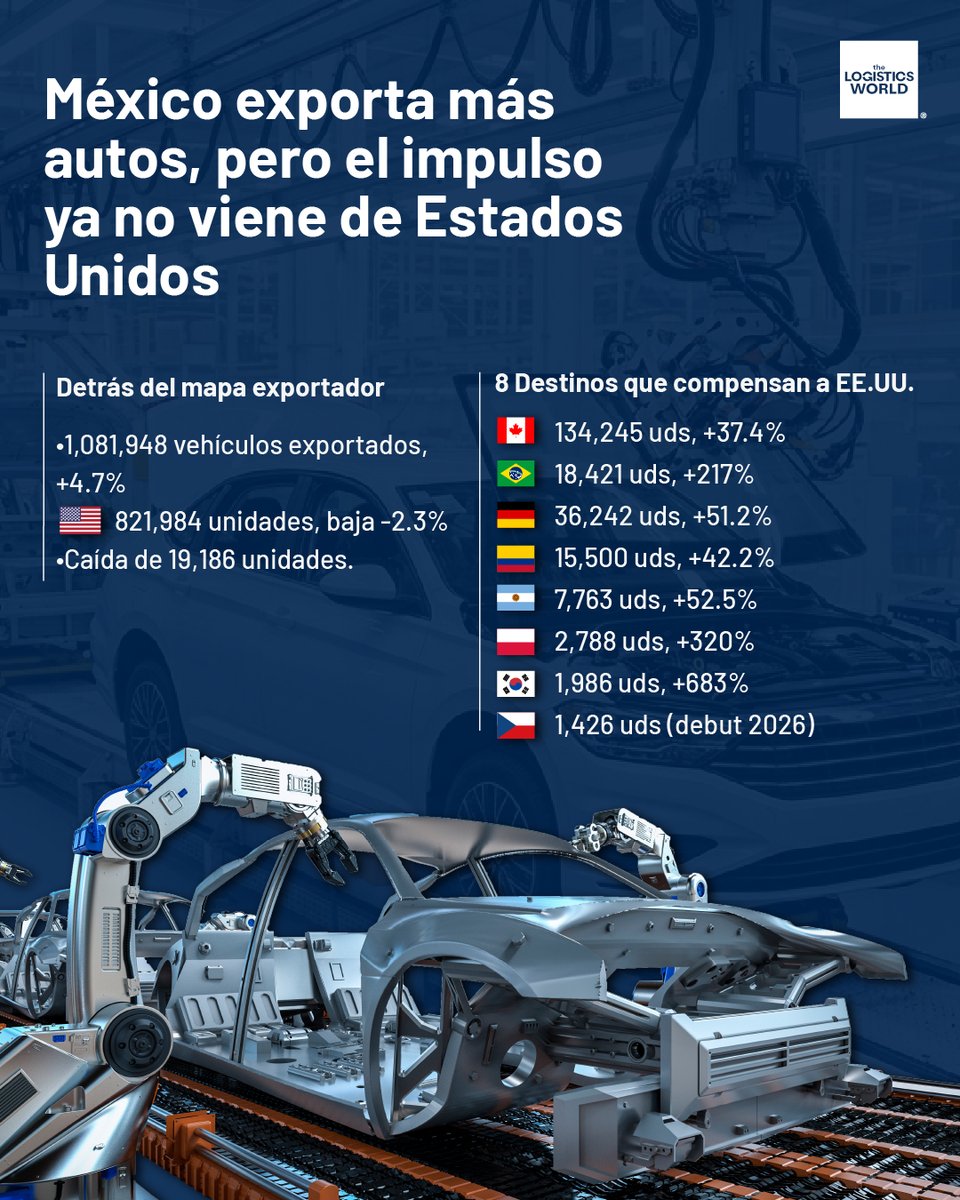
Nissan México absorbió 1,200 MDD en un año por el arancel 25% de la Sección 232 de EE.UU. Exportaciones: −27.1% en 1T-2026. Siguiente ajuste: un turno menos en Aguascalientes, 2,000 empleos en riesgo. La revisión del T-MEC debe dar certidumbre antes de que la planta se vacíe.
#ComercioExterior #Aduanas #Importaciones #Logística #México #CAAAREM
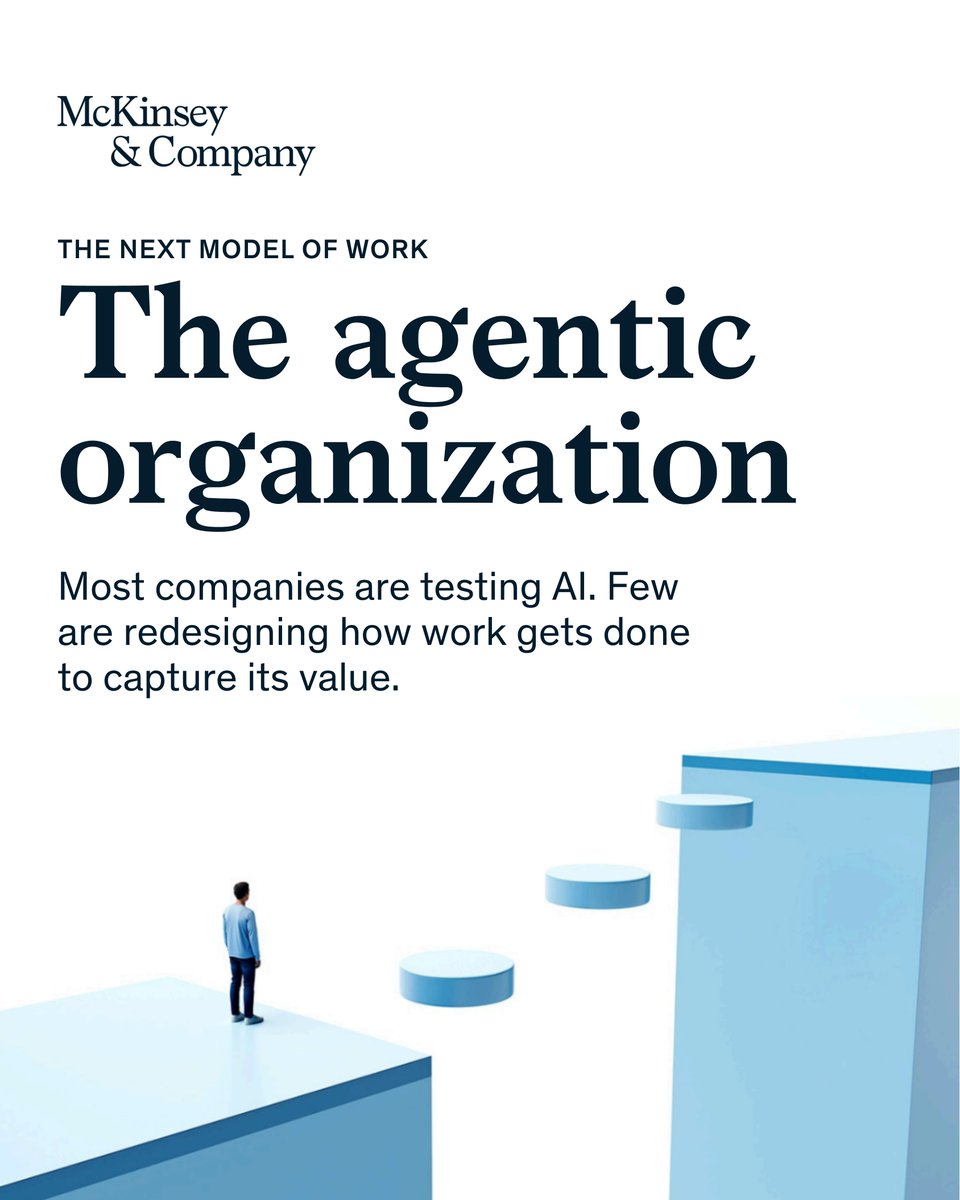
AI is everywhere. But most companies are still stuck in pilot mode.
The issue isn’t the tech. It’s that the work itself hasn’t changed.
Leaders are starting to rethink workflows, roles, and decisions end to end. That’s where the real value is unlocked. https://t.co/ask2NpJfwF
Los países del Golfo tienen reservas de alimento para un par de meses
Si la guerra de Irán se alarga, los países de la región podrían sufrir un inaudito desabastecimiento de productos básicos. La llegada de los mismos por mar está bloqueada y por tierra o aire resultaría muy costoso.
Heineken said it will cut up to 6,000 jobs, nearly 7% of its workforce, and lowered its 2026 profit growth outlook, citing slow sales and industry challenges https://t.co/PBILvuI35Y
🔴DW Noticias 10 de febrero: EE. UU. anulará norma sobre emisiones de gases de efecto invernadero
Se trata del mayor retroceso en Washington en cuanto a regulaciones climáticas. EE. UU. eliminará la regulación que cataloga el dióxido de carbono y otros gases de efecto invernadero como un peligro para la salud humana. /cmw
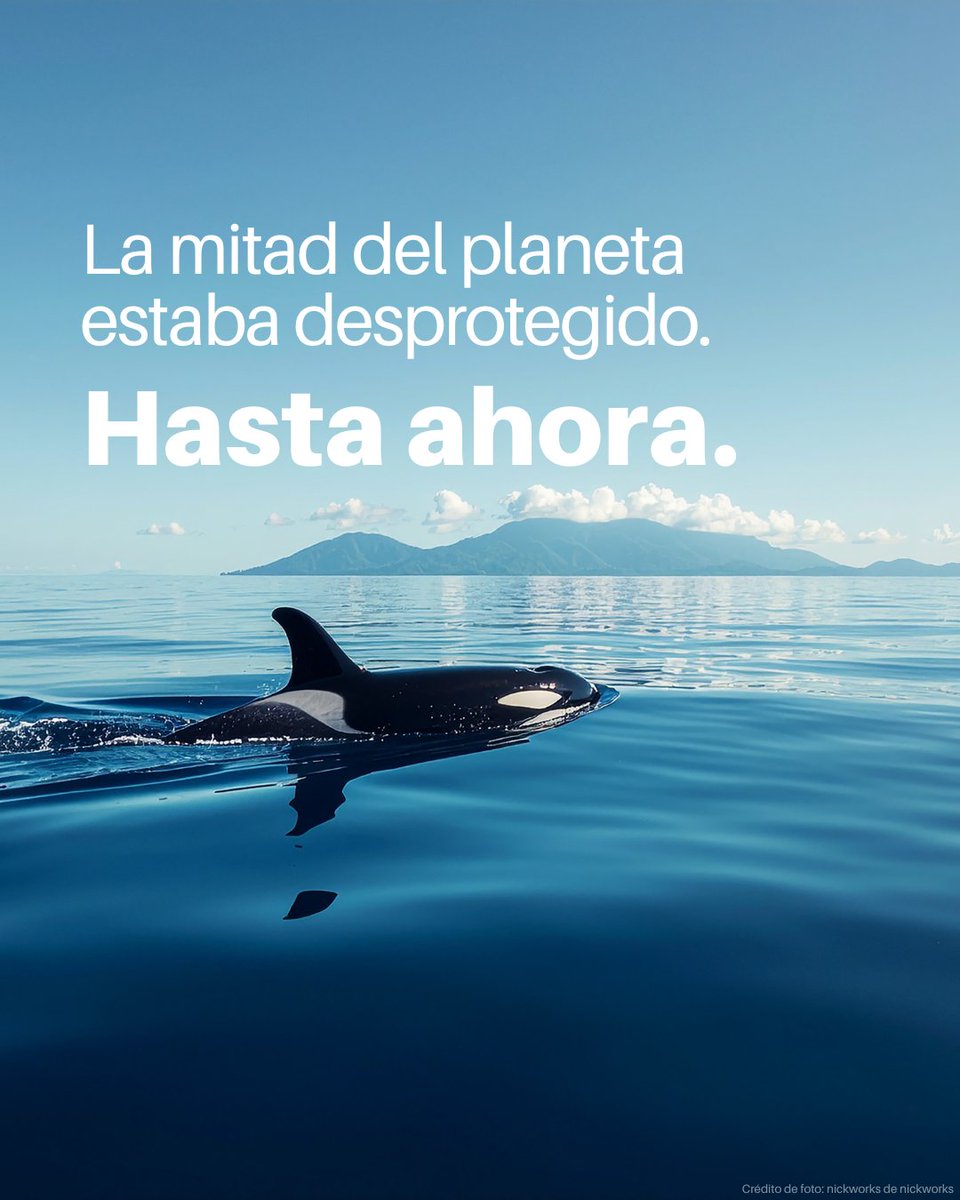
La mitad de nuestro planeta estaba desprotegido, hasta ahora.
Este mes, el #TratadodeAltamar entra en vigor, uno de los acuerdos ambientales más importantes de nuestro tiempo.
El Tratado abre la puerta a proteger casi la mitad de nuestro planeta con nuevas herramientas para establecer áreas marinas protegidas y garantizar que los beneficios de la alta mar se compartan de manera equitativa, especialmente con los países en desarrollo y los pequeños Estados insulares. Más información: https://t.co/XDYRGclanF
Eat Beer crea proteína vegana a partir de residuos de la cerveza
La filial de la cervecera alemana Störtebeker produce carne vegana a partir de restos de malta cervecera y cultivos de hongos.
La nueva empresa le da a la cervecería un segundo pilar sostenible en el creciente mercado de las proteínas alternativas. /cq
The India–US Trade Deal ensures full protection for Indian farmers, with no entry granted for vegetables. Dried vegetables, beans and pulses, as well as roots and tubers such as potatoes and sweet potatoes remain excluded, with no concessions extended.
🔗 Learn more: https://t.co/8YJ85U2soE
@RajeshAgrawal94@PIB_India@PiyushGoyal
#IndiaUSTradeDeal #IndiaUSJointStatement #IndianFarmers
From Sweden and Norway to India and Indonesia, states are holding back increasing quantities of rice, wheat and other staples as insurance against a world they increasingly view as unstable. https://t.co/hfoyRxz0XH