Meet Black thunder our Takydromus tachydromoides!
Last year I hatched out an unusually darker than average Japanese grass lizard. I wonder if it’s heritable?🧐 let’s find out!
1️⃣❤️
#kanahebi
Sunny spring weather equals fresh sheds for outdoor kept courting couples!
P siculus paulae male
Timon lepidus pseudo melanistic trobisch line with black eyes female.
1️⃣❤️
#londonleopa#kanahebi
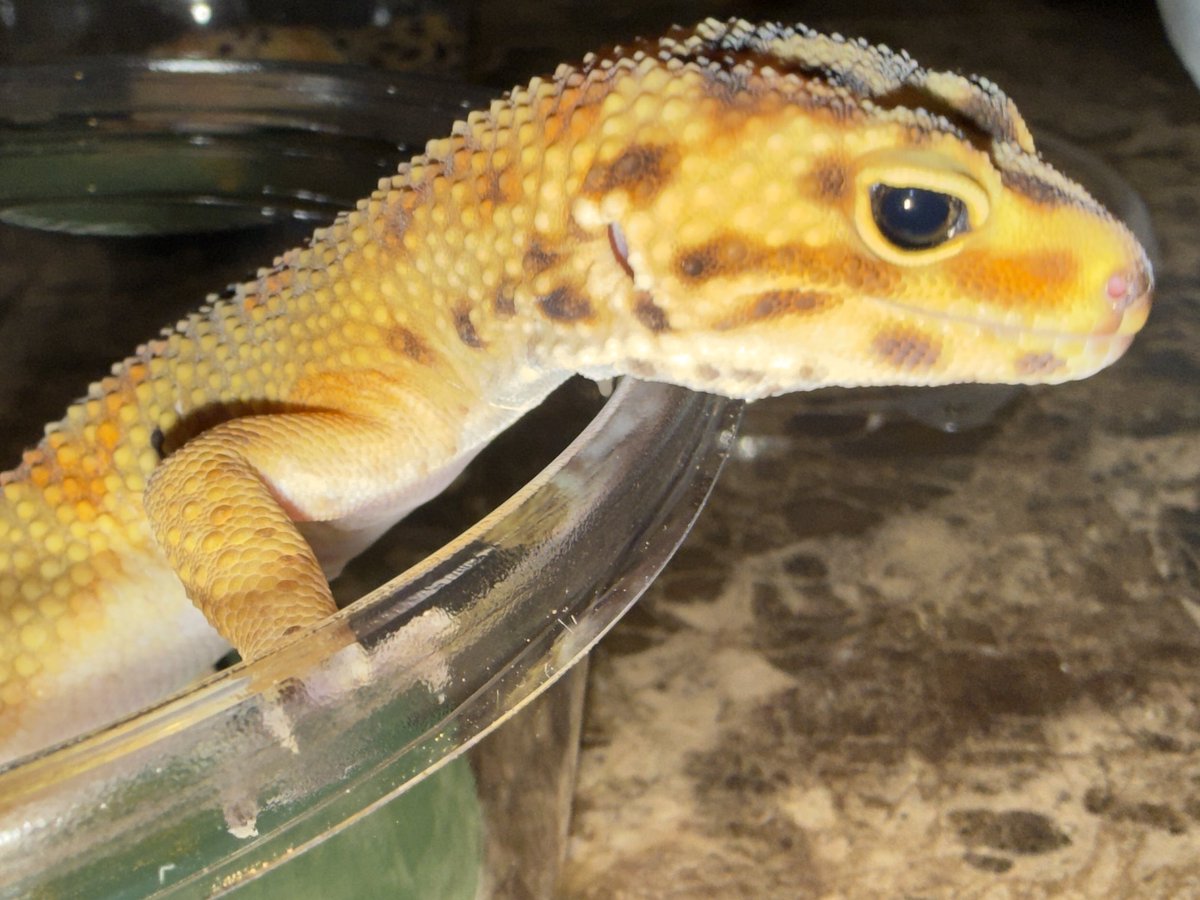
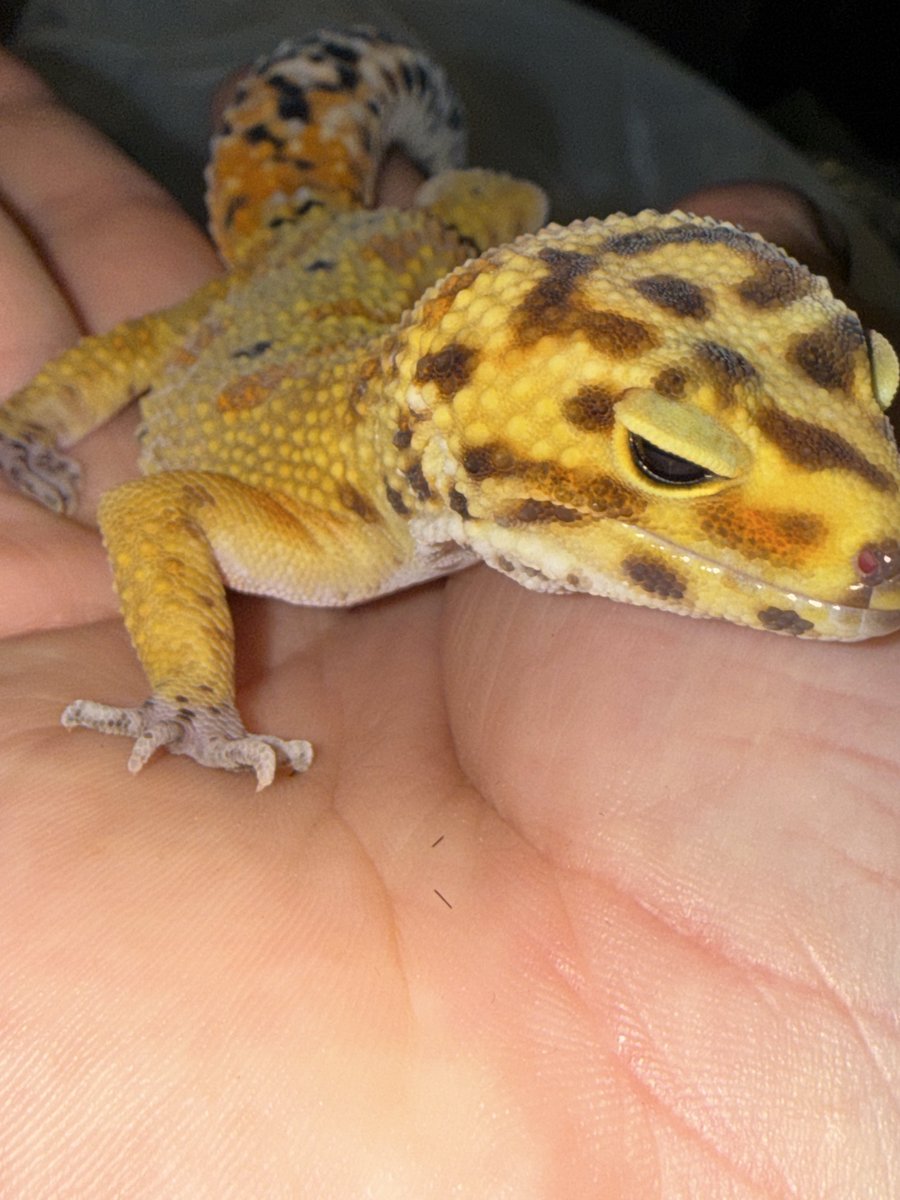
After nearly 9 years of test breeding and verification I think I’m finally ready to release the recessive gene that popped up in my breeding stock in 2017! Known in house as the oddball. However, out of respect for the gene’s birthplace and origin I thought a Japanese name would be more fitting and also a nod to the eye traits and visual traits in juveniles, I’m proud to introduce..
Hon’ei (本影) – “Umbra”
Novel recessive mutation in Eublepharis macularius, discovered in 2017 from low-viability neonates. Multiple generations of selective breeding have stabilized viability; current cohorts exhibit normal growth, fecundity, no overt pathologies.
Neonatal phenotype: pronounced eumelanin upregulation—melanophores densely populate dorsal epidermis, yielding near-uniform melanistic saturation (charcoal to jet-black in hatchlings). Suppresses endogenous banding patterns via ectopic melanin deposition, eliminating banding and dorsal ocelli. Pheomelanin restricted to lateral flanks and caudal tuberculate annuli—rusty-orange zones express as discrete, raised rings against the dark base. Most individuals exhibit striping and that is retained into adulthood.
Ocular: iris fully melanised, no visible pupillary margin (distinguishes from eclipse/cipher/marble eye/NDBE). Subtle peripheral xanthophore halo visible under flash and upon close inspection in bright light.
Limbs/ventrum: medial podial darkening from localized melanocyte density; ventral white reduced to thin marginal bands in some.
Ontogenetic modulation: post-hatching, eumelanin granules redistribute—dermal migration and scale-layer thickening reduce surface density, allowing pheomelanin expression to intensify laterally. Result: juveniles darkest (hyper-melanistic appearance), adults lighter but still warm-toned shadow, not true fade. Likely tied to metabolic rate decline or hormonal downregulation of melanophore activity.
Inheritance: autosomal recessive, stable segregation. No epistatic interactions or linkage observed; occasional ocular hypertrophy monitored—no morbidity.
Morph summary: hyper-melanistic recessive with selective pheomelanin retention. Elegant, brooding baseline—ideal for breeding depth into existing lines.
A select few will be available at north rep this weekend!
My gift to our community. Japan made, Japan first.
Ps, a comprehensive morph guide will be released and made public soon as well as to anyone who decides to add one to their collection.
1️⃣❤️
#londonleopa
#leopardgecko
#livingart