The words ALONE, LONE, LONELY, and ONLY all derive from the number one. ONLY literally means ‘one-ly’, or ‘one-like’. ALONE literally means ‘all one’. And LONE and LONELY emerged as later derivatives of ‘alone’ having lost their initial A.
Folks ask how the concept of translanguaging differs from code-switching. A big distinction is that word “switching” which infers languages exist as separate, independently functioning systems that don’t reference each other, and languagers shift back and forth between them.
This week's column: there's nothing wrong with the idea of a Standard English. There's also nothing wrong with dialects that differ from it. Teach both concepts, and teach them better, in the classroom.
https://t.co/Usqrra3K7l
‘Robbers’ were once stealers of robes, and ‘escaping’ was about throwing off your cape. How language never lost its fashion mojo.
https://t.co/q8AUSd4bIF
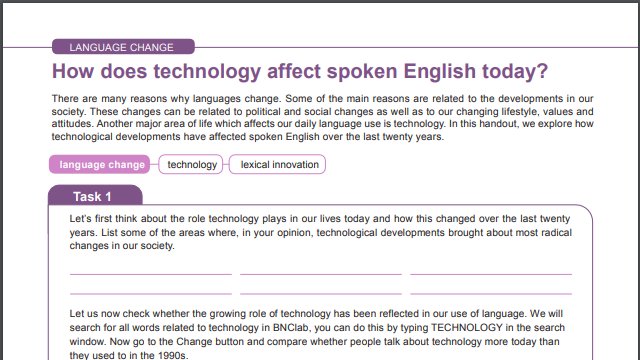
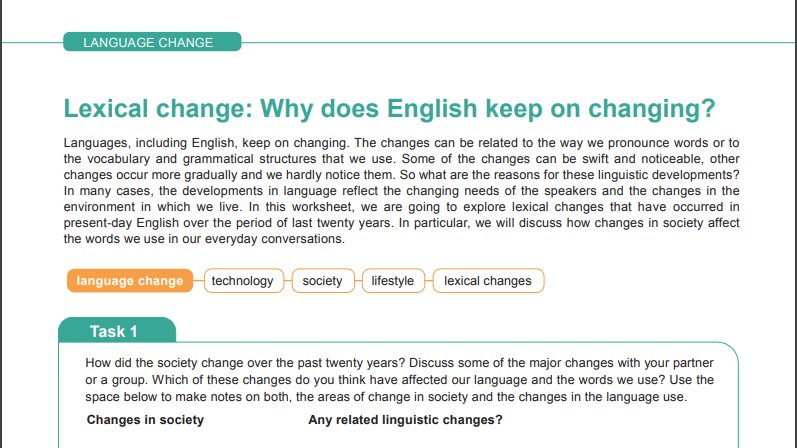
A-level #EngLang materials for teaching about #languagechange in spoken English over last 20 years using #BritishNationalCorpus2014 available from #CorpusForSchools. Topics include: language & technology, language & attitudes to health, factors affecting language change & more.
It's day 19 in this series of posts selected for English language/linguistics students: V is for vocabulary. #LAFG4students Some English words are explicitly gendered, but many more are covertly gendered--and research suggests they can be a source of bias https://t.co/bndQWlc4M6
@ian_cushing@SimonMagus@DamCou@tombennett71 I’m always up for it, Ian 😁... For anyone who’s made it this far in the discussion, here’s a debate I had with Simon Heffer on whether there is such a thing as correct English. The views I express are absolutely in line with mainstream linguistics. https://t.co/B8gakZ1YUV
Are you a student who'll soon be starting a course (A level or degree) in English Language/ Linguistics? Are you interested in language & gender? This month from Monday I'll be sharing blogposts from my archive which discuss concepts & research you may encounter in your studies
"Kids come to school with their own fast moving idiolects… when they are granted the space to use these, that’s when they are able to challenge the rigidity of the status quo, allowing them to bring their own histories and narratives into the classroom". https://t.co/7kiXO9zcTS
You can now register for the 'AIFL Annual Symposium: Diverse methods and topics in forensic linguistics' to be held 24th & 25th Sept '20 and find more details here: https://t.co/1V5b8kcE8M
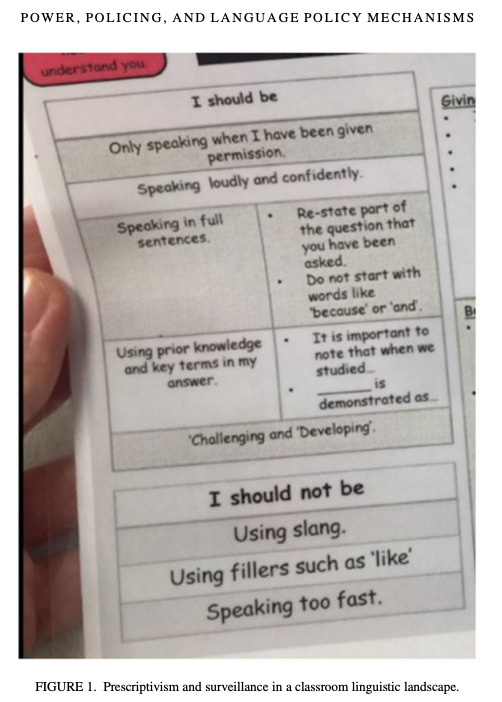
My recent article in Language in Society is now (fully!) open access. It's a critique of the argument that prescriptivism in schools is, in the words of one policy maker, 'almost dead' and looks at punitive, coercive and controlling policies such as this 👇https://t.co/6T5280svyj
The percontation mark ⸮, sometimes called the 'irony mark', was a 16th-century suggestion for indicating a rhetorical question.
Who knew⸮
Could we have messed this up any more⸮
etc.