Sourcing the best products from Nigeria and beyond. Supporting local communities to make a difference. Looking for something special, let us find it for you.
As we say goodbye to 2025 and what a year it has been!
Thanks to everyone who has helped and supported us this year, without you we could not have achieved so much !
Wishing you all an amazing 2026 and may it bring you health, wealth, happiness and peace..
We love you all 💕
My counsellor stated I’m good at understanding the pitfalls of #politics making it funny and maybe try #political satire i am fast at spinning what I see but I could never enter the political arena in any way. If I did I couldn’t keep the collection below says it all really
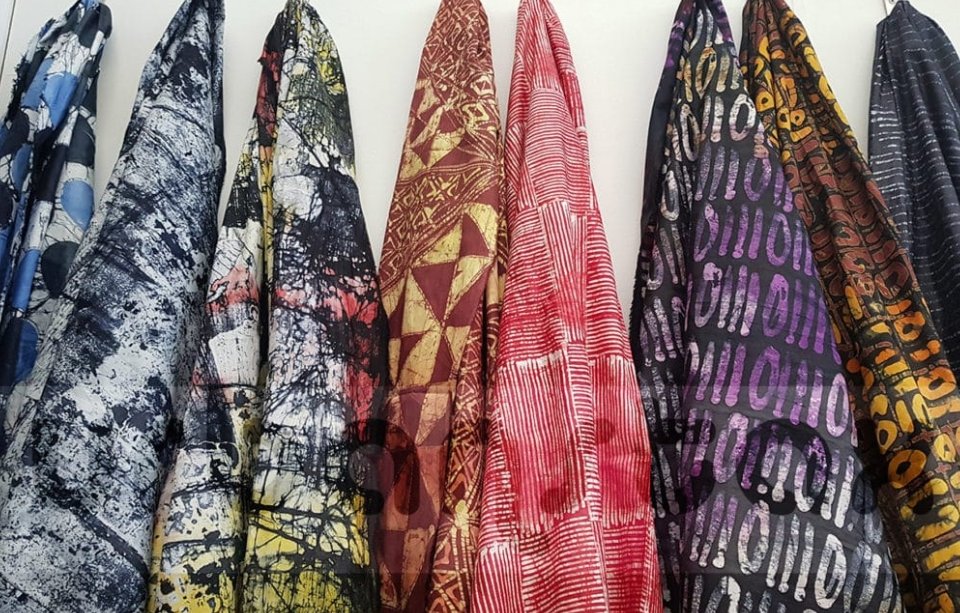
One significant art form from Nigeria is Adire, a traditional Yoruba cloth dyeing technique. Adire, which means "tie and dye" in the Yoruba language, is renowned for its intricate patterns and vibrant colors, serving both as a functional textile and a profound cultural expression.
Adire has roots in the Yoruba communities of southwestern Nigeria, particularly around the cities of Abeokuta, Ibadan, and Osogbo. Historically, it was produced by women who used this art form not only for aesthetic purposes but also as a means of communication, storytelling, and marking social status.
The primary methods of creating Adire are:
Adire Eleko: This involves using a paste made from cassava flour (ela) to create resist patterns on the fabric. The paste is applied using a feather or a small brush to draw intricate designs on the cloth. Once the paste dries, the fabric is dyed, and the areas covered by the paste resist the dye, creating patterns.
Adire Alabere: Here, the cloth is tied or folded to create resist patterns before dyeing. Small stones, seeds, or raffia can be used to tie sections of the fabric, causing those areas to resist the dye.
Adire Oniko: Similar to Alabere, this technique involves tying the fabric with thread to create patterns before immersing it in dye.
Adire Eleko Alabere: A combination of the Eleko and Alabere methods, where both paste resist and tying are used to create complex designs.
Adire cloths are not just beautiful pieces of art; they carry deep cultural significance. They are used in various ceremonies, from weddings to funerals, and their patterns can convey messages or denote specific social roles within the community. Each pattern has a name and story, often relating to folklore, proverbs, or historical events.
Symbols and Meanings: For instance, the "Aso Oke" pattern might symbolize wealth or nobility, while other patterns could represent fertility, protection, or even resistance against oppression during colonial times.
Economic Impact: Beyond cultural significance, Adire has been a significant economic activity, especially for women. The craft has provided a source of income, with artisans selling their works in local and international markets.
In contemporary times, Adire has evolved. While traditional methods are still practiced, there's an incorporation of synthetic dyes and new motifs that reflect modern life, like airplanes or computers. Artists like Nike Davies-Okundaye have been instrumental in promoting Adire on a global scale, blending traditional techniques with contemporary art practices.
Moreover, Adire has found its way into fashion, with designers using the fabric for everything from traditional attire to modern fashion statements, thus keeping the art form alive and relevant in today's world.
Adire stands as a testament to Nigeria's rich artistic heritage, embodying the creativity, resilience, and cultural depth of the Yoruba people. It's an art form where every piece tells a story, every pattern holds meaning, and every color reflects the vibrancy of life in Nigeria
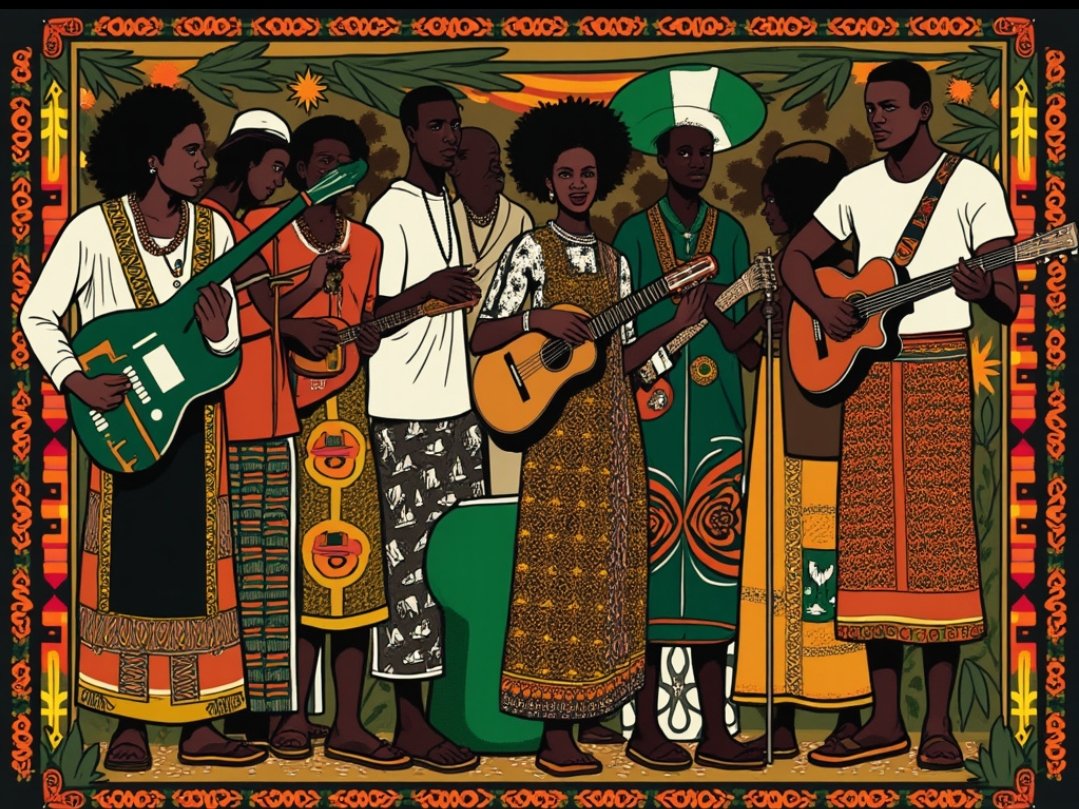
Nigerian music is a vibrant fusion of numerous genres, deeply rooted in the country's rich cultural tapestry, with over 250 ethnic groups contributing unique musical styles. The most internationally recognized genres include Indigenous, Apala, Fuji, Jùjú, Afrobeat, Afrobeats, Igbo highlife, Afro-juju, Waka, and Gospel. Traditional Nigerian music often serves functional purposes, marking events like weddings or funerals. However, with the influence of European contact, Nigerian music has evolved, incorporating elements from jazz, funk, and more recently, hip-hop and electronic beats.
The palm-wine music of the 1920s, characterized by string instruments, shakers, and hand drums, was an early form of urban music often played in bars. Jùjú music, pioneered by musicians like Baba Tunde King, became popular in the 1950s, blending traditional Yoruba music with Western instruments. Fela Kuti's Afrobeat in the 1960s and 1970s fused jazz, funk, and traditional African rhythms, becoming a symbol of political expression.
In recent decades, Afrobeats has emerged as a dominant force, blending African rhythms with contemporary sounds like hip-hop, R&B, and dancehall, leading Nigerian artists like Wizkid, Davido, and Burna Boy to global fame. This genre has significantly influenced African and diaspora music, promoting Nigerian culture worldwide. The influence of Nigerian music extends beyond entertainment, shaping cultural identity and global pop culture
We are #Collectibulldogs your #Follow matters as it all helps our metrics and we choose the individual approach to our #Followers so we are shared a lot. As a free for all non e commerce website you’ll feel no stress checking us out. #FreeEbook
Here are some interesting facts about Nigeria:
Population Giant: Nigeria is Africa's most populous country with over 200 million people, making it the continent's largest in terms of population. It's projected to become the third most populous country in the world by 2050, after India and China.
Diverse Culture: Nigeria is incredibly diverse with over 250 ethnic groups, the three largest being the Hausa, Igbo, and Yoruba. Each group has its own language, customs, and traditions, leading to a rich cultural tapestry. There are also over 500 languages spoken in Nigeria, with English being the official language.
Nollywood: Nigeria's film industry, known as Nollywood, is one of the largest film producers in the world by volume, second only to Bollywood. It produces thousands of movies annually, primarily in English, Yoruba, Hausa, and Igbo, contributing significantly to the economy and cultural export.
Geography: Nigeria has varied landscapes from the oil-rich Niger Delta in the south, which includes mangroves and wetlands, to the dry savannas of the north. The country also features mountains in the east and the longest coastline on Africa's Gulf of Guinea.
Economic Influence: Nigeria is Africa’s largest economy, driven by oil and gas, which accounts for a significant portion of its GDP. However, there's a vibrant informal sector and growing tech industry, especially in cities like Lagos, often dubbed the "Silicon Lagoon."
Historical Significance: Nigeria was once home to some of Africa's most powerful pre-colonial states, including the Kingdom of Benin, known for its remarkable bronze works, and the Oyo Empire, one of the largest West African states.
Cuisine: Nigerian food is diverse and flavorful. Jollof rice, a one-pot dish, is a staple, but there are also specialties like suya (spiced grilled meat), egusi soup (made from melon seeds), and a variety of stews and soups that vary by region.
Music: Nigeria has significantly influenced contemporary music with genres like Afrobeats, which has gained global recognition. Artists like Fela Kuti, who created Afrobeat, and modern stars like Wizkid, Burna Boy, and Davido have put Nigerian music on the world map.
Sports: Football (soccer) is the most popular sport, with Nigeria having produced world-class players like Jay-Jay Okocha and Nwankwo Kanu. The Nigerian national team, known as the Super Eagles, has qualified for the FIFA World Cup multiple times.
Festivals: Nigeria hosts numerous festivals celebrating its cultural diversity. The Durbar Festival during Eid al-Fitr and Eid al-Adha in the north is particularly spectacular, involving horse parades and cultural displays.
These facts only scratch the surface of Nigeria's vibrant and complex identity, showcasing its influence both continentally and globally.
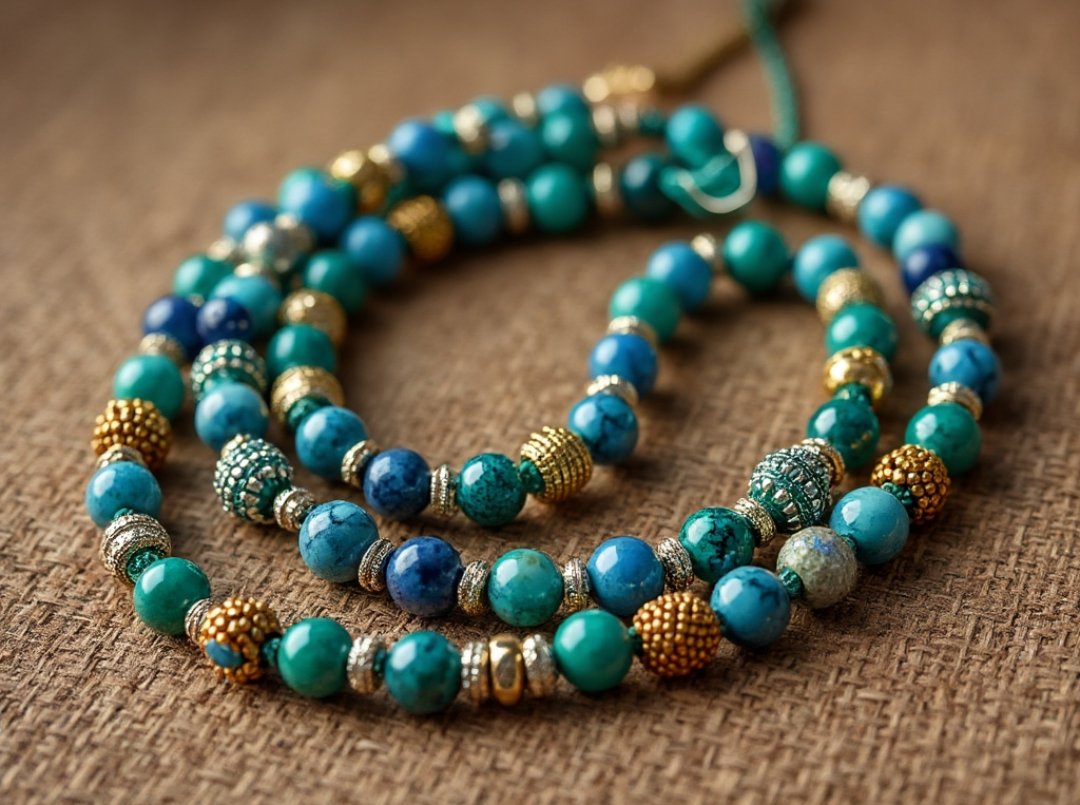
Nigerian beads are a significant part of Nigerian culture, playing roles both in adornment and as cultural symbols.
Historical and Cultural Significance:
Trade and Currency: Historically, beads served as a form of currency in Nigeria, especially during trade with Europeans. They were used in the exchange of goods and even in the tragic transatlantic slave trade. The value of beads, particularly those made from precious materials like coral, was immense, symbolizing wealth and power.
Cultural Symbolism:
Beads in Nigeria carry deep cultural meanings. They are used in various ceremonies like weddings, naming ceremonies, and rites of passage, symbolizing everything from royalty and beauty to fertility and spiritual protection. For instance, among the Yoruba, beads are integral to the regalia of traditional rulers and signify various aspects of life like status, age, and even spiritual beliefs.
Types and Materials of Beads:
Materials:
Nigerian beads can be made from a variety of materials including glass, coral, bone, metal, wood, seeds, and even recycled materials like cola bottles. Each type of bead has its unique significance; for example, coral beads are particularly revered among the Benin people for their association with royalty.
Craftsmanship:
The creation of beads in Nigeria involves skilled craftsmanship passed down through generations. Techniques range from glass bead making to the intricate lost-wax method for creating metal beads. The Yoruba, for instance, have been known for their bead manufacturing since at least the 11th century.
Fashion and Identity:
In contemporary Nigeria, beads are not just ceremonial; they are a part of everyday fashion, seen in both traditional and modern outfits. They are popular in jewelry like necklaces, waist beads, and bracelets, often used by women to enhance their appearance or signify personal milestones like weight control or fertility.
Economic Impact:
Bead making and trading have become a source of livelihood, with many artisans and entrepreneurs engaging in this craft, contributing to the economy by selling these beads both locally and internationally.
Specific Bead Types:
Yoruba Beads: Known for their use in royal and religious contexts, including "ileke" or waist beads which denote femininity and spirituality.
Igbo Beads:
Often used in dances and ceremonies, with specific types like 'Jigida' beads associated with traditional dances.
Coral Beads:
Particularly from Benin, these are precious and worn by those of high status, symbolizing power and wealth.
Nigerian beads, therefore, are not merely decorative; they are woven into the fabric of Nigerian culture, history, and identity, each type telling its own story of heritage and significance.
The Tale of the New Year Bird.
In the heart of an ancient Nigerian village, where the trees whispered secrets to the wind and the rivers sang songs of old, lived a bird unlike any other. This bird was known as Ayo, which means "joy" in Yoruba. Ayo wasn't just any bird; she was the harbinger of the New Year, bringing messages of hope and renewal to the people.
As the old year waned, the villagers would gather around the great Baobab tree, their faces lit by the glow of the bonfire. They would wait for Ayo to descend from the sky, her feathers shimmering with the colors of the dawn.
One year, as the sun set on the last day of the year, the village was unusually quiet. The people were worried; there had been a drought, and the crops had suffered. They feared what the new year might bring.
Just as the moon rose, casting a silver light over the village, a soft, melodious song filled the air. Ayo appeared, her wings painting the night sky with streaks of light. She perched on the Baobab tree, her eyes reflecting the fire's warmth.
"Listen, children of the earth," Ayo sang, "The New Year comes not with promises of ease, but with the strength of renewal. Each dawn is a chance to begin anew, to plant seeds where there was once only dust."
She continued, "In the village of old, when the rains forgot their path, the people danced the dance of the rain, sang songs of the earth, and worked together to dig channels for the water. They did not wait for the sky to weep; they made their own rivers."
The villagers, inspired by Ayo's words, began to sing and dance. Their movements were filled with hope, their voices carried prayers for rain, and their laughter echoed through the night, chasing away the shadows of doubt.
As the first light of the New Year touched the horizon, a gentle rain began to fall, blessing the earth. The villagers cheered, their hearts filled with joy, knowing that Ayo's message was true. The New Year was not just a day; it was a spirit of renewal, of community, and of hope.
Ayo, having delivered her message, flew back to the heavens, leaving behind a village rejuvenated with faith and the promise of new beginnings. Every year since, the villagers remember Ayo, not just for her beauty but for her wisdom, celebrating the New Year with songs of hope, dances of unity, and the belief that together, they could overcome any challenge.
And so, the New Year Bird taught them that every year, like every day, is a new chance to start again, to grow, and to flourish.
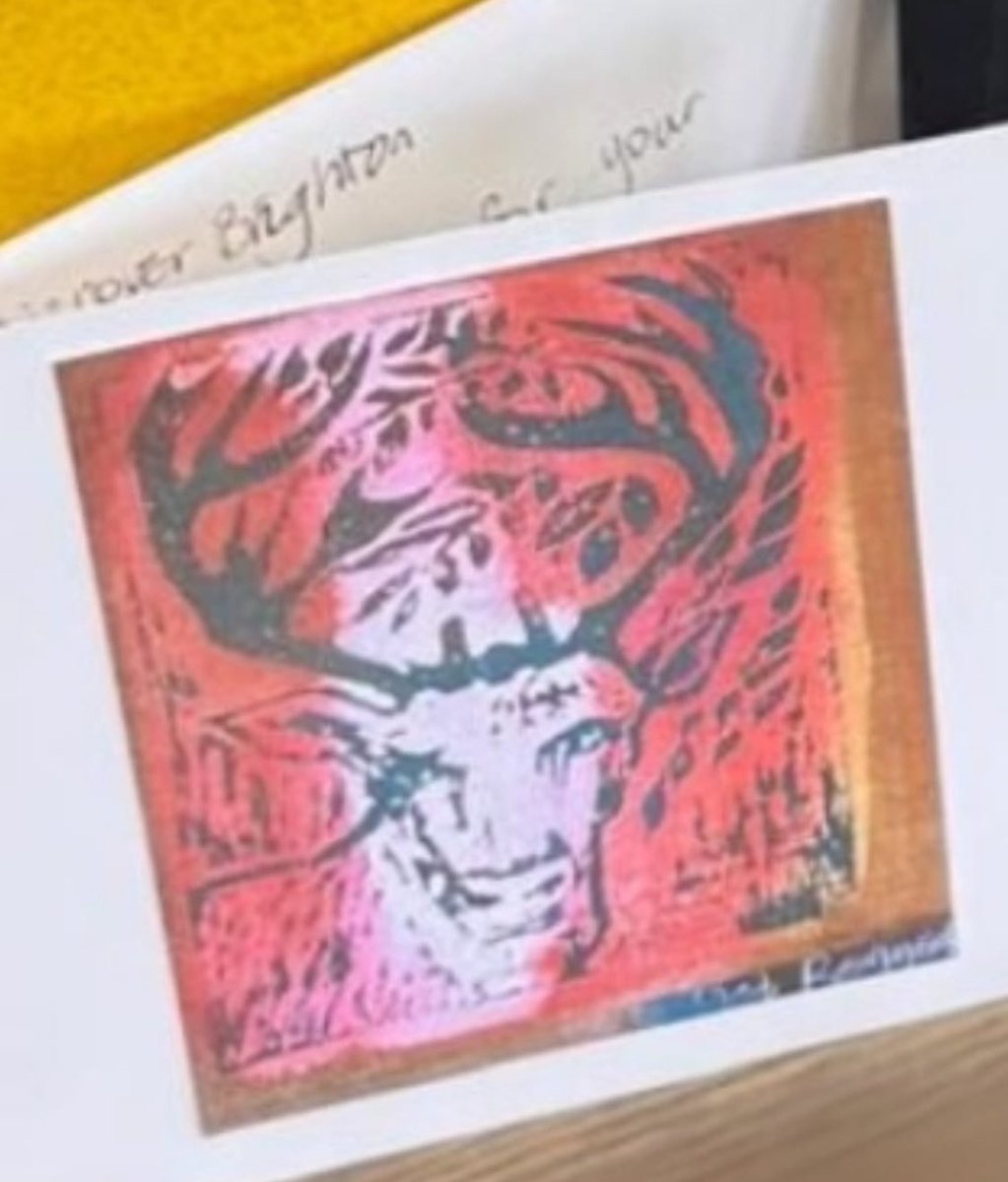
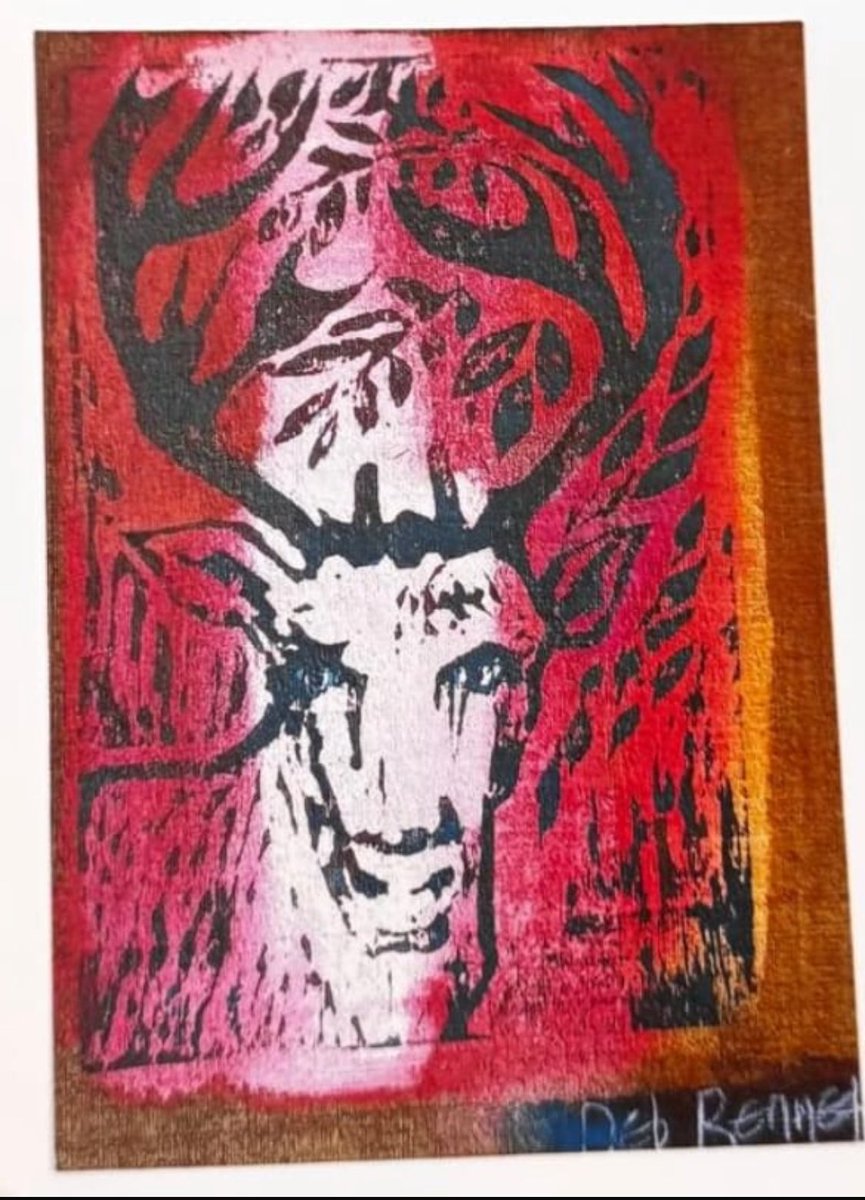
Wow how lucky are we to receive this awesome painting and card from the very talented Brighton based artist Debbie Bennett, looking absolutely fabulous in our office. You can check out her other works to purchase at https://t.co/eEmhtWkxPD and check her instagram at https://t.co/kQyws2qfO7
And thank you to Eiffion from https://t.co/kNPLkq1Q3l @collectibulldog for helping and supporting her. You guys rock 💕
#Brightonartists
#Debbennettart
#Collectibulldog
#Discoverbrightonmagazine
The March edition of Discover Brighton Magazine is now available at 100’s of locations across Brighton and beyond.
What an incredible edition it is this month ! We have one of the best interviews ever with Skin from Skunk Anasie @skinskinny who are performing at the Brighton Dome @brightdome on Tuesday 15th April, which is now completely Sold Out!! But don’t panic you can read her interview in the magazine or check it out here at https://t.co/MUn6P6O1z0 plus so much more !! 💕
The March edition of Discover Brighton Magazine is now available at 100’s of locations across Brighton and beyond.
What an incredible edition it is this month ! We have one of the best interviews ever with Skin from Skunk Anasie @skinskinny who are performing at the Brighton Dome @brightdome on Tuesday 15th April, which is now completely Sold Out!! But don’t panic you can read her interview in the magazine or check it out here at https://t.co/MUn6P6O1z0 plus so much more !! 💕
What are your plans for tonight?
Friday nights in Nigeria are vibrant, filled with a range of activities that blend cultural, social, and entertainment elements:
Cultural and Social Gatherings:
Family Time: Many Nigerians use Friday nights to spend time with family, often involving a large meal, watching TV, or engaging in family games and discussions. It's common for extended family members to gather, especially in rural areas or during holidays.
Social Events: With the workweek ending, Friday night is when social clubs, community groups, or friends meet up. This could range from casual hangouts to organized events like dance parties, cultural festivals, or community dinners.
Entertainment and Nightlife:
Night Clubs and Bars: Cities like Lagos, Abuja, and Port Harcourt are known for their lively nightlife. Clubs, lounges, and bars are packed on Friday nights, playing a mix of Afrobeats, hip-hop, and other music genres, hosting live performances, DJ sets, or themed parties.
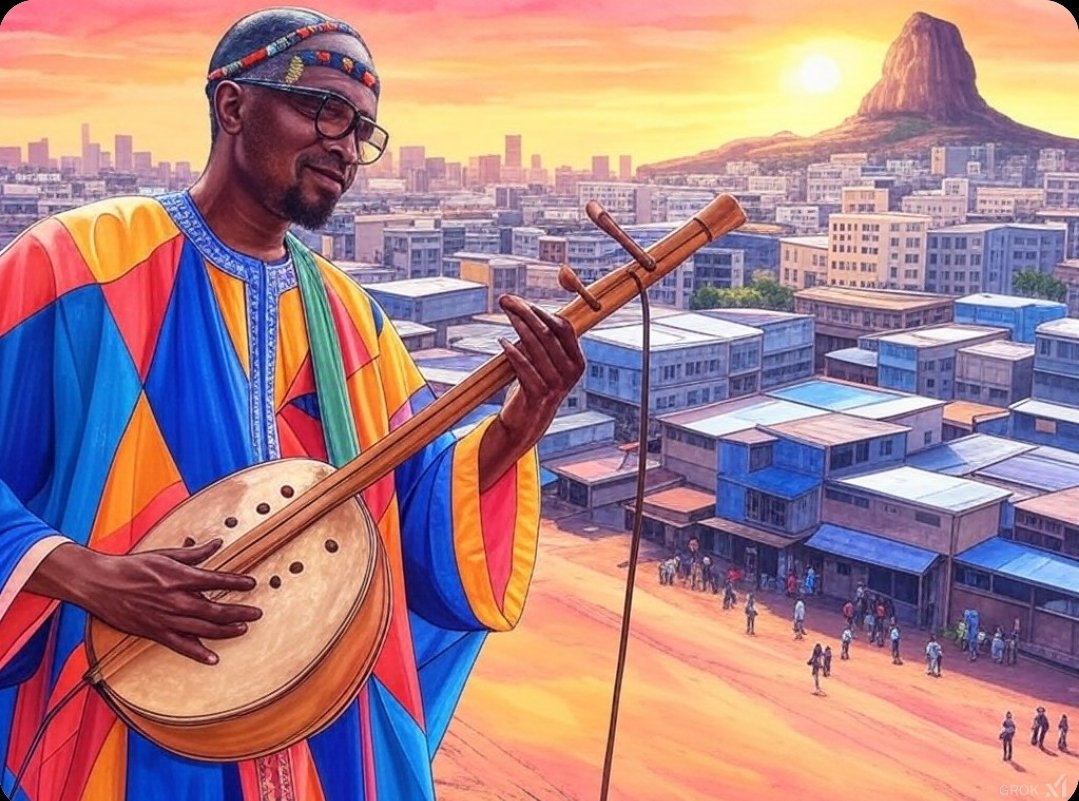
Live Music: Many venues feature live bands or artists, showcasing Nigerian music talents from juju, highlife, to contemporary Afrobeat. Spots like Freedom Park in Lagos or places in Enugu's Independence Layout are popular for such cultural experiences.
Movie Nights: With the rise of cinemas across urban areas, watching movies has become a common Friday night activity. Nollywood screenings, Hollywood blockbusters, or international films draw crowds to multiplexes.
Religious Activities:
Night Prayers: For Muslims, after the Jumu'ah prayer earlier in the day, some might continue with special night prayers or gatherings at mosques, particularly during Ramadan or other significant Islamic events.
Christian Fellowships: Some Christian groups might hold evening services or youth fellowships, providing a spiritual end to the week.
Outdoor Events:
Street Parties: In certain areas, especially during festive seasons, streets might close for impromptu parties or carols by candlelight, where communities come together to celebrate.
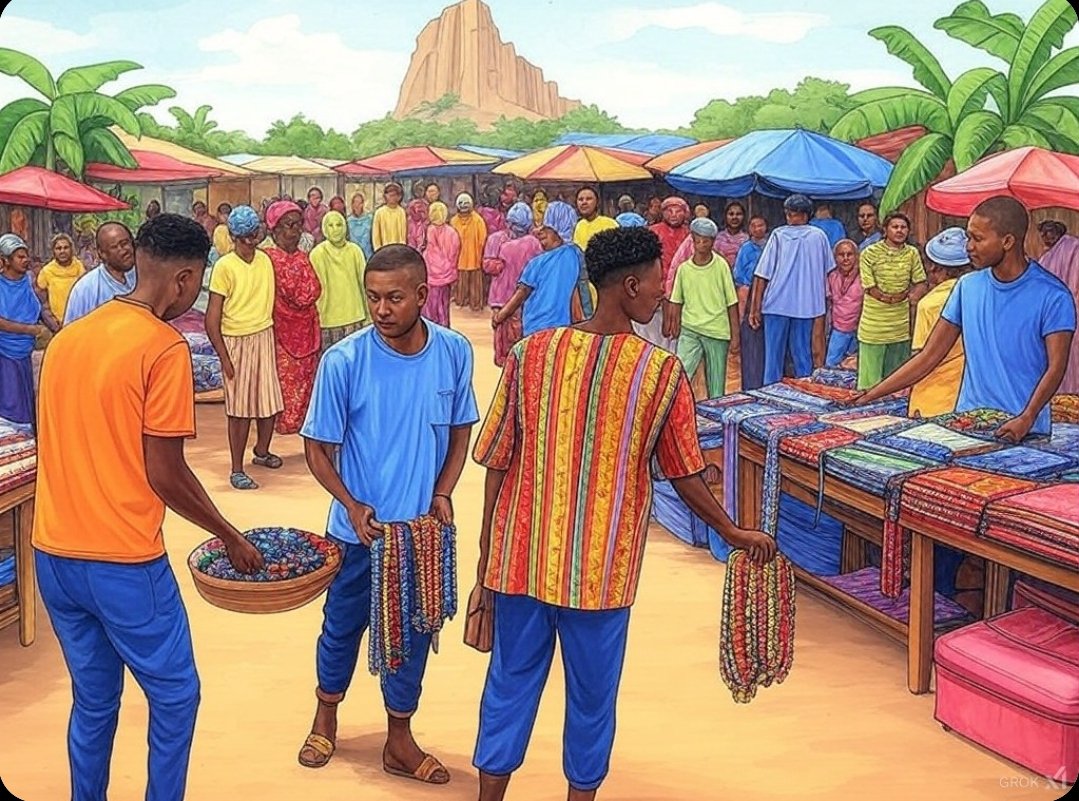
Food and Drink: Food streets or night markets see increased activity, offering local delicacies, street food, and a chance to socialize over food.
Sports and Recreation:
Football Matches: Watching football, whether live or on TV, is a popular pastime. Local viewing centers or bars become gathering spots for fans to watch Premier League or local league matches.
Recreational Activities: Parks or beaches might see more visitors looking for a relaxed end to their week, engaging in activities like bonfires, barbecues, or just enjoying the evening air.
Friday nights in Nigeria thus serve as a bridge from the workweek to the weekend, characterized by a blend of relaxation, festivity, community bonding, and the pursuit of personal enjoyment. The exact nature of these activities can vary greatly depending on the city, cultural background, and personal or community preferences.
Now that BN1 magazine has become the South and London Times, if you are looking to advertise in a Local Brighton Centric Magazine that offers comprehensive online coverage an App to connect with your customers and a fantastic Printed Monthly copy celebrating the best of Brighton please feel free to get in touch at [email protected] or DM us here. 💕
#DiscoverBrighton
#Brighton