Rainwater Creates ‘Naga’s Eye’ at Phu Langka National Park
A natural rock pool resembling a giant eye has emerged as a rainy-season attraction at Naka Cave in Phu Langka National Park, Bueng Kan, the Department of National Parks, Wildlife and Plant Conservation said.
The “Naga’s Eye” is formed when sunlight reflects off rainwater collected in a sandstone pothole created by long-term erosion. The pool is about 1.5–2 metres deep and holds water for most of the year.
The phenomenon is most visible between May and October, when the pool is full and sunlight strikes it at a favourable angle. Water levels fall and leaves accumulate after October, making the reflection less distinct.
Visitors can access the site along the Naka Cave trail but have been asked not to touch, mark or damage the rock formations.
#Thailand #ดวงตาพญานาคา
On June 4, fennec fox mom Beshte and dad PJ became parents to two female kits! The duo was named Nouri and Mastil after players on the Algerian national football team, whose mascot is the fennec fox. The kits made their African Kopje debut and were very busy exploring the habitat along with sibling Molly.
Thank you to @saintlukeskc for their sponsorship of the Zoo’s Wild Beginnings birth announcements!
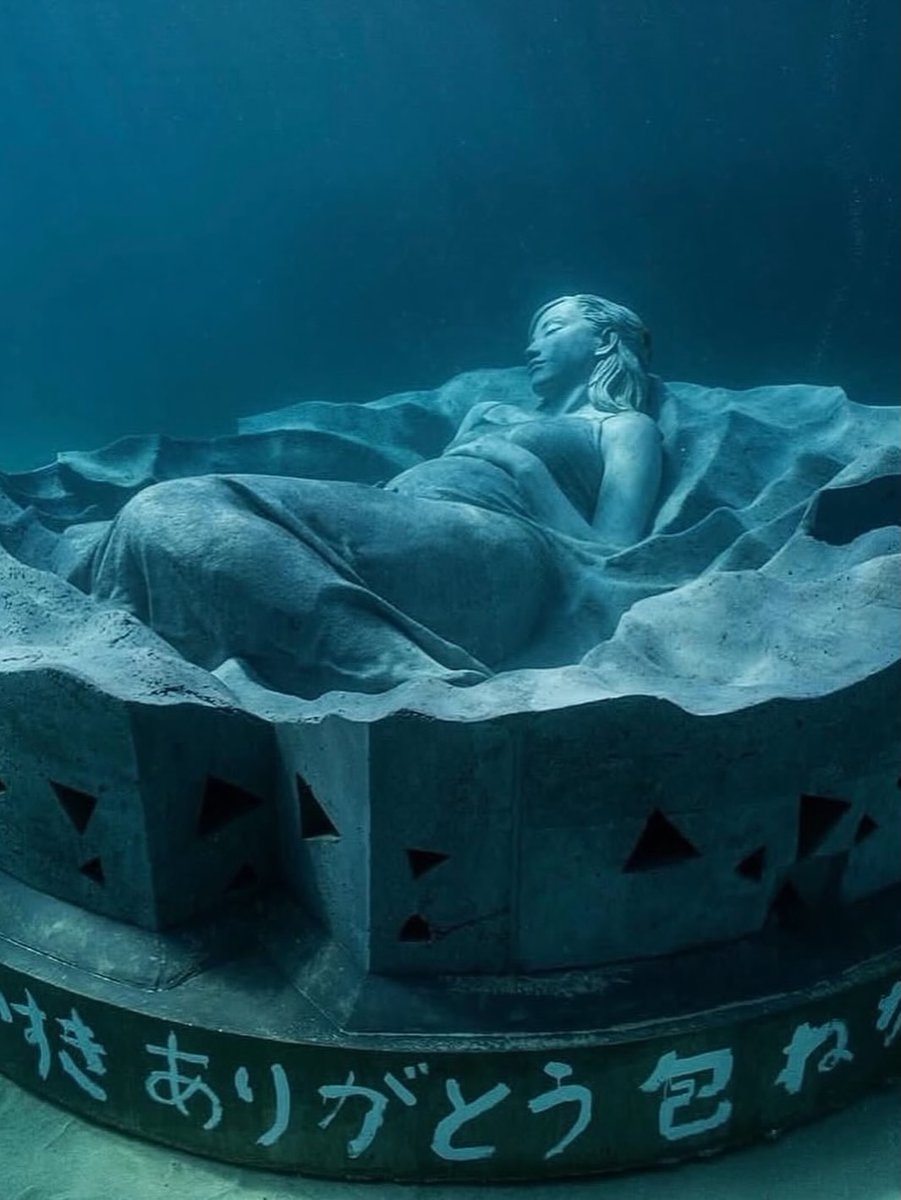
Ocean Gaia is a striking underwater sculpture resting five meters beneath the surface off the coast of Tokunoshima, Japan.
These submerged environmental installations serve a unique dual purpose as both captivating works of public art and thriving artificial reefs. By placing monumental concrete sculptures beneath the sea, artists intentionally merge human creativity with the natural world, creating spaces where art and marine ecosystems coexist.
As the years pass, the ocean gradually transforms each sculpture. Coral, algae, and marine life colonize their surfaces, turning once-static artworks into vibrant underwater habitats that continually evolve, illustrating nature’s remarkable ability to reclaim and redefine human creations.
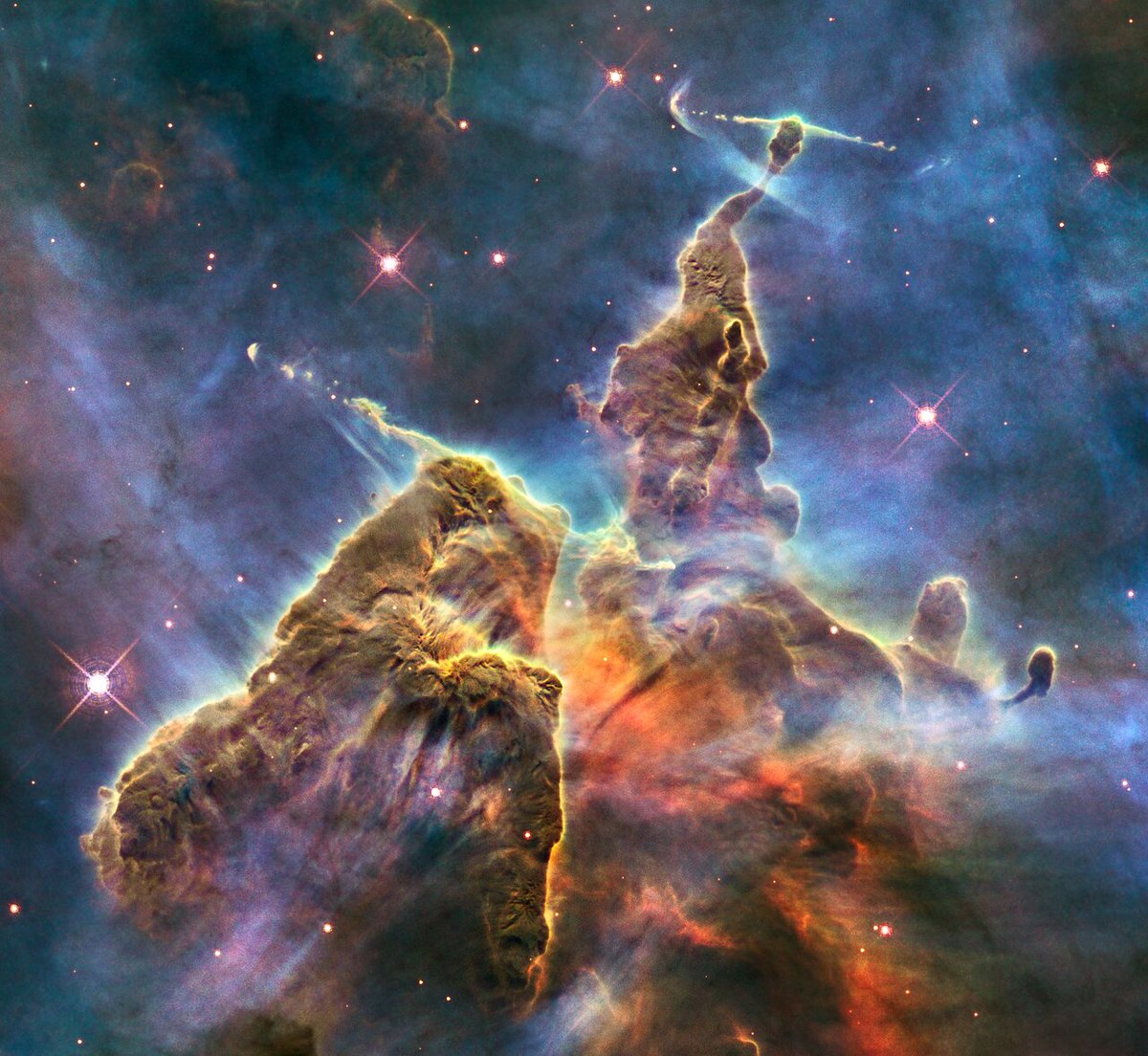
Our #HubbleTopImage features the Carina Nebula!
This image highlights a small portion of the nebula, one of the largest observable regions of starbirth 👶⭐ in our Milky Way galaxy. Here, we see the top of one of a pillar of gas and dust, three light-years tall. 1/2







![Nelleion's tweet photo. Some sleepy Moshang's to rest your weary head too ✨🫂
[ #人渣反派自救系统 #svsss #Moshang ] https://t.co/wTt1vDeJR2](https://pbs.twimg.com/media/F_lEzxwXsAAUV6J.jpg)
![Nelleion's tweet photo. Some sleepy Moshang's to rest your weary head too ✨🫂
[ #人渣反派自救系统 #svsss #Moshang ] https://t.co/wTt1vDeJR2](https://pbs.twimg.com/media/F_lEw42XEAAGWW9.jpg)