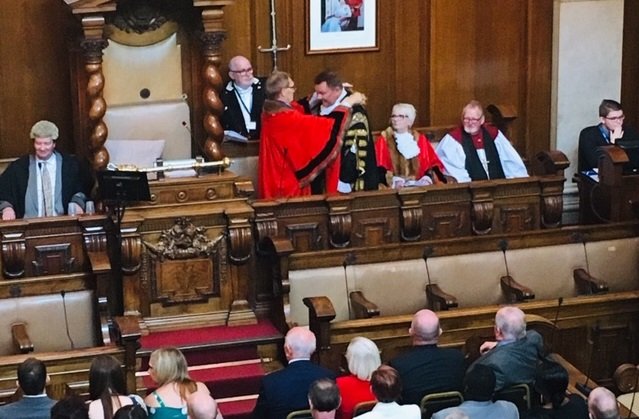
OTD 1331: Kingston upon Hull was granted a royal charter by Edward III, creating the office of mayor.
Richard de la Pole became the town’s first mayor — marking the beginning of Hull’s civic self-government.
695 years on, a key moment in the city’s history.
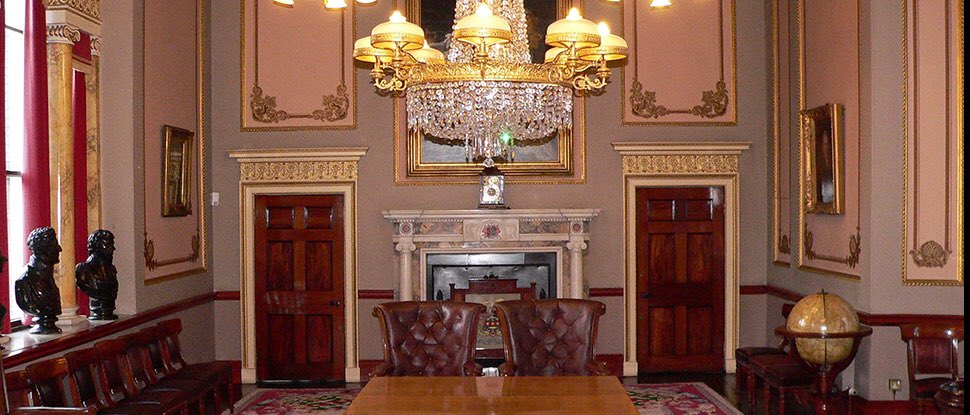
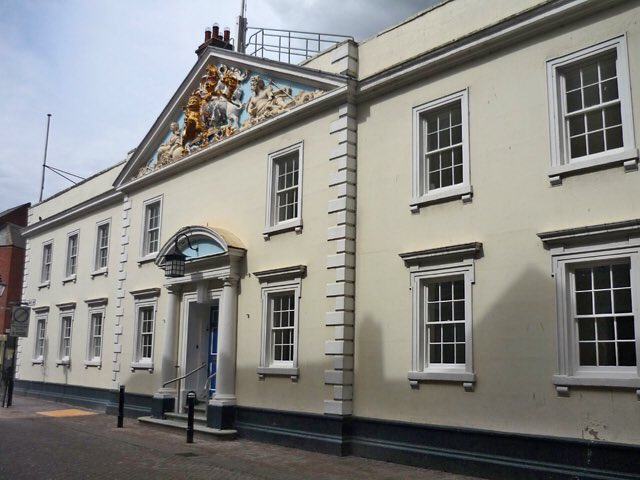
On 23 April 1642, while Sir John Hotham was refusing King Charles I entry into Hull, the Duke of York (later James II), the King’s nephew (Prince Elector of Palatine), the Earl of Newport, Lord Willoughby and Sir Thomas Glenham were all being entertained at the Trinity House.
The war ended in 1918, but for Hull’s fishing community, the "Silver Harvest" remained deadly. Many don’t realize that dozens of Hull steam trawlers were lost after WWI, striking uncleared mines while returning to their trade. A tragic post-script to the Great War.
This afternoon Karl and I were the exclusive guests of the Master Brethren Of Trinity House. We were given a private tour of the building. It’s absolutely fascinating surely the most history rich structure in the city. Each room is absolutely beautiful.
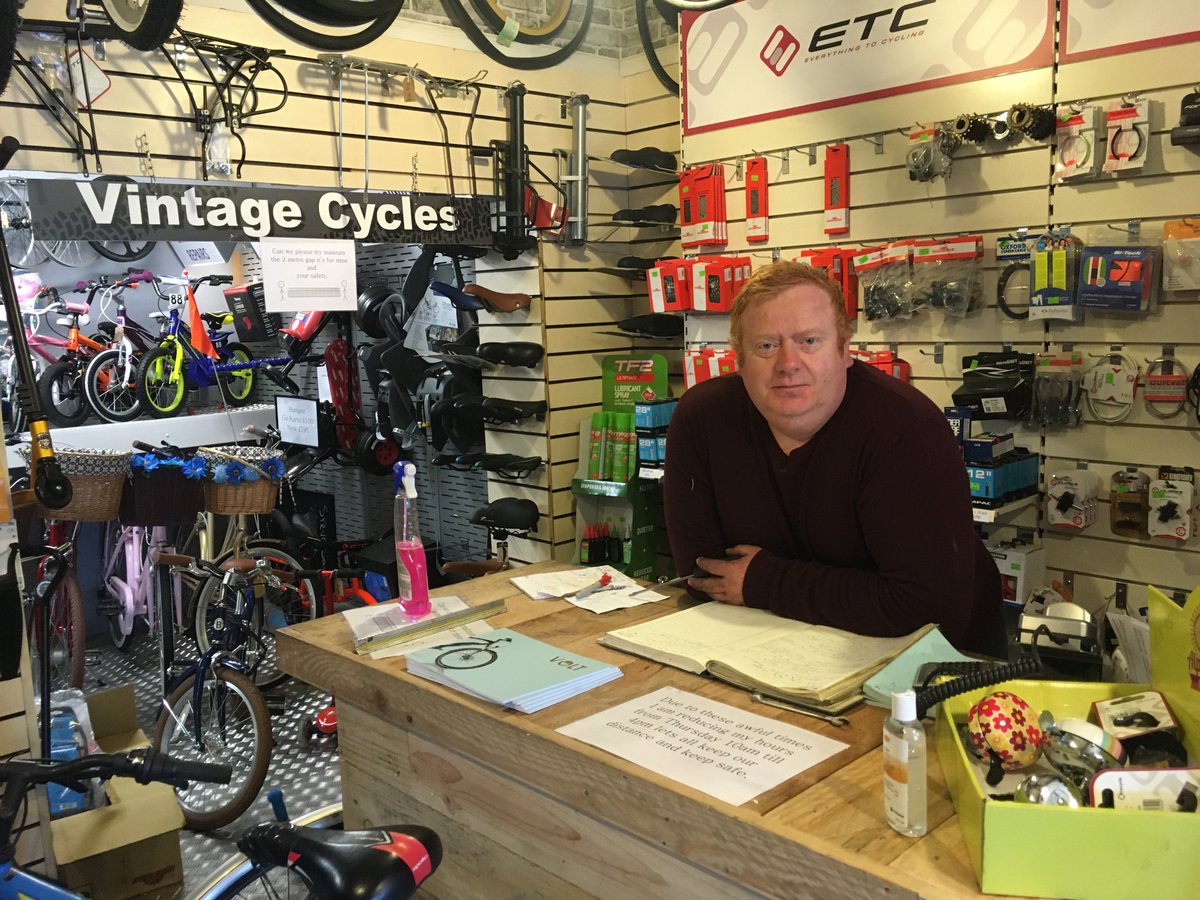
Tonight’s round-up of good people doing good things starts with Steve Pettitt, who owns Steve’s Cycles in Chants Ave. He’s helping keep around 35 home carers who normally rely on him to maintain their bikes for work to stay on the road. Top bloke.
A gold chain presented to the Corporation in 1554 by Sir William Knowles was to be kept and worn by every mayor during his term of office: on Sundays, great holidays, and on all extraordinary occasions; a penalty of £40 was imposed for every such occasion it was not worn
Six years ago tonight we hosted the Lord Mayor’s Valentine’s Day Rainbow Ball, based around The Greatest Showman. An extravagant evening of access the concept of my consort Karl Hudder. We collaborated with so many incredibly talented people. Too many to list here.
The Guildhall holds many treasures. Here is the ceremonial trowel that was used to lay the foundation stone for the Town Hall in 1862.
It was designed by architect Cuthbert Brodrick (also known for Leeds Town Hall) First Floor: Contained the mayor’s reception & private rooms.
A porringer is a type of bowl originally used for porridge. They can be made of wood but this is solid silver and finely decorated. On both handles there is small face. Thomas Hebden was a silversmith in Hull. p, Edward�s widow. Hebden traded there from 1681.
The great Mace which is carried in from of the Lord Mayor on civic occasions and sits in front of the Lord Mayor at council meetings has been used for such occasions since 1776. So it’s the Great Mace’s 250th anniversary this year.
The magnificent Banqueting Hall in the Guildhall, Hull I snapped it as they cleared it to clean the floor. The windows were blasted when a bomb exploded close by in 1941 both the Queen & Winston Churchill have been entertained here. I hosted a reception for the grandson of Gandhi
In 1977 Mick Ronson married Suzie Fussey, the former hairstylist of David Bowie. Suzie told me recently that she used to do Bowie’s mum’s hair at a salon on Beckenham High Street.
This an actual painting of Prince Albert that hangs in the Lord Mayor’s Parlour. On the reverse it states it was painted in Buckingham Palace. Of course he is credited with introducing the tradition of having Christmas trees in the house.
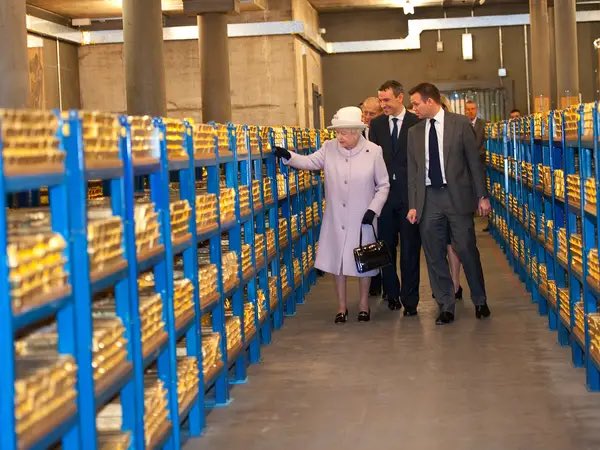
In 1836, the directors of the Bank of England received an anonymous letter in which the author claimed to have direct access to the gold in the bank.
The directors assumed this to be a joke and simply ignored it.
However, sometime later, they received another letter, in which the enigmatic author offered to meet them at an hour of their choosing inside the main gold vault.
The directors were intrigued but considered it impossible for someone to break into the vault without their knowledge.
Nevertheless, they agreed to the meeting and gathered together one evening inside the vault as agreed.
To their great surprise, at the appointed time, a noise was heard beneath the floorboards, and a man popped up underneath their feet.
He was a sewer worker who had been working on repairs close to the Bank of England site at Threadneedle Street.
During his routine inspection, he had discovered an old drain that led directly underneath the gold vault inside the bank itself.
After a quick stock take, they realized that the sewer worker had not taken anything from the vault, despite having multiple opportunities to do so.
As a reward for his honesty, the directors gifted him £800, a sum that equates to £80,000 in today’s money.