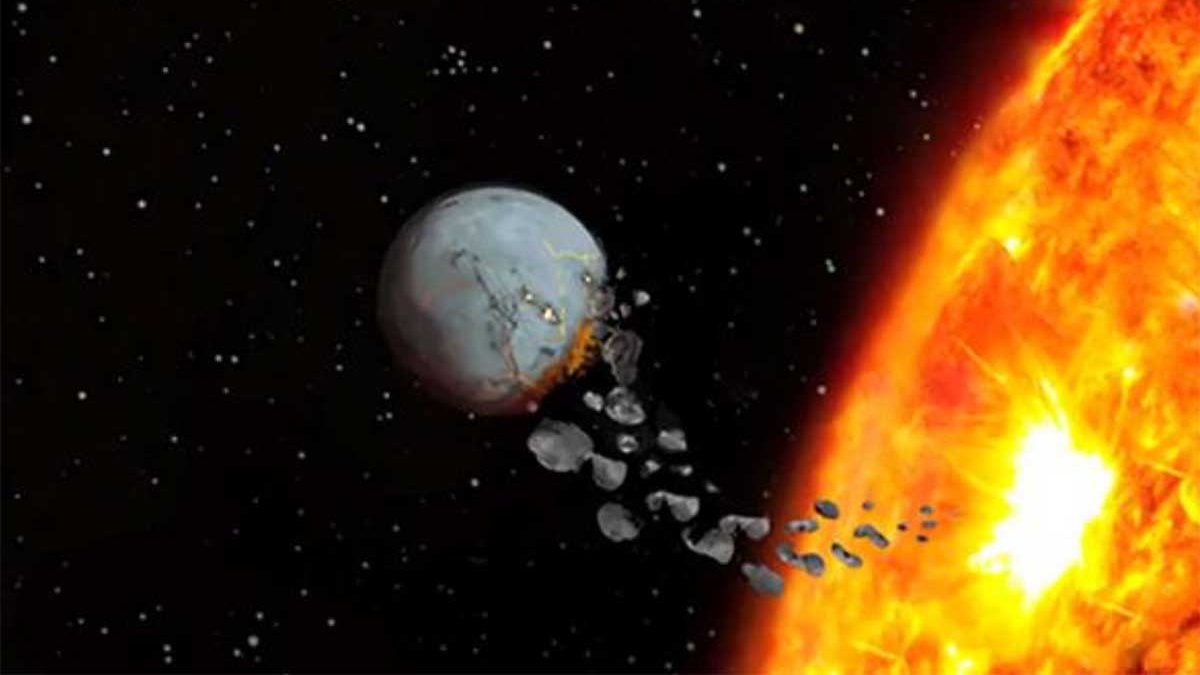
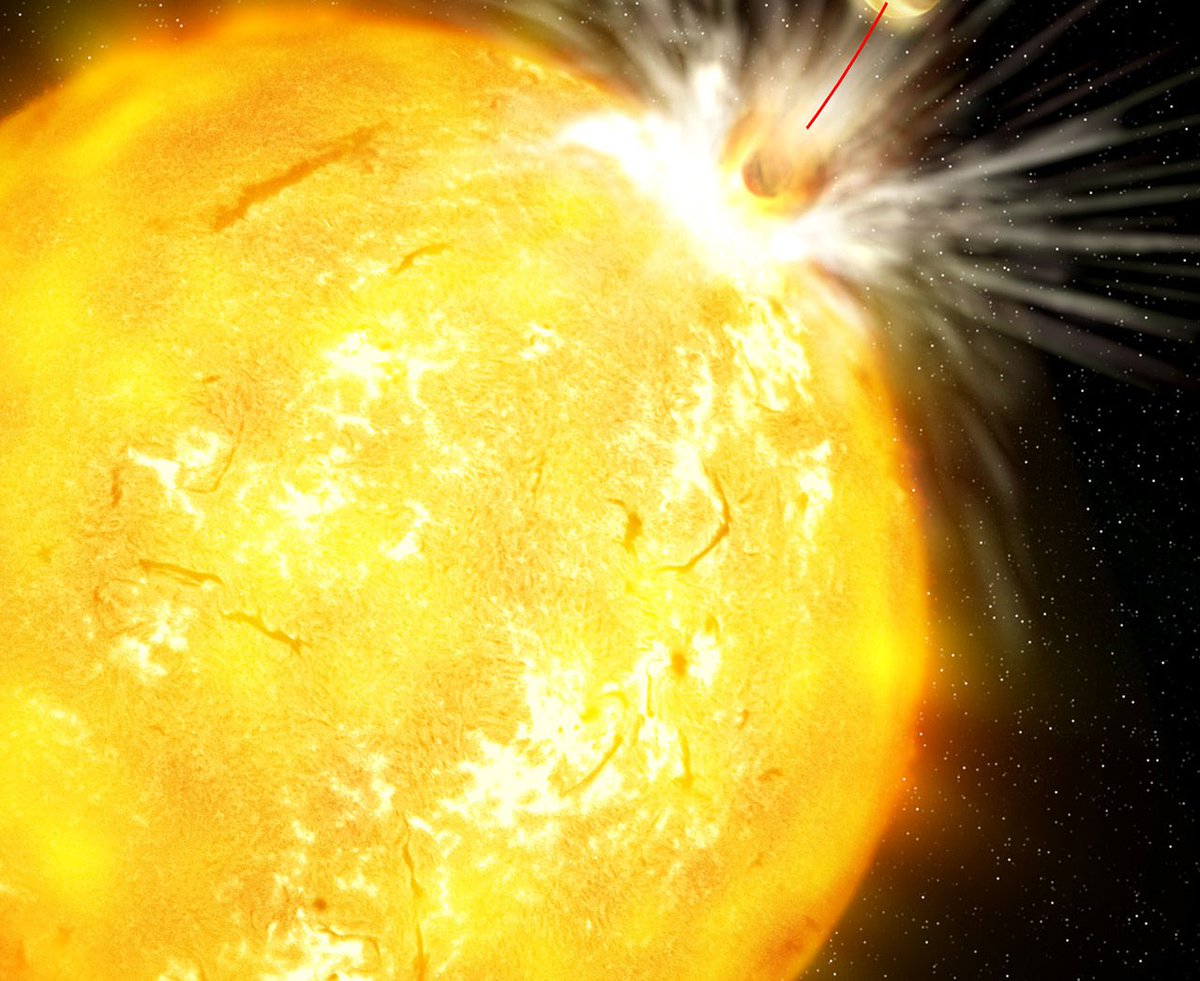
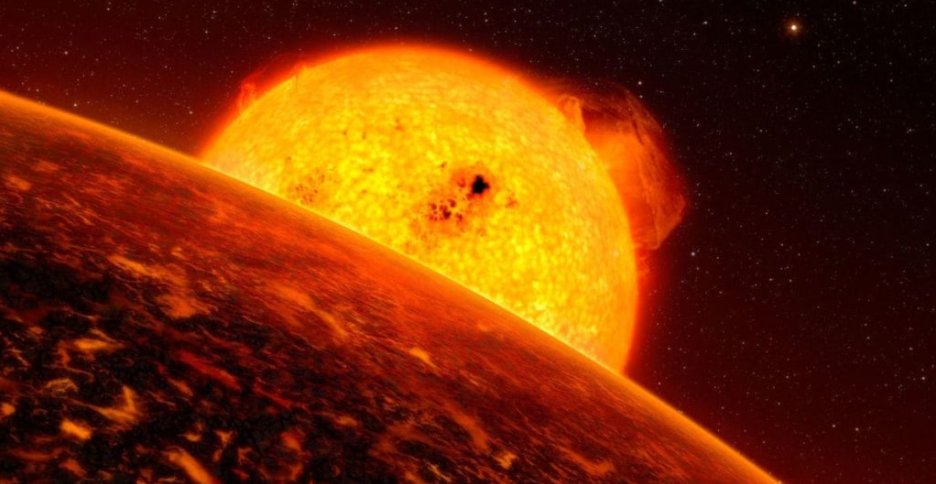
Algumas estrelas do mesmo tipo do sol devoram seus planetas. Descoberta liderada pelo Astrônomo @lorenzospina na Itália e o Prof. @DrJorgeMelendez no IAG-USP. Via @CuriosoNews:
https://t.co/4Wkn1o4Sfs
Look out - it’s the attack of the planet-eating #suns! Enter Lorenzo Spina from Italy’s Astronomical Observatory of Padua and colleagues. They studied the #chemical composition of over 100 pairs of #stars! #astronomy@lorenzospina
https://t.co/ckJ5JjA2wZ
I'll give a review on "Planet Signatures on the Chemical Composition of Stars" at the @ESO workshop 'The Star-Planet Connection'.
Registration until 20/September: https://t.co/nGwof6oQZ9
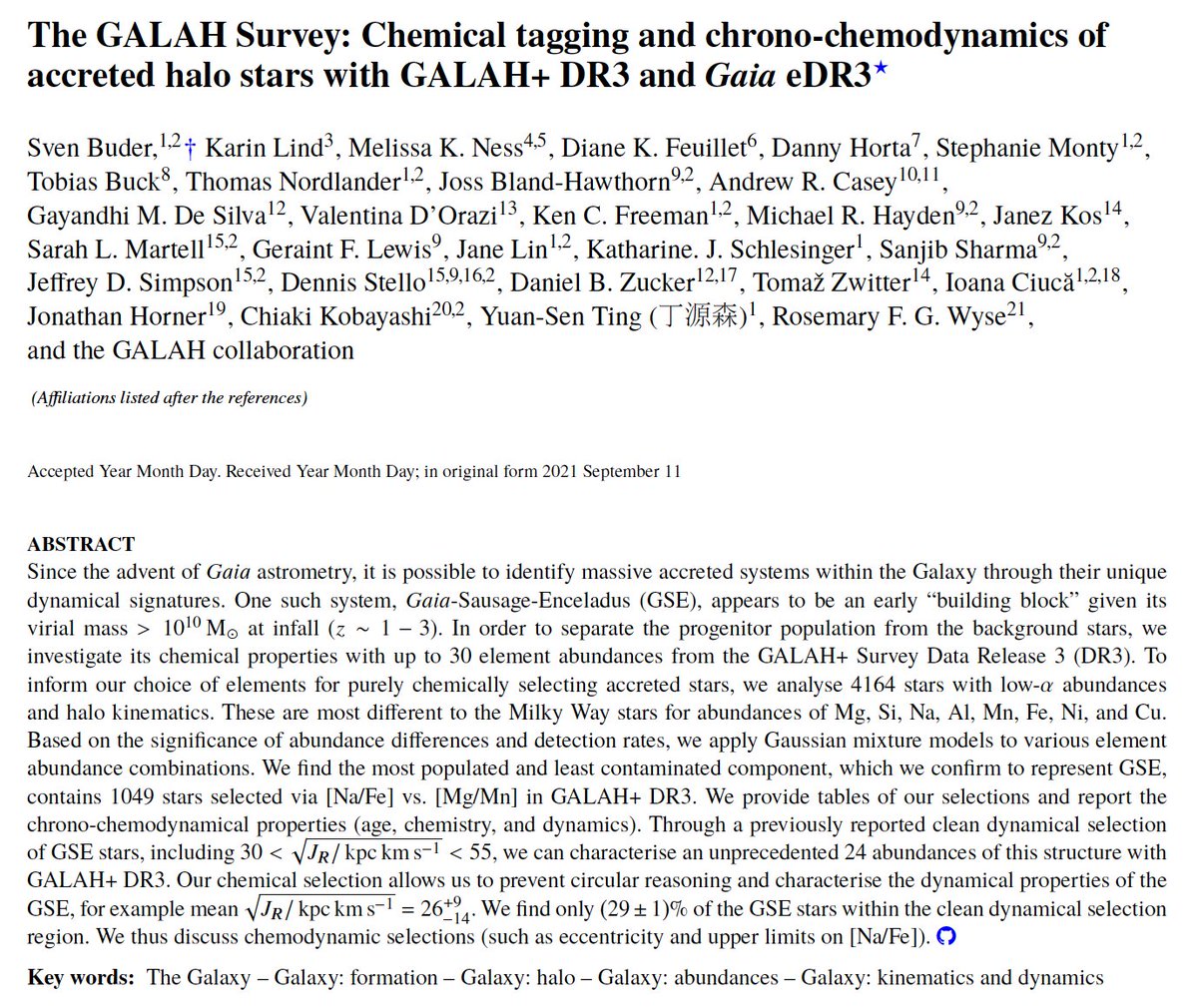
How much did accreted stars contribute to the build-up/shape of the Milky Way? We all found many accreted stars via their distinct orbits thanks to @ESAGaia. In our latest study (https://t.co/NoMrNyrPBT), we identify/“tag” accreted stars via their chemistry with @galahsurvey. 1/5
Who knew that a quarter of Sun-like stars eat their own young? Incredible work by @lorenzospina (formerly @MonashAstro) & colleagues using @ESO#HARPS observations of more than 100 binary stars.
The second paper this week on planet engulfment in widely separated binaries!
This time the 1st author is my former PhD student Jhon Yana Galarza @ramstojh. Look at the huge difference in lithium (1 dex) for twin stars (Δ temperature < 25 K). Paper:
https://t.co/kXFPpYC2nn
Siamo anche su @Agenzia_Ansa !
Scoperte le stelle cannibali, mangiano i loro pianeti - Spazio & Astronomia - https://t.co/sorAuhVu36 https://t.co/HEw5qvf28Q
How are the so-called lithium-rich giants formed?
A new @GaiaESO paper, recently accepted for publication in @AandA_journal, investigates this puzzle that has been bothering astronomers for almost 40 years now.
See the pre-print at @_arXiv_astro_ph:
https://t.co/hp2njJptqr
Yet another reason to be grateful that we live in a fairly calm solar system: some 20 to 35% of Sun-like stars eat their planets.
These acts of "planetary ingestion" could “drive a generational advancement in astrophysics” says a team led by @lorenzospina
https://t.co/IikWB7NwQk
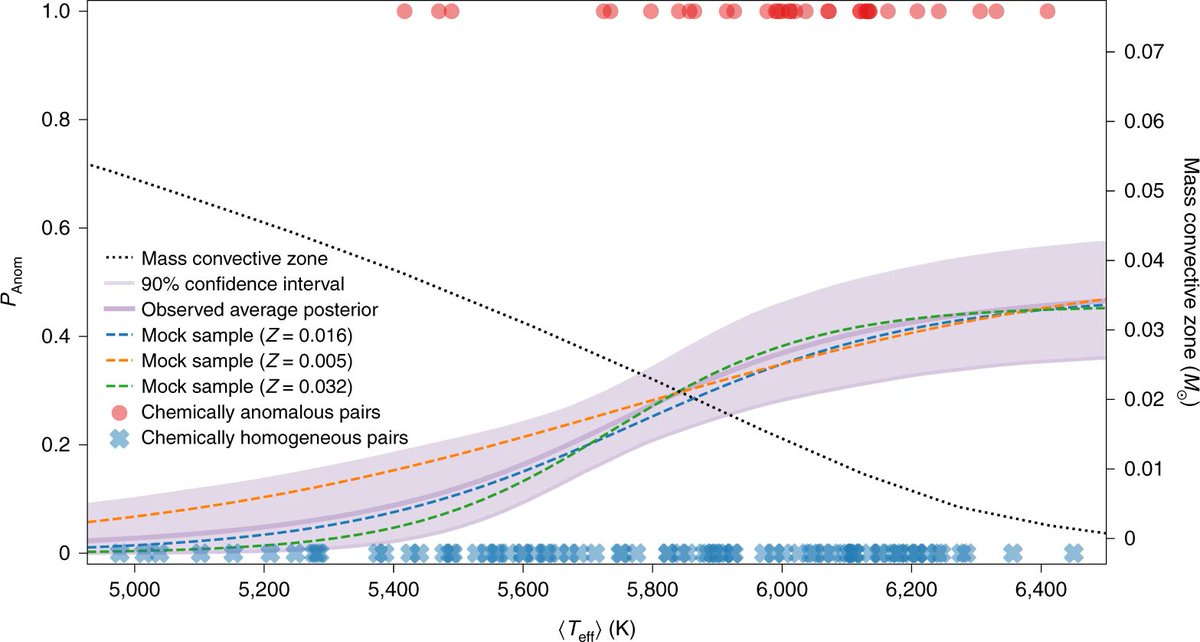
Chemical evidence for planetary ingestion in a quarter of Sun-like stars (@lorenzospina Parth Sharma @DrJorgeMelendez et al.):
Full Nature Astronomy published version (view-only):
https://t.co/088UGgyOK7
Pre-print (submitted version):
https://t.co/yqK0QXisWo
Astrônomos encontram estrelas que devoraram planetas. A pesquisa tem participação do Prof. @DrJorgeMelendez (IAG/USP).
Estudo aponta que pelo menos uma em quatro estrelas semelhantes ao Sol engolem os planetas que as orbitam (via @futuroastronomo):
https://t.co/aNldUnBIKK
A quarter of Sun-like stars in binary systems show evidence of having devoured their planetary progeny, say @lorenzospina et al. https://t.co/W3tNPCRWYq
#BreakingNews
Hoje ao meio-dia será publicada importante pesquisa na revista 'Nature Astronomy' sobre a evolução de sistemas planetários. A pesquisa é liderada pelo Astrônomo Lorenzo Spina (INAF - Padova, Itália) e tem a participação do Prof. @DrJorgeMelendez (IAG-USP)