If we want people to take pride in their work, we need to show them we value their work. If we want people to take initiative, we need to show them we value their contribution.
Awesomeness doesn’t typically happen in a vacuum; it happens in the right culture.
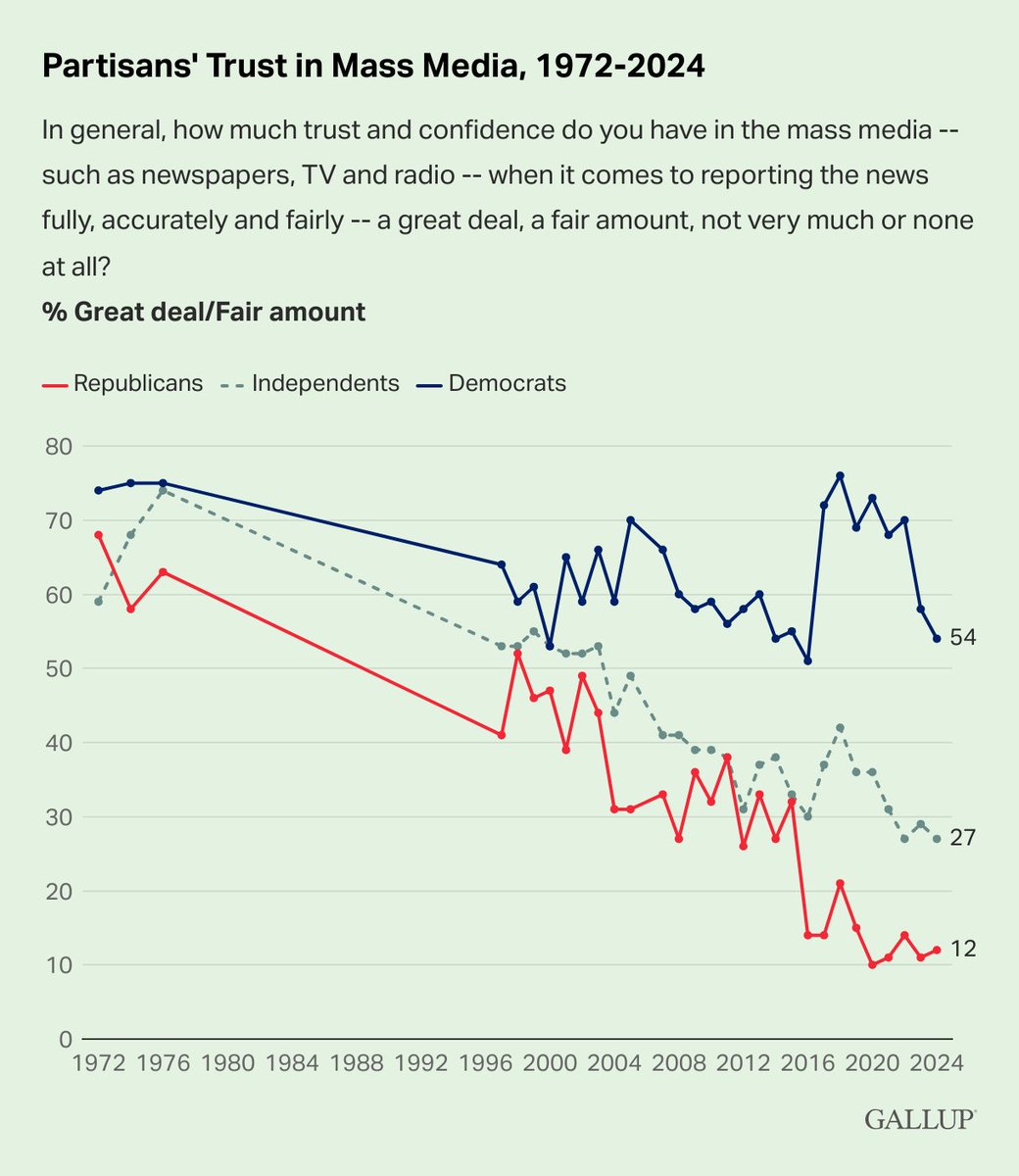
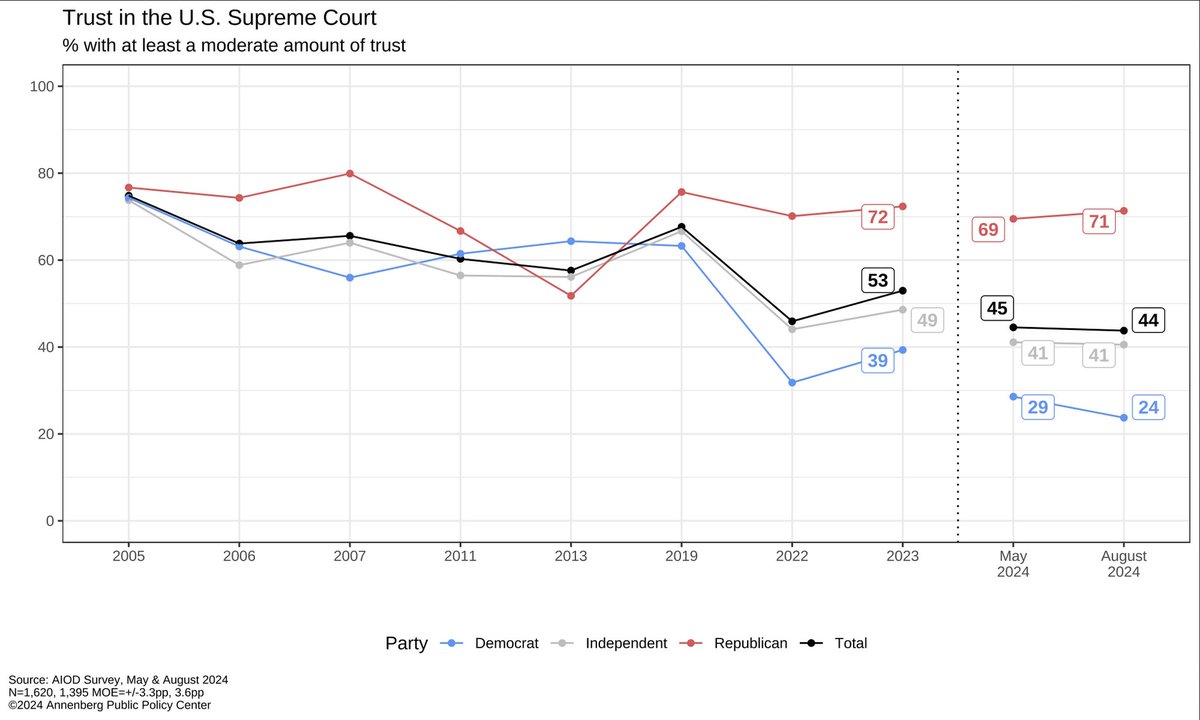
The root cause of our divides is not a lack of information. It’s a lack of trust.
Faith in media, government, and the law has plummeted. People dismiss the message when they doubt the source.
A key to healing America is increasing the neutrality and integrity of institutions.
One of the most important responsibilities of a school principal is fostering a positive and supportive school culture where teachers/ staff feel valued, respected, and empowered. When people feel valued, they are more engaged, motivated, and committed.
Machines have surpassed humans in empathy.
New evidence: AI beat humans in detecting emotions and giving support. As long as people didn't know AI created the messages, they felt more heard.
It's not that AI is so good. It's that we often fail to use our emotional intelligence.
What stops us from speaking truth to power is not a desire for harmony. It’s a climate of fear and futility.
When leaders fail to make it safe and worthwhile to be honest, we bite our tongues.
Weak leaders stifle dissent and leave themselves weaker. Strong leaders welcome dissent and make themselves stronger.
https://t.co/4K01eUCQzY
The purpose of debriefing bad decisions is not to blame and shame. It's to grow and change.
Failure is an invitation to reflection. The most important question is not who's at fault—it's how to improve.
Yesterday's mistakes are lessons to learn today and apply tomorrow.
Refusing to quit is not always heroic resilience. It’s often stubborn rigidity.
Walking away from a losing battle is not a failure of grit. It's a triumph of wisdom.
Service is not only about stepping up to lead. It’s also about having the courage to step aside.
https://t.co/TWL4UbUoqu
If you're new to a leadership role, finding a good mentor is a non negotiable:
1) Guidance and Support: Mentors offer essential guidance, helping new administrators navigate their roles effectively.
2) Knowledge Transfer: Experienced mentors share expertise in effective leadership practices and decision-making.
3) Building Competence: Mentorship develops competence in instructional leadership, school culture, and community engagement.
4) Emotional Support: Mentors provide encouragement, helping new leaders build resilience.
5) Perspective: Mentors offer different viewpoints, helping new administrators consider alternative solutions.