Post Doctoral Scientist in Agroecology. PhD in molecular plant pathology - investigating fungal diseases of food crops. I care about food production and nature.
New study: we found the Fusarium Head Blight fungal mycotoxin "vomitoxin" ☠️ in wheat🌾from every European country studied🌍. For the first time we estimate the economic cost of FHB mycoxins💵🍞, and that the problem may be increasing in southern Europe. https://t.co/G76zm0CAjk
Great to meet other researchers & learn about latest advances in weed science at @EWRS_News symposium. Key themes were the need for sustainable agricultural practices & a better understanding of agroecological systems-so our #OneCropHealth project was right on topic!
I'm attending the European Weed Research Society Symposium 2025 this week #EWRS202520th@EWRS_News 🌱Presenting a poster of my postdoc work at @Rothamsted on the "One Crop Health" project🌾with @uni_copenhagen funded by @novonordiskfond. Hope to meet you & chat agroecology!🧑🌾
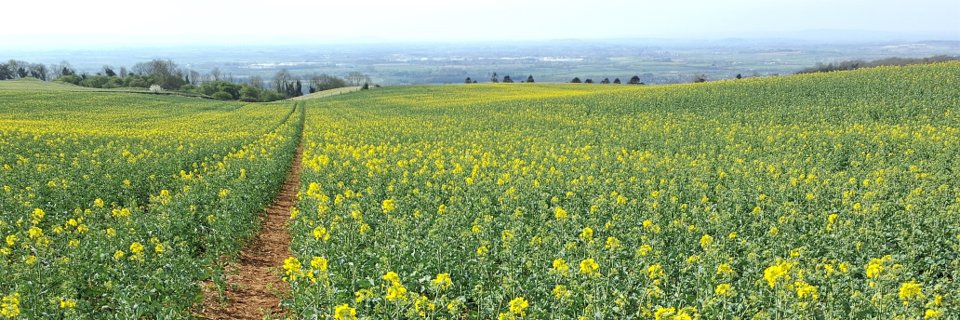
Looking forward to attending the @BSBIbotany England Annual Meeting tomorrow, particularly Jonathan Shanklin's talk on declining arable plants. 🌿🌾🚜 Free to all to attend via Zoom, register here- https://t.co/FiAOuUZqr8
Fungi and food: The fungus used to make Camembert cheeses, Penicillium camemberti, is becoming more difficult to culture (produce fewer spores) due to decades of asexual reproduction and build up of mutations. 🍄🧀New fungal strains need to be discovered! https://t.co/pQGDAACMpV
Last week I finished work at Syngenta Jealott’s Hill after 2yrs as a Senior Scientist in the Fungal Genetics team🍄🧬I advanced my molecular biology skills whilst doing interesting science to protect crops👩🔬I'm grateful to have had such kind & supportive collegues- keep in touch!
Predicting effects of climate change on future wheat yields shouldnt ignore past impacts of new varieties, improved pest and disease control and increased fertilisation!
https://t.co/TwqX4UXKOW
If you're a student trying to decide on a rewarding career path, this book @80000Hours has some great advice💡e.g how to work on the world's most pressing problems. 🌍 Wanting to contribute to food security & protect the environment is what led me to be a crop pathologist! 🌾🍄👩🔬
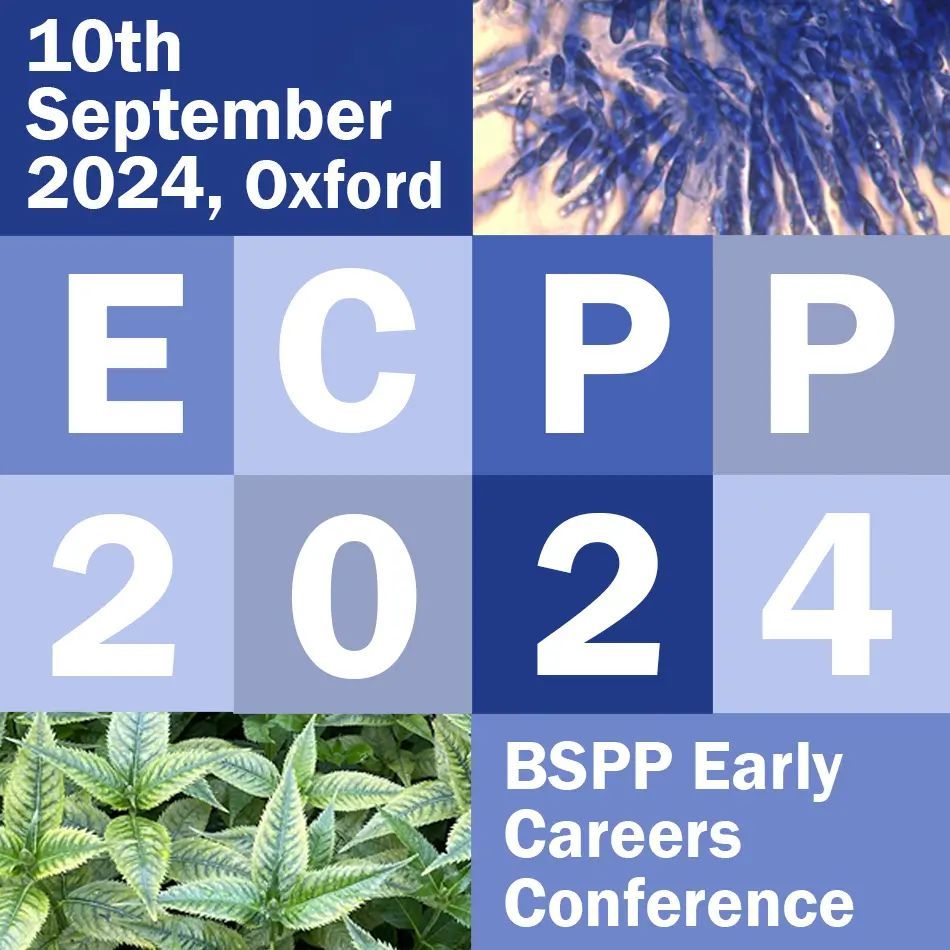
🚨 The wait is almost over! 🚨#ECPP2024 starts tomorrow, with #PPATH2024 kicking off the day after! 🚀 We’re excited to host you all in Oxford—safe travels to those on their way! 🛫🛤️ The programme is available on the BSPP website. Can’t wait to see you all! 🎓📚
Lots of lovely flowers to spot in May! 💮🌿 A white colour pallet today featuring: A) Lily of the valley, B) Greater stitchwort, C) Hawthorn, D) White dead-nettle. Near Bracknell, UK. Which is your favourite? #wildflowerhour#botany
My first time seeing Great Crested Newts!🐸Took part in annual newt survey with @WarfieldEnvGrp. GCNs are a protected species so you need a licence to trap. Monitoring is important to protect them & their habitat (pic shows female GCN in centre, & 2 male smooth newts).
Writing in yesterday's @ConversationUK, Neil Brown & @LouBiologist raise the alarm on fungal infections in wheat - a growing problem in Europe. Mycotoxins pose a threat to human & livestock health and the economy https://t.co/3TCw27dAg9 @LifeScienceBath
Video summary of our new study finding that fungal toxins (DON from Fusarium Head Blight) are surprisingly common in European wheat 🍄🌾🍞🌍https://t.co/rGBFZ23PWq
New study: we found the Fusarium Head Blight fungal mycotoxin "vomitoxin" ☠️ in wheat🌾from every European country studied🌍. For the first time we estimate the economic cost of FHB mycoxins💵🍞, and that the problem may be increasing in southern Europe. https://t.co/G76zm0CAjk
We discuss our new study in "The Conversation": Fungal toxins are widespread in European wheat – threatening human health and the economy https://t.co/lyZBBhjLuV via @ConversationUK
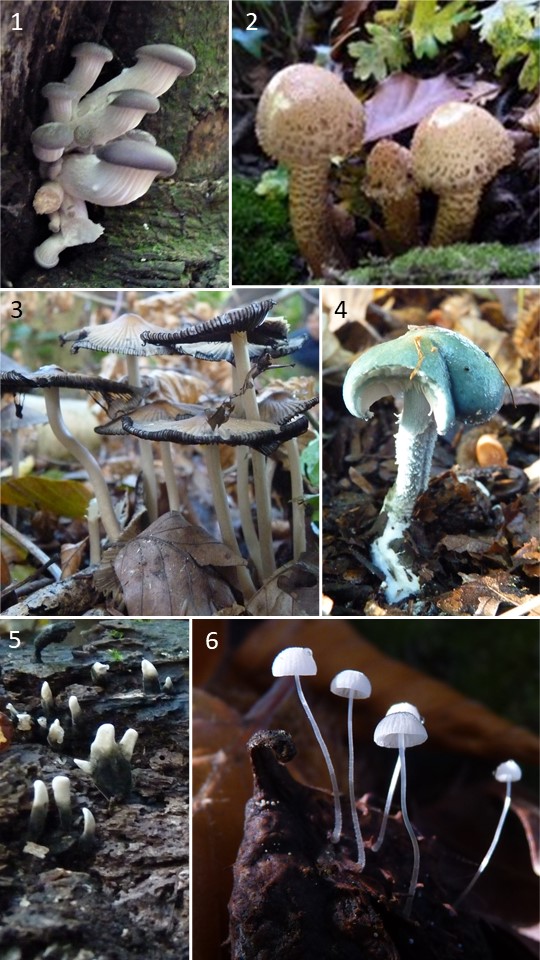
@danryan_nature Thank you so much @danryan_nature ! 🙂 Perhaps Pholiota squarrosa for 2, then? Hmm, you're right about the mycena (no.6), and now I also see stipe is white not grey like M.stylobates. My foray into learning fungi ID continues!
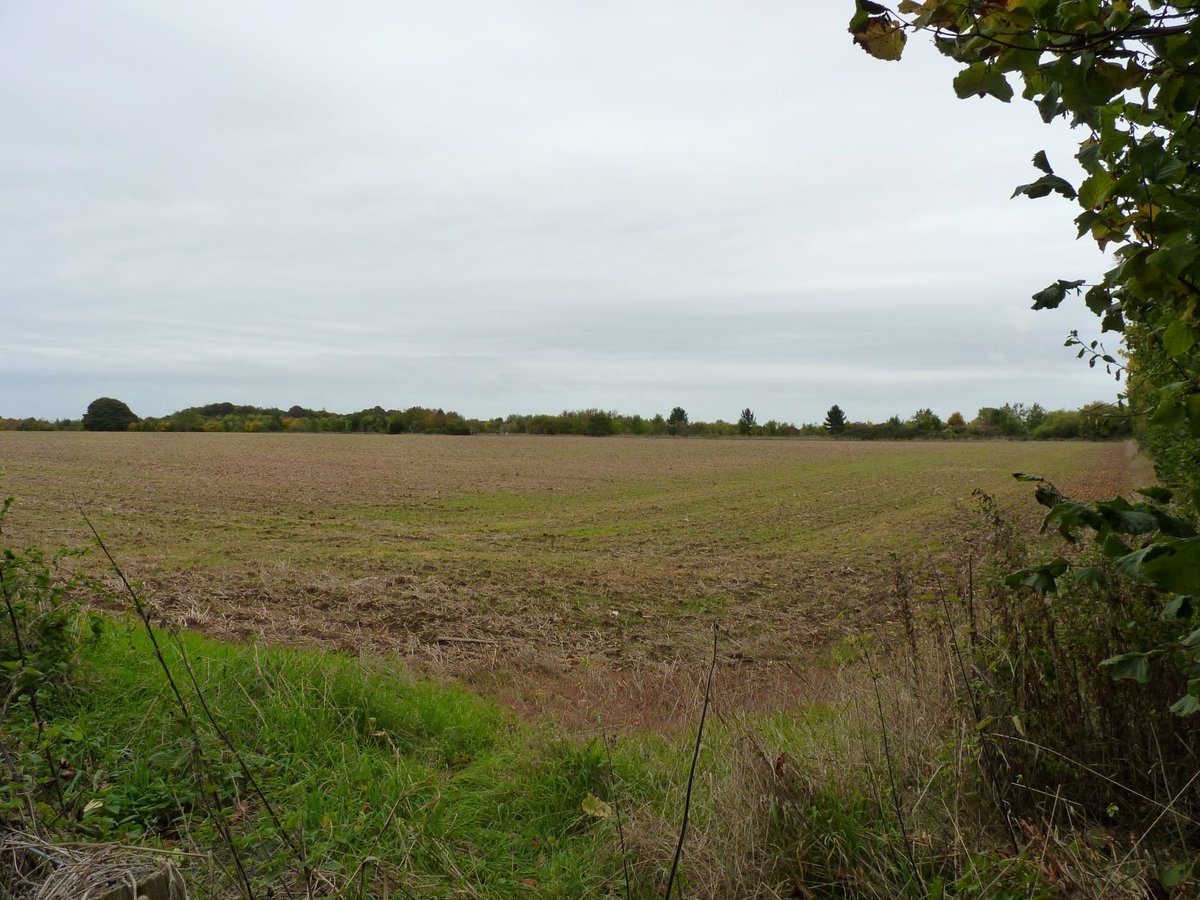
Productive agricultural land & natural areas beloved by Bath locals to be tarmacked over for houses and roads. Similar across the UK. How is this allowed when we are facing crises for food, nature & mental health? Join your local campaign group (eg @BathSouth) to protest.