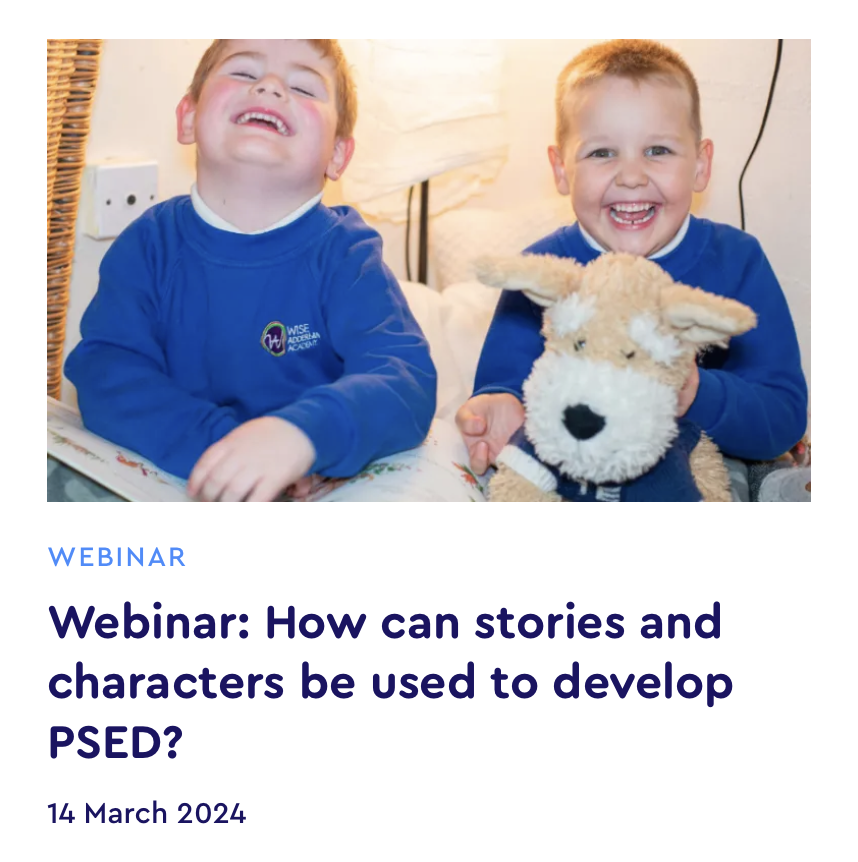
Using research evidence to embrace & lead changes in Early Years Education. Content Specialist @EducEndowFoundn
Teacher, trainer and author.
All views my own.
The love you show your children not only sets them up for a lifetime of success, but a lifetime of positive mental and physical health.
But first, can we talk for a moment about this little one, shown here on the week of his third birthday, who is waiting patiently - but with eager anticipation - for the best part of his day: the moment his family will be reunited as a unit when his father comes home from work.
Watch this video and you’ll see that the tremendous affection he has for his parents is matched only by the affection they have for him.
I’ve written extensively here about attachment - the deep and trusting bond ideally developed between parents and children during the earliest period of life.
This attachment undergirds our positive mental health for a lifetime.
But did you know that a growing body of research also links parental affection to our adult physical health, reducing the body’s allostatic load (a measure of health risks - including blood pressure, heart rate, stress hormones, cholesterol, waist circumference, inflammation and blood-sugar regulation - associated with negative cardiac health events.)
It’s funny: While early childhood lasts only a short period of time when considered against the lifespan, its effects last a lifetime.
You’ll never regret the time you dedicate to showing affection to your little ones.
This fantastic video was shared to TT by moriahnastasi.
“Research evidence shows that educators can implement approaches which support children’s developing self-regulation and executive function.”
The EEF's @LGrocott_EY introduces a resource to help to support children’s self-regulation skills.
👉https://t.co/b8BrGR186E
1/2
What do we mean by research evidence? How do we review this critically as part of a staged implementation process?
Watch this brief explainer video to find out more. 📽️
Today this #WorldParkinsonsDay happy to stand with @ParkinsonsUK and the 153,000 with it in the UK including @ruskin147 to pressure government to adopt Parky Charter and commit to more funding for research into this condition
It’s #worldparkinsonsday
The best Parkinson’s drug was discovered in 1967.. Harold Wilson was PM, man hadn’t landed on the moon.. We can do better!
#Parkinsons could eventually rob me of the ability to walk, talk & smile !
It makes me appreciate everyday x
@ParkinsonsUK
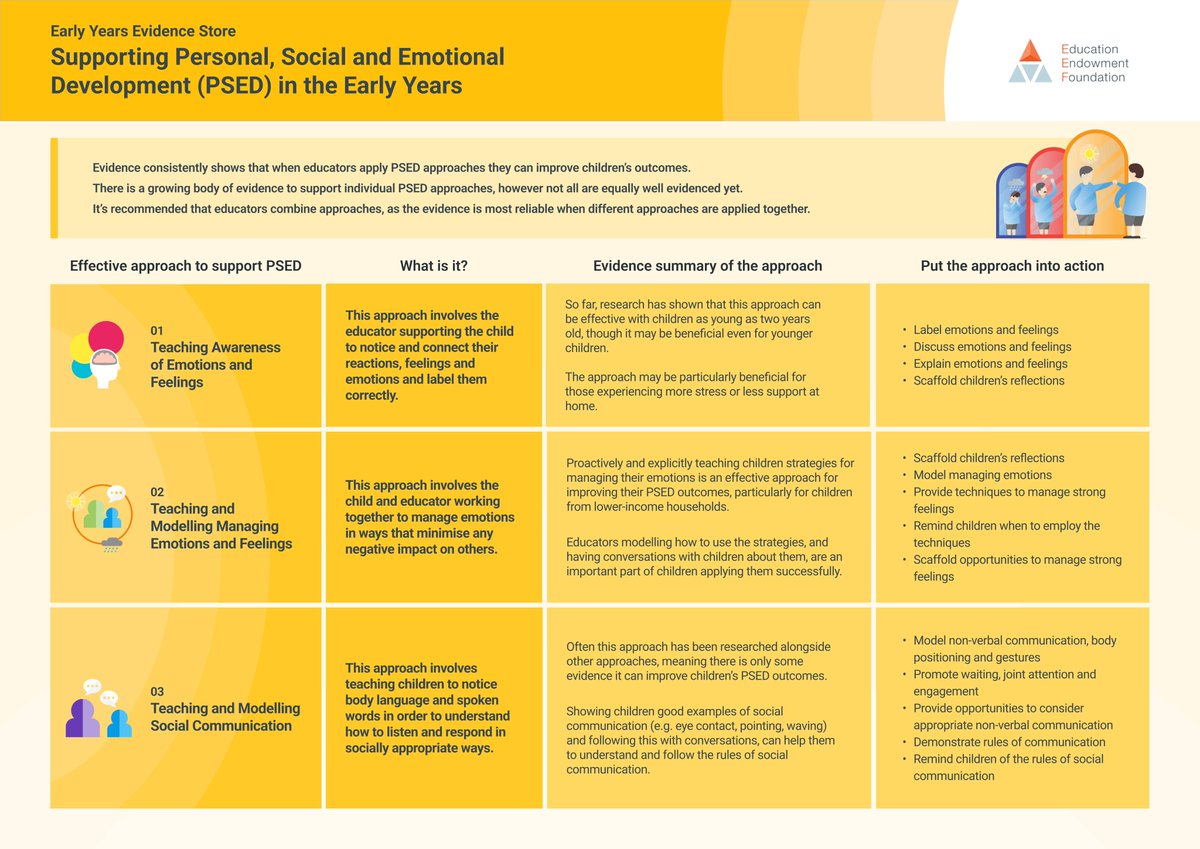
In a new blog, @EducEndowFoundn presents a helpful summary of the evidence for Supporting Personal, Social & Emotional Development in the early years.
👉 https://t.co/Eaiq7JI3FG
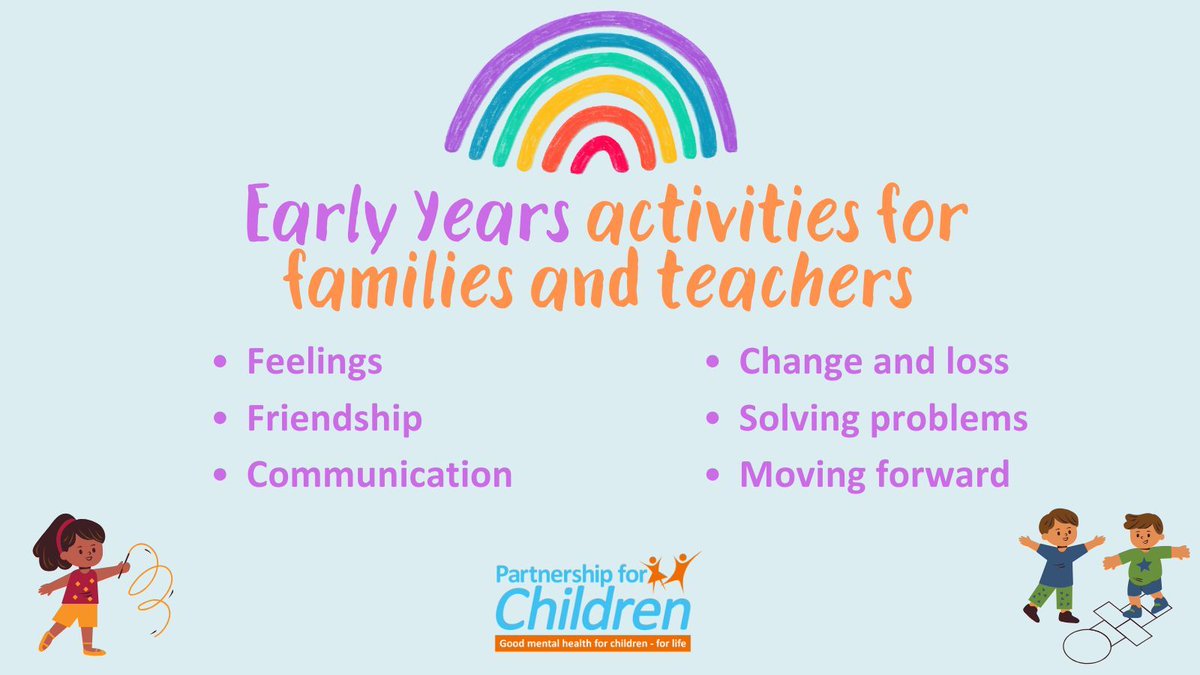
Download our social & emotional development activities for early years
👉https://t.co/vgrR7pfXkL
The EEF has published a new downloadable resource to support personal, social and emotional development in the early years.
This summary provides a useful overview of the 5 approaches from the PSED theme for educators.
https://t.co/MOpbBZrlUA
💡 What do we know about supporting personal, social and emotional development (PSED) in the early years?
@LGrocott_EY, our early years specialist, introduces a new resource that illustrates what research evidence tells us.
Read more: https://t.co/NRwWzxLLOb
1/2
‘In our efforts to provide the best possible support for the children in our care, it is easy to get lost in the complexity of what self-regulation is and what it is not.’ Reflections from @LGrocott_EY
So excited to see the launch of the new Stronger Practice Hubs website…well done to everyone involved in putting it together 👏 @ncbtweets@EducEndowFoundn
It’s NEVER too soon to begin reading to your baby. ⏰
In fact, doing so while your little one is still in utero will begin familiarizing your soon-to-be newborn with the voices of the adults who will comprise their “circle of trust” after birth.
Once your baby is born, reading together daily will expose them to rich vocabulary, concepts of print, and to establish reading as both important and pleasurable… all key to their early academic success.
I got such a kick out of this little one.
It’s clear not only that her parents read to her regularly, but do so with real enthusiasm and expression.
What a great feeling it must be for them to watch her mimic their tender moments together.
This emergent reader was shared to IG by kidsfam8.
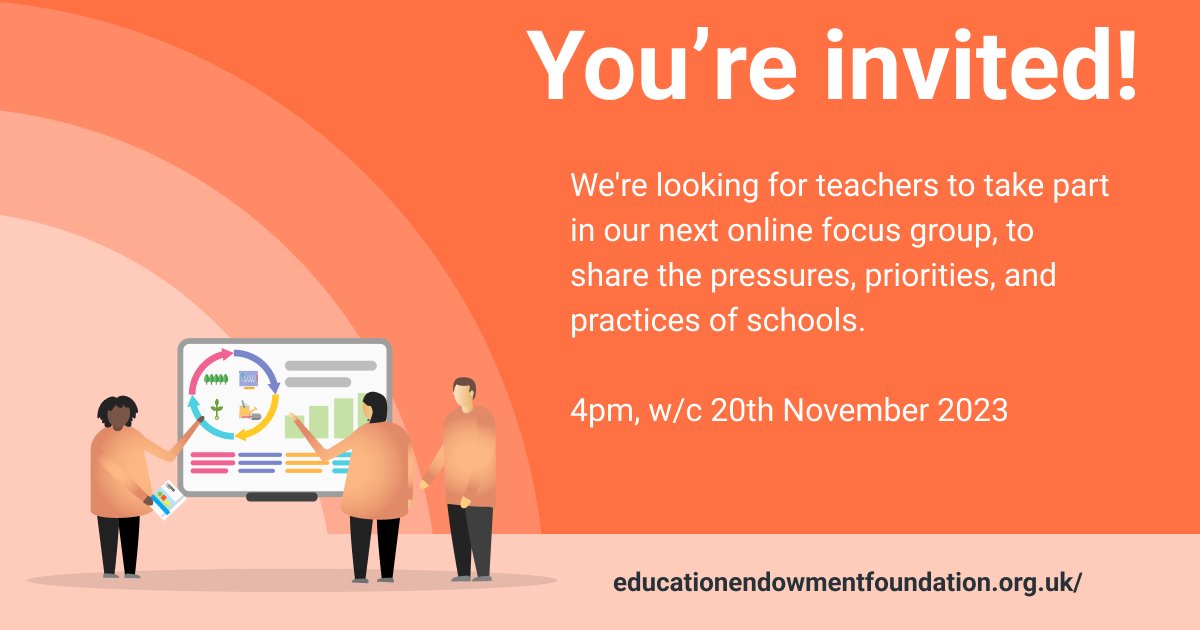
📣 Join our focus group!
We're looking to hear from teachers across the school system to join our termly EEF Reference Group, and discuss the current pressures, priorities, and practices in schools.
Find out more and sign up: [email protected].
🎵 "Early literacy approaches involve children tuning into sounds, talking about sound, making, changing and distinguishing between sounds.”
@loumjackson, early years specialist, explains the power of sound in supporting early literacy.
Read more: https://t.co/Rgvnpn7ck4