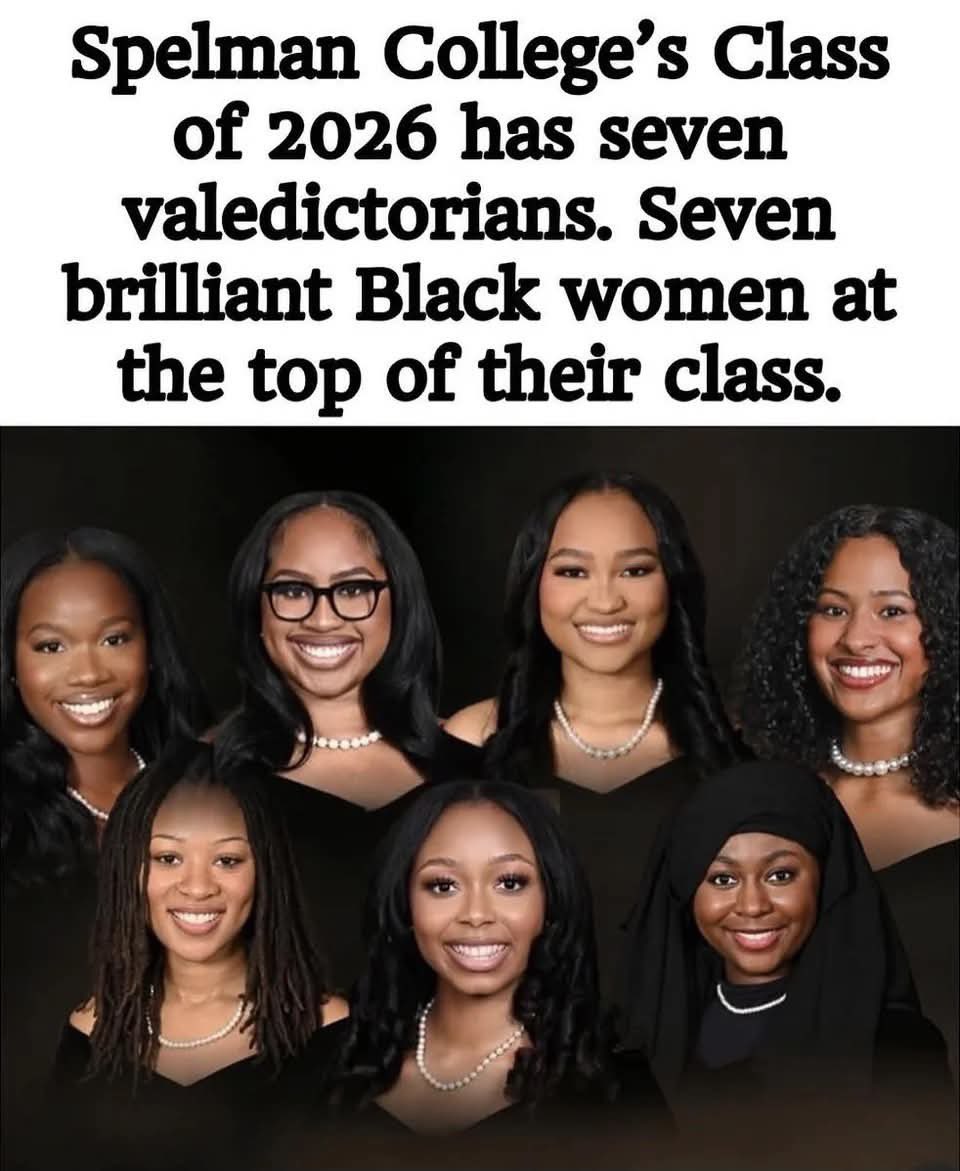
Melissa L. Gilliam is making history as the *first* Black person to be President of Boston University (@bostonu),
which was founded in 1839. She is also the first woman to hold… | https://t.co/12OXbxpMzA
Savannah, Georgia teenager Darrel Bryant made headlines at just 16 years old after preparing to graduate from St. John Academy a —full year ahead of schedule while maintaining a ‘4.0 GPA.’ His teachers described him as a driven student who con… |
https://t.co/t7wPdL8Mov
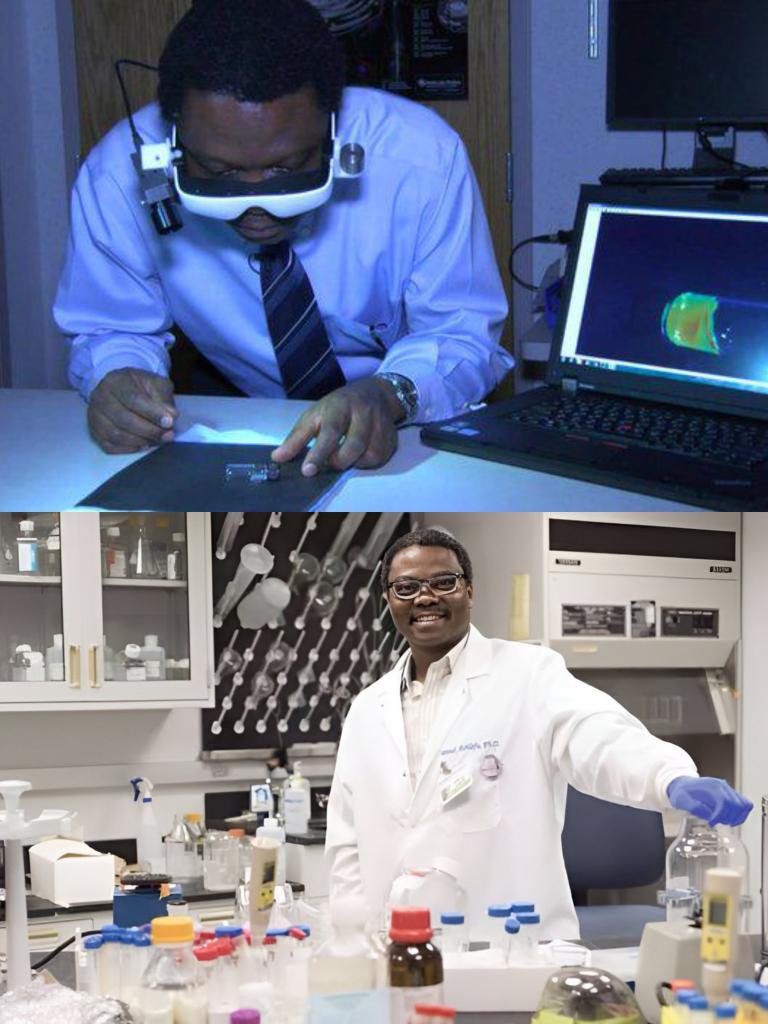
Nigeria's 🇳🇬 Professor Doctor Samuel Achilefu invented infrared goggles that help doctors detect cancer cells during surgery.
The goggles ensure no tumor cells are left behind, glowing blue when cancer is found.
He holds 59 patents in the United States of America.
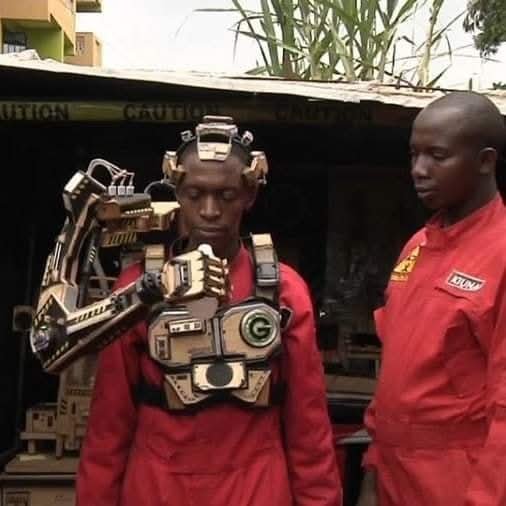
Two Kenyan inventors David Gathu and Moses Kinyua have created a bio-robotic prosthetic arm that is operated by brain signals.🇰🇪🇰🇪🇰🇪🤖🇰🇪🇰🇪🇰🇪🇰🇪🤖
#Kenya#Robot#Africa
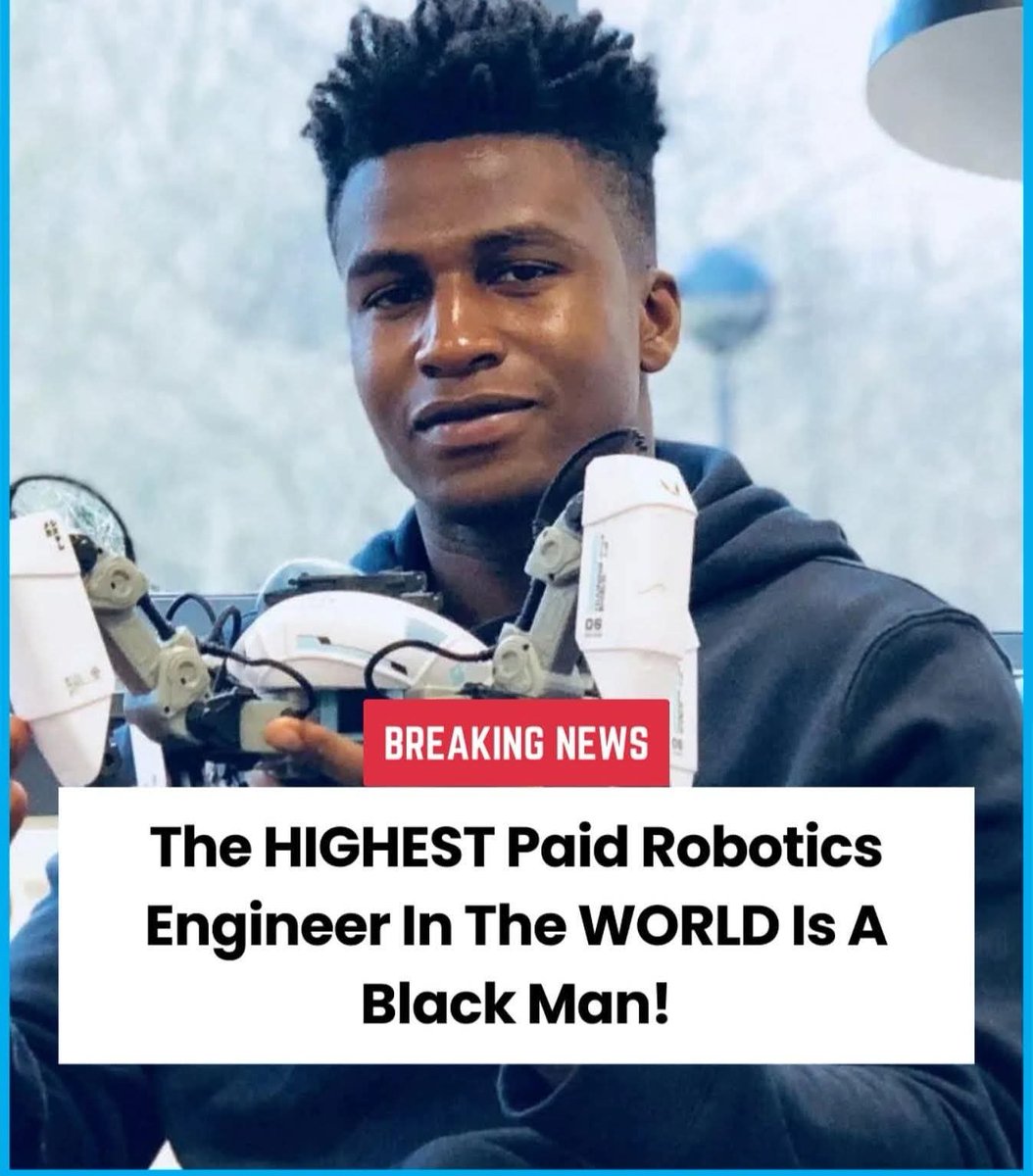
At age 26, Silas Adekunle became the World's Highest Paid Robotics Engineer in 2018. 🇳🇬
He built the world's first intelligent gaming robot, Mekamon at age 24 in 2016. It sold 500 units that same year.
He signed an exclusive deal with Apple in 2017.
He was on the 2018 Forbes Europe 30 Under 30: Technology list.
He holds First Class Honours in Robotics. He also has an honorary degree.
6-year-old South African star Linani Potwana has done it BIG in China!
The young model and dancer was crowned IPA All-Star Champion at the International Professional Certification Association All-Star Contest in Wuhan, competing against talented youngsters from more than 40 countries
She is only SIX! 😳 Her standout performance earned her the championship title and a crown on an international stage.
Incredible doc!
Nigerian surgeon temporarily removes baby from womb at 23 weeks, removes tumor, then puts her back and she was born healthy at 36 weeks.
Hats off please!
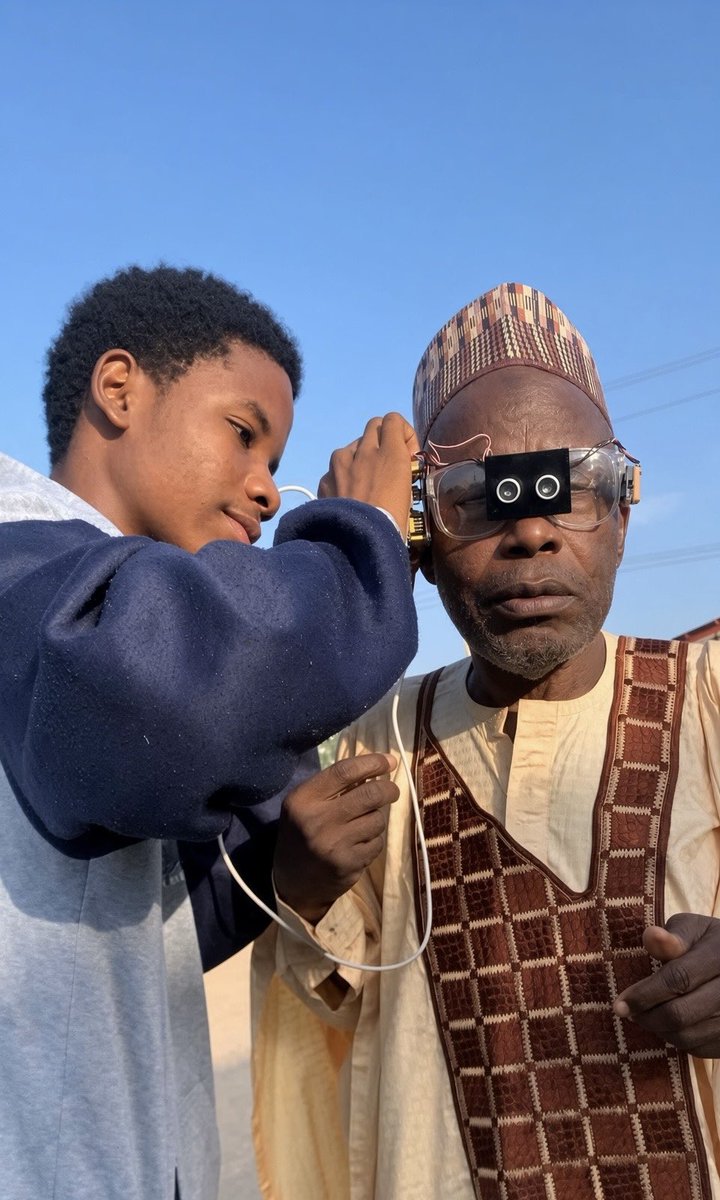
I have launched the actual test of this AI Glass that I built to help blind people and people with visual impairments
I started testing it directly on the face of a person with a visual impairment to see how it would work in real life👓
And what amazed me the most is that after the blind person wore the glass, he said that for him, it was amazing
Watch the video in English below ⤵️
This project of mine is getting close to where I want it to be
And the world wants to see it in action
A small clip from the first test of my AI glasses with a visually impaired person
I’m grateful to everyone who has supported me so far. But my dream and vision go far beyond this i want to use technology to make a real difference in people’s lives and help our society
I believe this project deserves to reach the world and connect with technology companies and organizations that can support us in taking it to full production
Simon Petrus, who is at present in his late twenties, originally constructed the apparatus while still a secondary-school pupil in the Ohangwena area of northern Namibia, putting it together across a period of two years from discarded components of obsolete television sets and cellular handsets at a cost of roughly 150 dollars and with considerable personal cost to his parents who were without employment.
The device functions more in the manner of a bidirectional radio than a conventional smartphone, conveying speech by means of radio waves and thereby permitting two such units to communicate directly in the absence of a SIM card, prepaid credit or any cellular mast, provided they remain within the reach of the radio signal.
The complete assembly further incorporates a compact television receiver, a radio, an illumination source, a cooling fan and sockets for recharging, the whole being powered by a self-constructed energy supply.
It secured the principal award at Namibia’s national science exhibition and established him as an emblem of practical inventiveness arising from the African grassroots, although he subsequently obtained a qualification in electronics engineering and has encountered difficulty in securing financial support or advancing the further development of the creation.
Nigerian innovator applies artificial intelligence to give visually impaired people a new way of experiencing their surroundings! 🤖👓
Khalifa Aminu, based in Kano State and known online as inventorkhalifa, has developed AI-driven smart glasses that enable blind individuals to navigate more securely and with greater independence.
In contrast to standard smart eyewear, the system combines artificial intelligence, sensors and GPS to recognise obstacles, identify objects and help wearers interpret their environment.
The glasses also monitor the user’s position. Should the wearer become disoriented, the device can automatically share their location with a designated caregiver via WhatsApp or email.
Khalifa is currently expanding the technology by incorporating advanced AI and voice features, so that the glasses can communicate spoken, real-time descriptions of what is happening around the user.