Remember when you were young?
You shone like the sun
Shine on, you crazy diamond
Now there's a look in your eyes
Like black holes in the sky
Shine on, you crazy diamond
You were caught in the crossfire
Of childhood and stardom
Blown on the steel breeze
Come on, you target for faraway laughter
Come on, you stranger, you legend, you martyr, and shine
You reached for the secret too soon
You cried for the moon
Shine on, you crazy diamond (you crazy diamond)
Threatened by shadows at night
And exposed in the light
Shine on, you crazy diamond
Well, you wore out your welcome
With random precision
Rode on the steel breeze
Come on, you raver, you seer of visions
Come on, you painter, you piper, you prisoner, shine
@Rogerkeithsyd
#PinkFloyd
Meet Teiku, a two-month old jaguar cub. Jaguars are most similar in appearance to leopards, but there’s nothing you can confuse them in South America. The most distinctive feature of the jaguar is the shape of their spots, which resemble a certain sweet-smelling flower – the rose
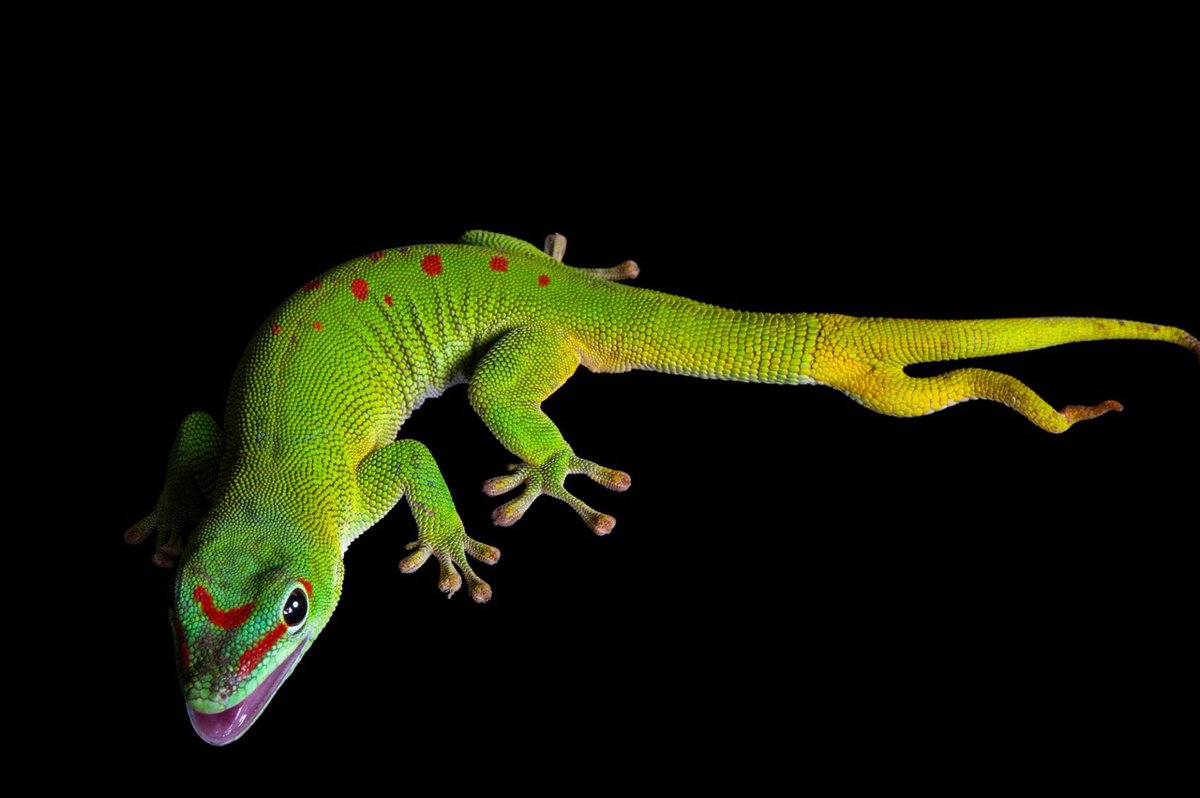
The Madagascar giant day gecko’s tail can regenerate after an injury - in this case, it grew back twice. Such tails, which can grow longer than the gecko’s body, aid this tree-dwelling species in balancing as it clings to branches and trunks with sticky, flattened toe pads.
Meet Gumara, an endangered Sunda clouded leopard. Looking at his photo, you might be thinking Gumara doesn’t look like your typical clouded leopard, and you’d be right. Sunda clouded leopards were classified as a distinct species in 2006.
Not a fan of termites? Then this numbat is your new best friend. An endangered marsupial from Australia, the numbat eats termites exclusively, consuming up to 20,000 in a single day!
Looking at this critter’s spiky appearance, it comes as no surprise that this walking stick is commonly referred to as a “touch-me-not” insect. This is just one of over 300 recognized species of stick insects that call the tropical forests of Borneo home.
No, you’re not seeing double - this plains garter snake does, in fact, have two heads. A rare sight in nature, two-headed snakes are the product of a mutation that occurs during the reproduction process- a condition known as bicephaly.
The magnificent sea slug is found in coral and rocky reefs from Indonesia and the Philippines to eastern Australia. While predators are a concern for this sea slug, the biggest threat to this species comes from a decline in their favorite food source - sponges.
👀O Curso de Verão 2024 vem aí! ☀️
💻 Pesquisadores e estudantes, que moram fora do Rio de Janeiro, podem se candidatar a uma bolsa de estudos para participar dos tradicionais cursos.
https://t.co/EllmNrD4AZ
It's no secret why this species is called the brown long-eared bat. Those incredible ears are nearly as long as this bat’s entire body! This little critter can hold its massive ears upright in flight, but when resting, it curls them back and tucks them underneath its wings.
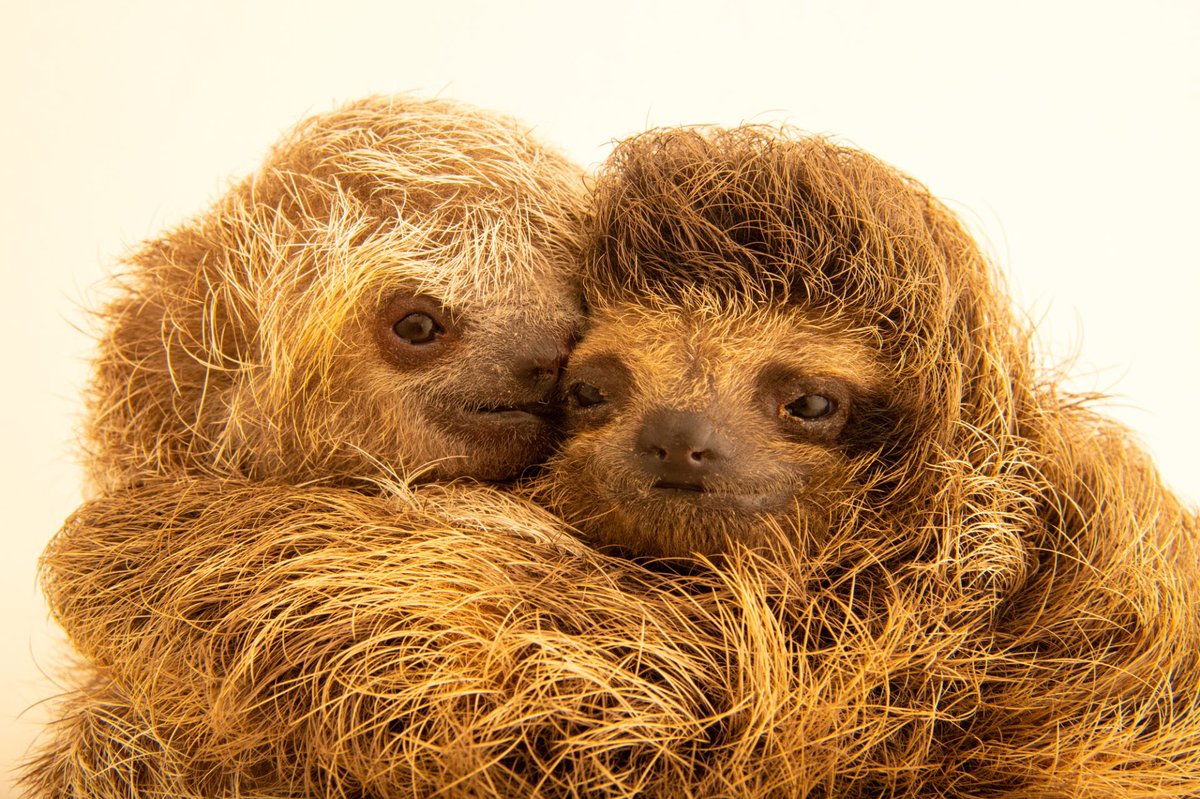
Two juvenile sloths hug each other during a photoshoot. Even if they aren’t related, orphaned baby sloths like these two are kept together in pairs to comfort each other after losing their mothers.
Black-tailed prairie dogs are incredibly social, and their so-called towns can have hundreds of residents and many different neighborhoods. In 1902, the largest town ever documented stretched across 25,000 sq miles in Texas and was home to an estimated 400 million prairie dogs.
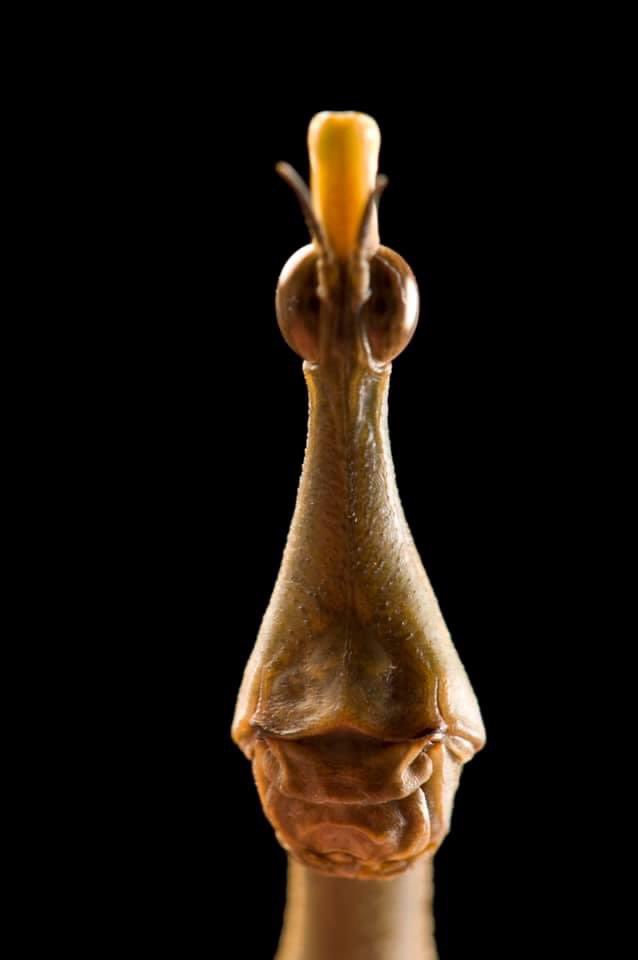
A long face and big, bulging eyes give this giant jumping stick an out-of-this- world appearance, but those alien-like features serve an important purpose. The position of the eyes gives this insect a panoramic view, allowing it to see predators long before they strike.
Meet the coconut crab - the largest land-living arthropod in the world. These mega-sized hermit crabs can weigh up to nine pounds and grow to over three feet in length (measuring from the tip of one leg to another).
I got the first box of my books, so I brought the whole team to inspect them. Pre-order Be Useful NOW: https://t.co/o5R78NER7z
I know my rules can help you, no matter what you want to do in life, because they’ve helped me every step of the way.
My legacy is you. I know my rules can help you, no matter what you want out of life. I just want you to live. Get Be Useful now: https://t.co/l99DIUGJ24
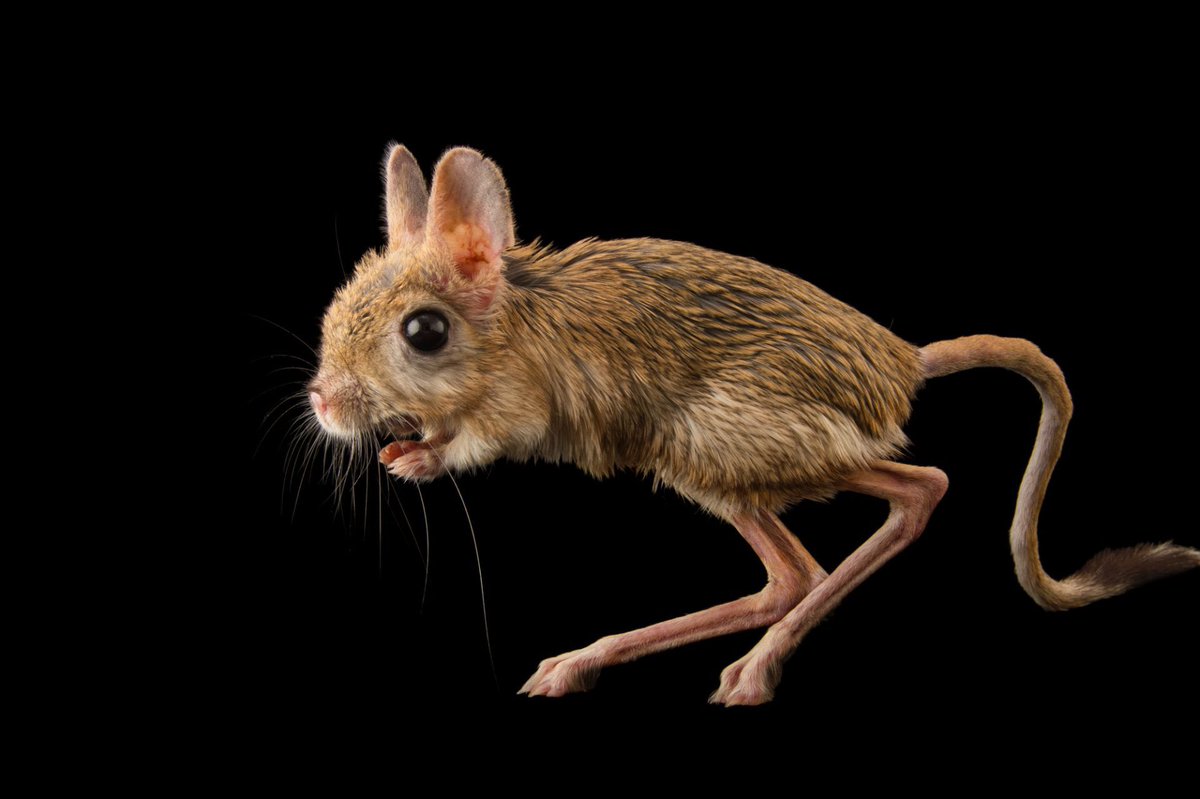
Why does the Egyptian jerboa have hind legs more than 4 times the length of its tiny arms and a long, curvy tail for balance? Because it's built for jumping! The jerboa’s primary defense from predators is to spring three feet in the air and across distances up an incredible 9 ft!
Wilson’s plover chicks grow up fast. While mom and dad tend to their young, soon the chicks will be responsible for feeding themselves and take their first flight at just three weeks old.
This fiery-colored bird is a crimson topaz hummingbird. Found in the rainforests of northeastern South America, this hummingbird species uses its bright and flashy colors to mark and defend territory, with males flashing their feathers towards potential intruders.