solana:2fWzx35rQMAATQGhJzVTvzeXHcenCQLqCog9Jkg5pump is going to explode within 48 hours and i’m calling it under 100k MC🚀
Great Project, Great Team, Great Community. What more could you want🚀🌕🦙
Join the telegram to chat amongst the community and get valuable insights.
https://t.co/hJBP2cz1ib
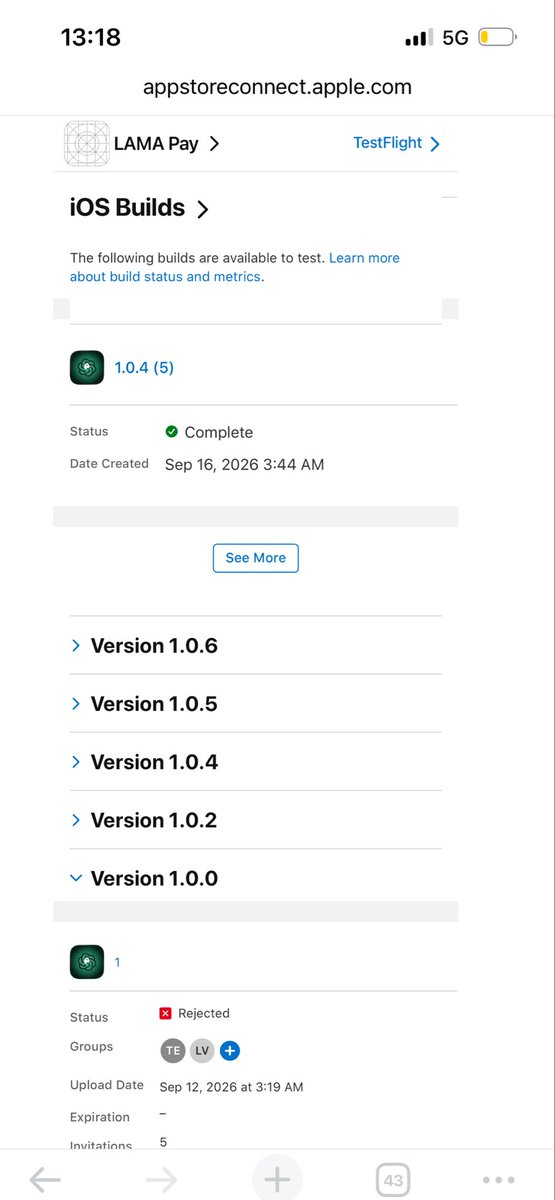
@LamaPays solana:2fWzx35rQMAATQGhJzVTvzeXHcenCQLqCog9Jkg5pump IS DROPPING THEIR APP ON IOS ON SEP 19 AND ITS ALREADY LIVE ON ANDROID THIS IS HUGE BUY IN NOW BEFORE THE LAMA ROCKET TAKES OFF🚀🦙💛
September 19th is only getting closer solana:2fWzx35rQMAATQGhJzVTvzeXHcenCQLqCog9Jkg5pump
-iOS TestFlight live; official App Store launch Sept 19.
-Preparing $10k US ad push to reach 2-3M people.
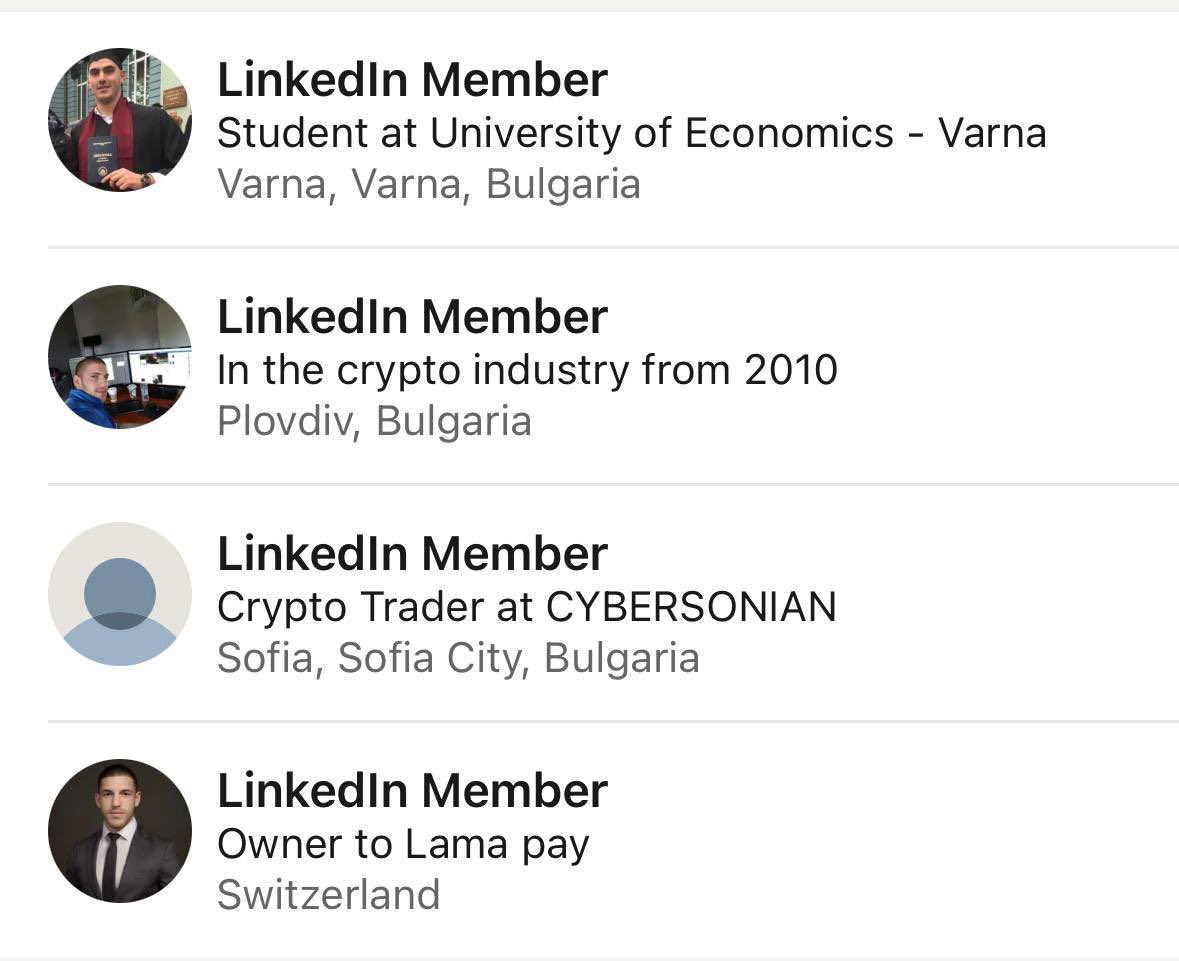
-Fully doxxed team
@LamaPays
CA: 2fWzx35rQMAATQGhJzVTvzeXHcenCQLqCog9Jkg5pump
LAMA will no longer hold any team tokens.
35,000,000 LAMA tokens will be permanently burned and removed from circulation forever.
No team allocation. No reserve. No hidden supply.
35M LAMA — gone forever.
Big corporations build products on top of APIs, existing blockchains, cloud infrastructure, payment rails, AI models, and open-source technology — package everything together, add their own interface and orchestration layer, then sell it back to the market at a massive markup.
That is considered normal business.
A service underneath may cost them $0.10 to execute.
The final customer may end up paying $1.00 for essentially the same underlying operation after platform fees, infrastructure fees, service margins, processing layers, and middlemen are added.
That is simply how many large technology businesses work: they take existing infrastructure, make it easier to use, add a layer on top, and charge significantly more than the raw infrastructure cost.
Claude / OpenAI / Codex
↓
“Build an escrow system”
↓
Arc Studio Agent
↓
Generate Solidity
Generate Frontend
Security Analysis
RPC Calls
Contract Deployment
Transaction Tracing
↓
ARC L1
↓
USDC
And people call that innovation.
Fair enough.
But then four people build LAMA Pay, and suddenly the size of the team becomes more important than what was actually built.
Four people built the infrastructure.
Four people built the applications.
Four people built the transfer system.
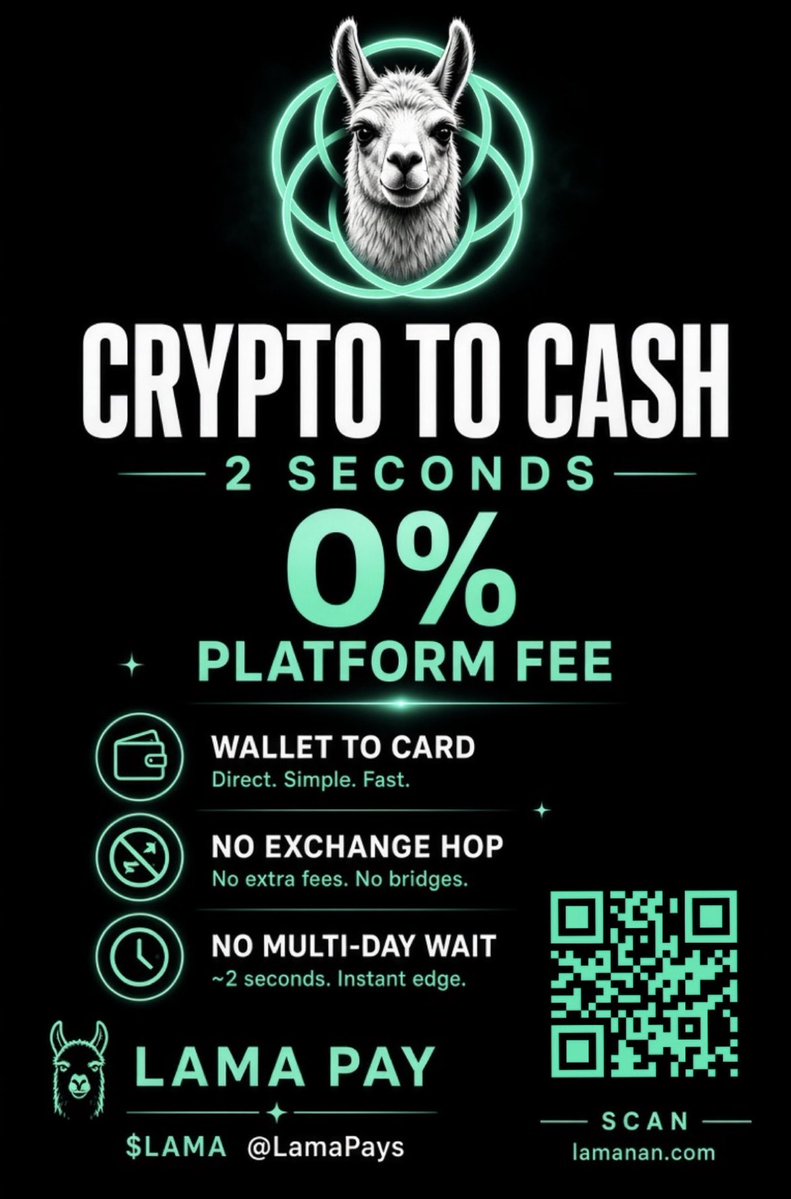
Four people built a 0% fee transfer model.
Four people built a dividend system designed to return value back to holders.
Four people built virtual card infrastructure.
Four people shipped iOS and Android products.
No billion-dollar VC round.
No massive corporate headquarters.
No thousands of employees.
Just a small team building real infrastructure.
The strange part is the double standard.
When a billion-dollar company combines existing technology, APIs, cloud services, payment rails, and blockchain infrastructure, it is called innovation.
When a team of four does the same thing — while also trying to reduce the number of middlemen and reduce the cost for the end user — suddenly people ask:
“Who are these guys?”
We are the people who built it.
The size of a company does not determine whether its technology is real.
The product does.
LAMA Pay was built around a simple idea:
Technology should make moving money simpler and cheaper — not create another ten layers between the user and their own money.
I’m noticing something important: the more the market cap grows the more people start using the platform.
More users means more transfers.
More transfers means more activity.
More activity means more fees generated.
And more tax from virtual payments Visa Mastercard means more dividends distributed back to holders.
The whole ecosystem gets stronger as adoption grows.
@LamaPays team update:
-iOS TestFlight live; official App Store launch Sept 19.
-Preparing $10k US ad push to reach 2-3M people.
-Fully doxxed team
CA: 2fWzx35rQMAATQGhJzVTvzeXHcenCQLqCog9Jkg5pump