Don't let others steal your sunshine ☀️Hot chocolate connoisseur, avid global traveler ✈️, #dogmom 🐶and #history buff - Always ready for an adventure! 🇺🇸
Auld Lang Syne, the Scots-language poem written by Robert Burns in 1788, was set to a much older Scottish/Irish melody and is now sung all over the world to welcome the new year. Happy New Year from the west of Ireland!
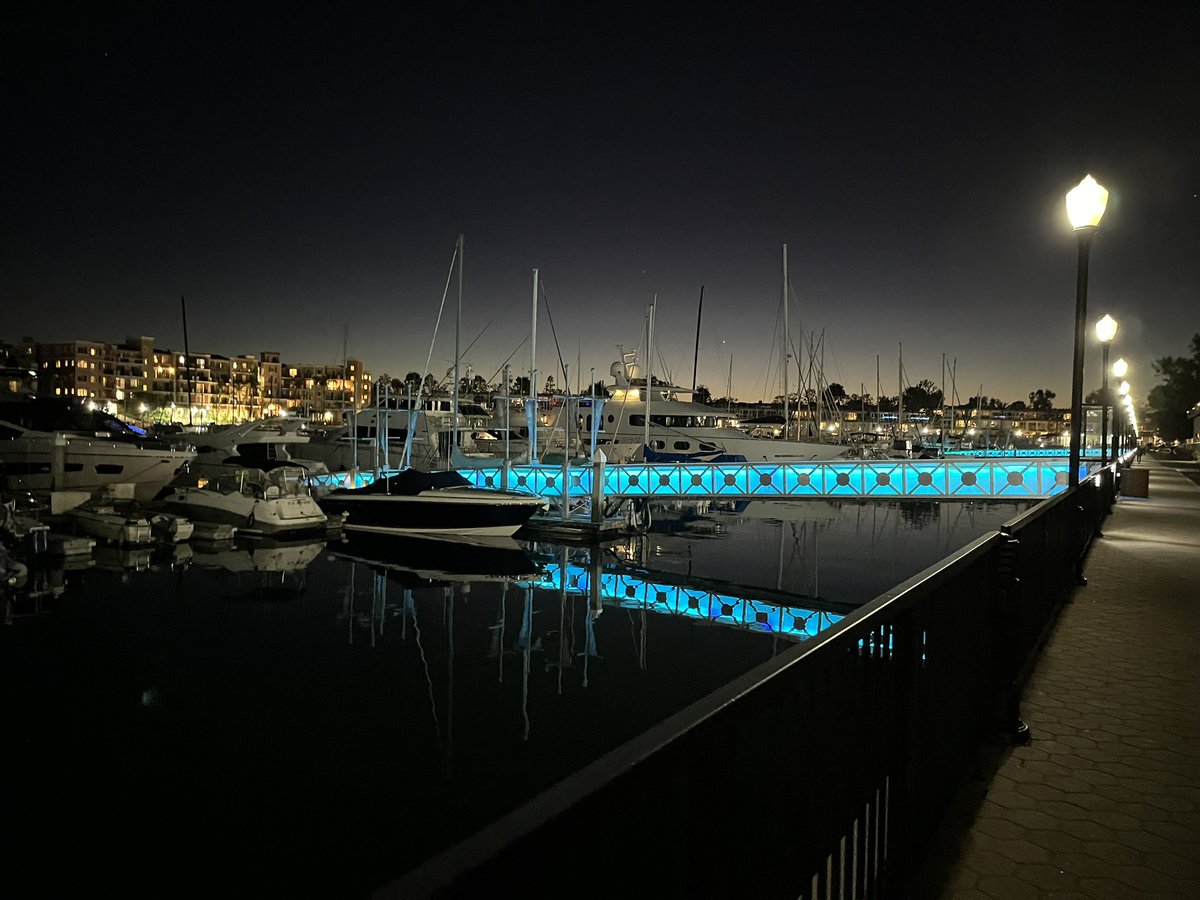
Starting our Christmas celebrations at the Carroll Creek Park’s “Sailing Through the Winter Solstice” event. Vote on your favorite boat, and raise money for local charities - @tourfrederickmd https://t.co/sSSlZDsuym #MerryChristmas#HappyHolidays#outdoor
Budapest is renowned for its architectural beauty and picturesque cityscape.
Here are 10 incredible photographs of this city in winter (via @krenn_imre ) 🧵
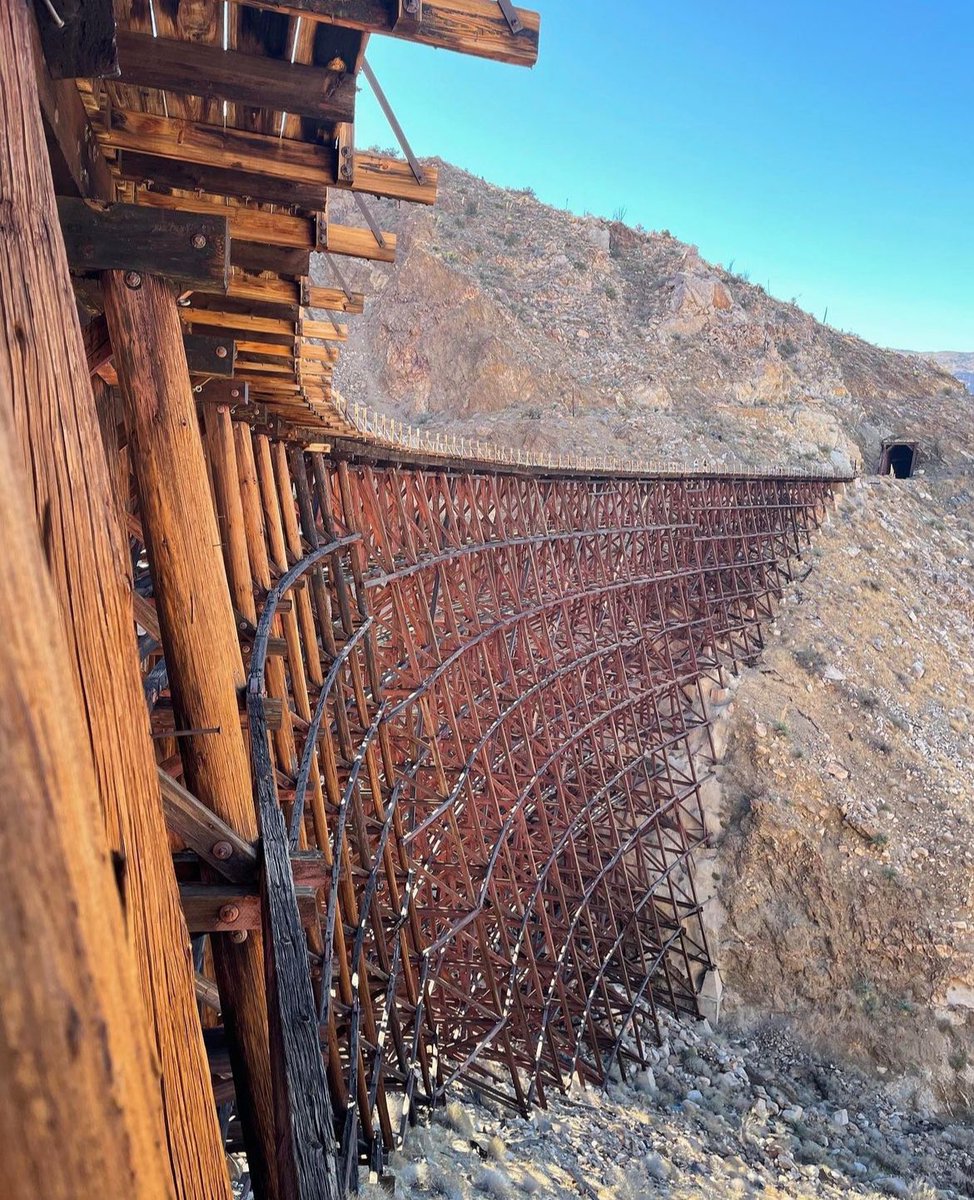
The Goat Canyon Trestle, located in San Diego County, California, is the world's largest wooden railroad trestle. Built in 1919 as part of the Carrizo Gorge Track, it stands over 600 feet long and 186 feet high. Constructed with redwood beams, the bridge is a testament to the engineering prowess of its time.
The area around the trestle, known as Anza-Borrego, is an arid desert, and the construction of the railroad track through this landscape was a challenging task. It required the building of 17 tunnels and numerous trestles, earning it the nickname "the impossible railroad."
Over the years, the Goat Canyon Trestle has suffered significant damage from fires and floods. In 1976, Hurricane Kathleen caused the collapse of several tunnels and trestle beams, leading the Southern Pacific Railroad to abandon the line.
Despite its abandonment, the Goat Canyon Trestle remains a popular destination for hikers and adventurers, with a 6-mile roundtrip hike to reach the top. The area is also home to abandoned rail cars, adding to the allure of the site. As of January 2018, the Baja California Railroad was assessing the line for potential repairs to allow the track to return to operation.
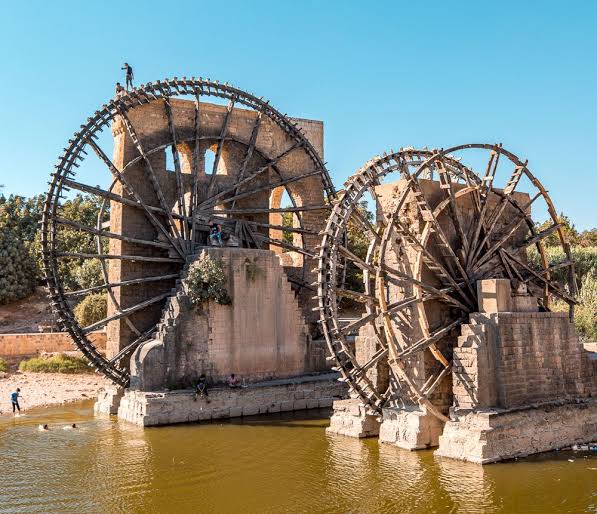
Norias of Hama (Syria); are a collection of historic waterwheels so lovely and elaborate that they make classical Western waterwheels look weak in comparison. Unfortunately, after surviving for hundreds of years, these lovely wooden constructions are in danger of becoming victims of local conflicts.
Evidence of these ornate water wheels dates back as far as the 5th Century CE, although none of the extant examples have been found to be quite so ancient. The norias (“wheels of pots” in Arabic) were originally constructed on the Orontes River to move H2O through a series of aqueducts that fed farms all across the settlement, becoming so iconic that they eventually became the symbol of the city. Even after they fell out of general use with the advent of modern irrigation systems, the norias were left intact, aging into beautiful historic icons of the city’s agrarian past.
By the modern day there were 17 of the historic wheels still standing across the city, some attached to old buildings, others just standing free as city changed around them. The iconic relics were even to be considered protected UNESCO artifacts, but unfortunately this designation has yet to be approved. Sadly, it may be too late in any event. Recent reports from the war-torn region suggest that some, if not all of the norias may have been burnt down. For history’s sake let’s hope that these reports are greatly exaggerated.
- Subscribe for Weekly Newsletter -
https://t.co/QSjn4yGpeh
#archaeohistories
What is petrified wood, and why is it so frightened?
Most likely, millions of years ago, a dinosaur, uninvited, approached a gathering of trees. At first, they were afraid. Then they were petrified. All their rings turned to stone inside. But they survived. Yes, they survived.
Aniol Serrasolses, has descended a 20 metre ice waterfall in Brasvellbreen, the Svalbard archipelago of Norway -
the biggest ever recorded drop off a glacial waterfall,
📹Red Bull
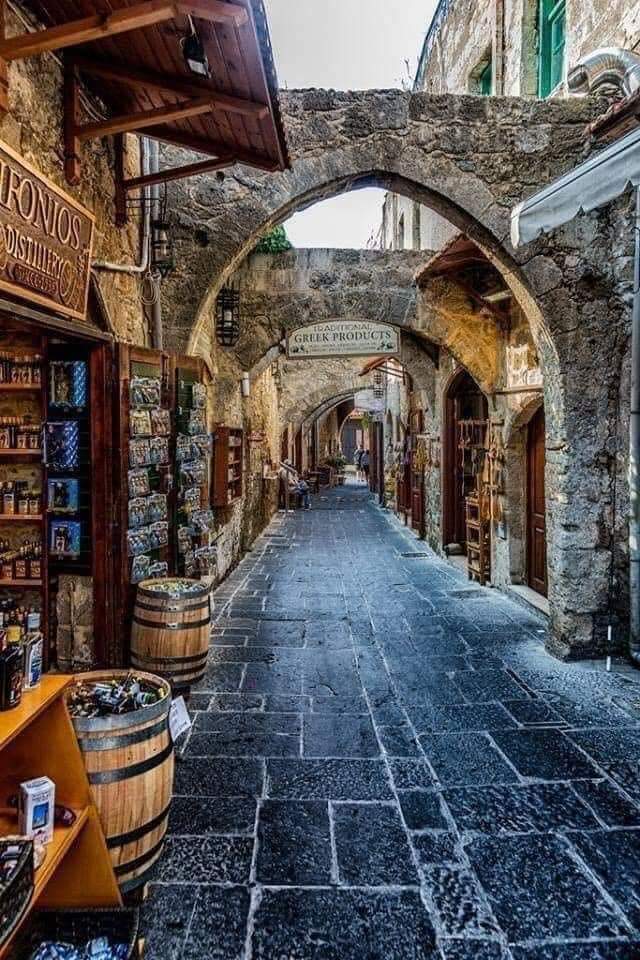
Medieval Streets and Architecture; in Rhodes, Greece.
The Order of St John of Jerusalem occupied Rhodes from 1309-1523 AD, and set about transforming city into a stronghold. It subsequently came under Turkish and Italian rule. With Palace of the Grand Masters, Great Hospital and the Street of the Knights, Upper Town is one of most beautiful urban ensembles of Gothic period. In Lower Town, Gothic architecture coexists with mosques, public baths and other buildings dating from Ottoman Period.
From 1309- 1523 AD, Rhodes, largest island of Dodecanese, was occupied by Knights of St John of Jerusalem who had lost their last stronghold in Palestine, in Acre, in 1291 AD. They transformed island capital into a fortified city able to withstand sieges as terrible as those led by Sultan of Egypt in 1444 and Mehmet II in 1480. Rhodes finally fell in 1522 AD, after a six-month siege carried out by Suleyman II.
Medieval city is located within 4km long wall. It is divided with high town to north and lower town south-southwest. Originally separated from lower town by a fortified wall, high town was entirely built by Knights. Order was organized into 7 “tongues”, each having its own seat, or “inn”. Inns of tongues of Italy, France, Spain and Provence lined principal east-west axis, famous Street of the Knights, on both sides, one of finest testimonies to Gothic urbanism. To north, close to site of Knights’ first hospice, stands Inn of Auvergne, whose facade bears arms of Guy de Blanchefort, Grand Master from 1512-1513. Original hospice was replaced in 15th Century by Great Hospital, built between 1440-1489, on south side of Street of Knights.
Lower town is almost as dense with monuments as high town. In 1522, with a population of 5000, it had many churches, some of Byzantine construction. Throughout years, number of palaces and charitable foundations multiplied in south-southeast area: Court of Commerce, Archbishop’s Palace, Hospice of St. Catherine, and others.
The medieval city of Rhodes maintains the architectural character and the urban organization of a medieval city as well as its primary building materials. The alterations to the fortification walls and the monuments within the city during the Ottoman period did not harm at all the character of the historical settlement, and are unique and integral evidence of the historic layering of the property. The Italian occupation after 1912 left a strong imprint on the urban landscape of Rhodes, with reconstructions of some of the major buildings. They must be considered, nonetheless, as a permanent integral part of the urban history of Rhodes.
- Subscribe for Weekly Newsletter -
https://t.co/QSjn4yGpeh
#archaeohistories