OPINION: Whether on economic, political or institutional grounds, Beijing has no reason to rule out the partial nationalization of embattled property developers, writes Donald Low. https://t.co/mHb8qu5AY3
Propaganda U-turn in China: went from all-out war on covid to "you're responsible for your own health"
People's Daily commentary on zero covid success has a lot of people angry. Saying Xi's leadership allowed China to win "precise battle against covid". No apology @OutFrontCNN
I’m in Beijing at the scene of the protest. Mostly young people. They’re chanting no to Covid tests and yes to freedom. Large police presence. Also people hold white papers like in Shanghai - symbolic protest against censorship. Lots of honking cars in solidarity
5/5
This means that we should expect not just much higher direct costs of insolvency, but also much higher indirect costs associated with the pro-cyclical spread of financial distress impacts on the overall economy.
4/5
This suggests that the scale of the problem in China is probably not comparable with that in the US. One way to think about it is to consider that the real estate bubble has gone roughly twice as far in China as it did in the US before it began to reverse.
3/5
In addition, the value of residential property relative to GDP is between two and three times in China what it was in the US, and I think the real estate share of household wealth is more than twice as a high in China as it was in in the US.
2/5
I worry however about comparisons between US and Chinese real estate problems. Real estate activity comprises roughly twice the share of GDP in China as it did in the US, and the investment and construction shares of GDP in China may be as much as three times as large.
1/5
HKUST's Donald Low makes important points in this article, including the claim that economies in which real estate crises were quickly resolved, and losses quickly accounted for, seem historically to have recovered more quickly than otherwise.
https://t.co/wNI1ghJsDz
How did Singapore become so racist, K Shanmugam pondered, as he belonged to a party whose first Prime Minister and spiritual leader openly espoused eugenicist and racist ideology, where institutions of privilege and leadership overwhelmingly select those of the majority race.
i genuinely don't understand how you can spend decades saying you can't really do anything about casual racism and it's fine and minorities are too sensitive and then suddenly pikachu-face when it becomes less casual and more violent.
Why PAP needs to leave no stone unturned in reviewing the #PartiLiyani case: "What is at stake is #Singapore’s system of governance — which, at its best, taps on an honest and able technocratic elite, while avoiding the trap of elitism." – Donald Low. https://t.co/HYkXrIoHA5
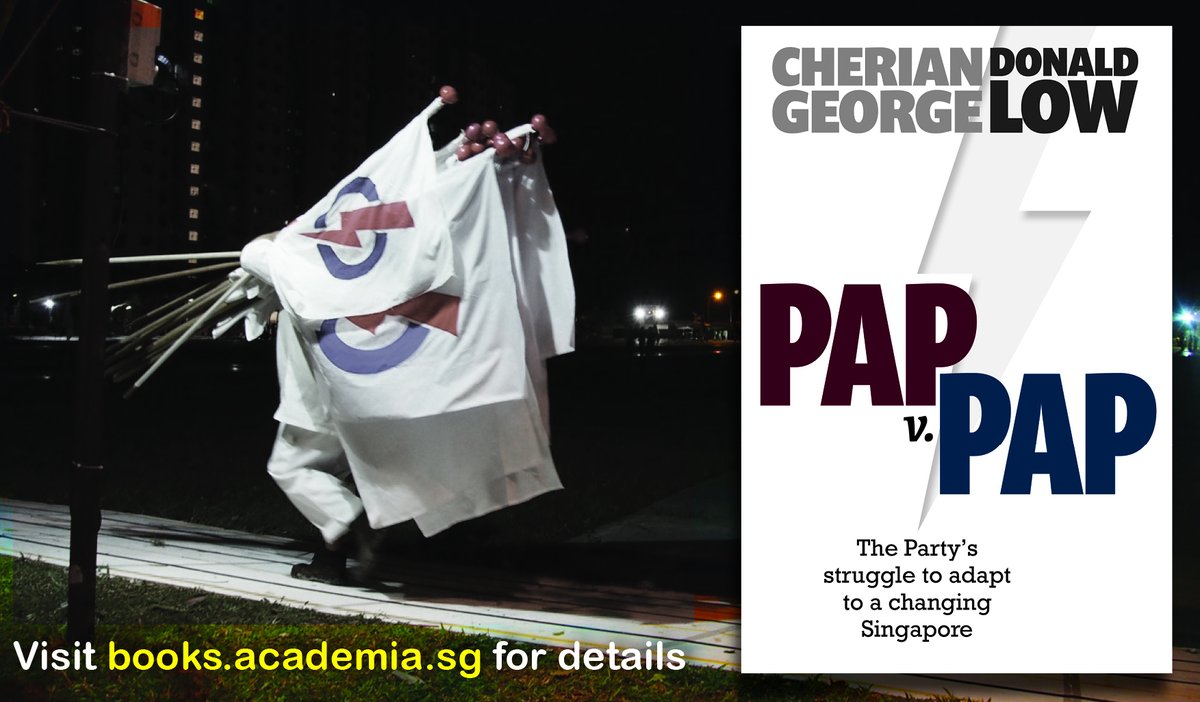
My forthcoming book co-authored with Donald Low, "PAP v. PAP: The Party's Struggle to Adapt to a Changing #Singapore", will be out next month. Now available for pre-order at https://t.co/cjQ4TOo9xJ. @sgelection@tocsg
Another level-headed take from Donald Low, noting "the real possibility that China’s containment strategy based on the Sars experience may not work. If so, it may eventually shift from a strategy of containment to one of mitigating...."
https://t.co/VRR29ph74B
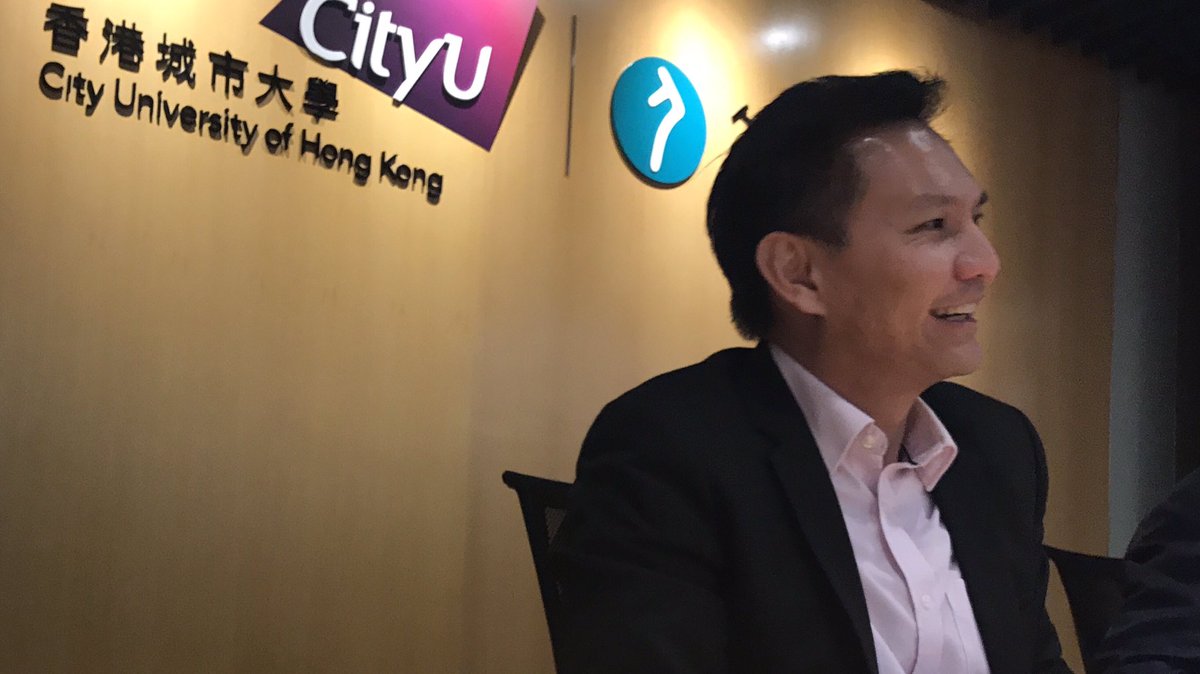
Singapore state’s AI and Smart Nation strategy takes its MBA* to new heights, using big data and behavioural insights to nudge people towards compliance and staving off democratic reform (*market-based authoritarianism). – Donald Low at @SEARC_CityU panel