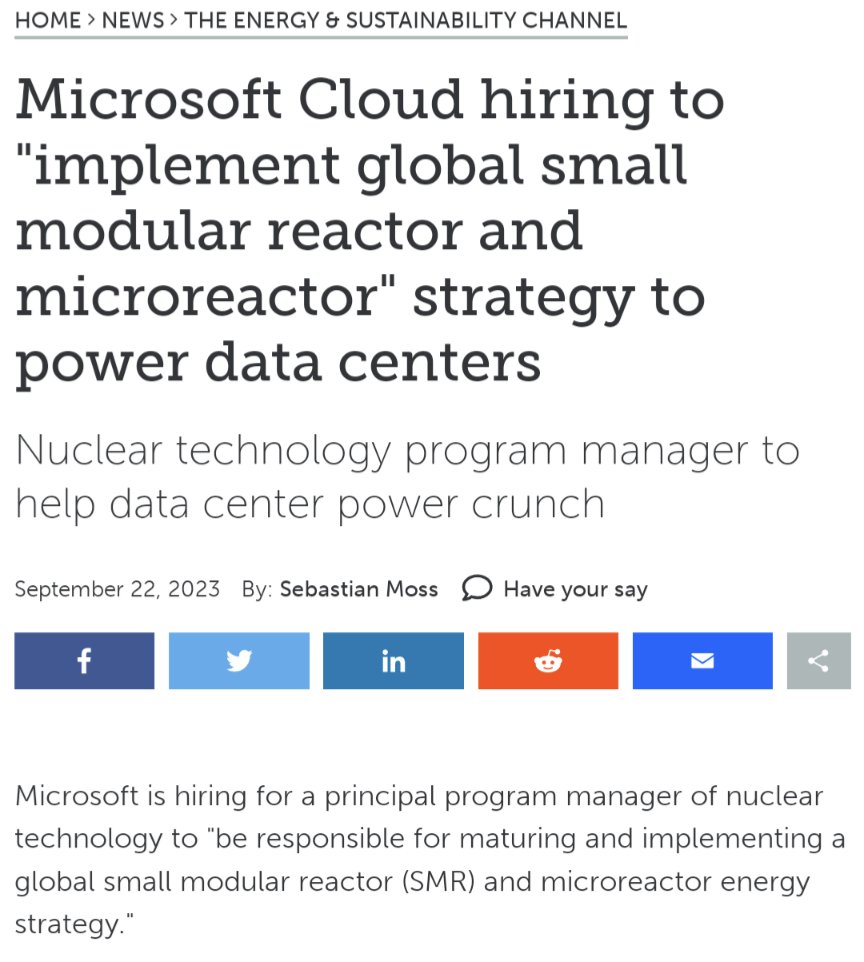
Word is out: Microsoft is plunging ahead on nuclear energy.
They want a fleet of reactors powering new data centers. And now they're hiring people from the traditional nuclear industry to get it done.
Why?
Lack of stable long-term power, whether clean or dirty, is constraining Microsoft's growth. They need to build big data centers that consume electricity all the time and the old assumption that somebody else's reliable plants will always be around to firm up your wind and solar is falling apart.
It certainly helps that founder Bill Gates was one of the earliest big business converts to nuclear energy, investing his own money to develop new reactors.
But Microsoft, like many companies, was held back by what we might consider "Enron-ism" infecting its energy thinking: renewable energy credits plus markets plus cute little lies to the public about how electricity works. Greenwashed fossil/hydro/nuclear with the ESG stamp of approval.
The problem? Eventually you run out of other people's cheap firm power.
So Microsoft has recently become a leader in openly asserting that nuclear energy counts as clean energy, as opposed to the ongoing cowardice we see from the other big tech companies who lie to the public about being "100% renewable powered."
Sure, the lawyers said it was okay to lie, but the lie doesn't give you a permanent supply of cheap reliable energy. That comes from nuclear.
A world is coming where only the tech companies willing to become nuclear power developers may get to keep expanding their cloud businesses, and only countries open to new reactors get to host this expansion.
A world where tech companies with 50% margins become the only survival hope for traditional industrial concerns with 5% margins who need someone else to bootstrap a proper electricity supply.
Where diesel backup generators are replaced with microreactors reliable enough to be trusted to keep a cluster of facilities secure in the case of public grid failure.
The race is on.
There are calls to clean up Flinders street Station, with historians worried parts of it are being left to rot.
They say a proper restoration of its subway tiles could give it the same appeal as some of the best international metros. @maddieslattery#9News
Every Victorian will soon be able to use their mobile phone, smartwatch or credit card to touch on and off public transport under a complete overhaul of the ticketing system. #9News
https://t.co/F1uU74aRHQ
Not so well remembered amongst the Collins Place demolitions at the "Paris End" of Collins St #Melbourne was this 5 storey deco-influenced medical suites building known simply as "33 Collins St".
It was built for Dr Edward Ryan (Gerald Ryan, architect) in 1937 ...
It's some weirdo sort of day when I'm sharing and endorsing a Friendlyjordies video.
But if you can get bast the silly baby voices, he cogently explains why the private sector is not going to just benevolently solve the housing crisis... #auspol
https://t.co/1KLZYFAFpx
@LordMayorMelb @SallyCapp_ With the availability of Electric Garbage Trucks, when is Melbourne going to legislate the use of these in the CBD to reduce nighttime noise for residents.
#SleepDisturbance#Melbourne#CBD@CBD_News_3000 @Residents3000
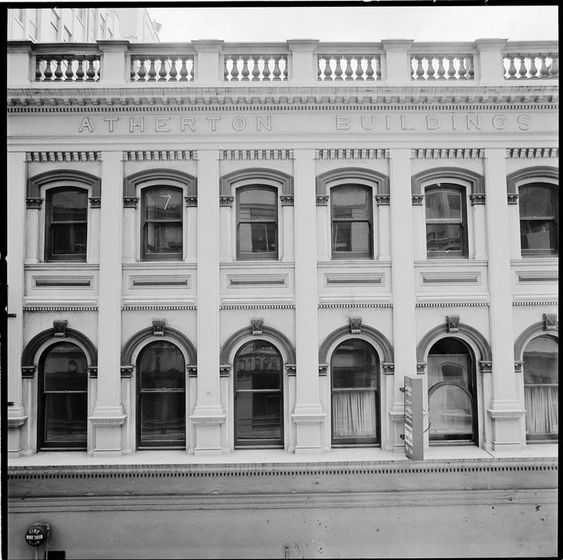
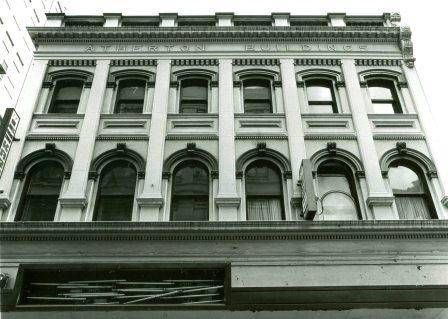
Atherton Building, 272-274 Little Collins Street, #Melbourne, nth side, seen here 1978 looking east to Swanston St just prior to demolition for the Walk Arcade.
For which this would have made a 3000% better facade than what we are left with.
https://t.co/B6tsaaznBI
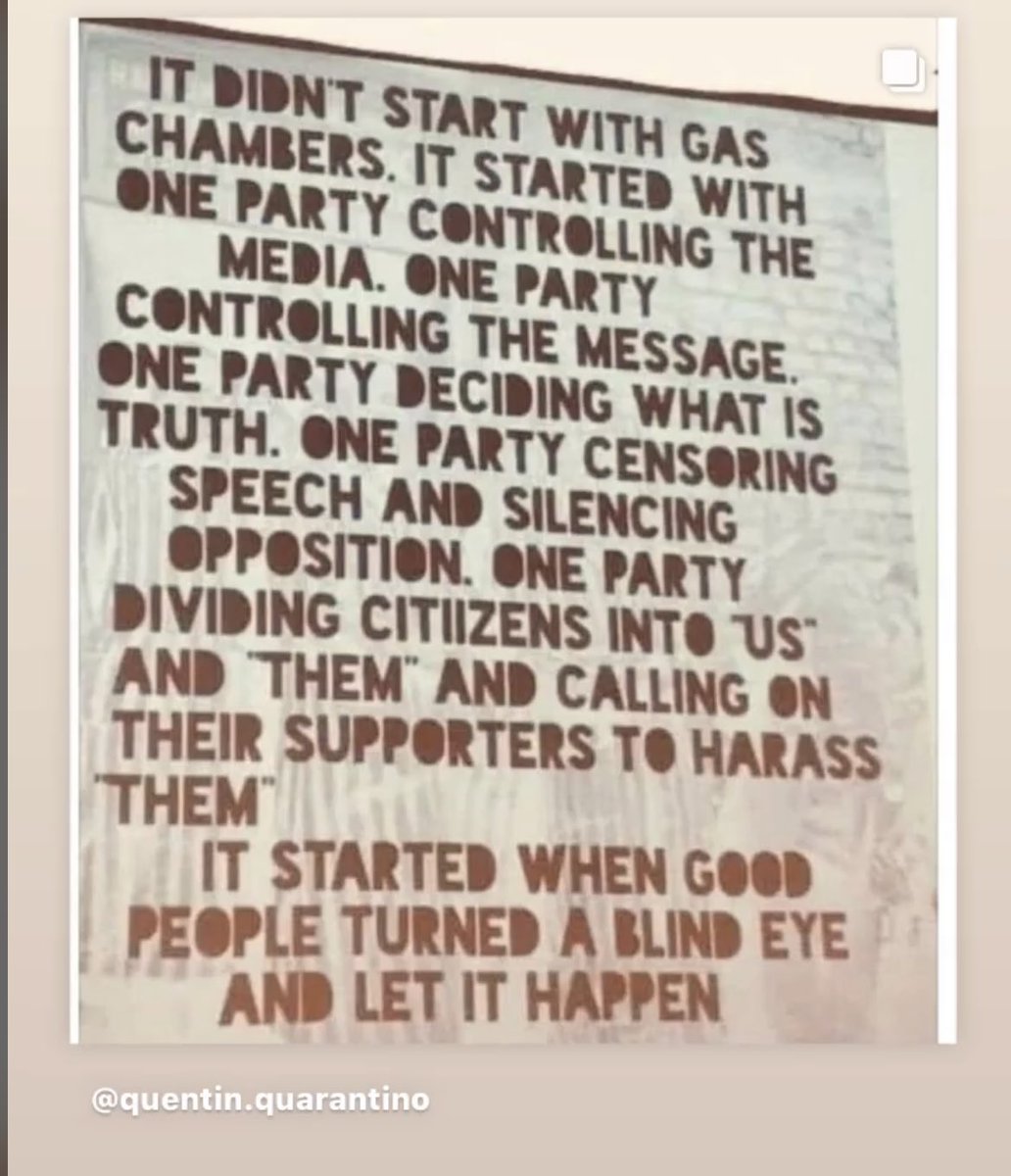
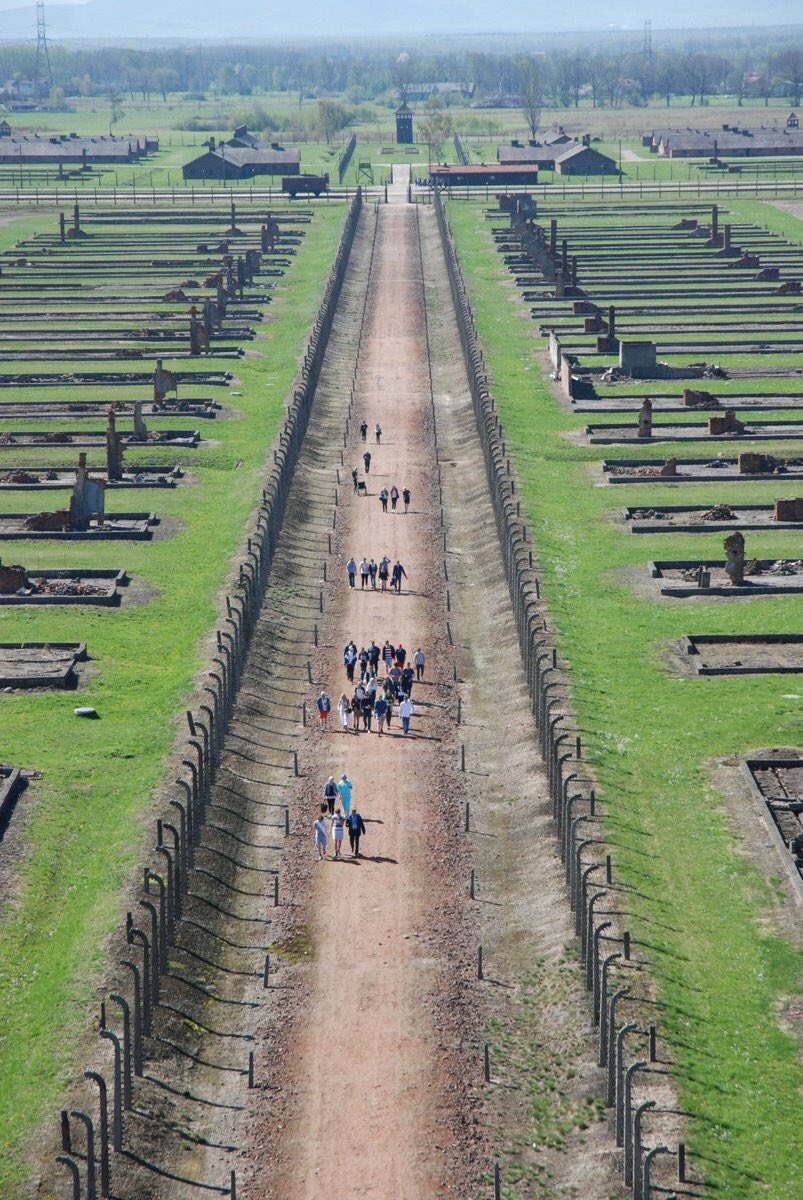
Auschwitz was at the end of a long process. We must remember that it did not start from gas chambers.
This hatred gradually developed from ideas, words, stereotypes & prejudice through legal exclusion, dehumanization & escalating violence.
It took time. #GenocidePreventionDay
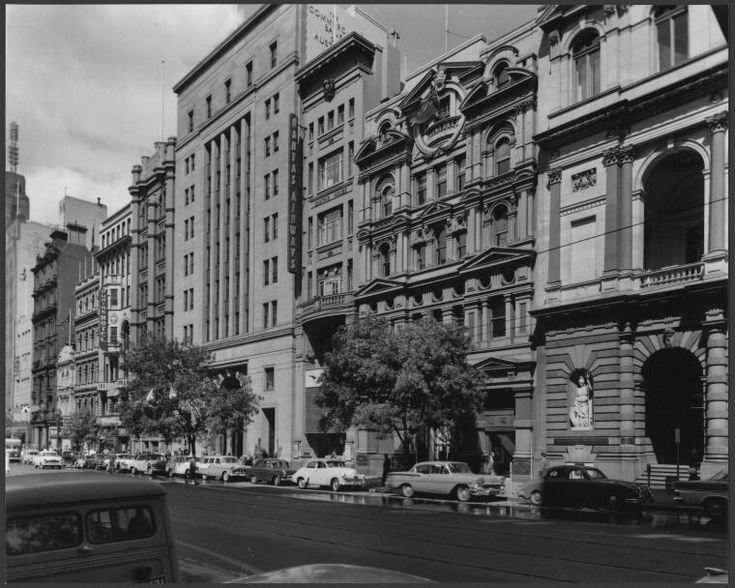
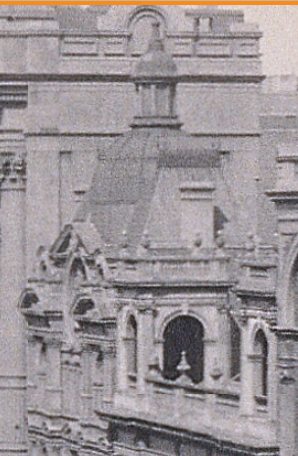
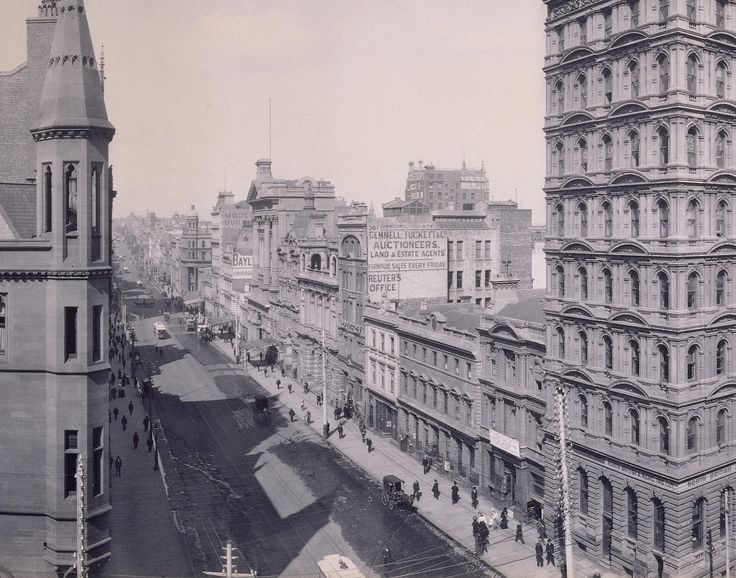
Answer to yesterday's heritage challenge was the 1888 Mercantile Bank (its grand cupola- pics 2&3- was removed in 1923) is the sole remaining 19th C. survivor on what was arguably once the city's premier block of Victorian-era offices on the sth side of Collins east of Queen st
Collins St, #Melbourne east from Queen St along what was arguably the city's finest block in 1903. Today only ONE building on S side between here and SWANSTON St still exists as shown (and even that one has had a major architectural feature removed).
Who can tell me which one?
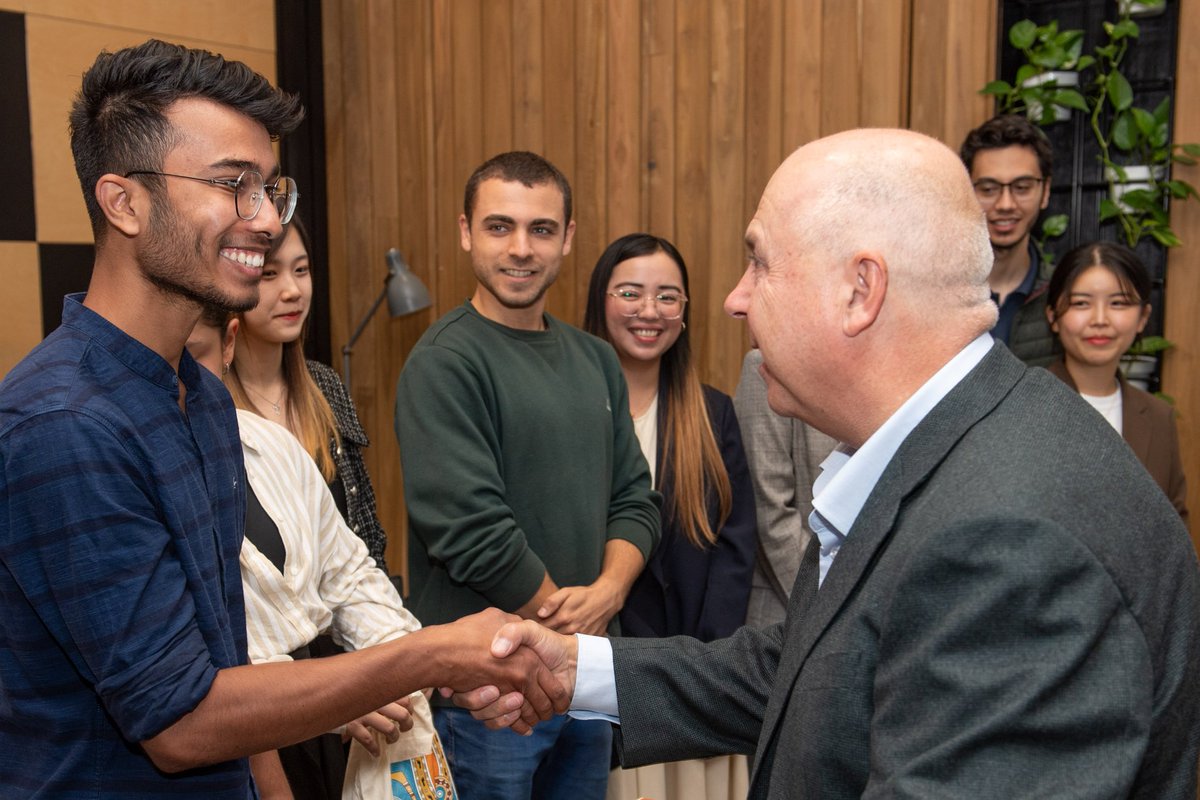
Lester Correya has come from India to study IT at @RMIT – and we couldn’t be happier to have him here. Victoria’s international student numbers have doubled since borders re-opened, greatly enriching our community. @studymelbourne https://t.co/pDvQV0Mu9M https://t.co/CWrIPjCKnU