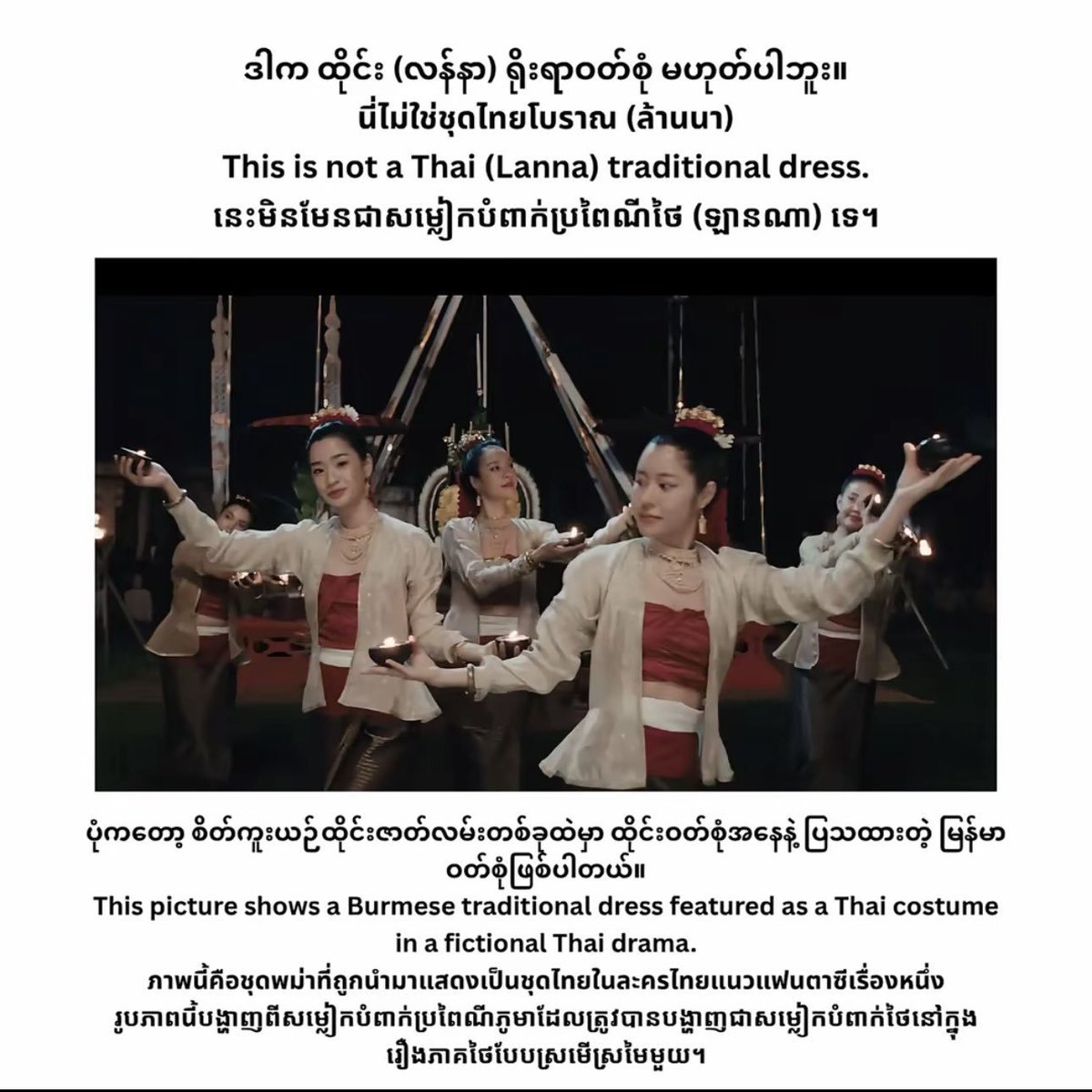
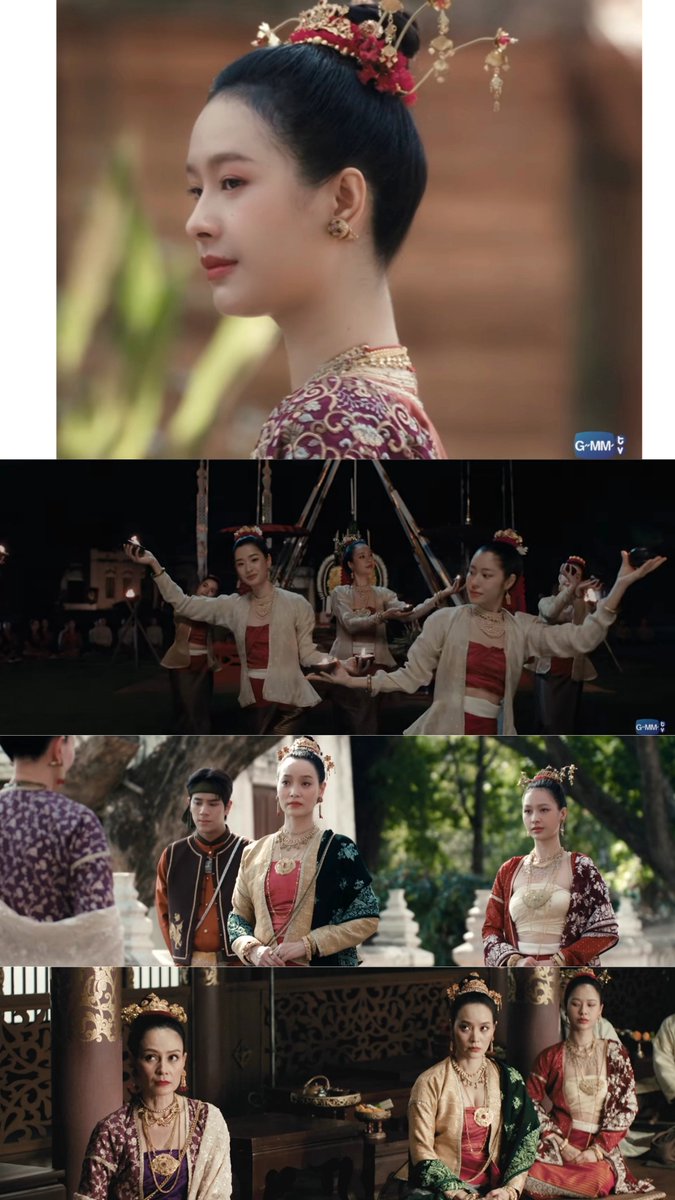
Even I’m a Thai but I grew up with multi-cultural environment, where people seriously respects and protects every color of cultures. Seeing this wrong presentation especially on the culture from a neighbor country makes me feel extremely frustrated.
Following messages contain my broken English, yet also carry my deepest frustration on the @GMMTV’s mistreat and the roots of its issue.
I, as a Thai, totally AGREE with Myanmar’s allies in speaking up about the cultural representation.
Deeper inside these issues, I know exactly where the root of this problem comes from. It’s simple as it is, but also a huge impact;
The education under the Ministry of Education of Thailand.
Since this education favors the system to provide the history in Ayutthaya reign as a story between heroes and villains, the misleading cultural representation that reflect the indifference of staffs behind this is strongly revealed. Knowing that the issue is still occurred without any improvement on education fixation for more than 30 years ensures me that the government and the capitalists have zero appropriate treatment on respecting the differences between countries in neighborhood.
It’s not just an issue between a production house and a country’s citizens, but also the deep conflict caused by the misleading history education by Thai govt with the ignorance over the respectful manner to the fellow SEA companions.
And why I am so frustrated even I am a Thai? Simple, I’m not a Thai from the Central region, but from Northern who grown up with Lanna culture and multi-cultural environment. That makes me understand this situation easier since I have the first-handed experience over the borderless cultures between Thailand and Myanmar. And I’m sure that so many Thais from other regions can understand this well too.
If this wrong cultural representation happens with other regions, several Thais could not tolerate too.
As PondPhuwin Myanmar Fan Page, we urge @GMMTV to address the cultural concerns surrounding #ScarletHeartTH and give proper credit where it's due.
We love and support Phuwin, but we can't stay silent about our heritage.
Our culture deserves respect. 🇲🇲
#RespectMyanmarCulture
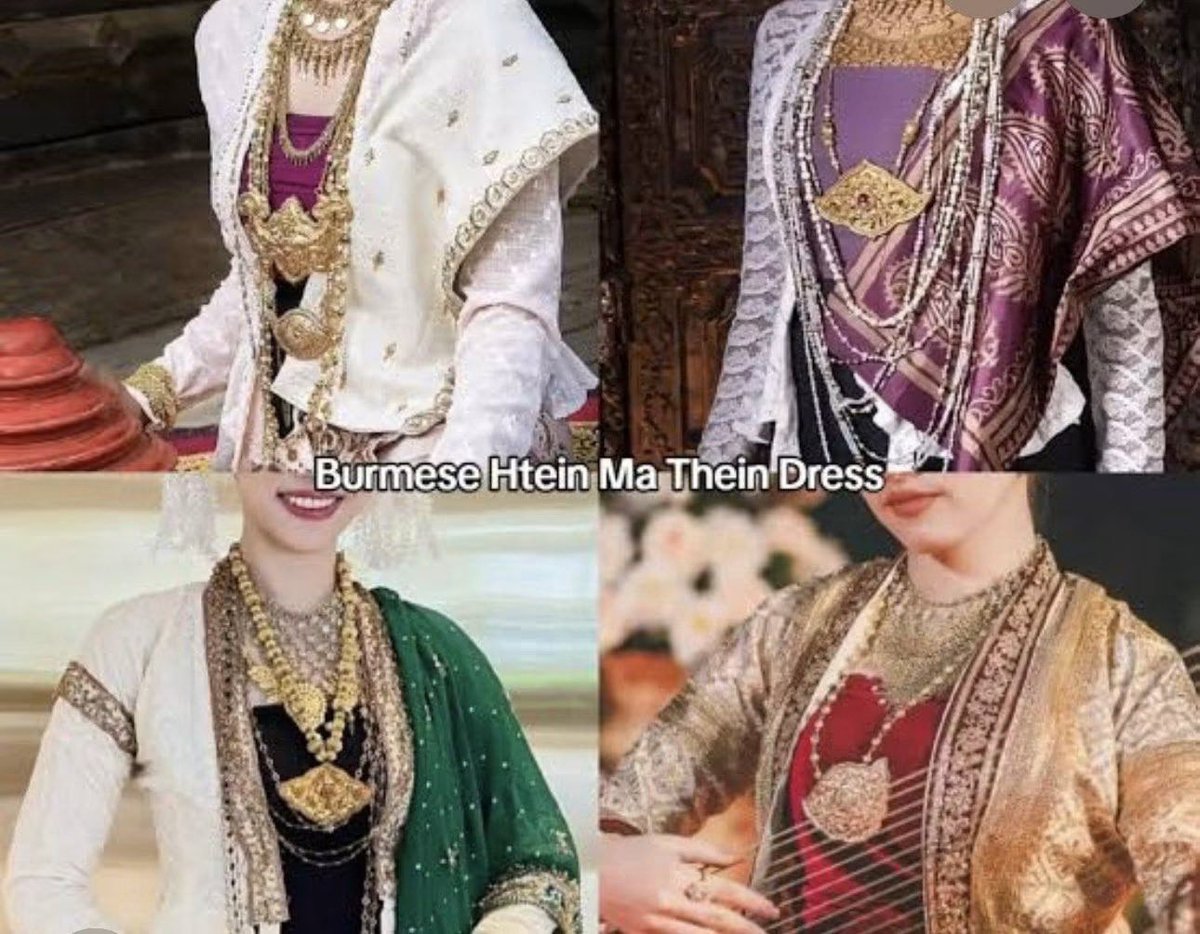
Is it ethical to use the culture of an unstable nation as your own through soft power? Anyone from Myanmar can instantly tell these costumes are inspired by our traditional attire.
#ScarletHeartTH#burmese#myanmar
Even a famous Thai actress has already shown that this is Myanmar's traditional attire. She joined one of Myanmar traditional trends in 2024.
'Scarlet Heart Thailand' is not a historical drama, we respectfully request that traditional Myanmar attire not be used as Thai attire!
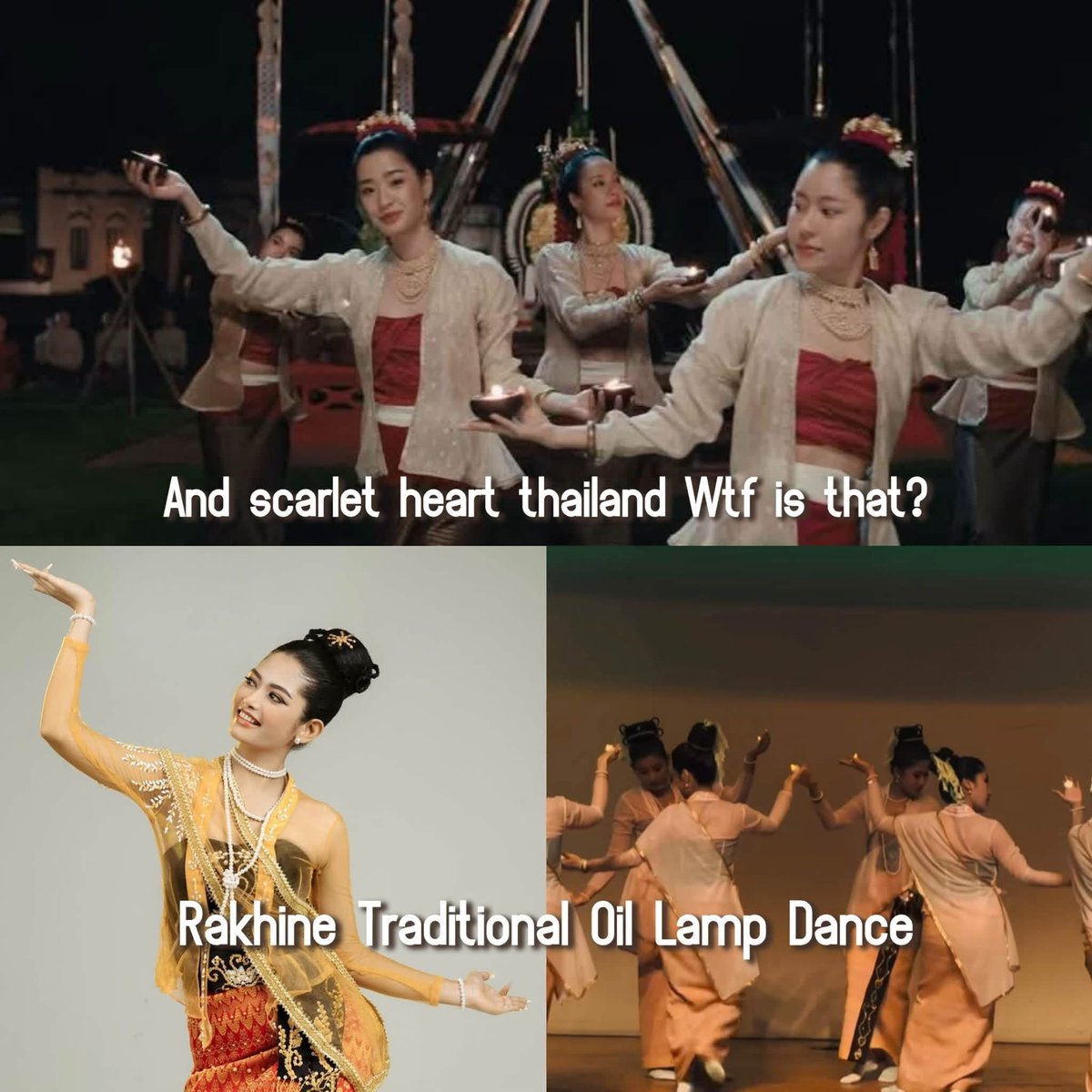
Look up the origins of the oil lamp dance carefully. In the era your drama is set in, dancers performed with candles. Do not carelessly appropriate another country's cultural heritage. Show some respect!.
#MyanmarHeritage@ScarletHeartTH@GMMTV
This issue is directed solely at GMMTV, not the actors or actresses.
Our Request: We strongly urge @GMMTV to issue an official statement or explicitly credit Burmese cultural elements in the series before its release 🇲🇲
#RespectMyanmar#MyanmarCulture#ScarletHeartThailand
🇲🇲 Our Burmese traditional dress is part of our history, identity, and heritage. We demand respect, historical accuracy, and proper recognition from GMMTV. Our culture deserves acknowledgment, never erasure. #RespectMyanmarCulture#ScarletHeartThailand#gmmtv
𝐇𝐭𝐚𝐢𝐧𝐠𝐦𝐚𝐭𝐡𝐞𝐢𝐧 (ထိုင်မသိမ်း) is not simply a name for a traditional Burmese outfit. It refers to a specific garment with its own history, construction, and cultural significance.
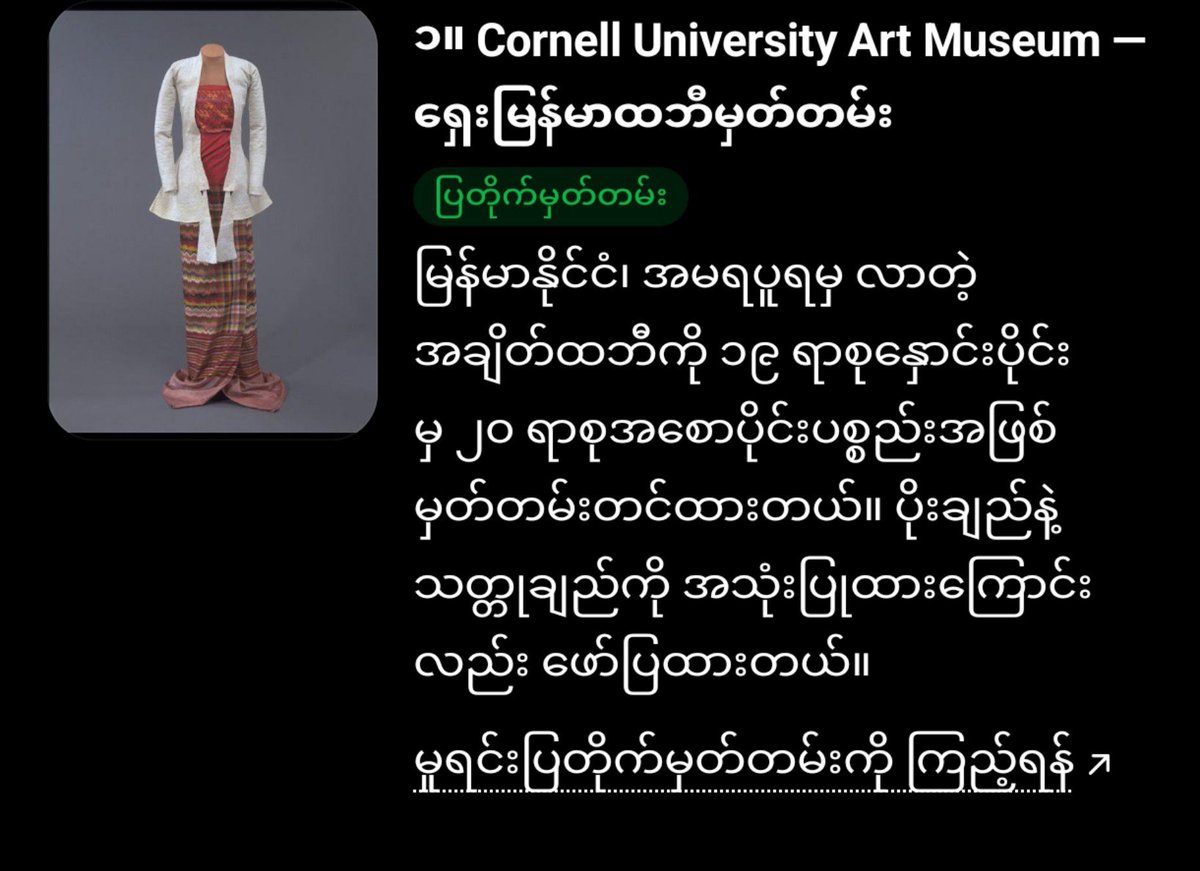
Myanmar's traditional clothing evolved across different dynasties, and the styles worn during the early Konbaung period, Amarapura era, and later Yadanabon period were not necessarily the same. Even the cut of a garment, its fastening, its decorative details, and the way it was worn could reflect a particular period and social rank.
Htaingmathein is traditionally understood as a woman's upper garment, worn with a byan htamein (ဗြန့်ထဘီ), rather than a term for the entire ensemble. These distinctions may seem minor to some, but when the terminology is repeatedly used incorrectly, an important part of cultural knowledge can gradually be lost.
This is precisely why historical research matters in period dramas. Traditional clothing is not merely an aesthetic choice; it carries information about the people, period, and culture it represents.
When costumes in #ScarletHeartThailand appear to draw on Myanmar court attire, it raises a legitimate question: were the garments researched according to their historical origins, construction, and period, or were different styles combined simply because they looked suitable for a historical setting?
Lanna and Myanmar share a long and complex history, but historical connections do not make their respective clothing traditions interchangeable. Similarities should be examined in context, and identifiable cultural influences deserve accurate recognition.
Historical fiction allows creative freedom, but creative freedom does not make historical research optional. When a production invests years in developing a period drama, understanding the origins of the clothing used to build its world should be part of that preparation. Otherwise, what is presented as historical atmosphere risks becoming a mixture of cultural references without sufficient historical grounding.
𝙊𝙪𝙧 𝙩𝙧𝙖𝙙𝙞𝙩𝙞𝙤𝙣𝙖𝙡 𝙜𝙖𝙧𝙢𝙚𝙣𝙩𝙨 𝙝𝙖𝙫𝙚 𝙣𝙖𝙢𝙚𝙨, 𝙝𝙞𝙨𝙩𝙤𝙧𝙞𝙚𝙨, 𝙖𝙣𝙙 𝙢𝙚𝙖𝙣𝙞𝙣𝙜𝙨. They deserve more than to be treated as interchangeable costumes.
We sincerely hope @GMMTV and the @ScarletHeartTH production team will provide appropriate acknowledgment of Myanmar's cultural heritage wherever it has been incorporated into the series. If these elements are retained, I hope their origins will be clearly credited in the episodes or accompanying production materials.
#ScarletHeartTH
#BurmeseHtaingmathein
Stop Using Myanmar Court Dress as Thai Costumes in 'Scarlet Heart Thailand'
@GMMTV
🇲🇲 MYANMAR’S CULTURAL HERITAGE IS NOT SOMETHING TO BE ERASED, OVERLOOKED, OR MISREPRESENTED.
Myanmar’s traditional royal attire is more than beautiful clothing. It represents centuries of history, craftsmanship, cultural identity, and the artistic traditions passed down through generations. From intricate Acheik textiles to traditional court garments, jewelry, shawls, and hairstyles, these elements are part of a rich cultural legacy that deserves to be recognized and respected.
The costumes featured in these images raise important questions about historical and cultural representation. Several design elements appear reminiscent of traditional Burmese court attire, particularly clothing associated with the Konbaung dynasty. These similarities deserve serious examination through historical paintings, museum collections, textile records, and other reliable sources.
This is not about denying Thailand its own cultural heritage. It is about ensuring that Myanmar’s heritage receives the same respect, recognition, and historical accuracy.
Southeast Asian cultures have influenced one another for centuries. Cultural exchange is part of our shared history, but it should never become a reason to overlook another nation’s contributions or present historically significant designs without acknowledging their origins when those origins can be established.
A costume inspired by a historical culture should be researched responsibly. When a design draws from Myanmar’s historical traditions, those traditions deserve proper acknowledgment—not silence, dismissal, or misrepresentation.
We are not asking anyone to diminish another culture. We are asking for historical accuracy, cultural respect, and recognition of Myanmar’s artistic legacy.
Our heritage is more than an aesthetic. It is our history, our identity, and the legacy of generations before us. It deserves to be remembered, researched, and respected.
🇲🇲 Respect Myanmar’s heritage. Recognize its history. Give credit where the evidence shows it is due.
#MyanmarCulturalHeritage #MyanmarHistory #BurmeseTraditionalDress #CulturalRespect #CulturalHeritageMatters
🚨 Usage of Burmese Attire in SHTH series
We would like to ask why the team would use the Burmese royal attire ‘htaingmathein’ from Yadanarbon era, 19th century, instead of using Lanna traditional clothing from 15th century?
#ScarletHeartTH@ScarletHeartTH#GMMTV@GMMTV
No offense intended, but the costumes in this drama reflect traditional Burmese attire, not Lanna clothing. Please respect Myanmar’s cultural heritage🇲🇲
#ScarletHeartTH#GMMTV
Dear GMMTV Management and Production Team,
I am writing to you as a devoted, long-time fan who has supported GMMTV's artists and series for a long time.
I feel compelled to address the current controversy regarding the costume designs in Scarlet Heart Thailand. Please understand that my feedback is not a personal attack on the company or the actors. However, as a Myanmar citizen, I cannot tolerate seeing our distinct historical culture and royal court attire being copied and claimed as part of traditional Thai heritage.
Every country’s identity is rooted in its unique history, and using Myanmar's cultural assets without proper historical context or acknowledgement is deeply hurtful. I sincerely hope that GMMTV will listen to the voices of international fans and take responsible action to respect cultural boundaries.
VD Crd Owner 🙏
#respectmyanmar
#ScarletHeartThailand @GMMTV
#ScarletHeartTH I accept that Shan,TaiYai similarities n this isn't Lanna dress. It's #Myanmar culture, even the candle dance, props. Why does it feature in the drama, there's no mention of Burmese people? Why is it appropriating n stealing other country's culture? @GMMTV