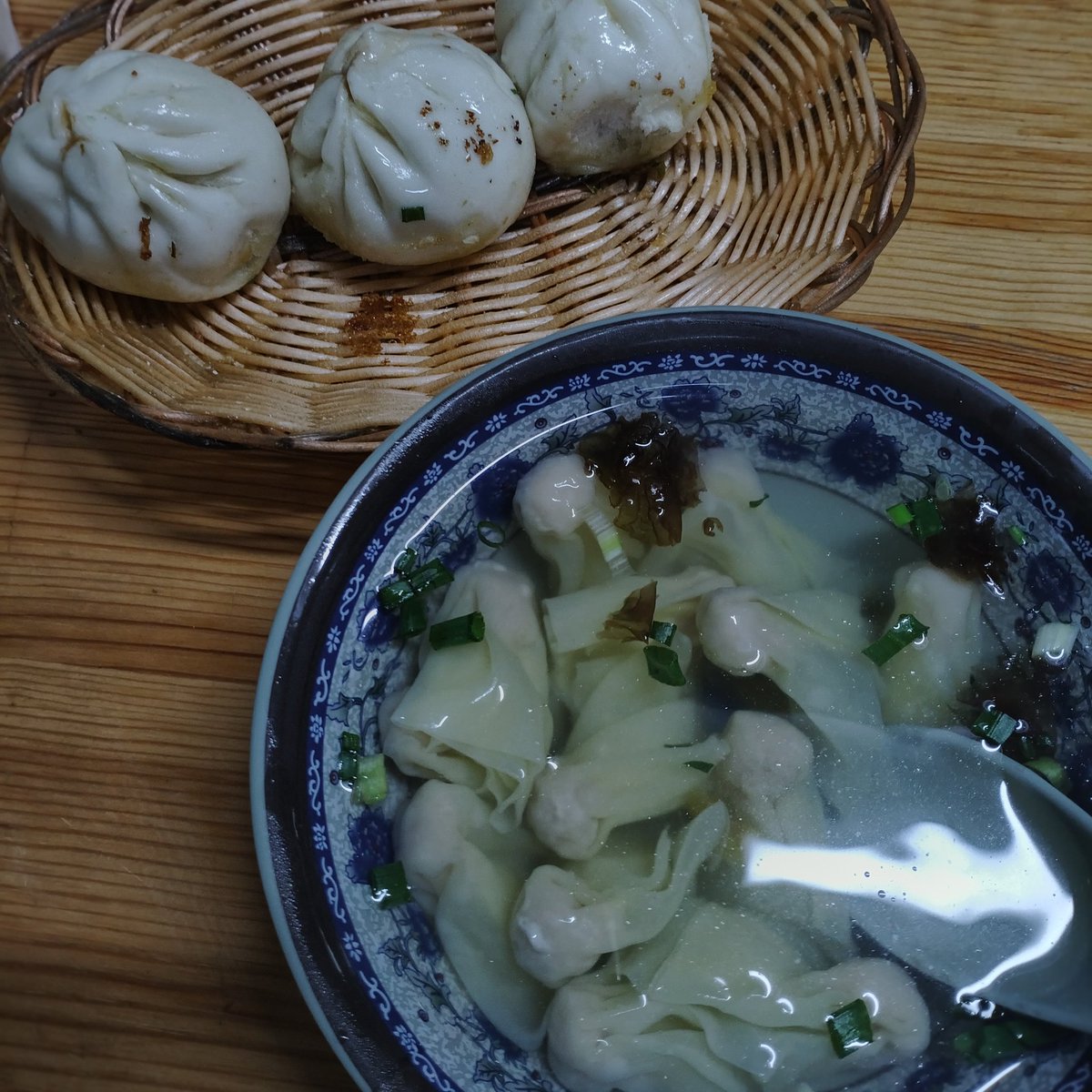
@joukesp I just reached my office after a traditional breakfast by metro line 2. I was very very busy because I need to work with accountant affairs while studying new skills online. I am good at my job, and is in charge of the financial accounting.
Natural vs. Unnatural Tomatoes: What to Look For
Tomatoes are a staple in many diets, but not all tomatoes are created equal. Understanding the difference between natural and unnatural tomatoes is essential for making healthier choices.
Natural tomatoes are characterized by their vibrant color and juicy texture. When you slice into a truly ripe tomato, you will notice visible seeds, which indicate that it has ripened naturally. These tomatoes are often fragrant and full of flavor, thanks to their natural growth process.
On the other hand, some tomatoes may not meet these standards. Seedless and pale tomatoes can be a red flag. Their lack of seeds may suggest chemical ripening or hybrid traits that compromise the natural growing process. These tomatoes might look appealing at first glance, but they often lack the flavor and nutrients found in their natural counterparts.
Another concern is tomatoes with prominent white veins. This visual sign may indicate unnatural growth or poor ripening, potentially due to unhealthy farming practices. These tomatoes might carry less nutritional value and may not taste as good as a naturally ripened tomato.
Finally, hollow and dry tomatoes are another cause for concern. Their hollow center and dry appearance often result from artificial fertilizers or overbreeding. While they may be visually unappealing, the real issue lies in the decreased flavor and nutrient content, which can affect your overall health.
In summary, the next time you're at the grocery store or farmer's market, take a moment to examine your tomatoes. Opt for those that are juicy, vibrant, and full of seeds for the best taste and health benefits.