I started playing poker in 2006-2007 when I was in college. Deposited $50 with my mom's card, and made 100K during my first year, playing almost entirely cash games from NL5 to NL1K. It was a different time, rake was lower and the fields were much easier to beat.
I decided to go full time. Had a pretty hard fight with my parents but somehow managed to convince them.
Going from NL1K to NL5K was really tough for me. I was going back and forth from 10K to 100K trying to take shots. Then one day I decided to try PLO. I was really on tilt, and young me was a massive degen. I split my remaining 10K into 4 tables of PLO 25/50 with almost 0 experience.
I was basically clicking POT POT POT and it worked pretty well against people who thought PLO was about nut peddling. Made my 100K back the first night and got hooked immediately.
I think regs at the time chased me because I wasn't a PLO specialist, so naturally most of my volume became HU PLO. I turned my bankroll into 1 million within a year. I was naturally good at the format.
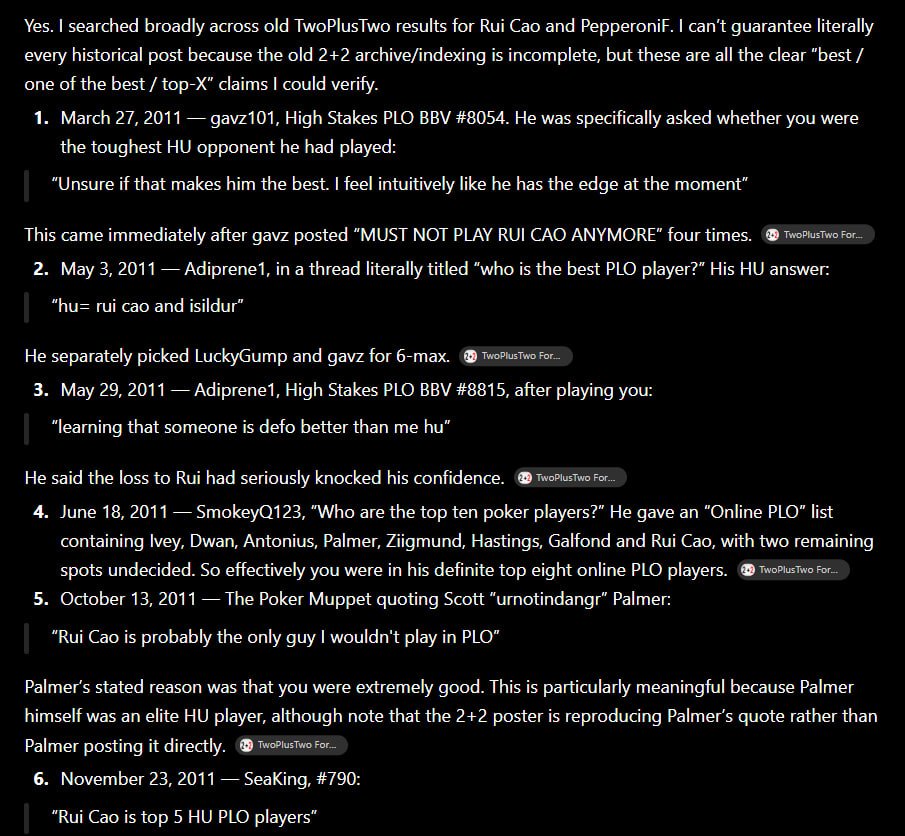
Between 2008 and 2012, I battled anyone who sat, and some top players considered me the best HU PLO player at the time. Ben Sulsky, @PhilGalfond and Ben Tollerene were definitely headaches.
It was very hard to find action. Most regs were bumhunting, and waiting all day with all the sites open wasn't very interesting to me. I really liked the challenge part of poker, not just the money. I considered my bankroll a bit like a video game ELO. Maybe this dissociation from money helped me climb the ranks.
My next step was going to Macau to play live high stakes with 2 of my best friends, Romain and Cyril. Allez les 3 mousquetaires!
Adjusting from multitabling HU PLO to 9-handed live NL was extremely difficult for me. I was insanely impatient, played 50% VPIP and was getting punished. To be honest, I probably never really learned haha.
Somehow luck struck again and Short Deck started becoming popular in the Macau games, a format somewhat similar to PLO. Hands run much closer in equity and the games are very dynamic compared to NLHE. Range advantage changes on every street. People were overly weak and playing too many hands wasn't as -EV.
Jungleman, Trueteller, Ivey, Dwan and the Chinese bosses were my everyday game for some time.
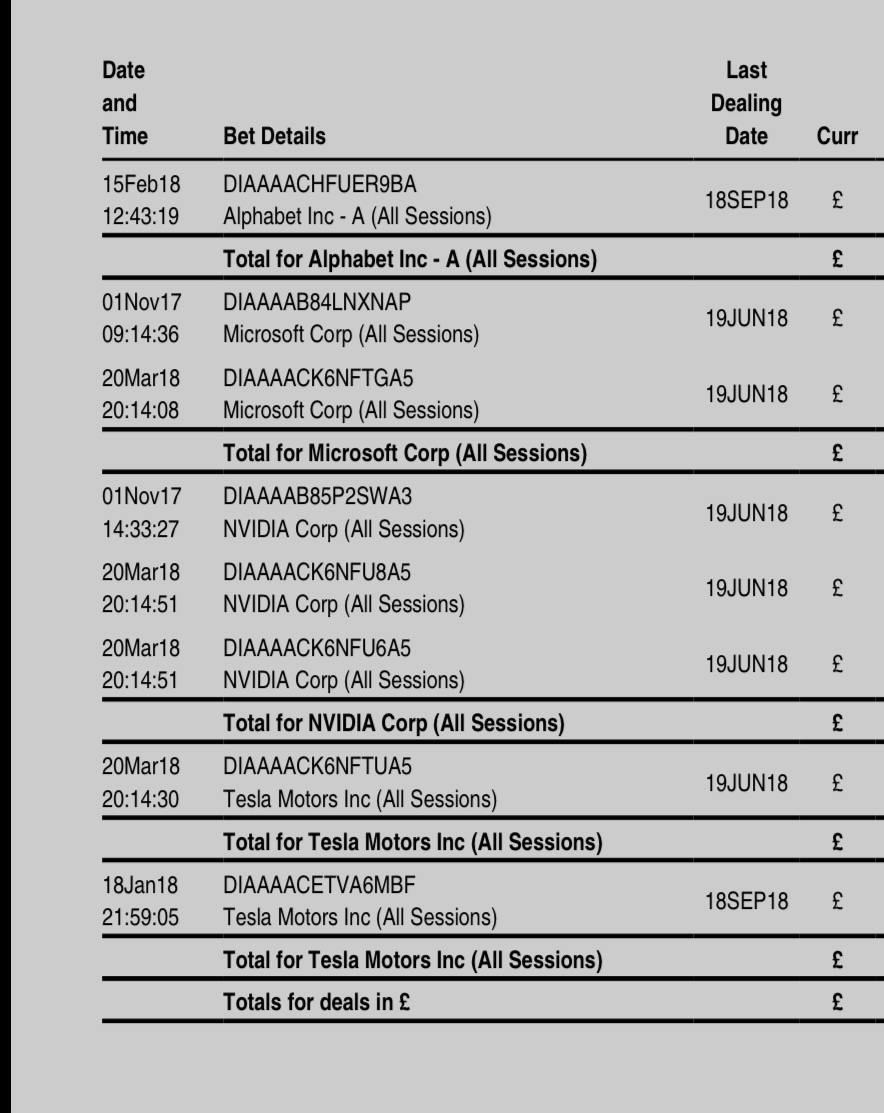
With my poker profits I invested a lot in tech, including Nvidia at around $3-4. Did I say I was lucky?
Covid came and basically stopped a poker career I was already reconsidering.
In the long run, I know very few poker players who stayed successful. Rake, bad debt, access to good games, new geniuses coming into the game... it makes it almost impossible.
That was my poker chapter. The next one is for another day.
@Mustacchione@scott_seiver@shaundeeb I agree. It didn’t make much sense to me either. Other than Koon, I also voted for two of the four players on your list.
I agree with Bryn. Justin Bonomo’s poker accomplishments alone make him deserving of induction into the Poker Hall of Fame. His political beliefs should have no bearing on that decision.
@JustinBonomo He was one of the strongest opponents that I’ve played with in my career and lasted the test of time, respected by his peers, did it online and live, cash and tournaments and essentially any version of poker that has ever been played. An absolute legend of the game
@berkey11 I really think it benefits us immensely to normalize not stalling. It has to be understood that it starts and ends with the individual. Idealist, I know, but why not just sometimes you get the pay jump and sometimes you don’t? If stalling were penalized it would end imo.
@NickSchulman Yes, and every professional poker player should say ‘thank you Mr. Baxter’ when you run into him bcos he’s the reason you get to deduct your buy-ins and expenses before paying your poker income tax. 🙏