📢 Happy to share our new accepted review paper on the darkside of repetitive subconcussive head impacts in sports w/ @IngoHelmich, Bhagyashree Singh & Ferdinand Binkofski in @IntJSportsMed#concussion#BrainHealth
https://t.co/mh763CDPcp
🧵👇🏼 (1/9)
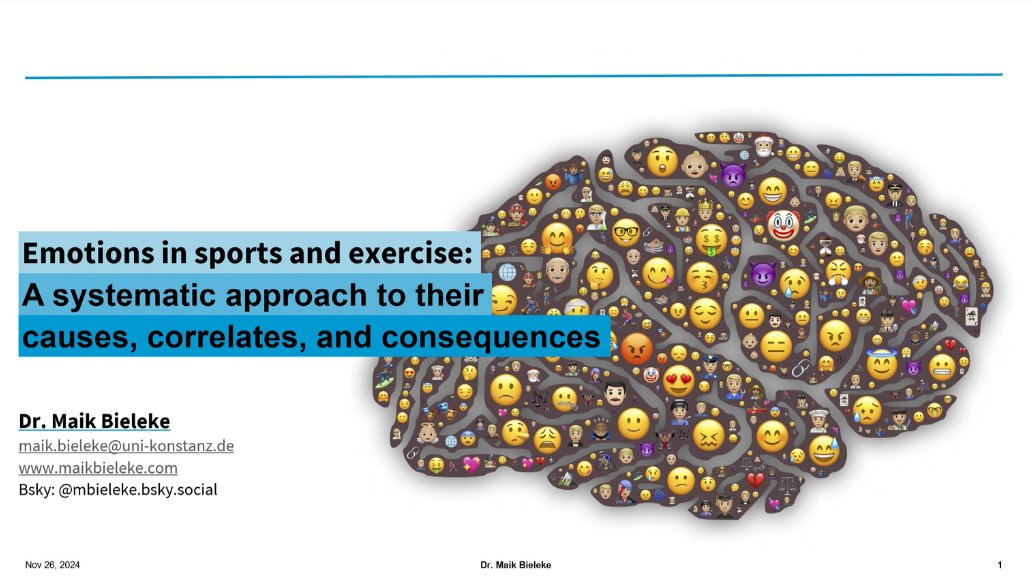
It was a pleasure hosting Dr. Maik Bieleke in our #DHPRLab meeting!
Dr. @MBieleke shared valuable insights on Emotions in Sport & Exercise, including fascinating statistical approaches to understand emotional dynamics.
Thank you for an inspiring and thought-provoking session!
Boredom signals an activity isn't rewarding enough. Exercise & dating might not (always) be instantly rewarding but have long-term benefits. Could combining them enhance value & reduce boredom? 🤔 😉
➡️ https://t.co/qXoHrAueDp
Thanks for the chat, Anne Paulsen!
We have recently published a meta-analysis with @martarelli_cori🔔
We explored if the pupil old/new effect is a reliable measure of recognition memory (it is), and if task and sample characteristics moderate the effect (some of them do).
Read here: https://t.co/vYx3Leba8I
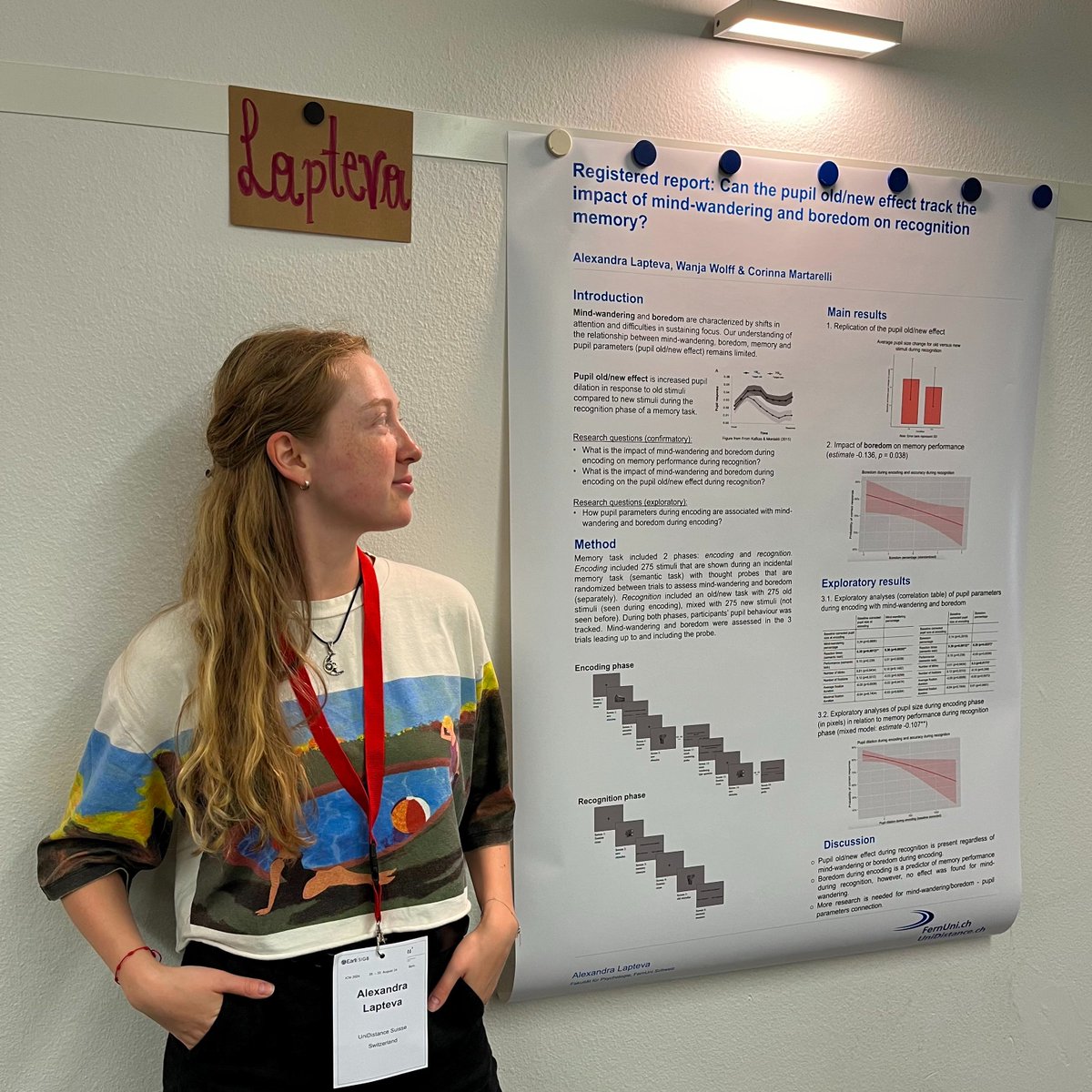
I was thrilled to present my poster on ▫️The role of the pupil old/new effect in tracking the effects of mind-wandering and boredom▫️ this past summer at the International Conference on Motivation & Emotion (ICM 2024) at the University of Bern (https://t.co/kBNzykS7Nj)
We’re happy to welcome our new Operative Lab Head, Dr. Johannes Keyser! 🎉As our team continues to grow, his expertise will further enhance and strengthen us.
Exciting two days hosting our colleagues from Goethe Universität Frankfurt, Prof. Chris Englert and his group! 🤝 We shared ongoing projects, had inspiring science talks, and showed them around the beautiful Alster. Collaboration fuels innovation! 🌍
I was grateful for the opportunity to share some of my knowledge on sport-related concussions at the applied sportsmedicine workshop (@Sportäztebund Nordrhein). Thanks for the amazing support of my colleague B. Singh and for the discussion.
@sportaerzte #concussion#brainhealth
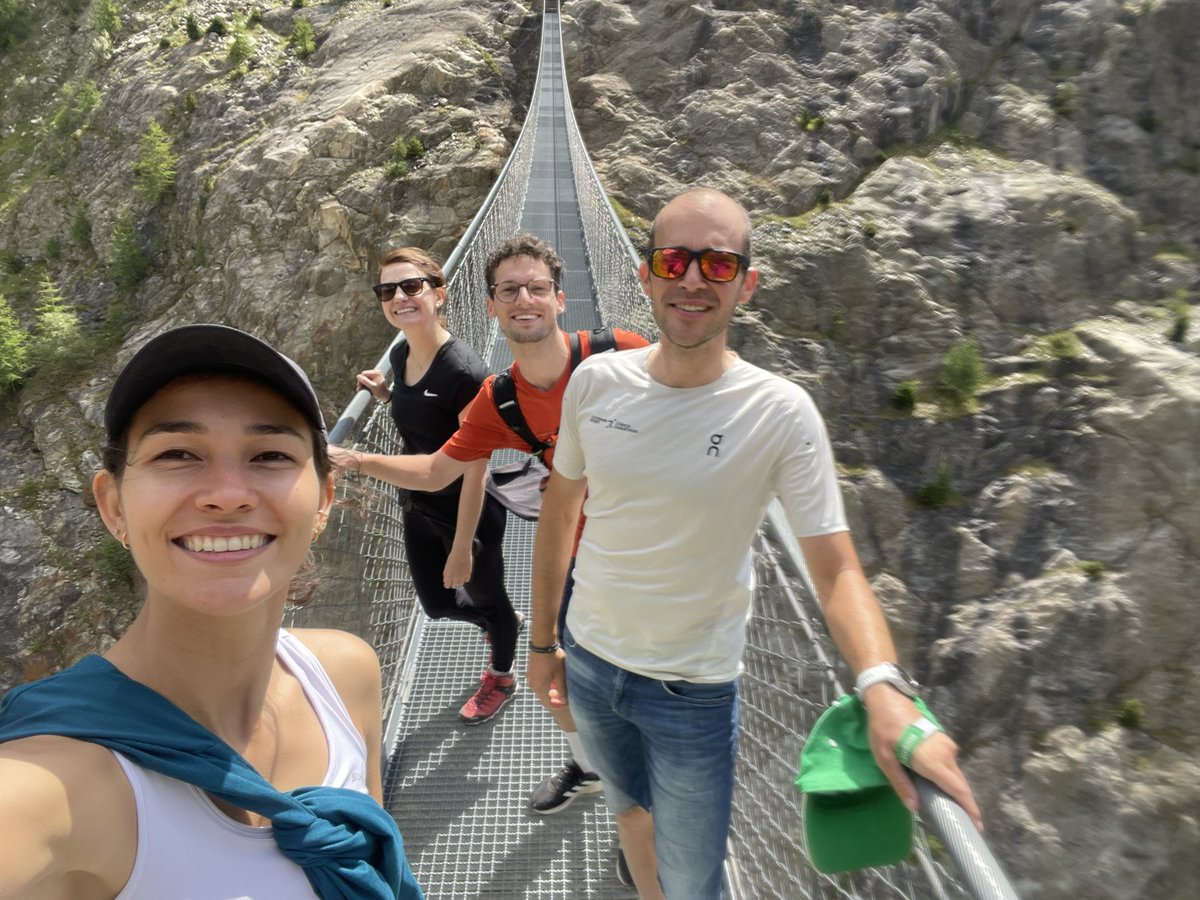
Our group had an amazing experience with @martarelli_cori and her group in Brig! Besides sharing our knowledge’s and discussing on some new research ideas, we also experienced hiking in beautiful Alpine mountains ⛰️
We hope to highlight the significant dangers of sport participation in such sports. We hope to encourage further research in this field to better understand the human brain and its striking functions. (9/9)
Interestingly, the quote „every hit matters“ seems to be true in this context, as structural and functional changes are both related to the total number of RSHIs sustained across time. It is therefore important to regularly assess the athlete’s brain health status (7/9)
📢 Happy to share our new accepted review paper on the darkside of repetitive subconcussive head impacts in sports w/ @IngoHelmich, Bhagyashree Singh & Ferdinand Binkofski in @IntJSportsMed#concussion#BrainHealth
https://t.co/mh763CDPcp
🧵👇🏼 (1/9)
Surprisingly, no overt functional impairments were reported as could be expected in relation to structural damage. Why is that? Potentially because of the athletes’ brain‘s ability to compensate for structural damage. What a wonderful organ.. (6/9)
We found that RSHIs induce structural brain damage to the white matter microstructure, such as axonal injury, chronic tissue deformation, and increased inflammation. Shockingly, these are common symptoms in diagnosed concussions and even present after one season. (5/9)
To estimate the outcomes of such impacts on human brain structure and function, we conducted a systematic literature review. Included studies used head acceleration surveillance systems in practice and/ or games and investigated athletes brain structure and/ or function. (4/9)
Subconcussive head impacts (RSHIs) in sports occur more regularly than concussive hits. They happen in several contact sports, such as American football, ice hockey, rugby, and soccer. Sports, which are played all around the globe. (3/9)
Understanding the role of subconcussive head impacts in sports on neurophysiological and cognitive outcomes is crucial, as it is an often overlooked phenomenon - compared to the sequelae of diagnosed concussions in sports. (2/9)