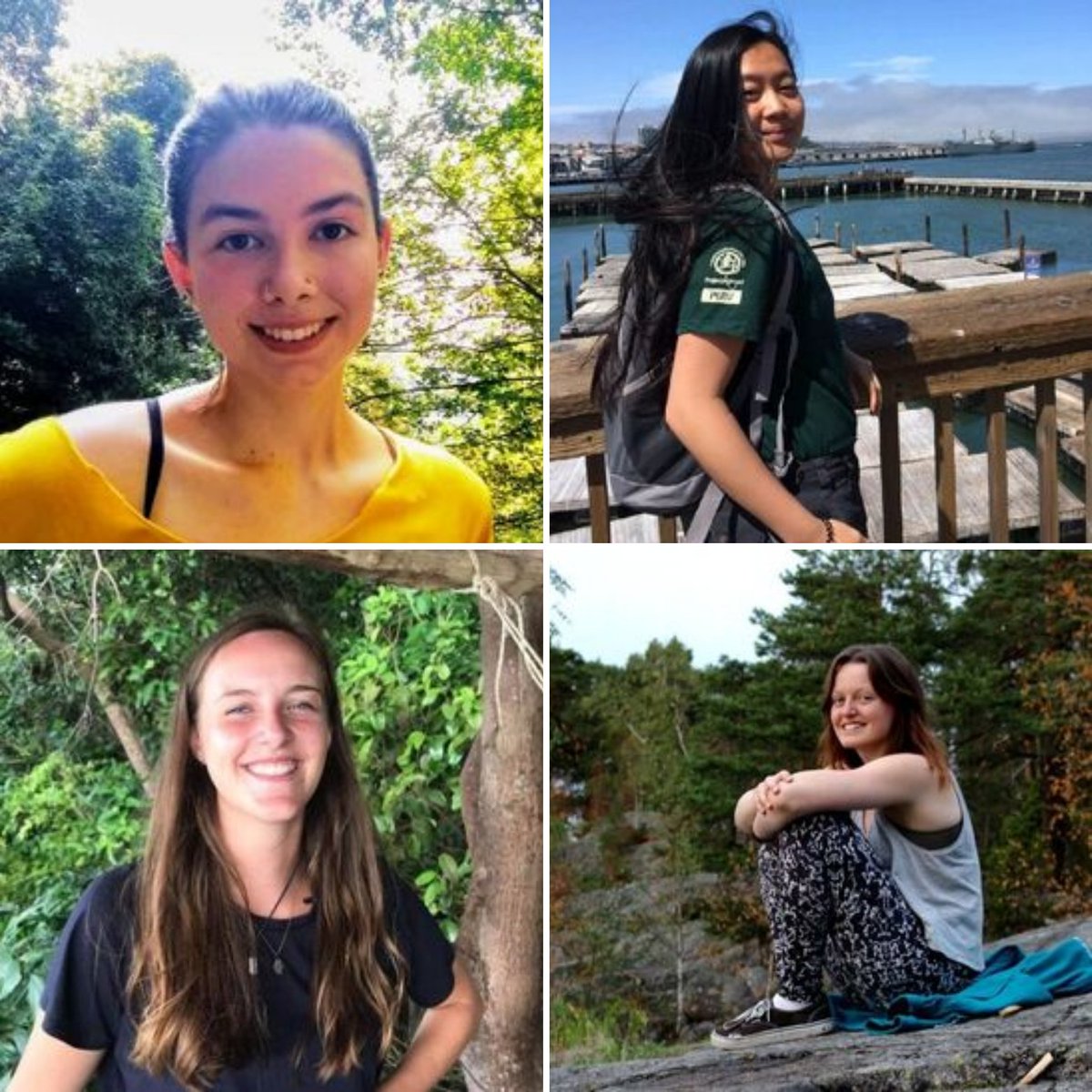
Science is essential to understanding the climate crisis. But, in practice, how do scientists actually study the effects of climate change? We asked bioscientists @Carbon_Chris95 and @JasmineRoha to show us what it’s like to be a climate change researcher: https://t.co/jHDpXE3a3C
Why can't we just pay landowners for 'producing' wildlife.
So for example if you have a nesting curlew on your land you get £1000, a corncrake £5000, a newt £12 etc?
Why don't we do that?
Check out our presentation at #vEGU21 this Friday 15:30 - 17:00 (CEST) - biogeoscience session BG3.25
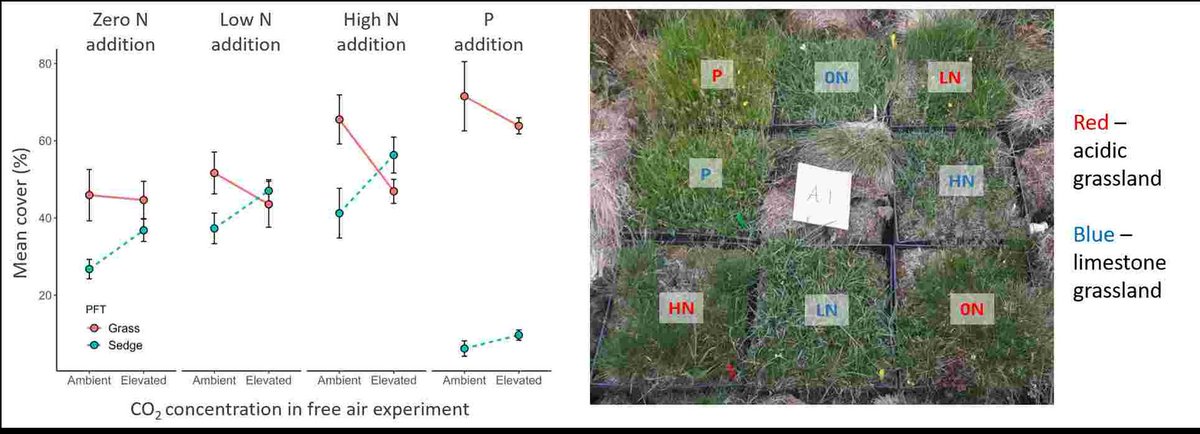
I'll be discussing our research integrating empirical and modelled carbon, nitrogen and phosphorus cycling in our long-term grassland experiment
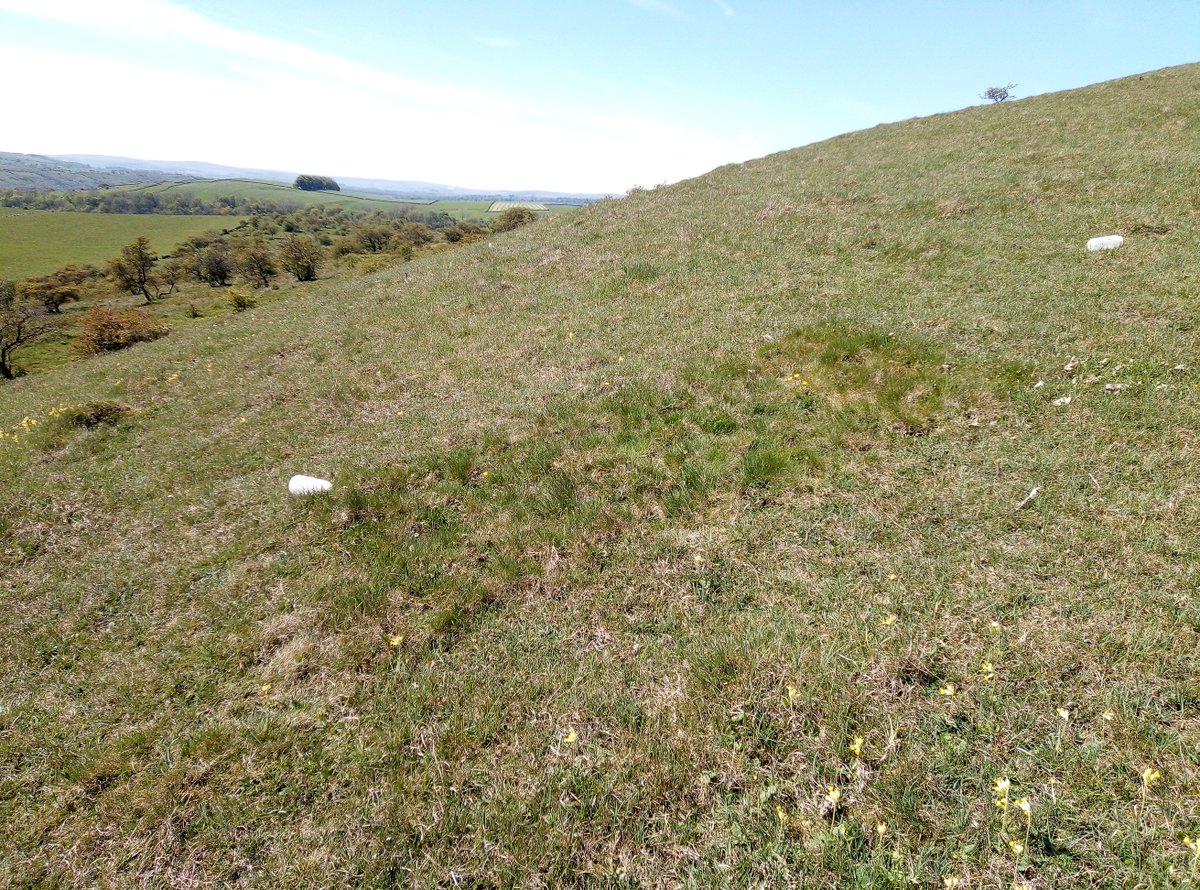
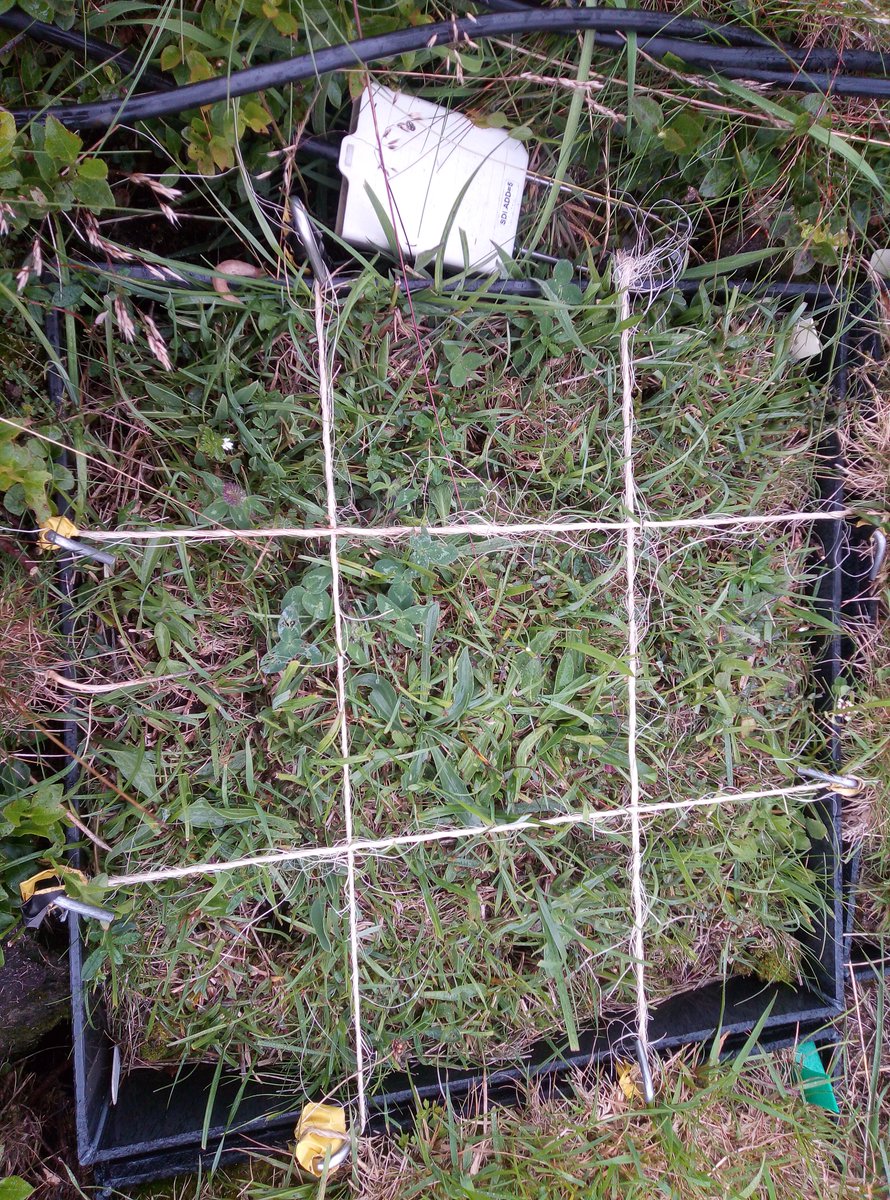
The blog of our @ECT_UK funded fieldwork season from happier times last year - looking at plant community response to CO2 and nutrient limitation.
The data are already showing fascinating results so watch this space!
@LukeEngland98@fluxsoilsleaves@GarethPhoenix@ACCE_DTP
Thankfully we finished our field season before being hammered by the British summertime...
Thanks once again to the @ECT_UK for funding this work - I'm looking forward to getting stuck into our brand new #climatechange datasets
@LukeEngland98@GarethPhoenix@fluxsoilsleaves
We've been working hard behind the scenes and have some very exciting announcements to make in the next couple of weeks!! Watch this space and please continue to share ☺️ In the meantime, we thought it was about time we introduced ourselves!https://t.co/i7JG0WcMz9
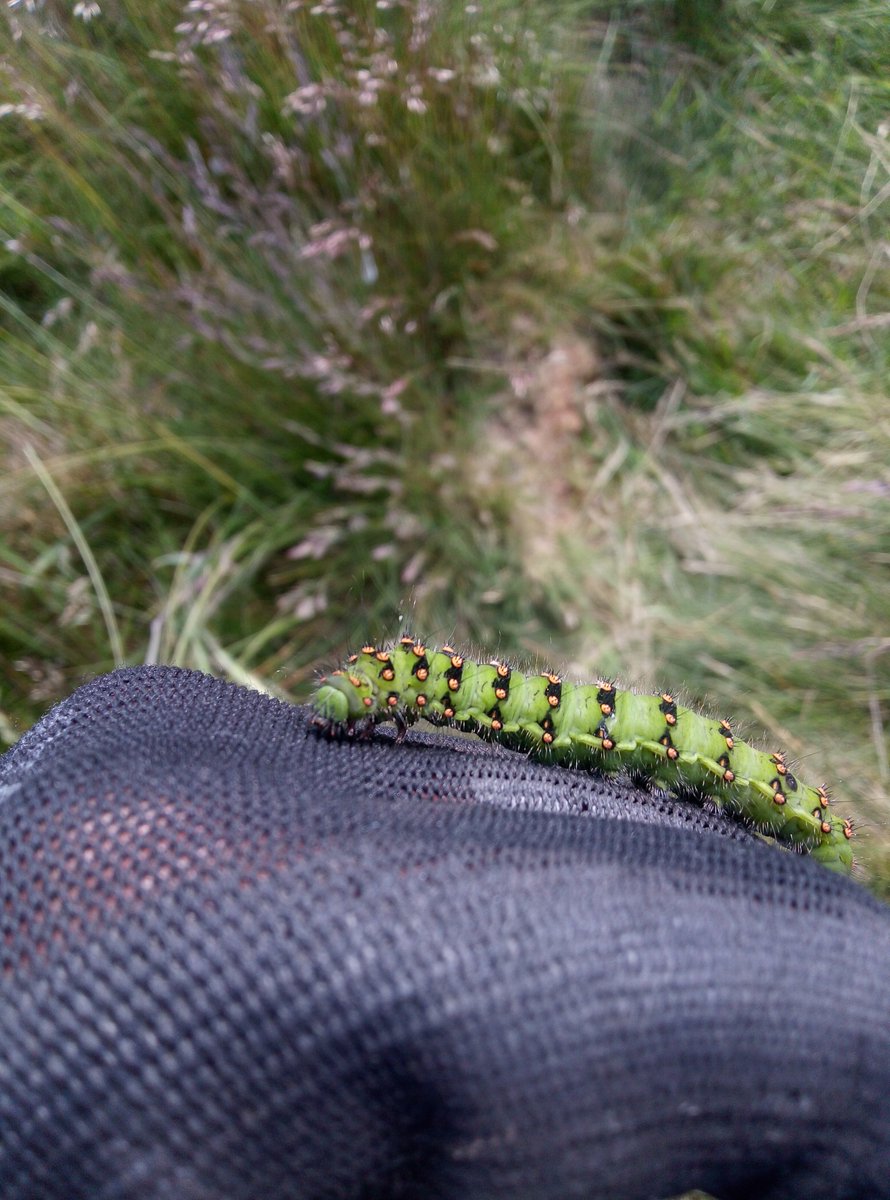
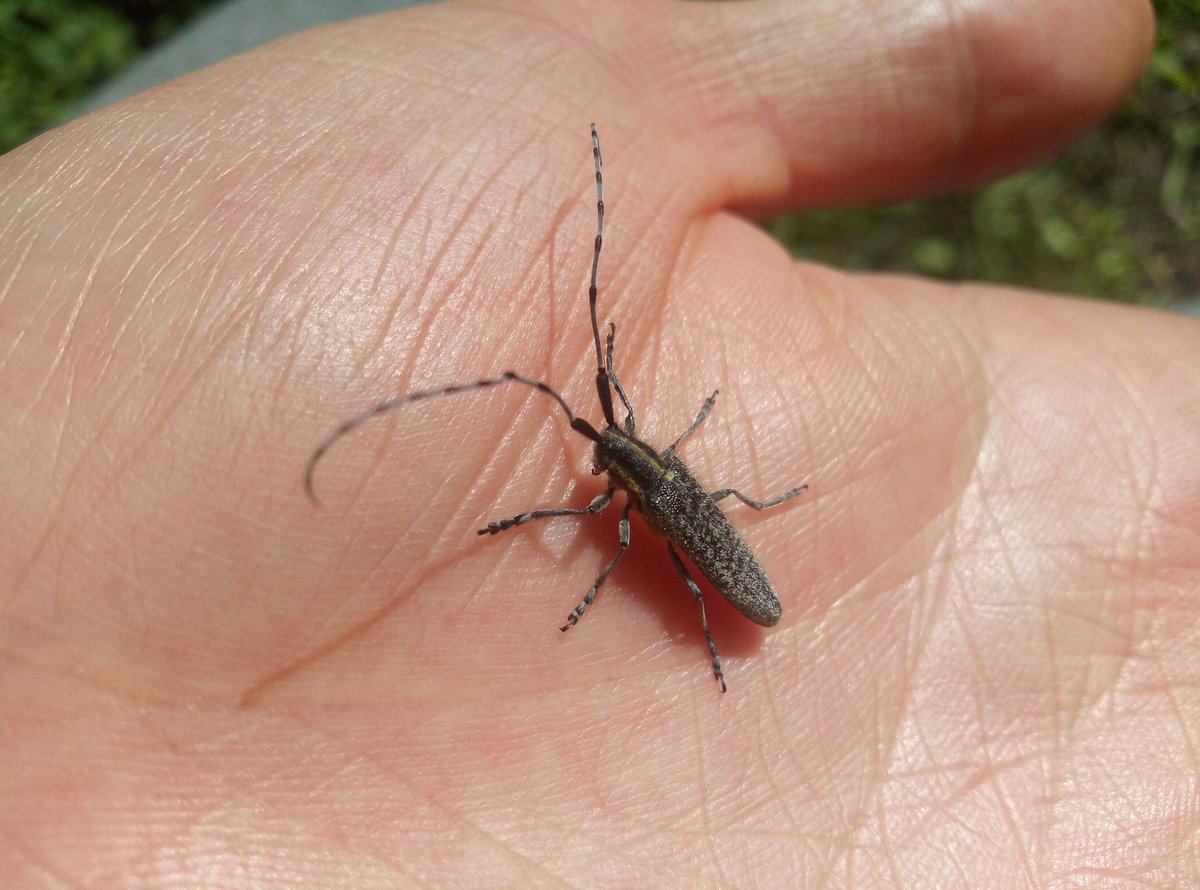
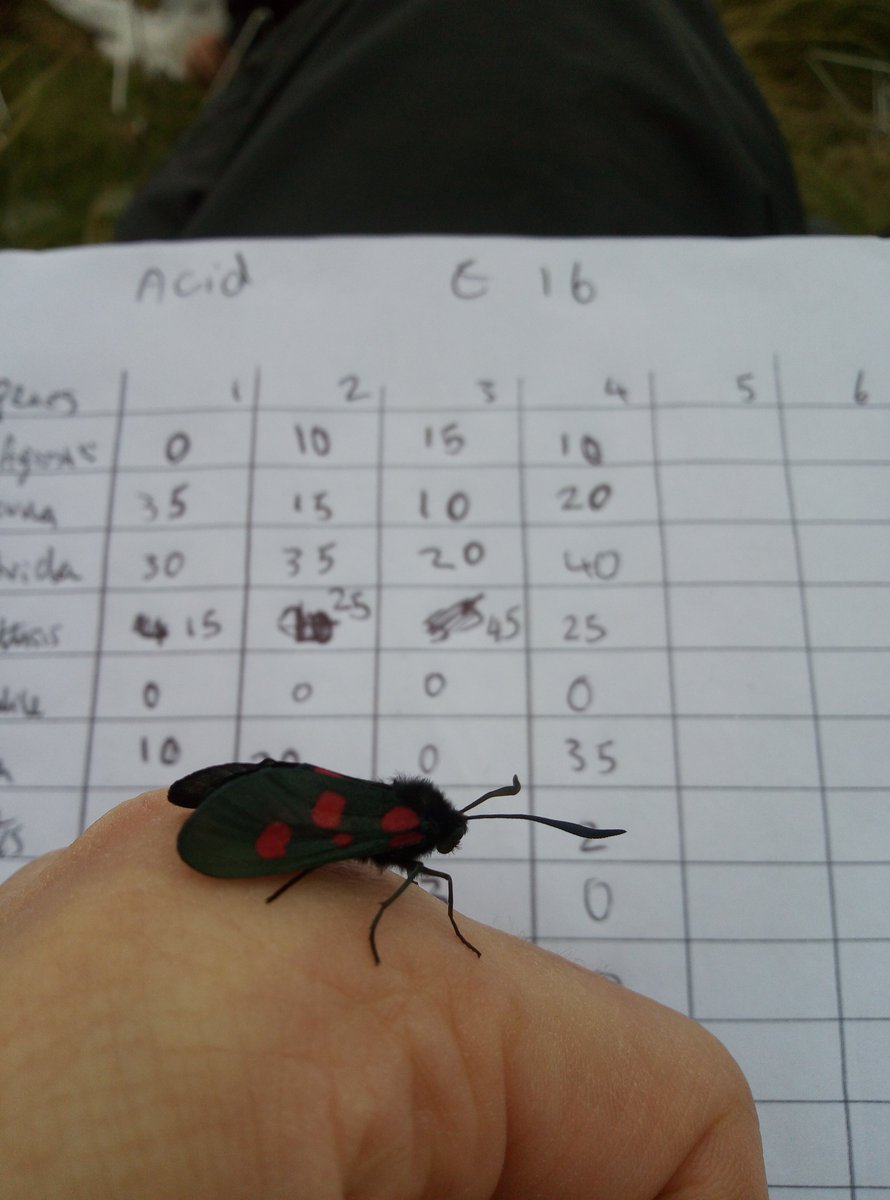
We're approaching the halfway mark of our @ECT_UK funded fieldwork season and so far we've proven to be a real hit with the locals.
#peakdistrict#ecology#phdchat
Looking forward to getting stuck into a season of (socially-distanced) fieldwork thanks to the @ECT
We'll be looking at how grassland plant carbon and nitrogen content responds to elevated CO2 and nutrient manipulation
With @GarethPhoenix@fluxsoilsleaves and Luke England