More good news🥳 Our paper on the effect of music interventions and sleep hygiene for pregnancy-related insomnia is now out in Journal of Midwifery & Women's Health. Thanks to all co-authors!
@musicbrainAU@LullabyteDN
https://t.co/gMO2JOABl3
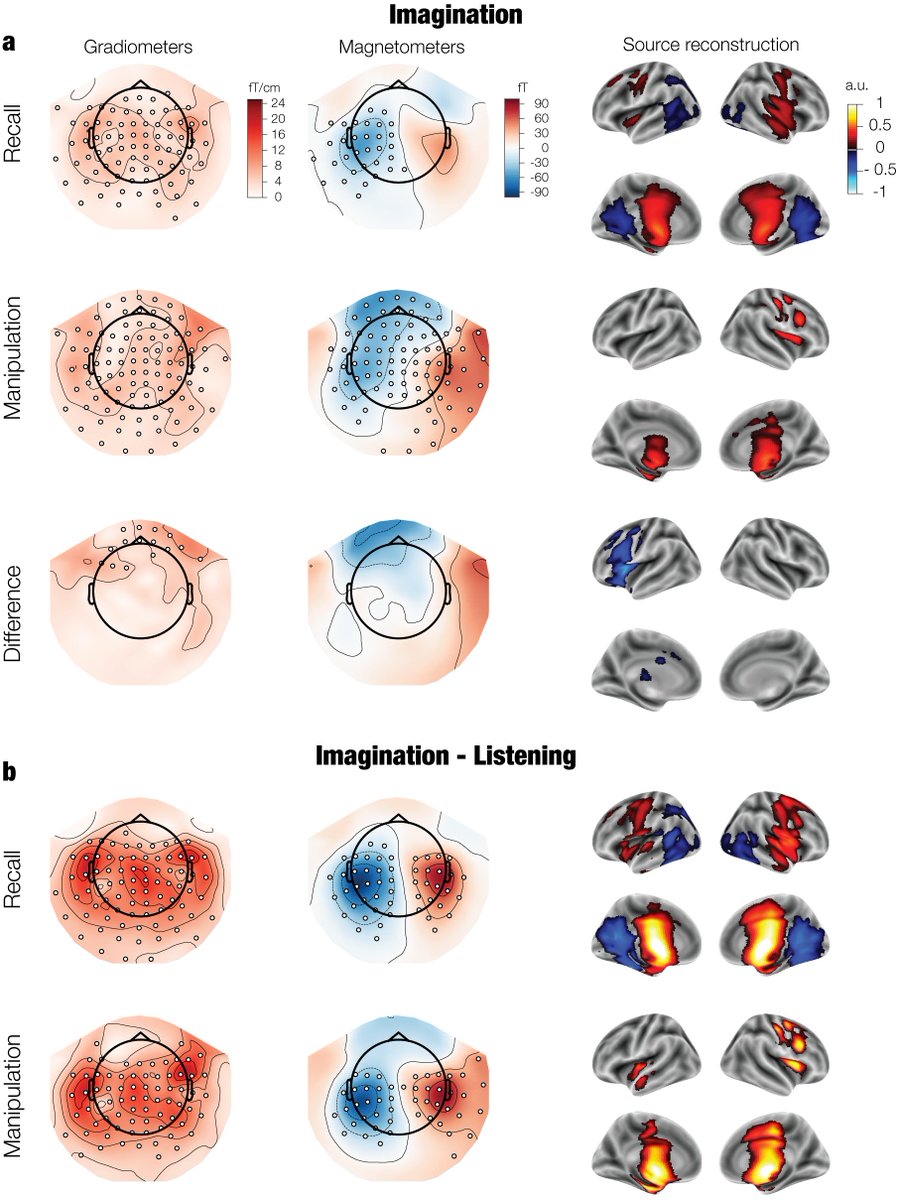
Have you ever had a song stuck in your head?
Then you might be interested in our new #musicscience work just published in @PLOSBiology
https://t.co/JZXM1P8Fh5
We used decoding to investigate how the brain represents perceived and imagined musical sounds.
TL;DR below 1/
New paper out in European Psychiatry🎉 Great work by @Tuesday654321 summarising the evidence on the effects of music for improving sleep in adults with mental health problems.
https://t.co/fY0rVIRzrg
@EP_Editors@musicbrainAU@LullabyteDN
Hi, I’m Bagmish, a PhD researcher at @EndelSound. My work focuses on using AI-generated music to enhance sleep quality, exploring how sound influences the brain through EEG studies. Music has always been central to my life, and I’m excited to bring that passion into my research.
T minus 3 days! Exciting lectures and demos open to all at the Lullabyte Summer School at @mtg_upf in Barcelona! Check out the details in the thread below or view the schedule here: https://t.co/CAEICqXao1
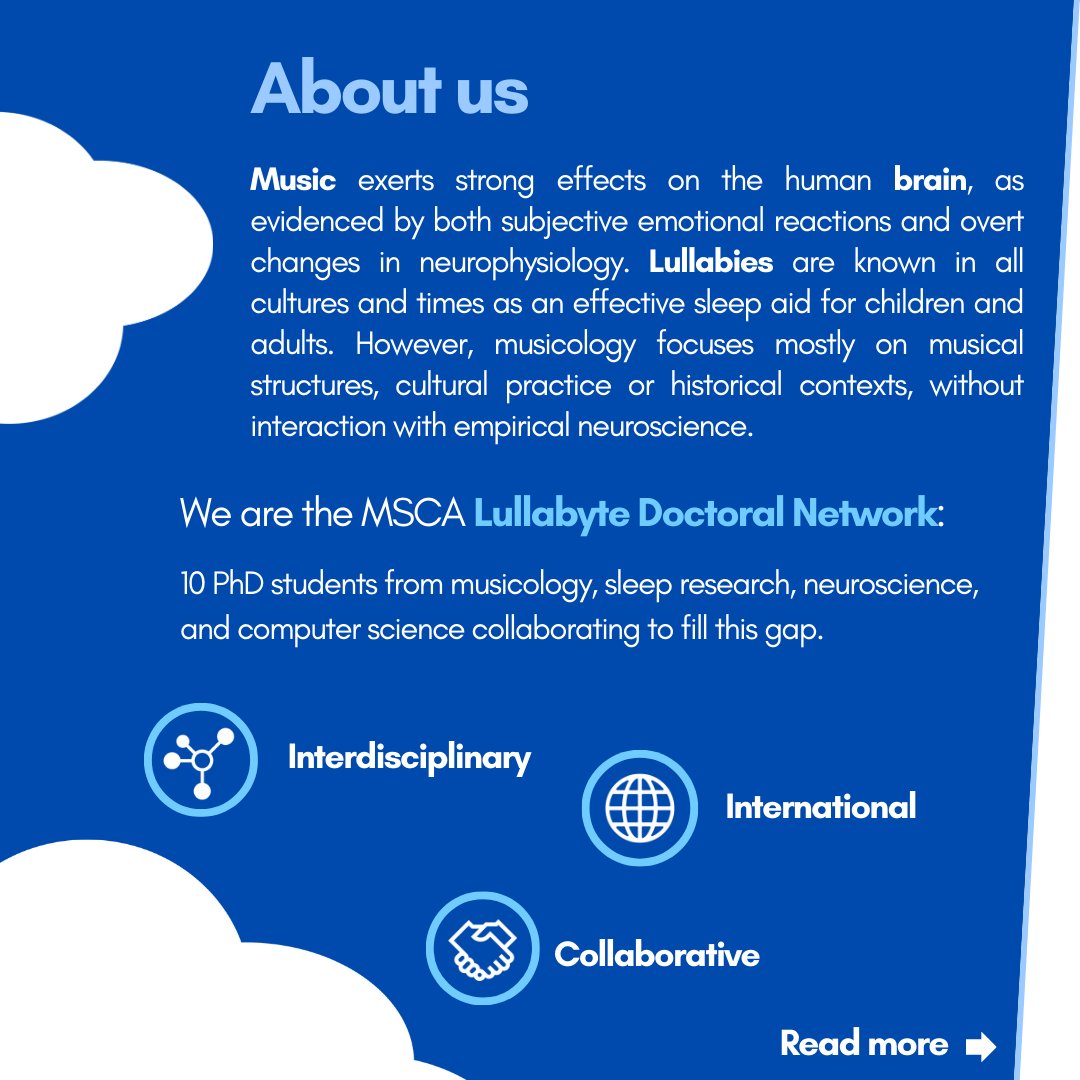
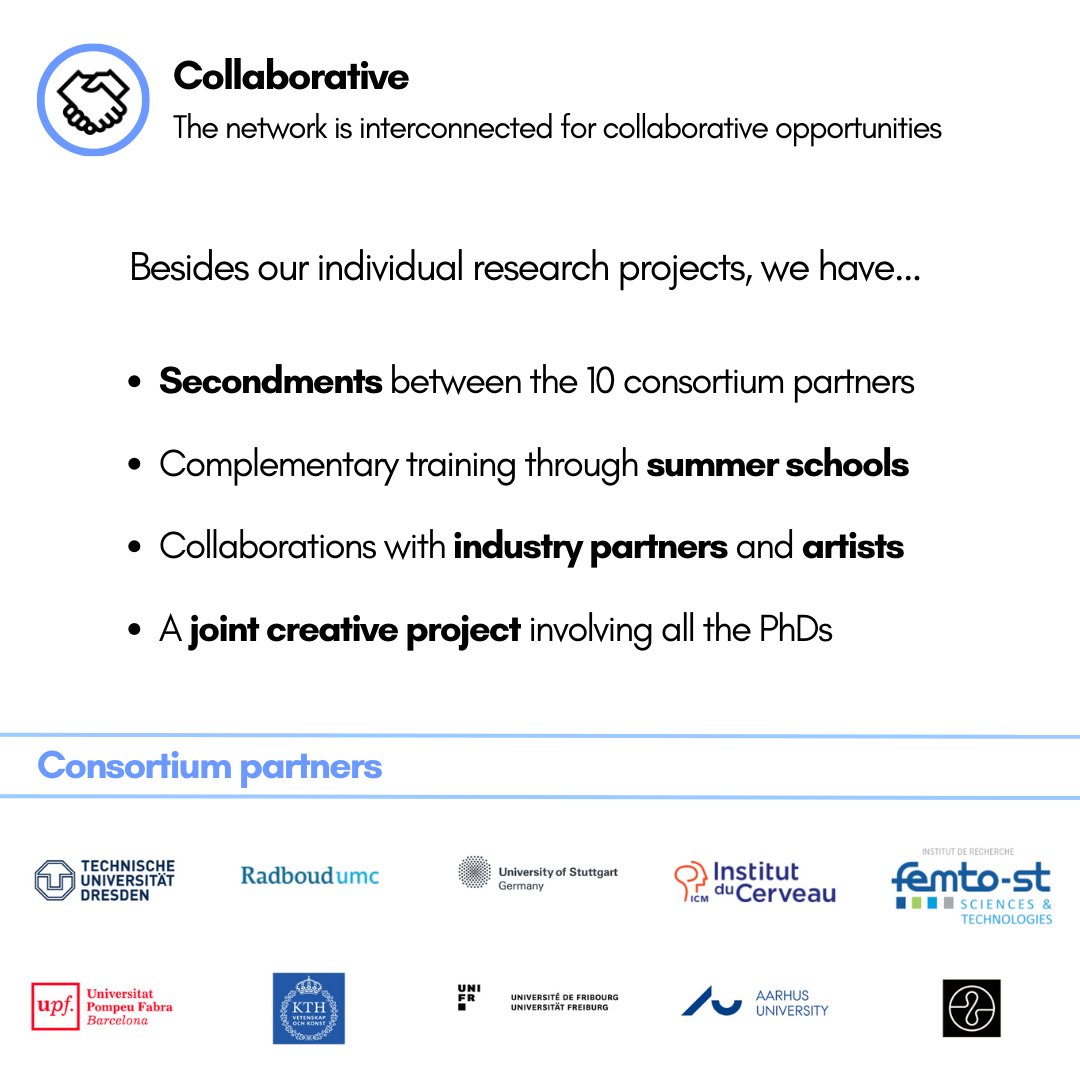
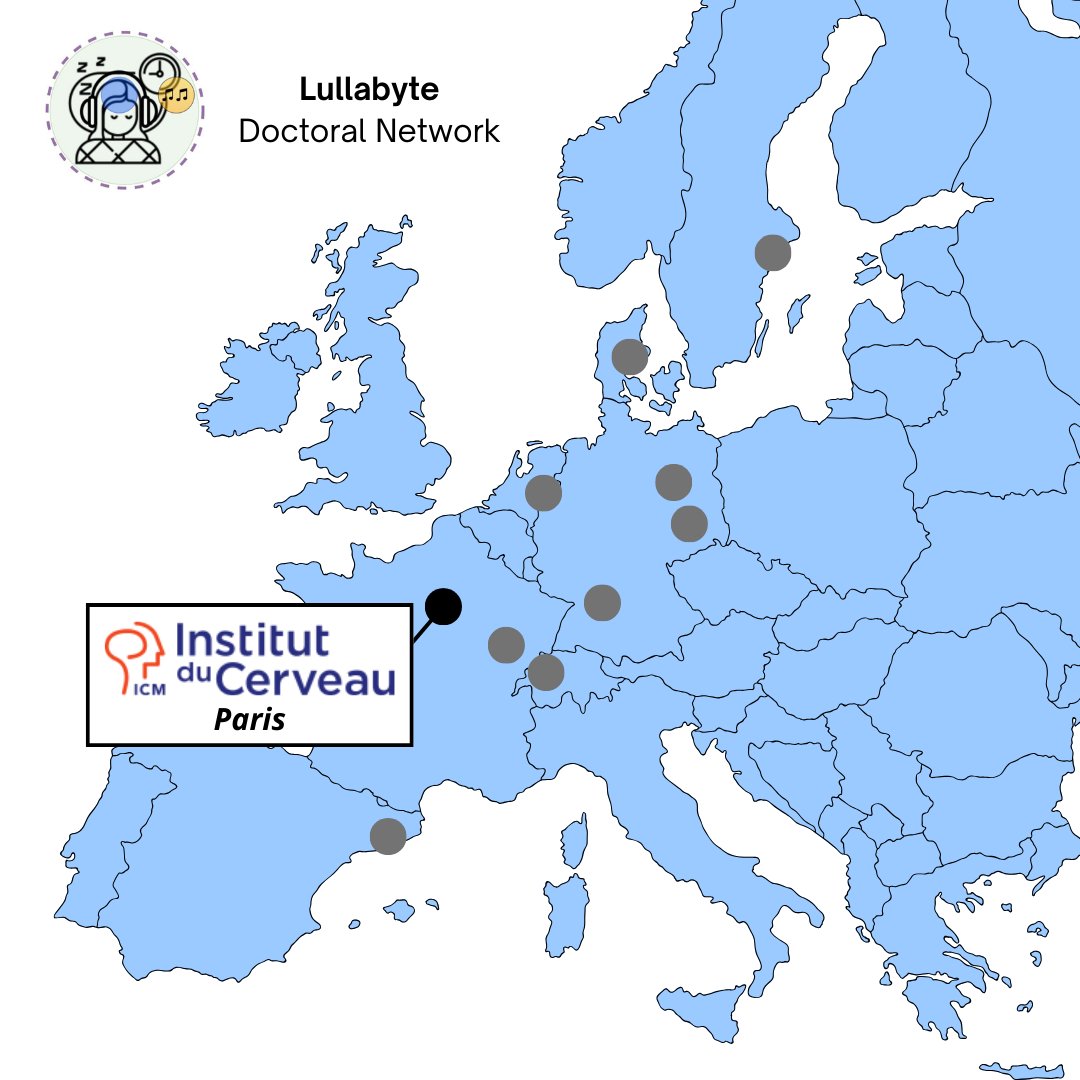
We are an international team aiming at unravelling the effects of music on sleep through interdisciplinary research and collaborative forces across academia and industry!
Thrilled to collaborate with acclaimed composer Natasha Barrett, an expert in acousmatic and live electroacoustic works. Together, we're preparing an engrossing sleep music performance at Barcelona summer camp. Get ready for an immersive sonic experience! #SoundArt#Ambisonics
Hi! I'm Ali, a Ph.D. candidate at @DondersInst Sleep and Memory Lab, originally from Iran. My focus lies in building a robust data infrastructure for big #sleepdata integration and analysis. Beyond that, I'm passionate about #datascience, #programming, and #entrepreneurship!
Hello! I am Silvia from Italy, and I am a PhD Student at @musicbrainAU. I'm exploring how personal characteristics, music preferences, and habits can impact our selection of music for sleep, aiming to understand how different types of music can improve our sleep quality!
I’m Sam, and I’m working on AI for the generation of personalised sleep-enhancing music, using physiological measurements such as EEG and heart rate. Originally from the UK, I am now doing my PhD at @Uni_Stuttgart, and in my free time enjoy hiking in the Black Forest!
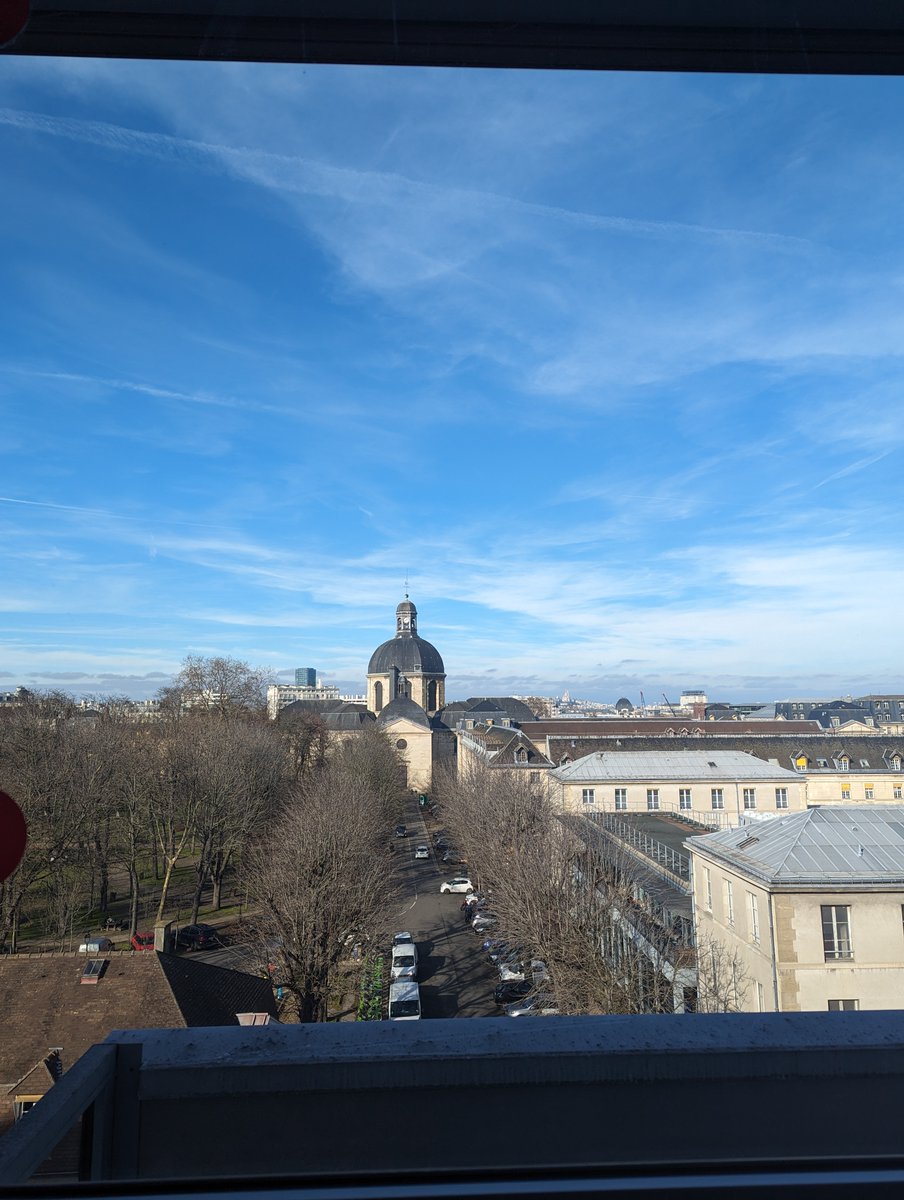
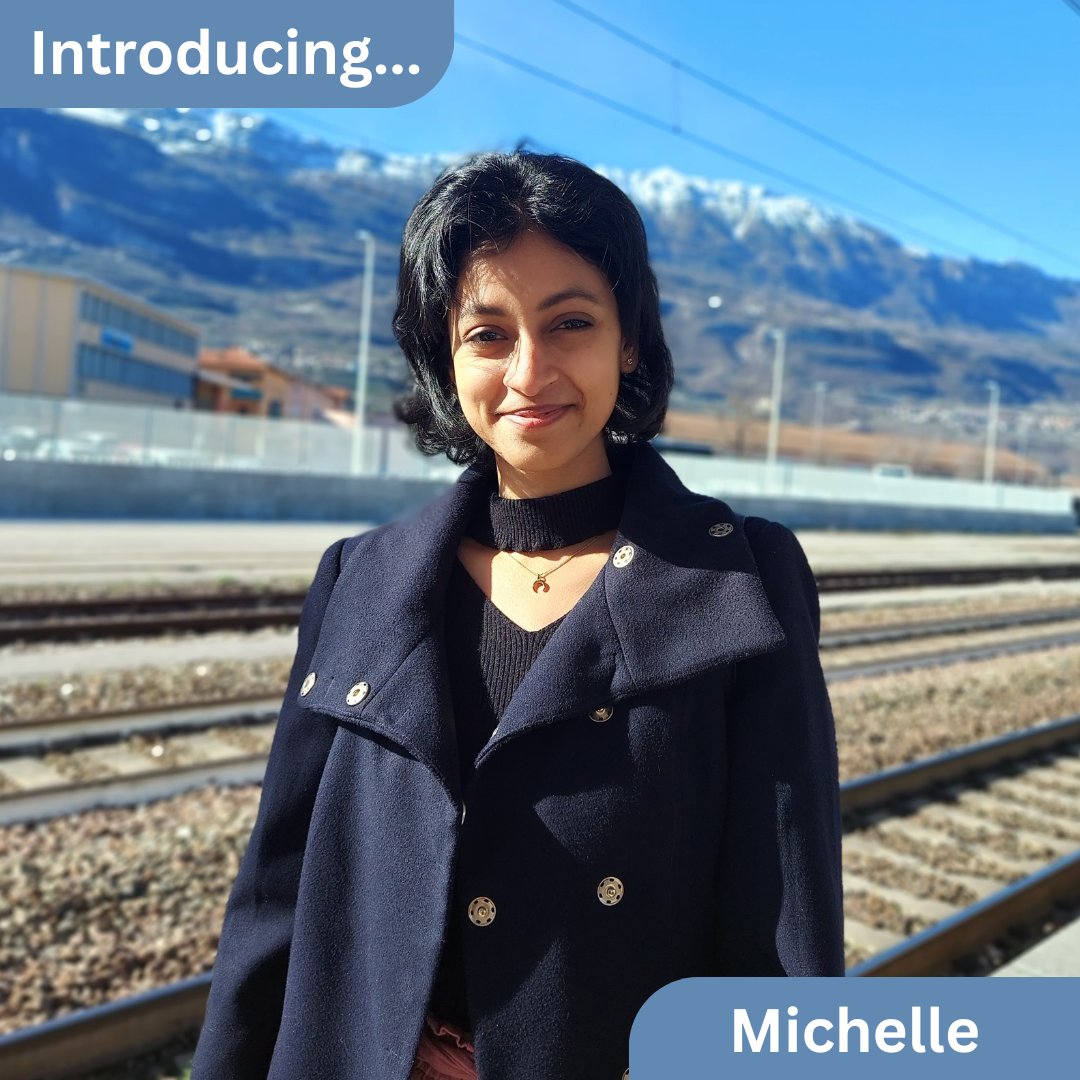
Hi! I'm Michelle, a PhD candidate at @DreamTeam_ICM. I’m exploring how our predictive and perceptual experiences of music shift while asleep. How does short-term memory shape the anticipation of familiar and unfamiliar melodies in sleep?#predictivecoding#MusicandSleep
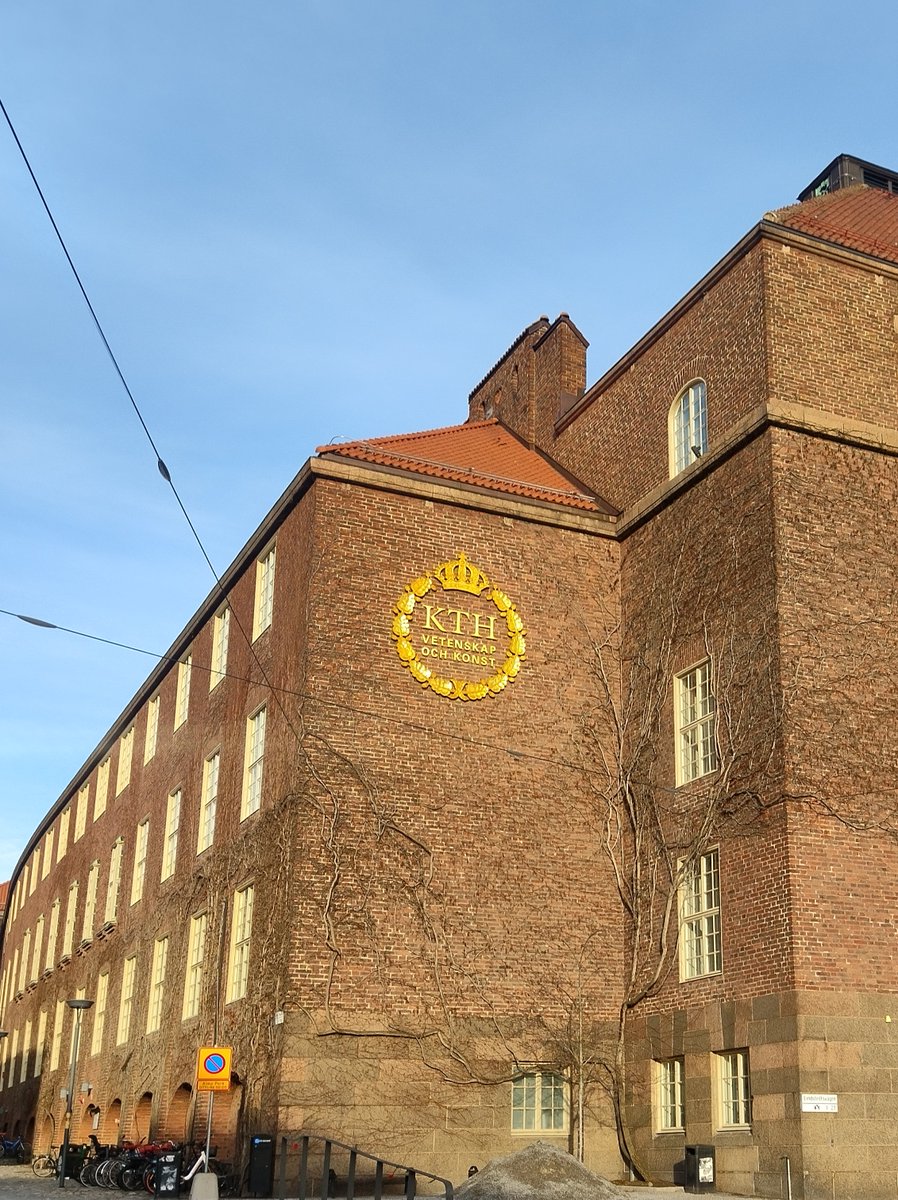
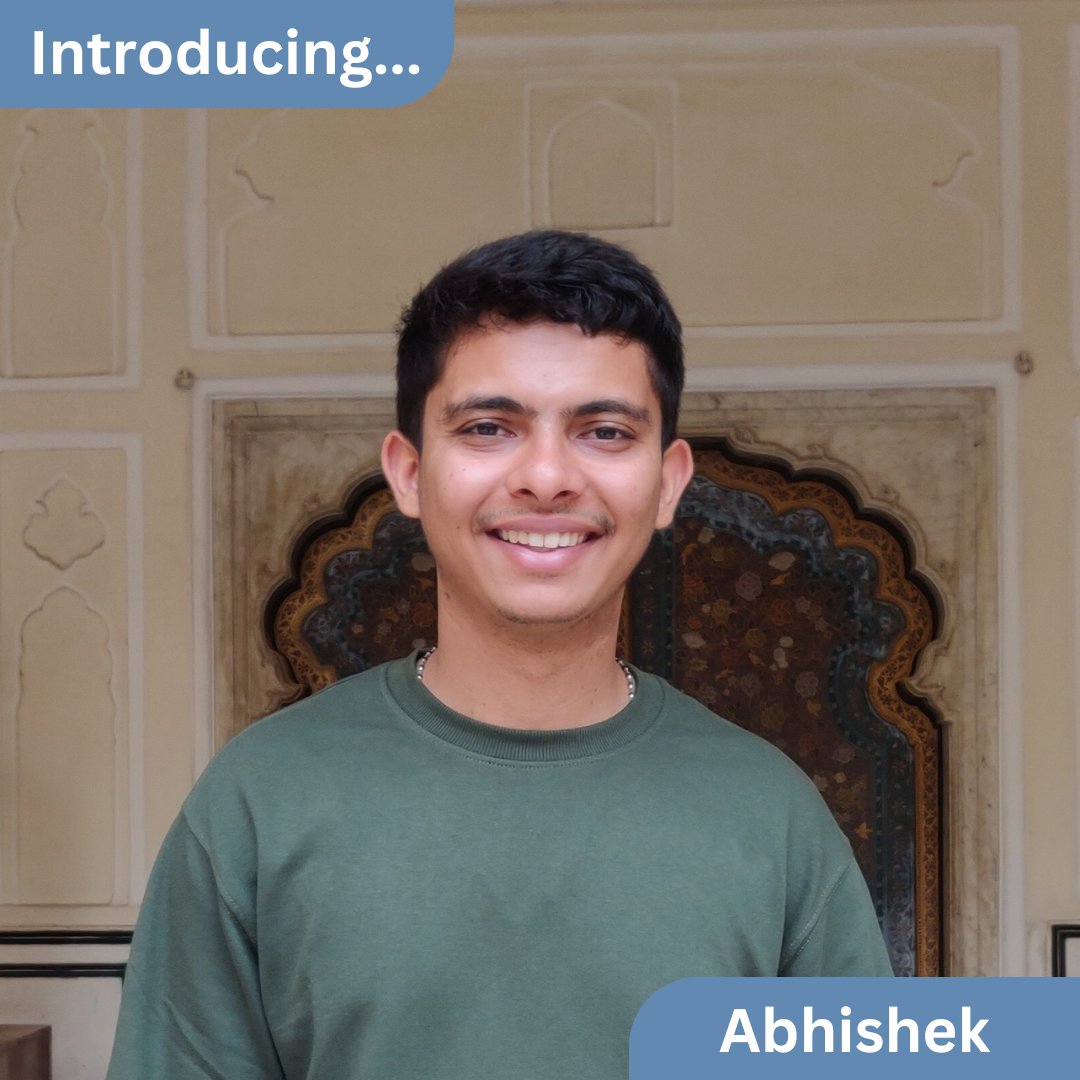
I am Abhishek, a PhD student @mid_kth in the Lullabyte Doctoral network. My research focus: to understand how sounds/music affect sleep and how we can utilize them to create sonification and personalized sonic interaction designs to promote healthy sleep #sleep#sonification#SID
Hi there! I'm Tristan from the UK and I'm a musicology PhD @tudresden_de. My research focuses on the spaces created and experienced when listening to music for sleeping and how these affect people's sleep. What worlds and environments do we enter when listening to music in bed?
Hi, I'm Zhenxing, a PhD student at @FemtoSt. I'm interested in how music drives brain-state transitions through a dynamic system perspective. Combined with closed-loop auditory stimulation, this will enable interaction with the real-time sleeping brain! #dynamicsystem#CLAS
Which statistics does the brain track while monitoring the rapid progression of sensory information? #preprint https://t.co/YUCtXOUmwc by @sijiazhao92 Benjamin Skerritt-Davis, Mounya Elhilali, Fred Dick & @mariachait 🧵1/5
Sounds that were percussive, with complex time-varied harmonic overtones, like a xylophone's ping are considered least annoying whilst commanding attention!
https://t.co/829OHyekMN