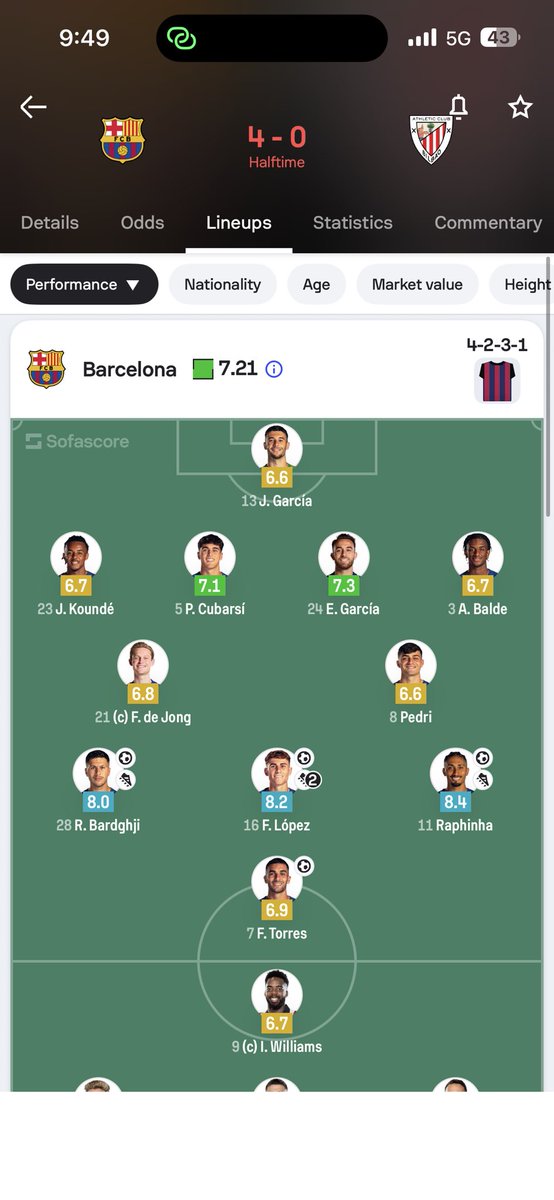
🚨🔵🔴 EXCLUSIVE: RODRI TO BARCELONA, HERE WE GO! 💥
Deal agreed for Spanish midfielder to join Barça from Man City, all done for the former Ballon d’Or.
Green light from Man City to last Barcelona bid.
More follows. 💣
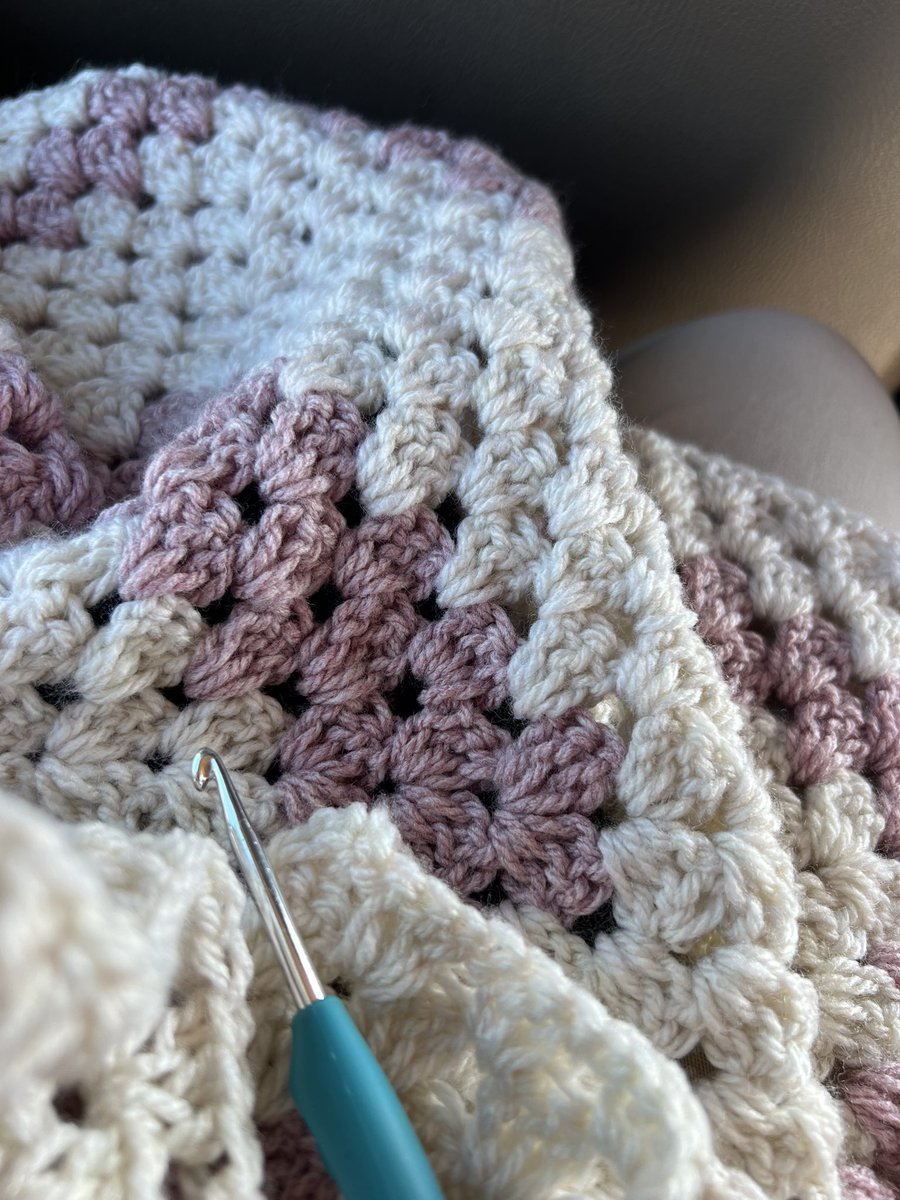
I’m hosting a Stitch & Sip next month 🥺. It’s more than a crochet class, it’s a space to unwind, learn a new skill, and build community. Materials? I’ve got you!
📍Plot 13, Omelo Mumba Rd, Lusaka
🎟️K500
📆 2nd Aug, 2025 🕑 14:00–17:00 🔗 Link in next post.
I missed hip-pop!! So here’s a little something, enjoy
P.s the rumours are true, the Pole Pole Documentary is officially out on the 28th of February.
What are you looking forward to the most?
📍@OpenWindowUniversity
AID FREEZE: WHAT HAPPENS TO THE MILLIONS IN NEED NOW?
By Dingindaba Jonah Buyoya
Zambia’s health sector is facing a looming crisis as the Trump administration’s directive to halt the disbursement of HIV medications purchased with U.S. aid takes effect. The move, part of a broader freeze on foreign aid, directly targets the President’s Emergency Plan for AIDS Relief (PEPFAR), a global health initiative credited with saving over 25 million lives worldwide. For Zambia, a country heavily reliant on PEPFAR support, this decision threatens to reverse decades of progress in combating the HIV epidemic.
From inception, it is important to mention that Zambian citizens are and must always be the responsibility of the Zambian government. They are not entitled to any other country's taxpayers' money. In fact, that's the conundrum. Nonetheless, no single country on earth should ever have to endure such an abrupt uncertainty. No single country should have that kind of power over another. Perhaps it is time we seriously have that conversation, before we pick up our begging bowl to the next rich uncle.
That aside, let us look at what's actually at stake now. Since its inception in 2004, PEPFAR has been a cornerstone of Zambia's national HIV response. The program has contributed over $6.7 billion (K167bn) to the fight against HIV, enabling more than 1.2 million Zambians to access free, life-saving antiretroviral treatment (ART). This support has halved annual HIV-related deaths and brought over 86 percent of HIV-positive Zambians to undetectable viral loads, effectively halting further transmission.
Just last year, the US government announced $367 million (K9.2 bn) of new support toward Zambia’s national HIV response over the next year.
This freeze on aid disrupts the supply chain of HIV medications, leaving clinics across Zambia and indeed the rest of Africa with drugs they are now prohibited from distributing. This abrupt halt jeopardizes the lives of millions, particularly vulnerable groups such as children, adolescents, and young women, who already face significant barriers to accessing care. For these populations, the suspension of aid could mean a resurgence of the epidemic, reversing hard-won gains.
We can very briefly also glance at the fact that there are thousands of Zambians working in various roles across the US funded health programs in Zambia, particularly focused on HIV/AIDS prevention and treatment initiatives due to the high prevalence of HIV in the country; this includes healthcare workers, community mobilizers, program managers, and administrative staff. Some of these people have already been asked to walk; because there's no work for them now.
Zambia’s health sector is already burdened by funding gaps and a heavy reliance on external donors. We know that approximately 80 percent of the national health budget is financed by domestic revenue, with grants from international partners like PEPFAR playing a very important supplementary role. The government has over the last two decades not had to worry about ART funding, which they effectively must worry about now.
The withdrawal of U.S. support not only threatens HIV treatment but also undermines broader healthcare efforts, including maternal and child health initiatives and the fight against diseases like malaria and tuberculosis.
With 15.4 percent HIV prevalence in the Copperbelt and 15.1 percent in Lusaka -the two most affected provinces - our healthcare system risks becoming overwhelmed. Clinics could see an increase in preventable deaths, surging new infections, and a breakdown of critical prevention programs such as condom distribution, voluntary male circumcision, and mother-to-child transmission prevention.
Zambia’s youth and women bear a disproportionate share of the HIV burden. According to UNICEF, only 60 percent of adolescents living with HIV are on treatment, and condom use among sexually active adolescents remains critically low. The freeze on PEPFAR funding further exacerbates this crisis, cutting off essential services like HIV testing, education, and prevention programs for these high-risk groups.
Women aged 15+ account for 26,000 new HIV infections annually, compared to 19,000 among their male counterparts. Without continued access to ART, these women are at heightened risk, potentially transmitting the virus to their children and partners. The progress made in reducing mother-to-child transmission, which averted 12,000 infections in 2020, is now at stake.
Well, the die is cast now and Zambia must now confront a dual challenge: addressing the immediate fallout of the aid freeze while exploring alternative funding mechanisms to sustain its HIV response. However, with 16 percent of the 2025 national budget already financed through borrowing, the government’s capacity to fill the gap is limited.
It is, in fact, a huge blow and the state has its work cut out for it. The government is responsible for their people, so they must always make a plan. Ministry of Health is tomorrow expected to make an official announcement on what is coming next after this disruption.