@ClaesClasse Du behöver inte be om ursäkt. Vill bara meddela att allt inte behöver vara som det ser ut när man utifrån ser och läser. Även på herrsidan finns det väldigt mycket bra och en stor framtidstro i Aranäs – världens näst största handbollsklubb räknat i antalet aktiva spelare.
@petter96946388@peter18moller@RasmusBoysen92@EmilB86@virre3000 Fd domarbas Mikael Claesson svarade så här för en tid sedan i Aftonbladet;
-Är försvararen först på plats, är passiv med armarna och ”tar smällen” så är det stürmerfoul.
Passiva armar? Men i sådana lägen-konsultera med domarekollegan för att fatta ett så moget beslut som möjligt.
Uppenbart att omvärlden inte tycker att palestinska liv är värda att sörjas
Denna dubbelmoral försöker inte ens dölja att palestinska liv inte är värda att sörjas, skriver Nina Gren och Helena Lindholm.
https://t.co/z10rMvid4e
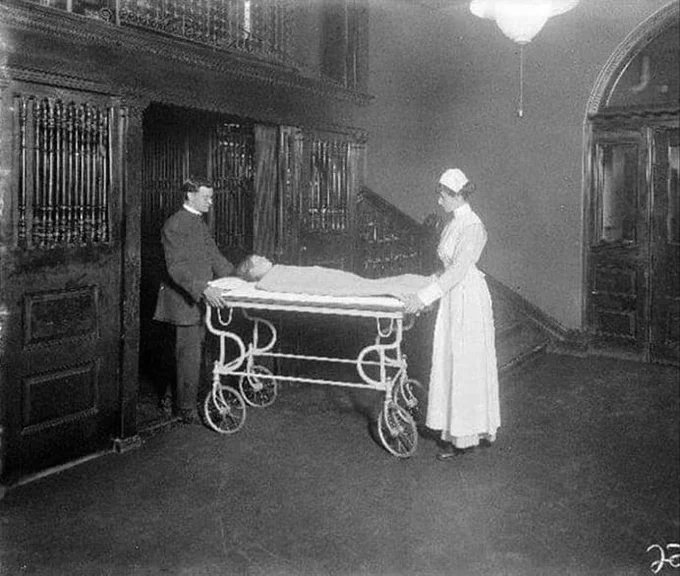
In 1922, a team of scientists went to the Toronto General Hospital, where numerous children with diabetes - often upwards of 50 - were housed in wards. Most of these children were in diabetic comas.
In what can only be described as their deathbeds, these children were waiting for a fate that, at the time, was deemed certain.
However, these scientists, brimming with determination, promptly began administering a newly purified insulin.
As they injected the final comatose child, a miracle happened - the first child who had received the injection started to regain consciousness.
And, one after another, the rest of the children also began to wake up from their diabetic comas. What was once a room of despair and imminent death had become a beacon of hope and joy.
The discovery of insulin was made by Frederick Banting and Charles Best under the supervision of John Macleod at the University of Toronto during the early 1920s.
They were assisted by James Collip, who played a crucial role in purifying insulin, thus paving the way for successful diabetes treatment. Their ground-breaking work earned Banting and Macleod the prestigious Nobel Prize in 1923.