#UPDATE: A recent report published by The Economist on the situation in #Somalia has sparked widespread backlash across social media platforms, with critics calling it misleading and out of touch with the current realities on the ground.
Somali users and commentators have strongly reacted to the article, accusing it of lacking factual accuracy and failing to reflect the progress made in both security and infrastructure. Many have responded by sharing videos and photos showcasing improvements in public safety and the visual transformation of cities like Mogadishu, contrasting sharply with the bleak picture painted by the article.
The report’s implication that Mogadishu is "falling" to al-Shabab has been particularly controversial. Observers argue that such alarmist claims not only misrepresent the current dynamics but also diminish the sacrifices and gains made by Somali security forces.
“Claims of Mogadishu ‘falling’ to al-Shabab are misleading and undermine Somalia’s resilience,” one social media user wrote.
The backlash highlights growing frustration among Somalis toward international media narratives they believe often focus disproportionately on conflict, while neglecting the country’s gradual but significant recovery efforts.
In a meeting with the Turkish ambassador today, I was informed that the MV Sea World vessel was carrying military equipment for TURKISOM. The Amb stated that he reached out to Puntland but to no avail. In this view, Puntland has legal obligations to release the ship without delay
Certain societies may possess inherent limitations that prevent them from adequately safeguarding their military security, due to an absence of survival-oriented values essential in an era marked by persistent threats.
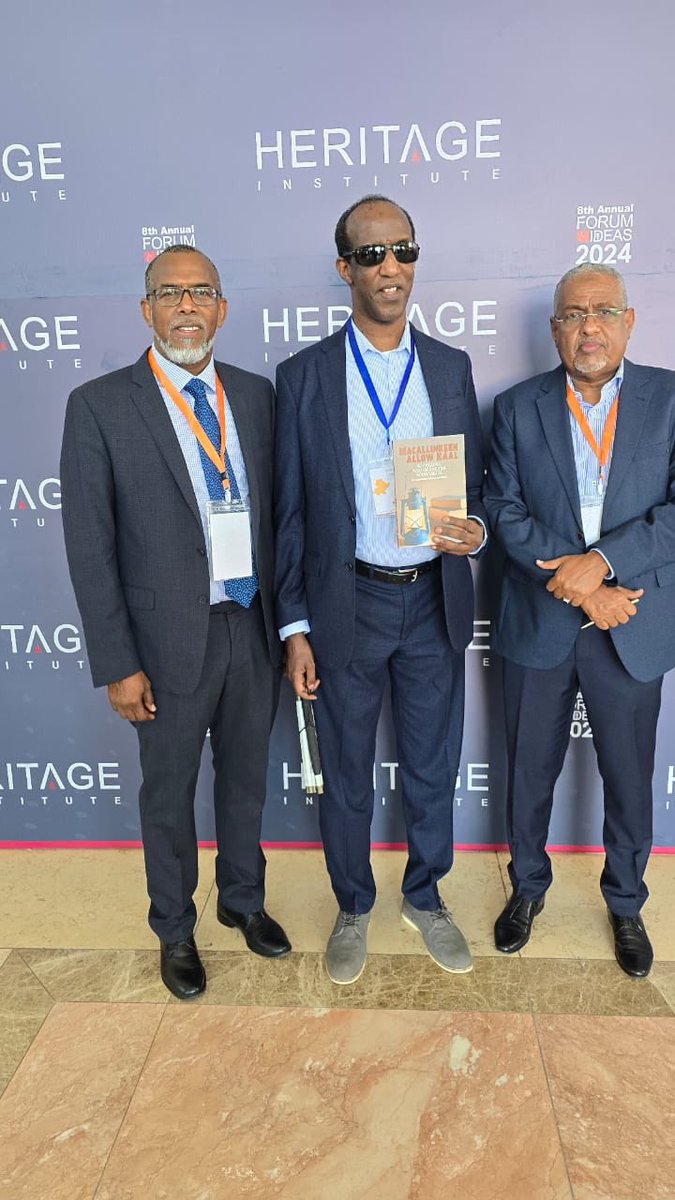
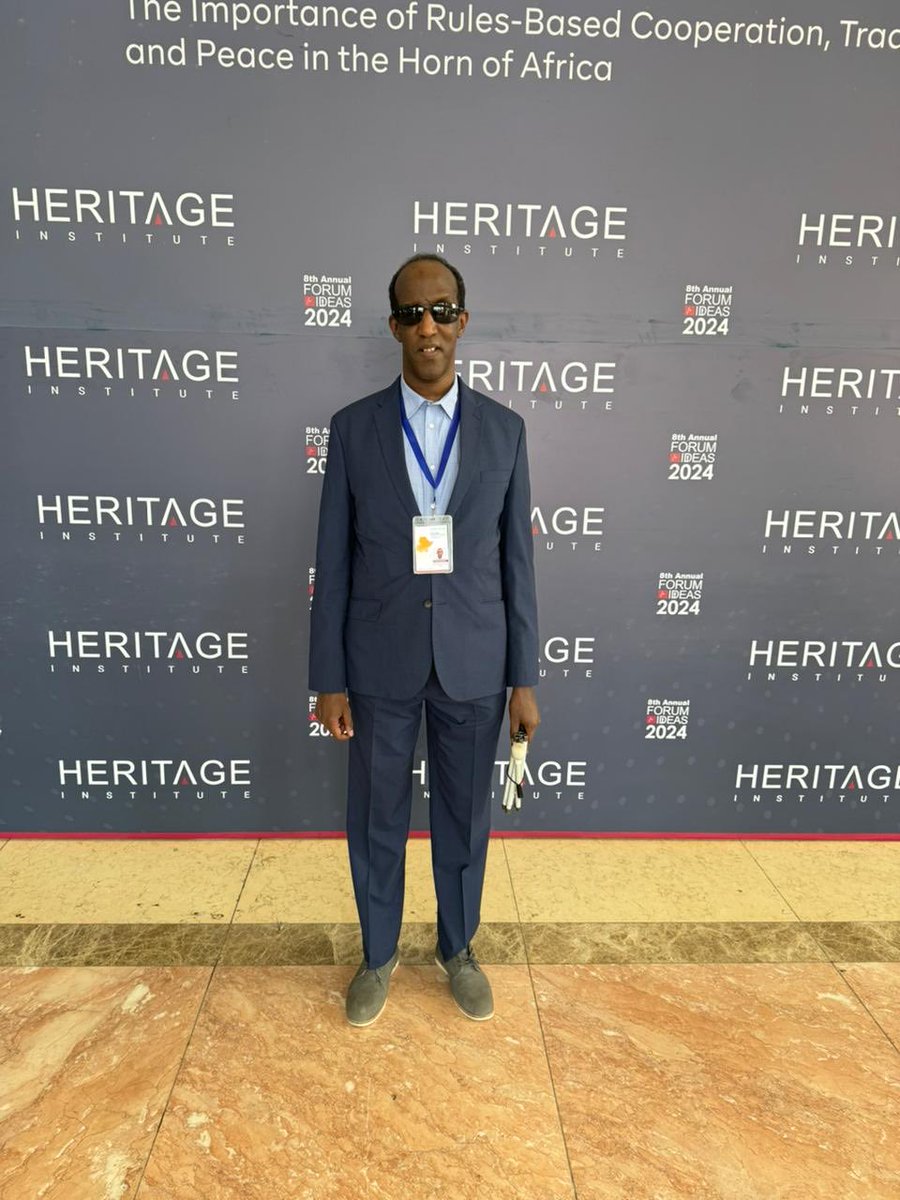
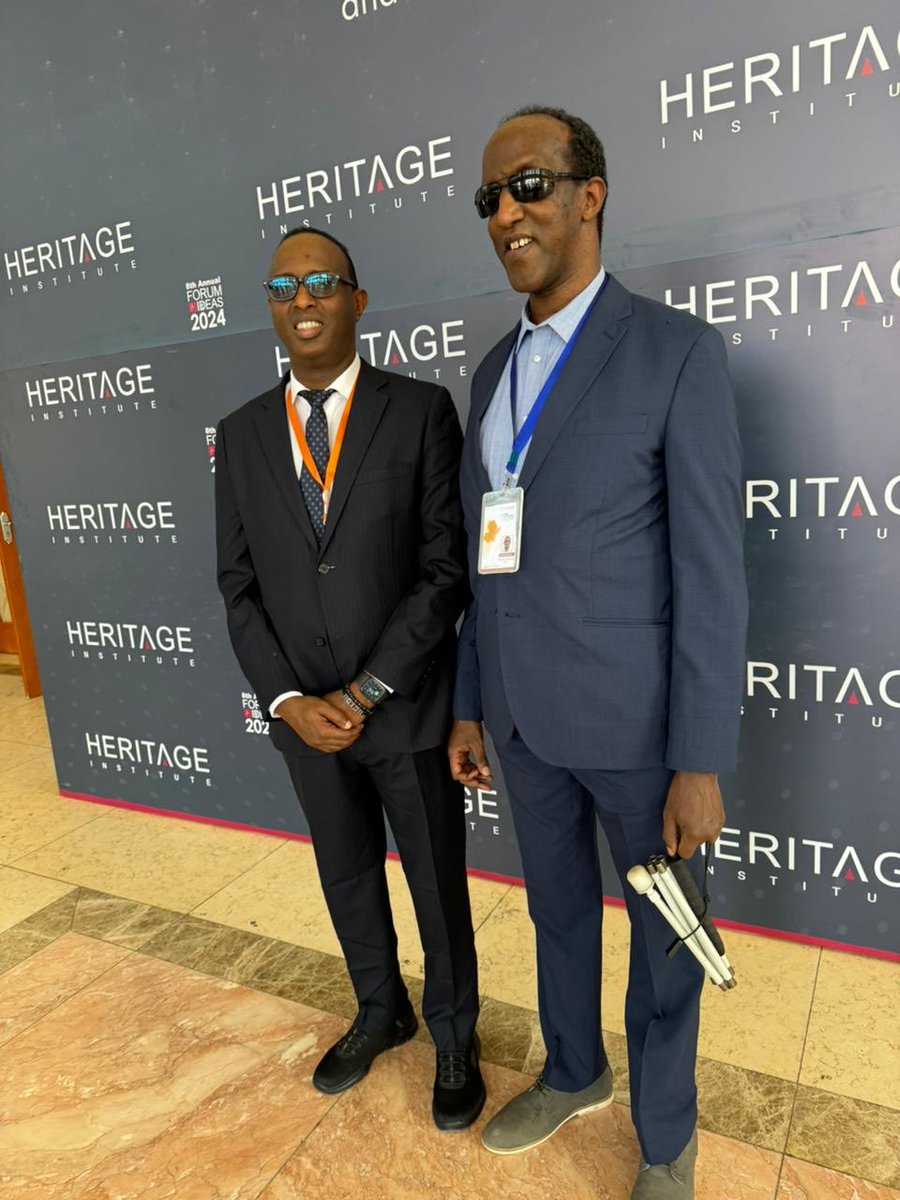
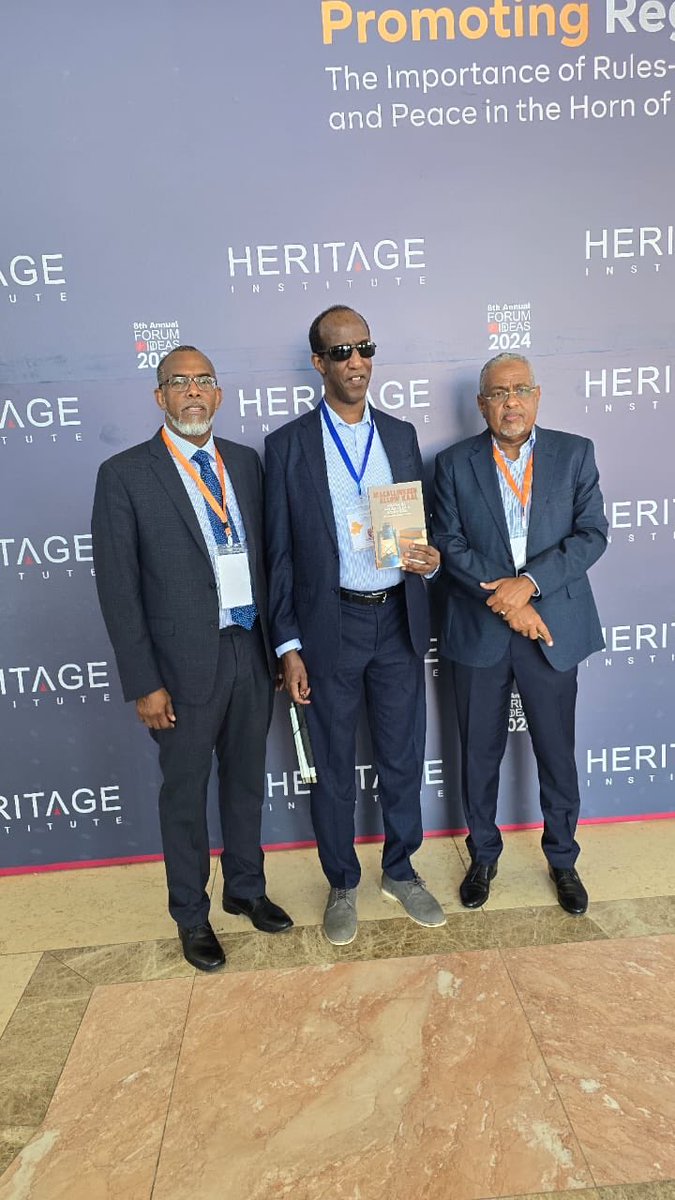
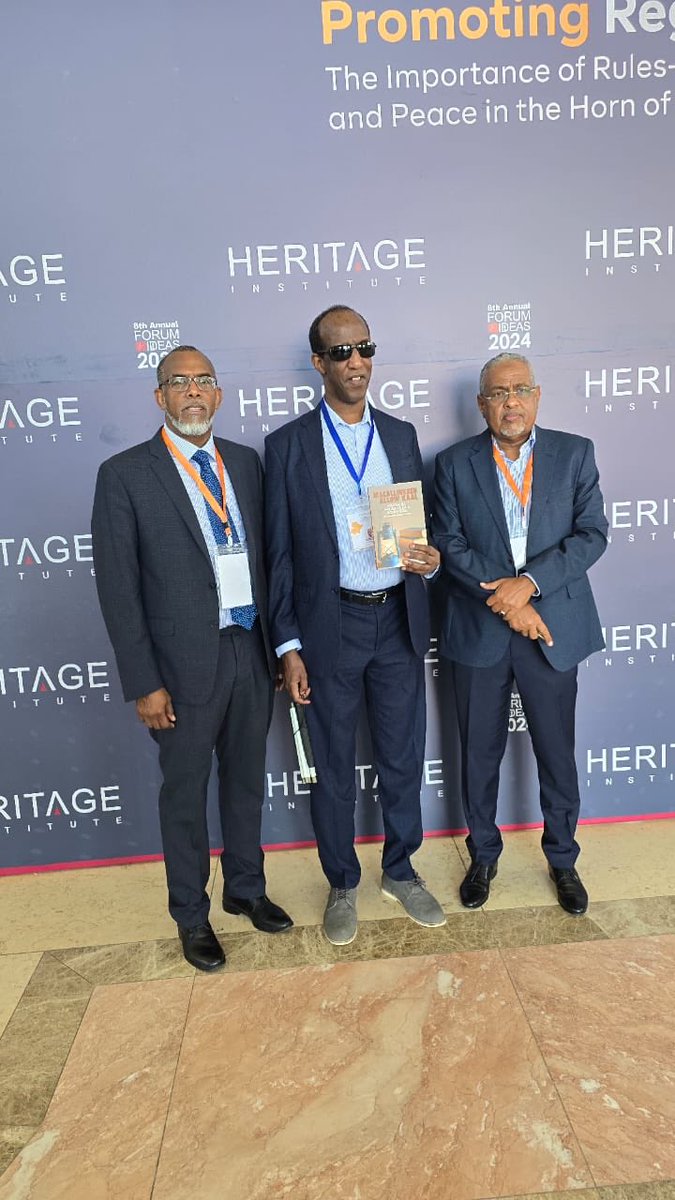
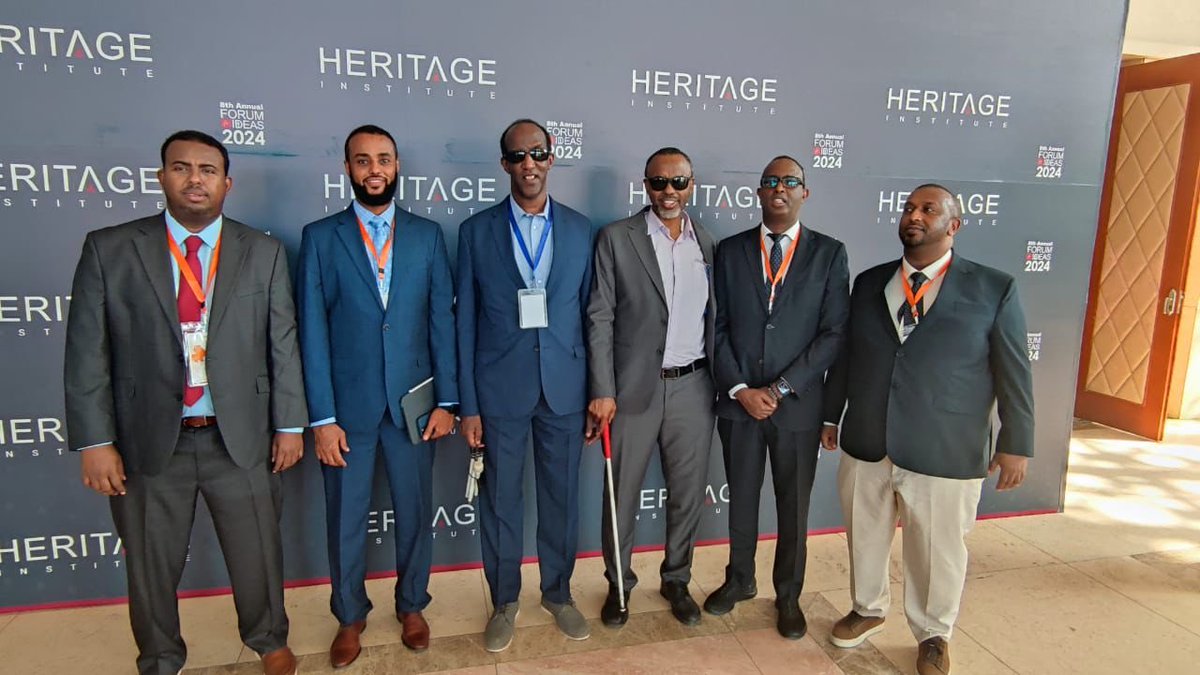
Day 3 of #AFI2024 Grateful for the opportunity to engage in meaningful discussions that advance our common goals, while reinforcing the bonds that unite us across all Somali regions. Looking forward to continuing this vital work together.
Day 3 of #AFI2024 Grateful for the opportunity to engage in meaningful discussions that advance our common goals, while reinforcing the bonds that unite us across all Somali regions. Looking forward to continuing this vital work together.
Day 2 of #AFI 2024.
Beyond knowledge production, AFI plays a crucial role in maintaining our Somalinimo (Somali identity). By bringing together participants from all Somali territories, and by creating a shared narrative,strengthening our shared heritage and collective future.
Thrilled to participate in AFI 2024 in Djibouti! A huge thank you to @HIPS for organizing this important forum and to the State of Djibouti for hosting AFI for the 7th year in a row. It’s an honor to be part of this gathering. AFI 2024
Thrilled by the Somali Fed Parliament's upper house passing the Disability Bill. This landmark legislation marks a significant stride towards embracing diversity, ensuring equality, and empowering Somalis with disabilities. Together, we pave the way for a truly inclusive society!
#Somalia’s Senate House approved the Disability Rights Bill on Monday. This is a significant step towards inclusivity, equality, and protecting the rights of disabled persons.
A brotherly memo to Prime Minister @AbiyAhmedAli
Dear Prime Minister:
Somalis have a way with proverbs.
Our entire knowledge in all fields is encapsulated in them; each Somali proverb carries PhD-level wisdom.
So today’s proverb is dedicated to Your Excellency, it goes as:
Hawshaadan huri doonin, horaa loo galaa,
which means that a difficult task you cannot avoid must be tackled early — before it becomes more overwhelming.
So Excellency, we both know you will eventually walk back from his scheme to dismember Somalia and annex its sea, I encourage you to take the plunge and get it over with.
I know it’s difficult, perhaps painful, but it's a five-minute process that will free you and #Ethiopia from generational headaches.
Without digressing, In Gaalkacyo where I am from we say Ceeb waa laba af-maroojis ( embarrassments doesn’t kill) so you will survive this.
So, Excellency, say ‘Bismillah’ (I’m sure you know what it means — in the name of the Almighty God).
On behalf of myself, Abiy Ahmed Ali, as Prime Minister of Ethiopia, and on behalf of the Ethiopian state and government, I apologize to the sisterly nation of Somalia for creating the impression that we have territorial ambitions against it. This impression was triggered by my signing the Memorandum of Understanding on January 1, 2024, with Muse Bihi Abdi, the leader of Somaliland (a province in Somalia).
For the greater good of peace, harmony, and good neighborliness, I affirm that we are dropping the MoU and fully respect Somalia’s sovereignty, political independence, and territorial integrity. We hold no ill will toward Somalia, and from now on, I seek to start fresh, building a positive and brotherly relationship.
You should also dismiss those who either insidiously led you to this point or those who could have told you the truth about how this would backfire but chose to mislead you instead.
When you do this, Ethiopia, under the generous United Nations Convention on the Law of the Sea (UNCLOS), will be able to utilize more than 17 ports in the Horn of Africa region — spanning from Eritrea in the north and northeast (eight ports) and Somalia in the east (seven ports), to Kenya and Somalia in the south (three ports).
Mr. Prime Minister, it is highly unlikely that you could forcibly capture land from Somalia and use it. Somalis are Muslims, and in Islam, there is the principle of Fard Ayn, which means a compulsory obligation on everyone.
Among these obligations is defending the homeland. The 20 million Somalis in the Republic, the 10 million in Ethiopia, and the other 10 millions around the globe are required to protect it, and even the elderly and children have no excuse. You know this well.
So, before you could even claim our sea, about forty million Somalis would have to leave the earth — you cannot impose your will on us. We have defended our land for a thousand years, and we always won. Let’s not waste each other’s time and lives, please.
If you choose peace and rationality, and announce this decision, I’m certain Ethiopia will gain access to 17 ports legally and at competitive rates.
As I said, you have a chance to reset relations with many people, entities in the region, and beyond. End this unattainable expansionism and focus on your country’s problems.
Now, Bismillah … on behalf of myself, Abiy Ahmed Sheikh-Ali, as Prime Minister of Ethiopia, and the Ethiopian state and government ….
The current crisis in the horn of Africa stems from Ethiopia’s aggressive search to secure sea access for its newly formed Naval force. It is, therefore, shameful for any Somali to come forth & defend Ethiopia’s pursuit of territorial aggrandizement. Stay informed & stay united
Dear Southwest MPs and politicians,
As outlined in the attached paper from 2018 by Ethiopia’s former foreign minister and the academics who have shaped and continue to shape their destructive policy toward Somalia, this is how they see the region and those who support them — as a buffer zone and proxy to be managed and manipulated.
The paper even details how they manipulate the security of cities like Huddur, a practice they are continuing today.
Please do not fall for it.
“Ethiopia's influence in Bay and Bakool, deep inside Somalia, followed the creation of the Rahanweyn Resistance Army (RRA) in the second half of the 1990s.10 Managing the RRA was critical, as a proxy, to fend off threats posed by Eritrea-backed Ethiopian rebel groups, hosted by a group led by Hussein Aideed and by Al Shabaab, respectively, in 1998 and 2012. However, the buffer zone in Bay and Bakool remained unstable: the existing Somali government in Mogadishu worked to exert its influence in the area, and the politicians of the region regularly changed their survival strategies in relation to handouts coming from Mogadishu. Ethiopia's actions also affected the region, for example, by temporarily withdrawing its forces from Hudur in 2013 and from parts of Hiiraan in October 2016, influencing the local politics in the buffer zone.
The paper also talks about how they mess up every region.
https://t.co/ERGfiuzCIt
Excellency @M_Farmaajo please talk to your supporters. They are the wrong side of history;
Mr. @TayeAtske,
We also remember your invasion of 2006 which created Al-Shabab, one of the biggest Al-Qaida affiliated terrorist group in Africa.
And we do know of your ongoing expansionist plan to annex Somalia’s sea/land. Rest assured, you will not succeed!
#NotAnInch
BREAKING:
Video:
By demanding something outside of what the United Nations Convention on the Law of the Sea (UNCLOS) allows for landlocked countries like Ethiopia, Abiy Ahmed’s Ethiopia cannot hide behind verbose language and jingoistic doublespeak.
By insisting on a sea and port from Somalia, the Ethiopian Foreign Minister is effectively serving as the Chief Recruiter for Somalia’s Al Shabaab terrorists, who capitalize on such claims by asserting that Ethiopia seeks to seize Somalia’s land while the world turns a blind eye.
The Minister’s demand is nothing less than a call for the annexation of another sovereign state’s sea and coast.
Thrilled to have joined Mohamed Issa Trunji in London at the launch of his pivotal book, 'President Aden Abdulla: His Life & Legacy'. This insightful work delves into the founding of the Somali Republic and the crafting of our state. A must-read for history enthusiasts!
Thank you @hipsInstitute for publishing our paper "State/Sponsored Education: How Somalia Can Accommodate Students with Special Needs and Disabilities." We're excited to contribute to inclusive education! #InclusiveEducation#Somalia#SpecialNeeds
We are pleased to share our collection of conference proceedings titled "Reshaping Somalia’s Education for Development." It features a careful selection of eight papers presented at the Somalia Development Forum in September 2023, co-organized with City University of Mogadishu. The publication aims to delve into the diverse challenges and opportunities within Somalia's education sector, providing an extensive analysis of the current educational landscape. Moreover, it brings together insightful research and practical recommendations for researchers, educational practitioners, and policymakers.
See the full publication https://t.co/BrQavrfZGS