𝐓𝐇𝐄 𝐌𝐀𝐏 𝐓𝐇𝐀𝐓 𝐂𝐀𝐏𝐓𝐔𝐑𝐄𝐃 𝐓𝐇𝐄 𝐖𝐎𝐑𝐋𝐃 𝐁𝐄𝐅𝐎𝐑𝐄 𝐌𝐎𝐃𝐄𝐑𝐍 𝐁𝐎𝐑𝐃𝐄𝐑𝐒
This 1490s world map shows how Europeans imagined the world just before the great voyages of exploration transformed their understanding of geography.
Much of the map reflects ancient geographical ideas, while large parts of Asia and Africa remained poorly understood in Europe. The Americas are completely absent.
It is a fascinating snapshot of a world that was about to become much larger.
𝐓𝐇𝐄 𝐌𝐀𝐏 𝐓𝐇𝐀𝐓 𝐒𝐇𝐎𝐖𝐄𝐃 𝐀𝐌𝐄𝐑𝐈𝐂𝐀 𝐁𝐄𝐅𝐎𝐑𝐄 𝐓𝐇𝐄 𝐂𝐈𝐕𝐈𝐋 𝐖𝐀𝐑
Published in 1851, this map captures the United States at a remarkable moment—just a decade before the Civil War.
The country stretched from the Atlantic to the Pacific, but much of the West was still sparsely settled and only loosely mapped.
Territories, new states, railroads, rivers, and frontier settlements reveal a nation expanding rapidly toward the shape it would eventually take.
It wasn't just a map—it was a snapshot of America in the middle of its transformation.
𝗧𝗛𝗘 𝗥𝗢𝗦𝗘𝗧𝗧𝗔 𝗦𝗧𝗢𝗡𝗘 — 𝗧𝗛𝗘 𝗞𝗘𝗬 𝗧𝗢 𝗔𝗡𝗖𝗜𝗘𝗡𝗧 𝗘𝗚𝗬𝗣𝗧𝗜𝗔𝗡
Discovered in 1799 near the Egyptian town of Rashid, the Rosetta Stone became one of the most important archaeological discoveries in history. Its inscription was written in three scripts: Greek, Demotic, and Egyptian hieroglyphs.
Because the Greek portion could be understood, scholars were able to compare it with the Egyptian texts and gradually determine the meaning of the hieroglyphs. This breakthrough transformed the study of ancient Egypt.
The stone contains a decree issued in 196 BCE during the reign of Ptolemy V, making it not simply a language key but also a surviving record of political and religious life in Ptolemaic Egypt.
Its importance is extraordinary: without the Rosetta Stone, our understanding of ancient Egyptian writing and civilization might have remained hidden for far longer.
It is therefore more than an ancient inscription—it is one of the documents that allowed a lost written world to speak again.
𝗧𝗛𝗘 𝗕𝗘𝗛𝗜𝗦𝗧𝗨𝗡 𝗜𝗡𝗦𝗖𝗥𝗜𝗣𝗧𝗜𝗢𝗡 — 𝗧𝗛𝗘 𝗖𝗟𝗜𝗙𝗙 𝗧𝗛𝗔𝗧 𝗛𝗘𝗟𝗣𝗘𝗗 𝗗𝗘𝗖𝗜𝗣𝗛𝗘𝗥 𝗔𝗡𝗖𝗜𝗘𝗡𝗧 𝗣𝗘𝗥𝗦𝗜𝗔
Carved into a limestone cliff in western Iran during the reign of Darius the Great, the Behistun Inscription records the king’s rise to power and his suppression of rebellions across the Persian Empire.
The inscription was written in three languages—Old Persian, Elamite, and Babylonian—making it a crucial piece of evidence for scholars trying to understand the cuneiform writing systems of the ancient Near East.
Its importance is extraordinary: the Old Persian section played a major role in the decipherment of cuneiform, much as the Rosetta Stone helped unlock Egyptian hieroglyphs.
It is therefore more than a royal inscription—it is one of the great surviving documents that helped modern historians recover the written history of the ancient world.
𝐓𝐇𝐄 𝐖𝐎𝐌𝐀𝐍 𝐖𝐇𝐎 𝐒𝐀𝐕𝐄𝐃 𝐓𝐇𝐎𝐔𝐒𝐀𝐍𝐃𝐒 𝐎𝐅 𝐂𝐇𝐈𝐋𝐃𝐑𝐄𝐍
During World War II, Irena Sendler secretly helped rescue Jewish children from the Warsaw Ghetto.
She and her network managed to smuggle children out, provide them with false identities, and hide them with Polish families and institutions.
Sendler was arrested and tortured by the Gestapo in 1943, but she refused to reveal the children's names.
Her story remained largely unknown for decades before becoming widely recognized as an extraordinary act of courage.
𝗧𝗛𝗘 𝗣𝗘𝗨𝗧𝗜𝗡𝗚𝗘𝗥 𝗠𝗔𝗣 — 𝗧𝗛𝗘 𝗥𝗢𝗠𝗔𝗡 𝗪𝗢𝗥𝗟𝗗 𝗢𝗡 𝗣𝗔𝗥𝗖𝗛𝗠𝗘𝗡𝗧
The Tabula Peutingeriana is a medieval copy of an ancient Roman road map showing the vast network that connected the Roman world. It stretches across Europe, North Africa, and parts of Asia, marking cities, roads, rivers, and important stopping places.
Unlike modern maps, it was designed primarily for travel rather than geography. Distances and locations were arranged along long routes, allowing travelers to understand how settlements were connected across the empire.
The surviving map was copied around the 13th century, but its information preserves elements of Roman mapping traditions and road networks that existed centuries earlier.
It is therefore more than an old map—it is a remarkable surviving record of how the ancient world was connected by roads, cities, and movement.
𝗧𝗛𝗘 𝗧𝗘𝗥𝗥𝗔𝗖𝗢𝗧𝗧𝗔 𝗔𝗥𝗠𝗬 — 𝗧𝗛𝗘 𝗚𝗨𝗔𝗥𝗗𝗜𝗔𝗡𝗦 𝗢𝗙 𝗖𝗛𝗜𝗡𝗔’𝗦 𝗙𝗜𝗥𝗦𝗧 𝗘𝗠𝗣𝗘𝗥𝗢𝗥
Discovered in 1974 near Xi’an, the Terracotta Army was created to accompany Qin Shi Huang, the first emperor of a unified China, into the afterlife. Thousands of life-sized soldiers, horses, chariots, and weapons were buried near his enormous mausoleum.
What makes the discovery extraordinary is the individuality of the figures. Soldiers were made with different facial features, hairstyles, armor, and expressions, creating an enormous underground army unlike anything previously known.
The figures were originally painted in vivid colors, although much of the pigment faded rapidly after excavation and exposure to air.
The Terracotta Army is therefore more than a collection of ancient statues—it is a remarkable glimpse into the military organization, craftsmanship, and beliefs of imperial China more than 2,000 years ago.
𝐓𝐇𝐄 𝐌𝐀𝐏 𝐓𝐇𝐀𝐓 𝐒𝐇𝐎𝐖𝐄𝐃 𝐀 𝐂𝐇𝐀𝐍𝐆𝐈𝐍𝐆 𝐖𝐎𝐑𝐋𝐃
This 1763 map of North America captures the continent at the end of the Seven Years’ War, when European powers were reshaping their territories.
British, French, and Spanish possessions appear across the map, while vast regions of the interior remained only partly explored by Europeans.
Just a few years later, the political map would change dramatically again—setting the stage for the American Revolution.
“𝐓𝐇𝐀𝐓 𝐖𝐇𝐈𝐂𝐇 𝐃𝐎𝐄𝐒 𝐍𝐎𝐓 𝐊𝐈𝐋𝐋 𝐔𝐒 𝐌𝐀𝐊𝐄𝐒 𝐔𝐒 𝐒𝐓𝐑𝐎𝐍𝐆𝐄𝐑.”
— 𝐅𝐑𝐈𝐄𝐃𝐑𝐈𝐂𝐇 𝐍𝐈𝐄𝐓𝐙𝐒𝐂𝐇𝐄
Friedrich Nietzsche wrote this famous line in 1888, expressing his belief that suffering and hardship can become sources of strength.
The phrase became one of his most enduring ideas—and more than a century later, it remains one of philosophy's most recognizable quotations.
“𝐓𝐇𝐄 𝐃𝐈𝐄 𝐈𝐒 𝐂𝐀𝐒𝐓.”
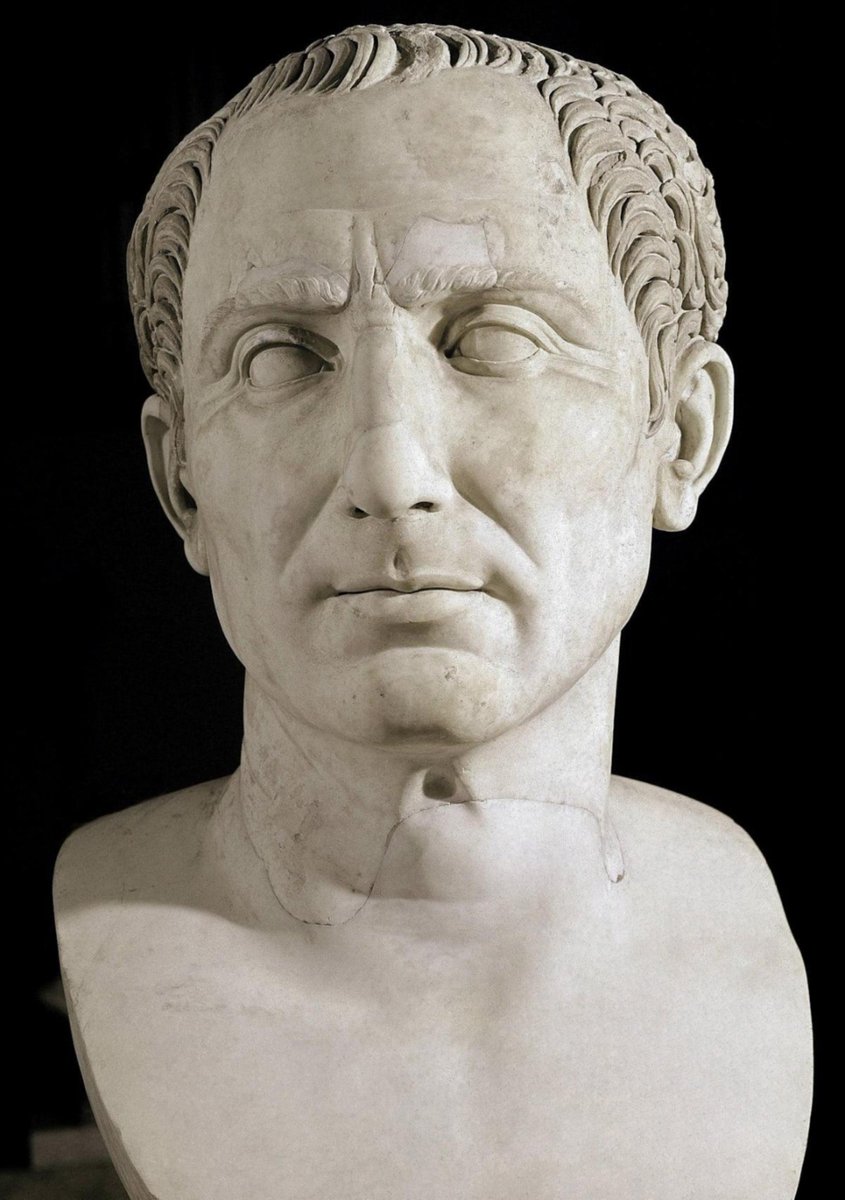
— 𝐉𝐔𝐋𝐈𝐔𝐒 𝐂𝐀𝐄𝐒𝐀𝐑
In 49 BC, Julius Caesar crossed the Rubicon River with his army, defying the Roman Senate and making civil war almost inevitable.
According to tradition, he declared “The die is cast”—meaning there was no turning back.
That single decision changed Rome forever.
“𝐓𝐇𝐄 𝐆𝐑𝐄𝐀𝐓𝐄𝐒𝐓 𝐆𝐋𝐎𝐑𝐘 𝐈𝐍 𝐋𝐈𝐕𝐈𝐍𝐆 𝐋𝐈𝐄𝐒 𝐍𝐎𝐓 𝐈𝐍 𝐍𝐄𝐕𝐄𝐑 𝐅𝐀𝐋𝐋𝐈𝐍𝐆.”
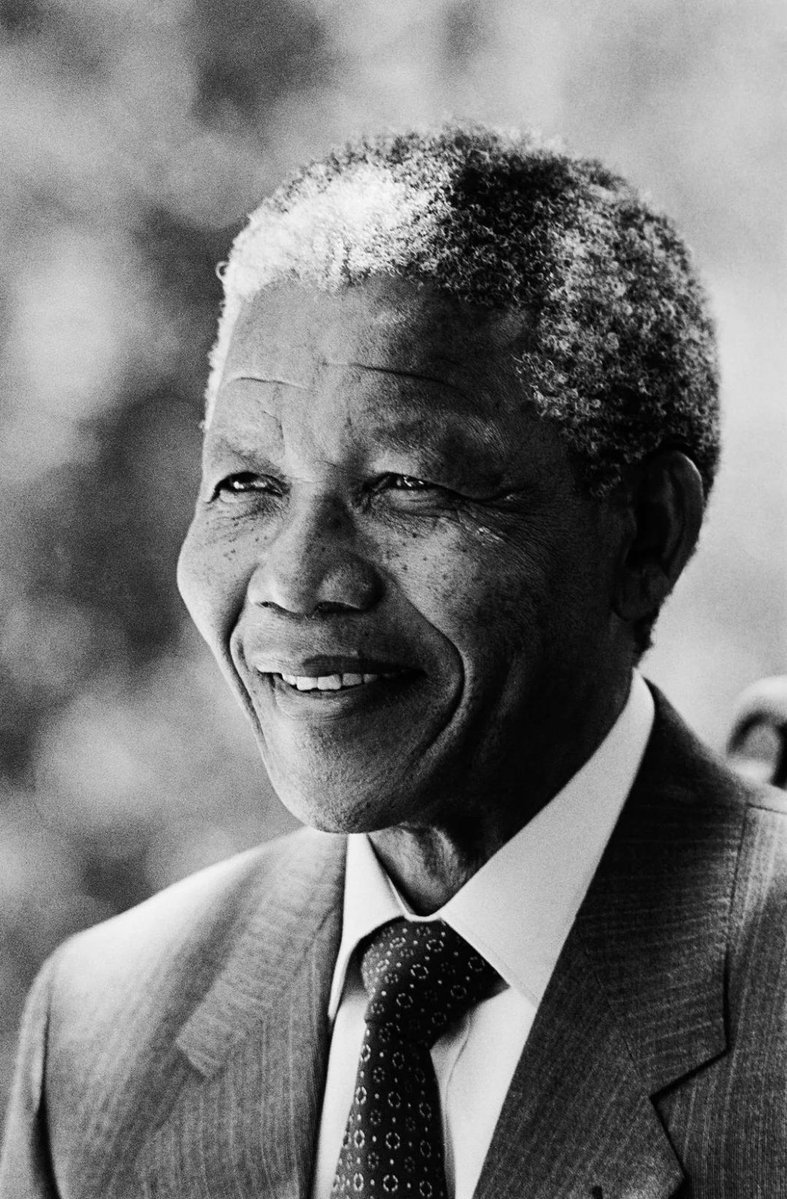
— 𝐍𝐄𝐋𝐒𝐎𝐍 𝐌𝐀𝐍𝐃𝐄𝐋𝐀
Nelson Mandela spent 27 years in prison under South Africa’s apartheid system before emerging as a central figure in the country’s transition to democracy.
His life became a symbol of resilience, reconciliation, and the belief that imprisonment could not destroy a person's principles.
“𝐓𝐇𝐄𝐘 𝐌𝐀𝐘 𝐓𝐀𝐊𝐄 𝐎𝐔𝐑 𝐋𝐈𝐕𝐄𝐒, 𝐁𝐔𝐓 𝐓𝐇𝐄𝐘’𝐋𝐋 𝐍𝐄𝐕𝐄𝐑 𝐓𝐀𝐊𝐄 𝐎𝐔𝐑 𝐅𝐑𝐄𝐄𝐃𝐎𝐌!”
— 𝐖𝐈𝐋𝐋𝐈𝐀𝐌 𝐖𝐀𝐋𝐋𝐀𝐂𝐄
The famous line comes from the 1995 film Braveheart, not a verified historical quotation from William Wallace.
The real Wallace led Scottish forces against English rule and became a symbol of Scottish resistance after the Battle of Stirling Bridge in 1297.
His story was later transformed into legend, literature, and film—turning Wallace into one of the most recognizable figures of medieval Scotland.
“𝐓𝐇𝐀𝐓'𝐒 𝐎𝐍𝐄 𝐒𝐌𝐀𝐋𝐋 𝐒𝐓𝐄𝐏 𝐅𝐎𝐑 𝐌𝐀𝐍, 𝐎𝐍𝐄 𝐆𝐈𝐀𝐍𝐓 𝐋𝐄𝐀𝐏 𝐅𝐎𝐑 𝐌𝐀𝐍𝐊𝐈𝐍𝐃.”
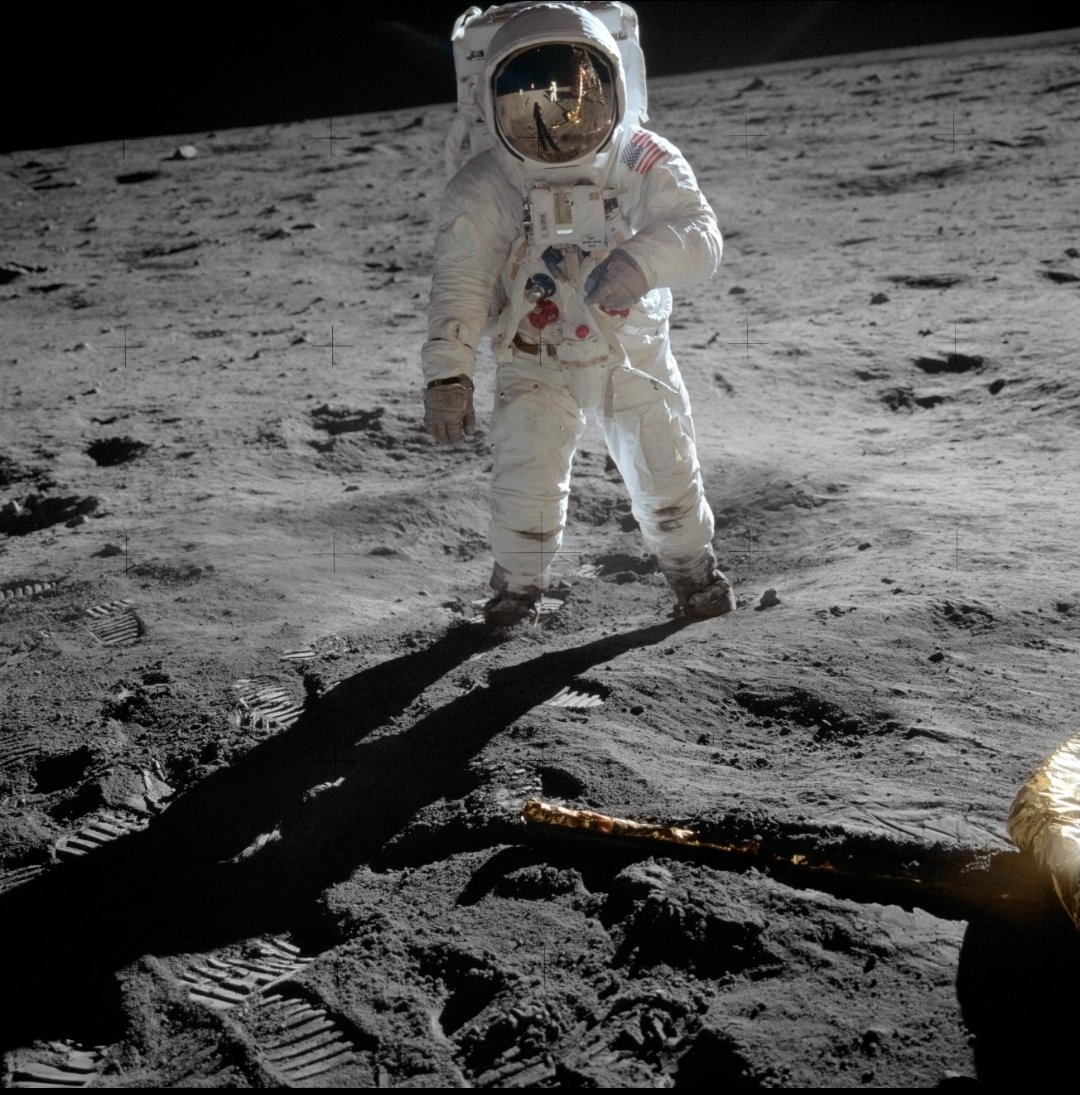
— 𝐍𝐄𝐈𝐋 𝐀𝐑𝐌𝐒𝐓𝐑𝐎𝐍𝐆
On 20 July 1969, Neil Armstrong stepped onto the Moon during Apollo 11, becoming the first human to walk on another world.
Millions watched from Earth as a moment that had once belonged only to science fiction became reality.
“𝐈 𝐇𝐀𝐕𝐄 𝐀 𝐃𝐑𝐄𝐀𝐌.”
— 𝐌𝐀𝐑𝐓𝐈𝐍 𝐋𝐔𝐓𝐇𝐄𝐑 𝐊𝐈𝐍𝐆 𝐉𝐑.
On 28 August 1963, Martin Luther King Jr. delivered his famous speech during the March on Washington.
His words called for racial equality and a future where people would be judged by their character rather than the color of their skin.
The speech became one of the most powerful moments of the American Civil Rights Movement.
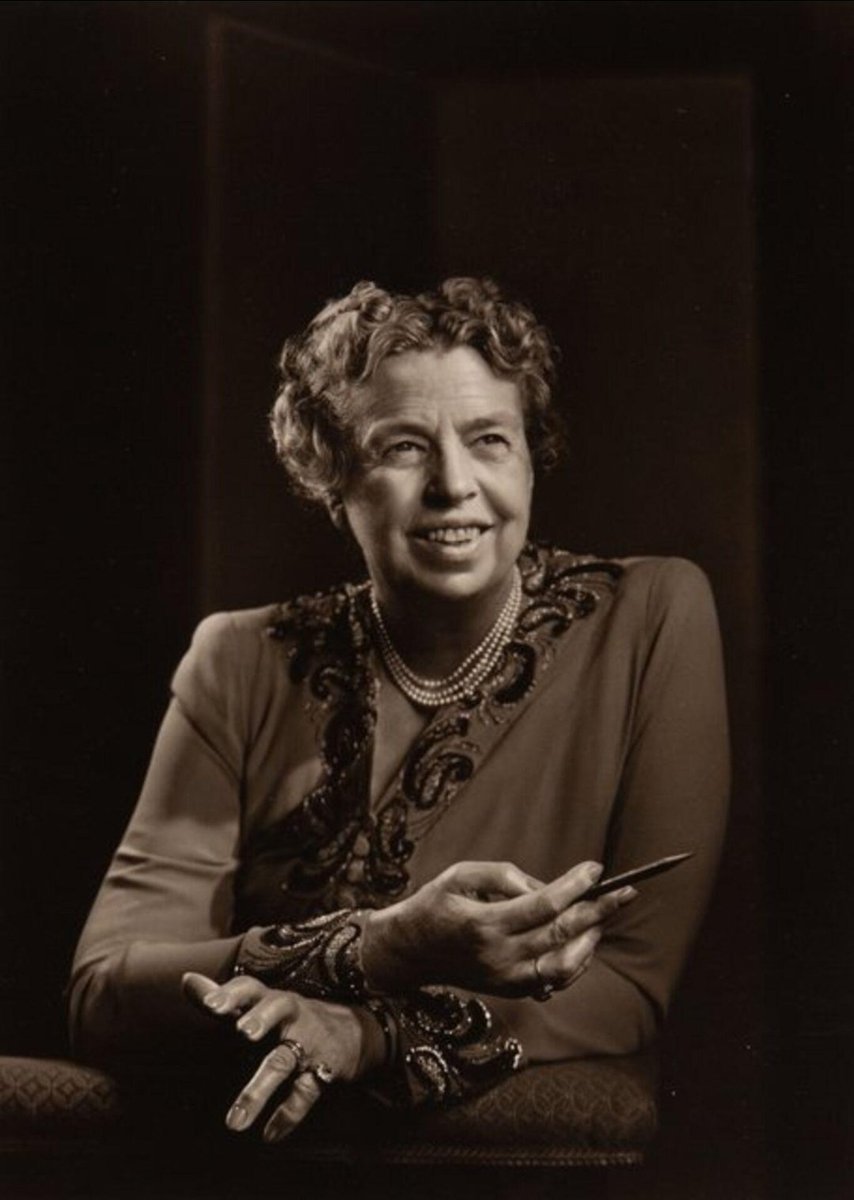
“𝐓𝐇𝐄 𝐅𝐔𝐓𝐔𝐑𝐄 𝐁𝐄𝐋𝐎𝐍𝐆𝐒 𝐓𝐎 𝐓𝐇𝐎𝐒𝐄 𝐖𝐇𝐎 𝐁𝐄𝐋𝐈𝐄𝐕𝐄 𝐈𝐍 𝐓𝐇𝐄 𝐁𝐄𝐀𝐔𝐓𝐘 𝐎𝐅 𝐓𝐇𝐄𝐈𝐑 𝐃𝐑𝐄𝐀𝐌𝐒.”
— 𝐄𝐋𝐄𝐀𝐍𝐎𝐑 𝐑𝐎𝐎𝐒𝐄𝐕𝐄𝐋𝐓
Eleanor Roosevelt became one of the most influential women of the 20th century, using her position to advocate for human rights and social reform.
Her words became a lasting reminder that change often begins with the courage to imagine something better.
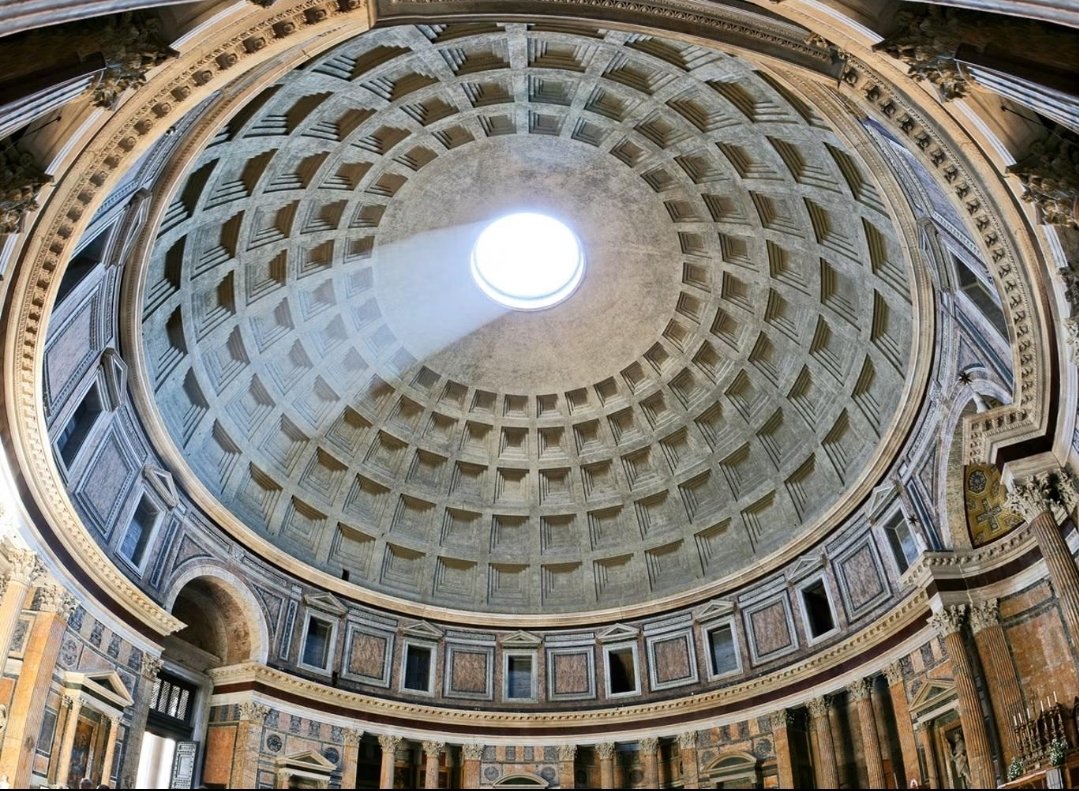
𝐓𝐇𝐄 𝐑𝐎𝐌𝐀𝐍𝐒 𝐁𝐔𝐈𝐋𝐓 𝐂𝐎𝐍𝐂𝐑𝐄𝐓𝐄 𝐓𝐇𝐀𝐓 𝐋𝐀𝐒𝐓𝐄𝐃 𝟐,𝟎𝟎𝟎 𝐘𝐄𝐀𝐑𝐒
Roman engineers developed a form of concrete that allowed them to build enormous structures like the Pantheon, whose famous dome still survives today.
Remarkably, some Roman concrete became stronger over time. Researchers have found that certain mineral reactions could help repair tiny cracks within the material.
What was once an ancient construction material became one of the secrets behind Rome's architectural legacy.