I feel like my diagnosis took away my right to vent about life.
Tipong, who am I to complain when I’m still here, still alive?
But some days are brutal. They knock the wind out of you so hard all you want is to disappear, be invisible, and just exist quietly for a while.❤️🫂
You are having dinner with a queer couple you’ve known for years.
They finish each other’s sentences. They hold hands across the table. They argue playfully over what to order and laugh at inside jokes you’ve heard a hundred times before.
Then, somewhere between the appetizers and dessert, one of them casually mentions a recent trip.
“We met this really cute guy,” he says.
The other smiles. “Yeah, we played with him.”
You freeze.
Played?
As the conversation continues, you realize they are talking about sex.
Your first instinct is simple: Isn’t that cheating?
But the more they explain, the more confused you become. Both of them knew about it. Both agreed to it. Neither seems hurt nor betrayed. In fact, they appear just as in love as they were when they first got together years ago.
Welcome to the world of open relationships, a setup that is becoming increasingly visible among queer Filipinos.
MORE THAN JUST A WESTERN TREND
Open relationships are hardly new in queer communities around the world. But in the Philippines, the phenomenon carries a different set of realities.
Unlike many Western countries where same-sex couples can marry or enter civil unions, queer couples in the Philippines still lack legal recognition. There is no same-sex marriage, no civil partnership, and few legal protections.
As a result, many queer Filipinos have long been forced to define their relationships on their own terms.
For some couples, that means embracing monogamy. For others, it means creating relationship structures that include agreed-upon sexual or romantic experiences outside the primary partnership.
NOT CHEATING, BUT CONSENT
The biggest misconception about open relationships is that they are simply cheating with permission.
For couples who practice ethical non-monogamy, the distinction is consent.
Cheating involves deception. Open relationships rely on transparency.
Many queer couples establish detailed agreements: whether outside encounters can happen individually or together, whether emotional attachments are allowed, how much information must be disclosed afterward, and what boundaries should never be crossed.
The goal is not secrecy but honesty.
Ironically, some people in open relationships say they discuss sex, attraction, jealousy, and insecurities far more often than many traditional couples.
THE FILIPINO CHALLENGE
In the Philippines, maintaining an open relationship comes with unique pressures.
Filipino society is deeply shaped by Catholic values, conservative attitudes, and a culture that often equates commitment with exclusivity.
Popular teleseryes have also conditioned many people to view any third party as evidence of betrayal. Stories about kabits, panloloko, and broken marriages dominate television screens, making it difficult for many Filipinos to separate consensual non-monogamy from infidelity.
Then there is family.
Many LGBTQ+ Filipinos spend years trying to gain acceptance from parents and relatives. Once they finally achieve a level of understanding, introducing the idea of an open relationship can feel impossible.
As a result, many queer couples keep their arrangements private, sharing them only with trusted friends.
THE RULES ARE OFTEN STRICTER THAN YOU THINK
Contrary to popular assumptions, open relationships are rarely a free-for-all.
Many Filipino queer couples create extensive rules to protect their primary partnership.
Some prohibit encounters within their mutual barkada to avoid gossip and drama. Others avoid people who live in the same neighborhood or work in the same industry. Some only play together, while others require full disclosure after every encounter.
The rules vary, but the intention remains the same: preserving trust.
FREEDOM AND ITS COST
Supporters say open relationships offer personal freedom, sexual exploration, and a way to avoid placing every emotional and physical expectation on one partner.
Critics argue they create opportunities for jealousy, insecurity, and emotional exhaustion.
The truth is that open relationships demand tremendous emotional labor. Couples must constantly navigate feelings that many monogamous partners can simply avoid confronting.
Not every relationship survives that challenge.
But neither do all monogamous relationships.
REDEFINING COMMITMENT
Perhaps that is the most important thing to understand.
For many queer Filipinos in open relationships, commitment is not measured by sexual exclusivity alone.
It is measured by honesty. Trust. Emotional intimacy. Shared goals. The decision to keep choosing each other every day.
That perspective may be difficult for outsiders to grasp.
Maybe that is why, when your friends finish explaining their setup, you leave dinner with more questions than answers.
But one thing is clear.
The couple sitting across from you isn’t looking for an escape from their relationship.
They are simply navigating love in a way that makes sense to them—balancing desire, freedom, family expectations, and commitment in a country where queer relationships have always had to write their own rules.
#radarPHLifestyle #radarPH
@Lukas_PoZ226@Equinox52026 Hi @Lukas_PoZ226 question lang since almost 4 months kana sa treatment kamusta ang pakiramdam mo like do you feel normal na or may mga times ba na nag kaka fatigue? And palage ka din ba na mask for extra protection besides taking prophylaxis meds? ☺️
@Paulo1160799@poztaker Kawawa ka naman sa dami na ng available info at medical advances about HIV online ang kitid pa din ng utak mo. Sabi mo unfair? Bakit ikaw fair kba nun i-judge mo yun condition ng tao? Lumabas kana nga sa kweba mo pre masaya mabuhay ngaun 2026.
@SSoullo0c0 DOH ang su-supply ng
Meds madalas naman 3 botts pag ok amg supply may delay lang siguro. Pero if u want to switch hubs try mo MHC last week they gave me 3 botts. ❤️
Your tattoo isn’t just decorative ink: it’s a permanent trigger that keeps your immune system locked in a lifelong cycle of chronic inflammation.
As soon as the ink is injected into your skin, your body recognizes the pigment particles as foreign invaders. Immune cells called macrophages immediately swarm the area and attempt to swallow them up. But because they can’t actually break down the ink, the macrophages eventually die, releasing the pigment back into the surrounding tissue — only for a new wave of macrophages to arrive and repeat the process.
This endless cycle is what keeps the tattoo permanently visible, while also maintaining a state of ongoing, low-level inflammation in the skin.
Over time, some of these ink particles migrate through the lymphatic system and accumulate in the lymph nodes, placing constant stress on the body’s defense mechanisms. Emerging research suggests this internal ink buildup may interfere with normal immune function, potentially reducing the effectiveness of certain vaccines, including mRNA types. Additionally, many tattoo inks contain heavy metals like nickel and cobalt. Combined with the chronic inflammation, this has been linked to a modestly elevated risk of lymphoma and skin cancer.
While tattoos remain a powerful form of self-expression, they represent a complex, decades-long biological conflict between your immune system and foreign substances embedded in your skin.
[Nielsen, C., Jerkeman, M., & Jöud, A. S. (2024). Tattoos as a risk factor for systemic lymphoma: A population-based case-control study. eClinicalMedicine]
In 1981 a doctor named Michael Gottlieb at the University of California Los Angeles hospital saw a thirty one year old man who had until recently been perfectly healthy. Then without warning the man began losing weight rapidly and spiking high fevers. White fungal patches spread across his mouth. Finally he developed Pneumocystis pneumonia a rare lung infection that a healthy immune system would ordinarily defeat without trouble. Tests showed the man's immune system was almost destroyed.
Gottlieb quickly found four more young men in the Los Angeles area with the exact same strange pattern of infections. None of these men had any known reason for such severe immune failure. All five were men who have sex with men (MSM).
On June 5 1981 the United States Centers for Disease Control published a short report about these five cases in its weekly bulletin. This was the very first time an official public notice of this new and unexplained disease was released. The patients' names were never released to protect their privacy.
Within weeks doctors in New York San Francisco and other cities began reporting similar cases. Something was destroying the immune system and medicine had no name for it yet. The Centers for Disease Control set up a special task force to investigate. At first the illness seemed to affect only MSM. Health officials soon realized the disease could spread through blood transfusions shared needles and sex and it was already appearing in other groups too. By September 1982 it received the name acquired immunodeficiency syndrome or AIDS.
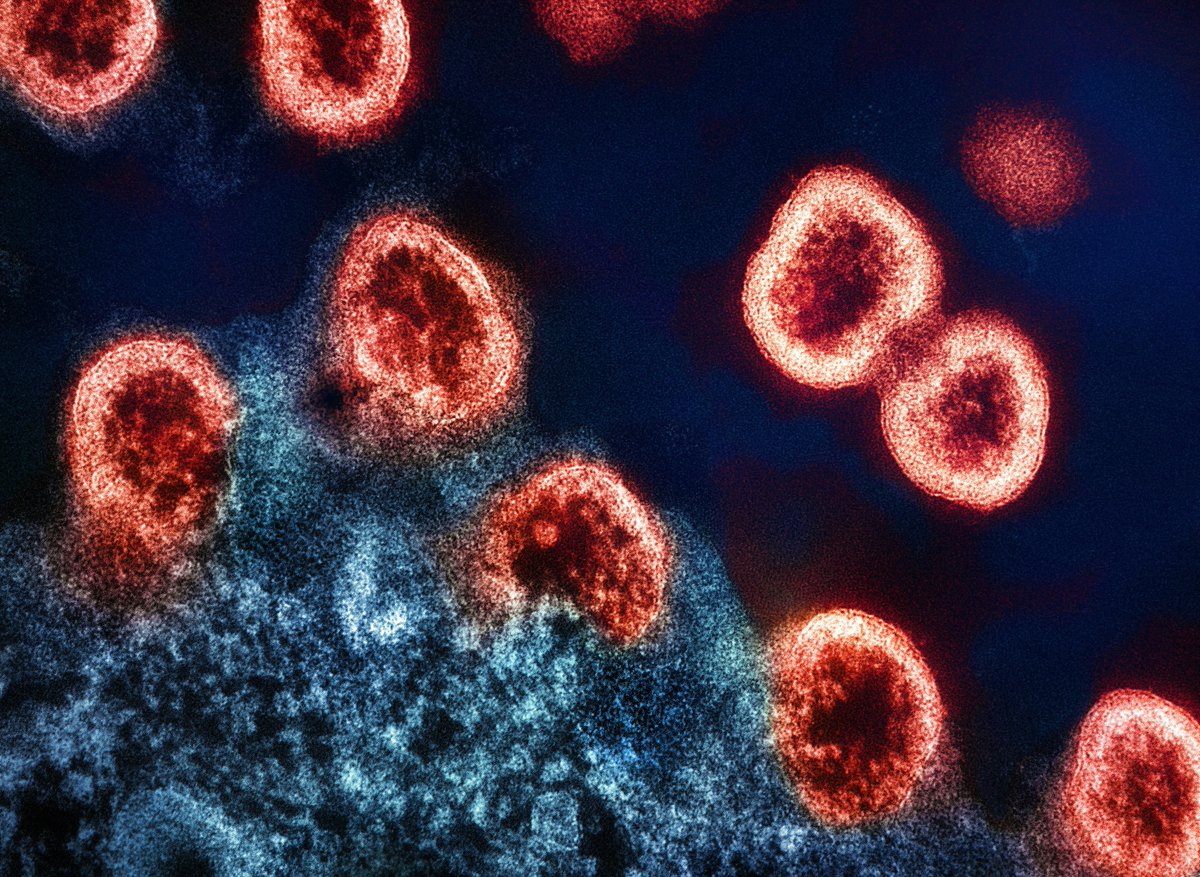
Laboratories across the world raced to find the cause. In 1983 virologist Luc Montagnier and his team at the Pasteur Institute in Paris isolated a strange new virus budding from the immune cells of an infected patient. They called it lymphadenopathy associated virus. It would later be renamed HIV human immunodeficiency virus and confirmed as the agent behind AIDS.
With the culprit identified a diagnostic test followed. In March 1985 the FDA licensed the first blood test for HIV antibodies protecting the blood supply and allowing doctors to diagnose infection before symptoms appeared. It was a critical turning point though for millions already infected it came too late.
But where had the virus come from?
In 1998 scientists testing a blood sample collected in 1959 from a man in Kinshasa found unmistakable traces of HIV 1 proof that the virus had been circulating silently in humans for decades before anyone noticed.
Tracing it further back researchers found the answer in the forests of central Africa. HIV 1 descended from simian immunodeficiency viruses carried harmlessly by chimpanzees while HIV 2 came from sooty mangabey monkeys. The jump to humans happened when hunters in central and west Africa killed these animals for bush meat. During hunting or butchering infected blood or body fluids from the animal got into cuts scratches or wounds on the hunters hands or body. This let the virus cross into a human for the first time. It likely occurred several times in the early 1900s. Most of these jumps died out. But a few versions of the virus adapted inside people. They started spreading from one person to another through sex blood or from mother to child. Genetic evidence places this leap sometime around 1910.
For half a century the virus moved quietly through human populations undetected and unnamed. Then travel urbanisation and changing social patterns gave it the opening it needed. By the time medicine caught up the epidemic had already begun.
🚨 Confirmado por la OMS: el VIH ya no es una enfermedad terminal.
Durante décadas, el VIH fue asociado al miedo, la pérdida y un futuro incierto que parecía imposible de cambiar.
Hoy, esa historia cambió. Confirmado por la Organización Mundial de la Salud, el VIH ya no se considera una enfermedad terminal.
Gracias a los tratamientos antirretrovirales actuales, el virus puede mantenerse controlado y en niveles indetectables durante largos períodos.
Cuando el diagnóstico es oportuno y el tratamiento se sigue de forma constante, la expectativa de vida puede acercarse a la población general.
Además, una carga viral indetectable significa que el virus no se transmite por vía sexual, protegiendo también a las parejas.
Aunque todavía no existe una cura definitiva, el avance científico transformó por completo el pronóstico y la calidad de vida.
Hoy, vivir con VIH ya no significa despedirse del futuro, sino aprender a cuidarse y seguir viviendo con esperanza.
Sana may factory reset option katulad ng mga smart phones ang immune system para ma clear ang mga unwanted virus sa body natin parang good as new lang. 😁 #justsaying
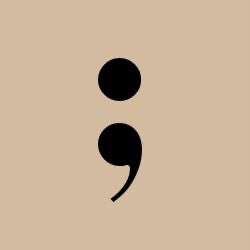
A semicolon is small-but powerful.
It means the story could have ended...but it didn't. In life,that small mark stands for hope. For every person who once thought of giving up. For every tear that fell quietly at midnight. For every heart that is still beating-u are the semicolon
@MrYosoooooo91 Huwag naman un araw araw pa iba iba ng oras baka mag cause pa un ng drug resistance 😖 Pede naman ma late max is 6hrs late pede uminom. ☝️
Acabo de cumplir 47 años, más de la mitad de mi vida viviendo con #VIH. De lejos veo al adolescente que caminaba por la carrera séptima, rumbo a su pequeño apartamento, muerto del miedo y la tristeza de pensar en que su vida se acababa, de eso ...




![Rainmaker1973's tweet photo. Your tattoo isn’t just decorative ink: it’s a permanent trigger that keeps your immune system locked in a lifelong cycle of chronic inflammation.
As soon as the ink is injected into your skin, your body recognizes the pigment particles as foreign invaders. Immune cells called macrophages immediately swarm the area and attempt to swallow them up. But because they can’t actually break down the ink, the macrophages eventually die, releasing the pigment back into the surrounding tissue — only for a new wave of macrophages to arrive and repeat the process.
This endless cycle is what keeps the tattoo permanently visible, while also maintaining a state of ongoing, low-level inflammation in the skin.
Over time, some of these ink particles migrate through the lymphatic system and accumulate in the lymph nodes, placing constant stress on the body’s defense mechanisms. Emerging research suggests this internal ink buildup may interfere with normal immune function, potentially reducing the effectiveness of certain vaccines, including mRNA types. Additionally, many tattoo inks contain heavy metals like nickel and cobalt. Combined with the chronic inflammation, this has been linked to a modestly elevated risk of lymphoma and skin cancer.
While tattoos remain a powerful form of self-expression, they represent a complex, decades-long biological conflict between your immune system and foreign substances embedded in your skin.
[Nielsen, C., Jerkeman, M., & Jöud, A. S. (2024). Tattoos as a risk factor for systemic lymphoma: A population-based case-control study. eClinicalMedicine]](https://pbs.twimg.com/media/HHfNpsmXYAAlrGO.jpg)