South Africans are really lazy people.
The majority of them wake up at 4am to prepare for jobs where they work six or seven days a week, yet still don't earn enough to make ends meet. Very lazy.
Go to the taxi ranks before sunrise. You will find men loading commuters and women preparing to sell food, only to repeat it again the next day. Lazy people.
Walk into the banks. You will find employees wearing the bank's uniform, earning salaries that often cannot qualify them for a home loan from the very institution they work for. Talk about laziness.
Go to the supermarkets. You will find them stacking shelves with groceries they cannot afford to put into their own trolleys. Lazy.
Walk into clothing stores. You will find workers folding expensive clothes they cannot afford to buy themselves. Seven days a week. Lazy.
Stand at the warehouses. Watch people offloading trucks all day so another truck can take its place. Lazy.
Some of these "lazy" people grew up in villages where they walked kilometres to school, crossed rivers in the rain, studied by candlelight, graduated from university, and today stand at traffic lights holding up CVs because there are no jobs waiting for them. Lazy.
Others cannot afford to retire because electricity keeps rising, municipal bills keep increasing, and the cost of living keeps climbing faster than their pensions. Lazy.
Every day I see South Africans trying to build businesses. I see them posting their products, advertising their services, chasing customers, paying taxes, and fighting to survive. There never seems to be enough money to help them grow. But somehow, there is always enough money to fight them. These lazy People.
So yes...
South Africans are very lazy people.🙂
So lazy their leadership keeps expecting more from them while delivering less in return and wanting to die of old age in Parliamentary seats. What a lazy Nation I proudly belong to...🇿🇦
I worked 20 years for a child sex trafficking rescue group. I want you to know this:
90% of Lost Children Are Found Within 30 Minutes.
That statistic should both comfort you and wake you up.
Most lost children are found quickly. But the ones who aren’t? They usually made one mistake.
And here’s the uncomfortable truth:
It’s often the exact thing most parents teach them.
We tell our kids:
“If you get lost, come find me.”
It sounds logical. It sounds empowering.
It’s WRONG!
The Mistake Most Lost Children Make:
When children realize they’re separated, they do three things almost automatically:
They panic.
They wander.
They try to find you.
Every step makes them harder to locate.
From a search standpoint, movement creates chaos.
Parents retrace their steps.
Security scans zones.
Staff lock down areas.
Search works best when movement stops.
When a child keeps walking, they move outside the original search radius. Helpers are looking where they were last seen — not where they’ve wandered.
Stillness increases probability.
Movement expands the problem.
The first lesson is not “go find me.”
It’s this:
Stop. Stay. Yell.
Why Stillness Wins:
Think like a search team.
If a child stays put:
Parents can retrace steps.
Security can scan systematically.
Helpers converge to one fixed location.
The search radius remains small.
If a child keeps moving:
The search area expands.
Adults pass each other.
Missed connections multiply.
Minutes stretch into hours.
Stillness keeps the math on your side.
Teach Them Who to Approach:
The second mistake we make as parents?
We say, “Find an adult.”
Not any adult. Not the nearest stranger. Children need a filter.
Teach them to look for, if at all possible:
A mother with children.
Caregivers who already have kids with them are statistically among the safest people to approach in public settings. They are visible, stationary, and more likely to engage quickly.
It’s a clear, concrete instruction.
Children don’t process vague categories like “safe adult.”
They process visuals.
“Find a mom with kids” is visual.
A Phone Only Helps If the Number Is Known:
We often assume phones solve everything.
They don’t — unless your child can use one. Even young children can memorize a 10-digit phone number with repetition.
But you must train it.
Practice it like a song.
Sing it in the car.
Chant it at bedtime.
Turn it into rhythm.
Repetition becomes recall.
In an emergency, recall matters more than theory.
The Code Word Rule:
One more layer of protection.
Choose a private family code word.
Something only your household knows.
If someone approaches and says:
“Your mom sent me.”
Your child asks:
“What’s the code word?”
No word.
No go.
This simple rule eliminates manipulation attempts instantly.
It gives your child agency without requiring them to evaluate character.
Real Safety Is Training — Not Luck!
We don’t get safer by hoping.
We get safer by practicing.
Teach:
• Phone number
• Code word
• Stop, stay, yell
• Find a mom with kids
Multiple skills.
Simple instructions.
Clear visuals.
Five minutes of training can replace hours of panic. This isn’t about fear. It’s about preparation.
Because when a child gets separated, the clock starts.
And what they do in the first minute determines what the next thirty look like.
That’s real protection.
You can read all the books. Watch all the documentaries. Listen to all the stories. But nothing, and I mean nothing, will prepare you for certain moments in life until you're standing in them yourself. Marriage. Divorce. Childbirth. Losing someone you love. Parenting. They all look so different when it's your heart on the line. Your choices. Your pain. Your mess. Your miracle.
It's easy to sit on the outside with theories, opinions, and assumptions. It's easy to think you'd handle it better. Until life turns to you and says, "Your turn." And suddenly, you understand. You understand the tears. The silence. The fight to keep going. The strength it takes to show up when everything feels heavy. The courage it takes to start over.
Life has a way of humbling us all. So be slow to judge, quick to offer grace, and always remember, what you don't understand today, you just might face tomorrow. We're all just figuring it out as we go. And that's more than okay.
Tolerating always turns to resentment. At first, you call it patience, then love. But what it really is, is self-abandonment. Every time you swallow a boundary, excuse a pattern, or silence your discomfort, something inside you keeps score. And eventually, the bill comes due.
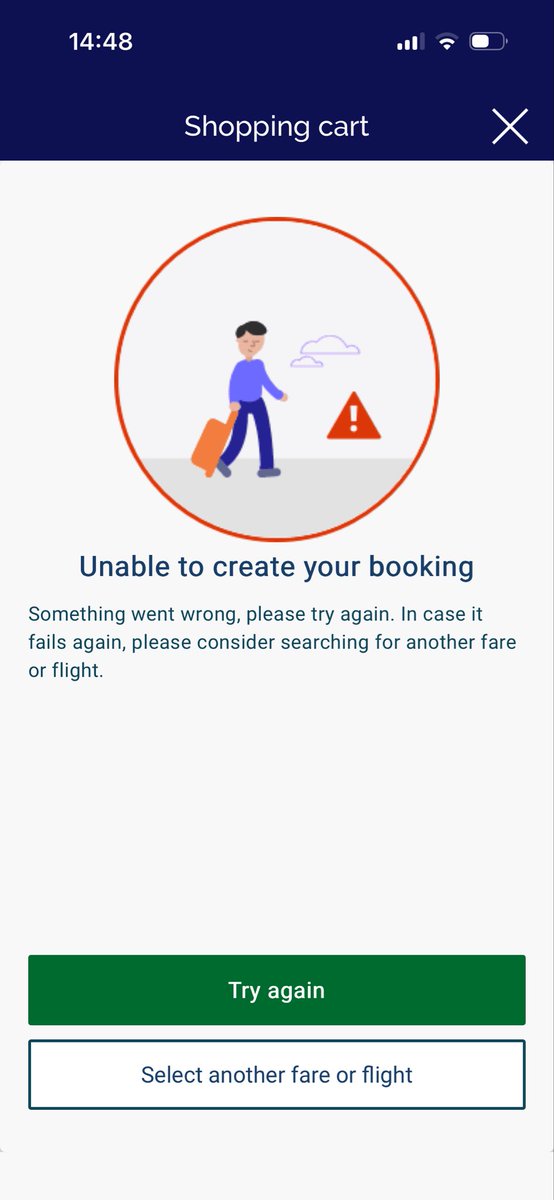
Hi @flysaa , when will this be fixed? Been trying to book and I even called the call centre and they couldn’t help. Something about the flights not being available yet
If you’re considering doing your PGDA (CTA) in 2026, I’d advise you to consider doing it at Milpark. Having been expose to multiple institutions, I can honestly vouch for their programme. Their assessments are so top-tier and great preparation for sitting the SAICA exams.