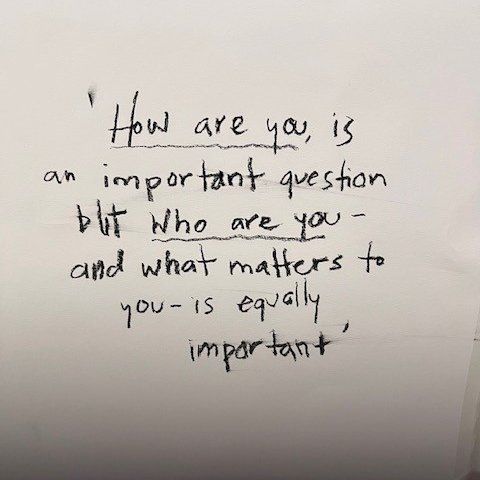
'How are you is an important question, but who are you -and what matters to you-is equally important'.
Staff visited @SouthernAdlLHN exhibition by Daniel Connell who worked with patients receiving #PalliativeCare to help bring them dignity & extend the conversation about #dying
There are many occasions when doctors in any specialty might need to step up into palliative care conversations, symptom management, anticipatory care planning, or caring for dying patients.
This @APMJuniors conference is for all of you.
Great review by @drkathrynmannix of a recent study of highlighting the number of X-Rays & scans performed in the final 6m of life.
I'm honoured to talk with @JoeHawk75825077 & learn more about this study as part of the new podcast season
https://t.co/IE2INxpIKj
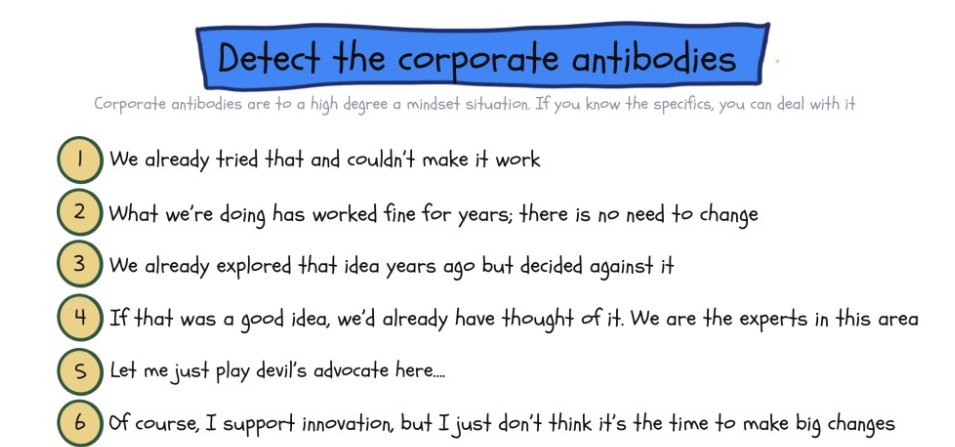
"Corporate antibodies" are people or processes within an organisation that resist new ideas & innovations, often with a good intention to protect it from risk. They're called “antibodies” as they seek to neutralise changes they perceive as threats to the status quo and make it very difficult to improve practices & behaviours.
Approaches to build a positive environment for change:
1) Work hard to engage people who might block
2) Build a culture of psychological safety so people can voice their concerns & suggestions without fear of backlash
3) Provide support & resources to those who need help navigating the change process
4) Celebrate success: progress & milestones
5) Foster collaboration across teams
6) Identify "change champions" who can help maintain momentum and enthusiasm for the change
7) Establish a feedback loop & continuous learning system:
https://t.co/0AVXlGOvJv. Via @innovate. By Stefan Lindegaard.
There's a big difference between "speaking up" & "calling out". This is so relevant in the context of building psychological safety & addressing issues & concerns within teams. ‘Speak up’ cultures enable people to get under the surface of issues; to feel & be heard. ‘Call out’ cultures shut down open & honest communication, breeding fear & discontent. When things go wrong, there's often a knee jerk reaction towards fault finding. Stepping back from this & instead focusing on finding solutions supports growth & development of people & systems.
https://t.co/Jwncd2W19r. By @drbrockbastian. Graphic: Mays W. on LinkedIn. Via @tom_geraghty & Jayne Cheswick.
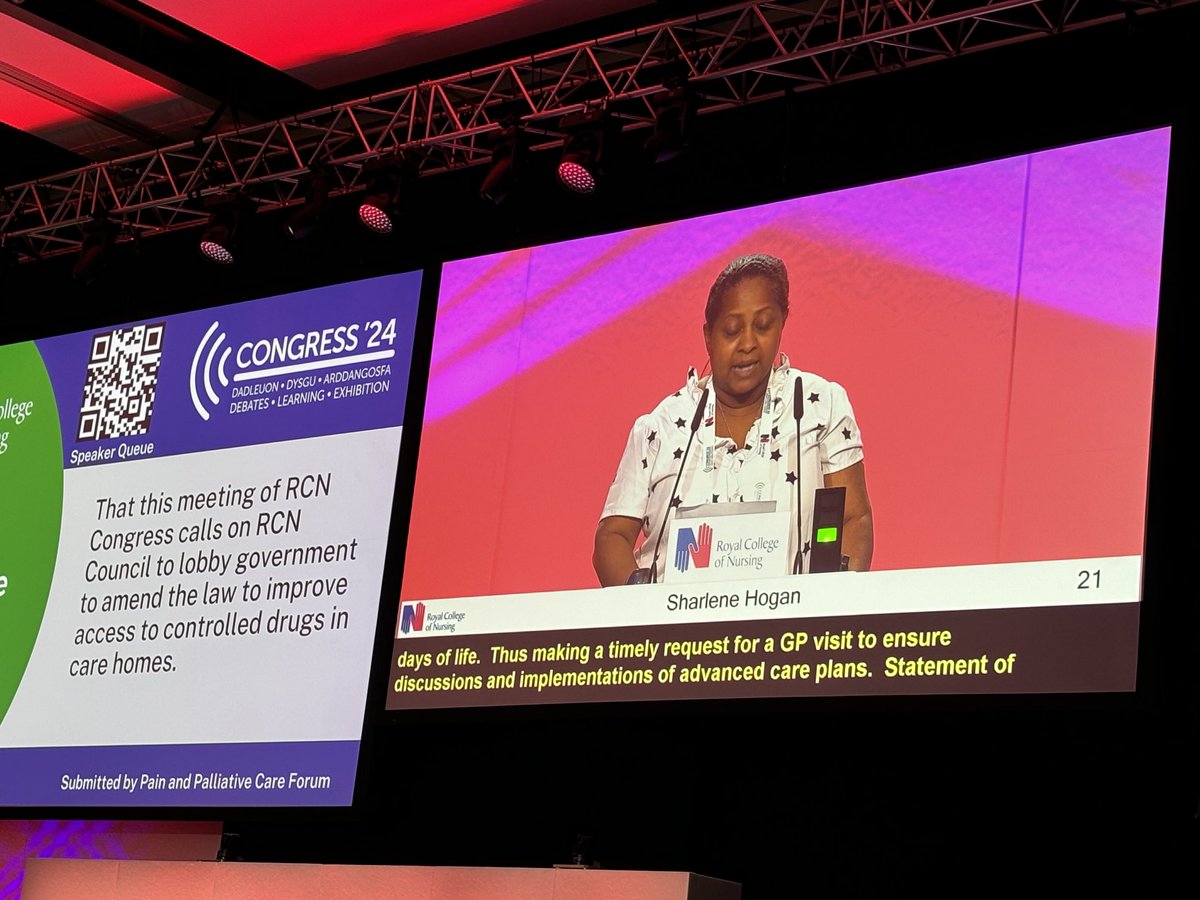
@RCNANPForum Sharlene hogan highlighting the importance of training, advance care planning and access to community teams is more important than access to the actual drugs..@Lyons01Sarah you’d be so proud.
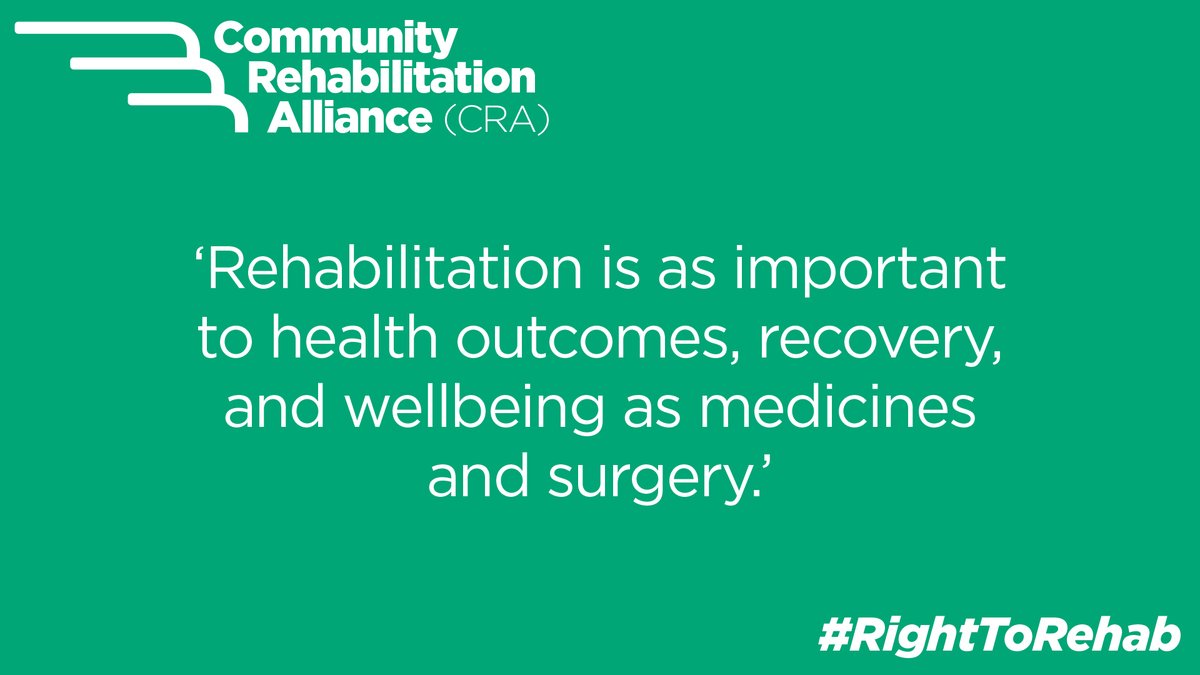
#Rehabilitation should be a component of virtually all care for older people. There is no such thing as ‘no rehabilitation potential.’
Read our new report 'Reablement, Rehabilitation, Recovery: Everyone’s business' #BGSrehab#RighttoRehab#Rehablegend https://t.co/jdPObzD6XJ
Important paper alert 🚨
End of life care-
Increasing social isolation and financial pressures- the reality faced by people presented through their own stories. This IS the reality and the reason dying in hospital should not be viewed as a “poor” outcome #fundcommunitycare
My thanks to @JosephCosgrove7 for this reflection on #AdvanceCarePlanning It's a masterclass in seeing an acute event in the context of a longer term illness.
Find out how sensitive #communication resulted in a personalised plan
https://t.co/nvHZx0aqlO
@drkathrynmannix