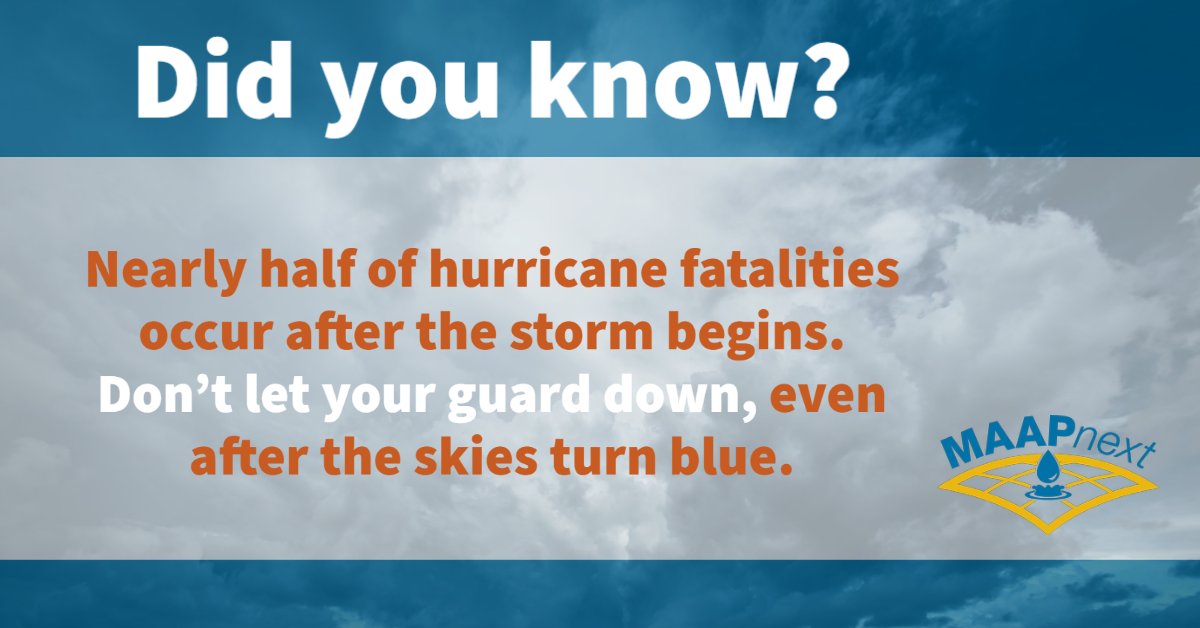
The major hazards associated with hurricanes are:
· storm surge and storm tide
· heavy rainfall and inland flooding
· high winds
· rip currents
· tornadoes
The Discover Floods – Educator’s Guide is a series of teacher-led activities that correlate with the educational standards of most state and can enhance students’ knowledge on water resources and Flood Preparedness. Download it at https://t.co/nlWAdzaTwH
#MAAPnext#BePrepared
In Harris County, hurricanes not only bring extreme winds but also widespread flooding. But with the right preparation and knowledge, we can keep ourselves and our loved ones safe. #HurricaneSeasonHarrisCounty#BePrepared
The National Hurricane Center and the Central Pacific Hurricane Center track continuous movements of tropical cyclones.
Stay aware, at https://t.co/7S6D8xBPJ7
#HurricaneSeasonHarrisCounty#BePrepared
When a storm's maximum sustained winds reach 74 mph, it is called a hurricane. With a 1 to 5 rating, or category scale, the Saffir-Simpson Hurricane Wind Scale is based on a hurricane's maximum sustained winds
Hurricane season starts on May 15 in the north Pacific and June 1 in the Atlantic and the Caribbean. It ends on November 30. Before hurricane season each year, make sure you and your family are prepared by planning ahead.
#HurricaneReadyHarrisCounty#MAAPnext
If you live in an area with low or moderate flood risk, you are 5 times more likely to experience flood than a fire in your home over the next 30 years.
Identify your risk according to @FEMA’s Flood Map Service Center at https://t.co/QNraqcbKhs
Weather Alert! The Flood Operations Team will monitor rainfall trends and check gages that measure rainfall amounts and water levels in bayous and creeks.
Click here for more: https://t.co/48AU2Km7on
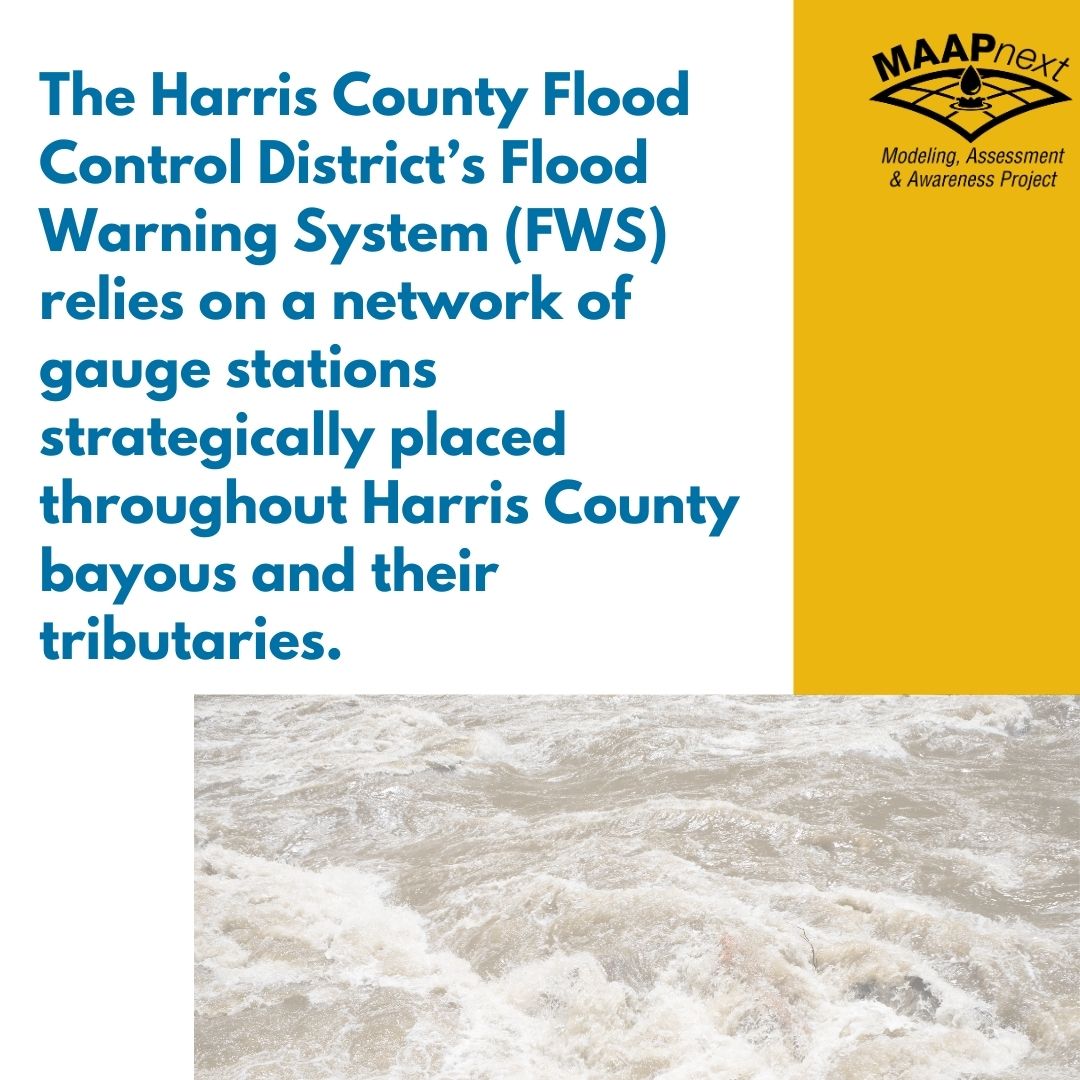
The Harris County Flood Control District’s Flood Warning System (FWS) relies on a network of gauge stations strategically placed throughout Harris County bayous and their tributaries.
Check it out at //www.harriscountyfws.org/