@janrosenow@scotenergyforum@GeolSoc Thanks Jan, these are all great points. In Australia, we have all the natural resources to be a renewables led economy but this question is commonly posed as a ‘gotcha’ due to our low % share of emissions. For all these reasons & firming up our huge export industry is why 👍
Batteries just keep on getting cheaper and cheaper.
The average price of lithium-ion battery cells dropped from $290 per kilowatt-hour in 2014 to $103 in 2023.
Electrification is efficiency. When we electrify our energy systems coupled with clean electricity, something remarkable occurs: significant inefficiencies disappear. As a result, in a decarbonized world, our overall energy final demand will be much lower than it is today.
Thanks @_HannahRitchie for turning Nick Eyre’s “@ecioxford excellent paper into an accessible graph and article.
https://t.co/MxquVs5TFb
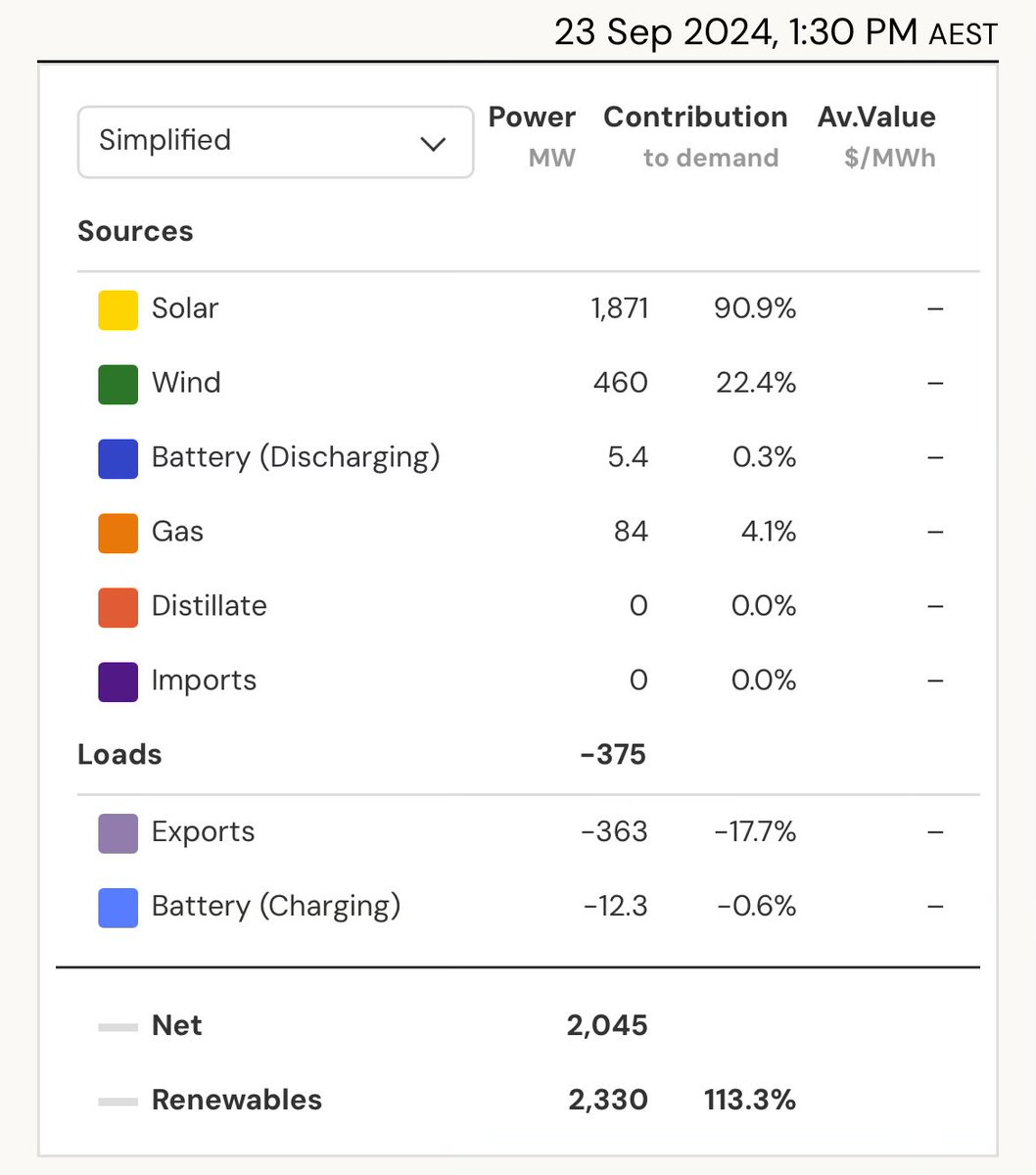
as @PeterDutton_MP speaks, south australia’s power is 113% renewable.
if you forced a 300 MW #nuclear reactor into that grid you’d have to turn off solar or wind… or build a lot of extra batteries… or build a fourth interconnector to the eastern states.
cost upon cost.
People have the wrong impression about virtual power plants (VPPs).
VPPs don't just aggregate small resources to virtually recreate a power plant or make something that's "virtually" as good as a power plant.
VPPs are way cooler than that. Centralized power plants rely on transmission and distribution (T&D) infrastructure to deliver the power they generate to where it's actually needed.
Distributed resources can generate electricity or lower demand right where that demand is.
100 MW of distributed generation is a lot more valuable than 100 MW of centralized generation.
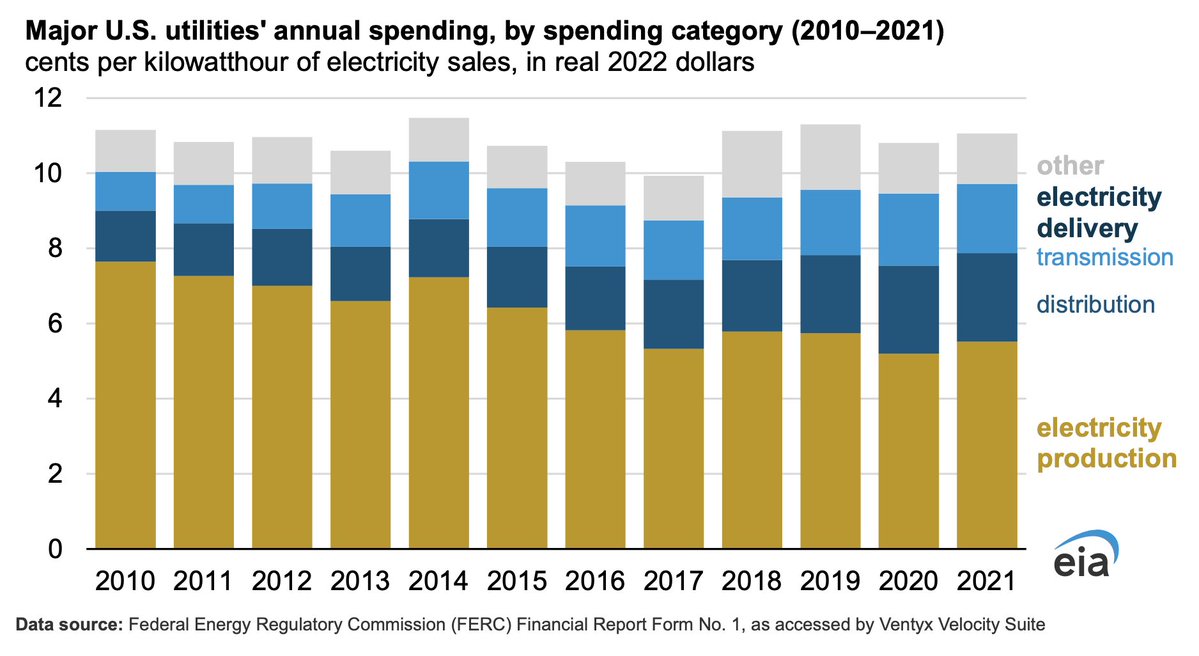
T&D makes up ~40% of the cost of electricity.
Distribution makes up ~2/3 of the cost of T&D.
To achieve really cheap electricity, lowering the cost of generation is not enough. We have to lower T&D costs.
Generation is actually getting a lot cheaper, but T&D costs are rising (especially distribution costs).
Virtual power plants are one of the most powerful tools we have to lower transmission and distribution costs. Even if we had unlimited free fusion power tomorrow, we would still need VPPs.
Large centralized generation is extremely important, and it's not going away. Virtual power plants are not a 2nd rate replacement, they're an augmentation.
T&D is the weak link in our grid. Transmission and distribution failures cause the vast majority of outages. T&D costs are increasingly driving electricity costs.
VPPs enable a level of abundance, affordability, and resilience that cannot be matched with centralized infrastructure alone.
This is what leadership in the energy transition looks like 👏 it’s one thing to focus on generation but if we don’t adapt our housing stock to work dynamically with the new energy market, we’ve only solved half the problem. Well done 👍 #auspol#energytransition
All-electric homes are more comfortable to live in and cheaper to run.
That’s why we’re helping more Victorians - including first home owners and vulnerable households - go all electric through our Residential Electrification Grants.
All-electric homes are more comfortable to live in and cheaper to run.
That’s why we’re helping more Victorians - including first home owners and vulnerable households - go all electric through our Residential Electrification Grants.
@RDNS_TAI @GrogsGamut I think there is confusion generally over the role that future gas plays and ability to switch off than transition off.
I don’t support the construction of new gas or coal, a firm domestic reservation policy would ensure we have enough gas than it all being exported.
@RDNS_TAI @GrogsGamut Renewables needs policy certainty for greater investment, the latest political antics don’t help. We also need to replace not current usage with renewables but future load eg. Electrification and EVs. It will take some time to build this infrastructure, so gas has a role for now
Editorial: Once again investment is being slowed. Once again the obvious is being treated as uncertain. This is played out as if it were a game, but it is not: the world is being pushed closer to catastrophe. https://t.co/Z845nH3Og8
#Nuclear costs for large or small reactors would need to be reduced by two thirds for nuclear power to compete with firmed renewables. There is no reasonable expectation that this could or would ever occur https://t.co/wpeyBqMtrG
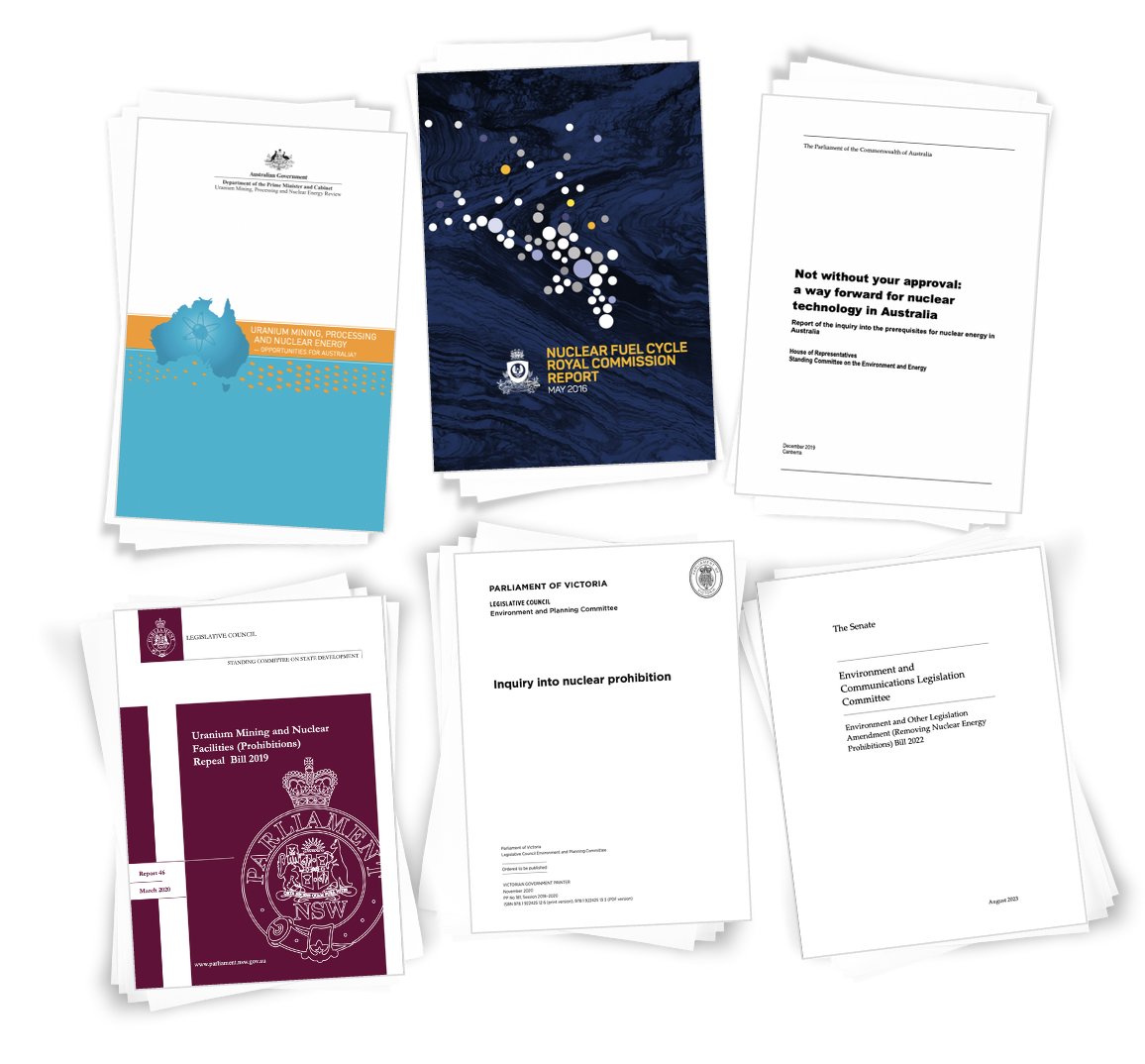
"we need to have a conversation about #nuclear!"
we have. many times.
2006 switkowski review
2015 SA nuclear fuel cycle royal commission
2019 federal parl. inquiry
2020 NSW nuclear (prohibitions) repeal bill inquiry
2020 VIC inquiry into nuclear prohibition
2023 senate inquiry
Switching out gas appliances for efficient, electric ones will slash your energy bills.
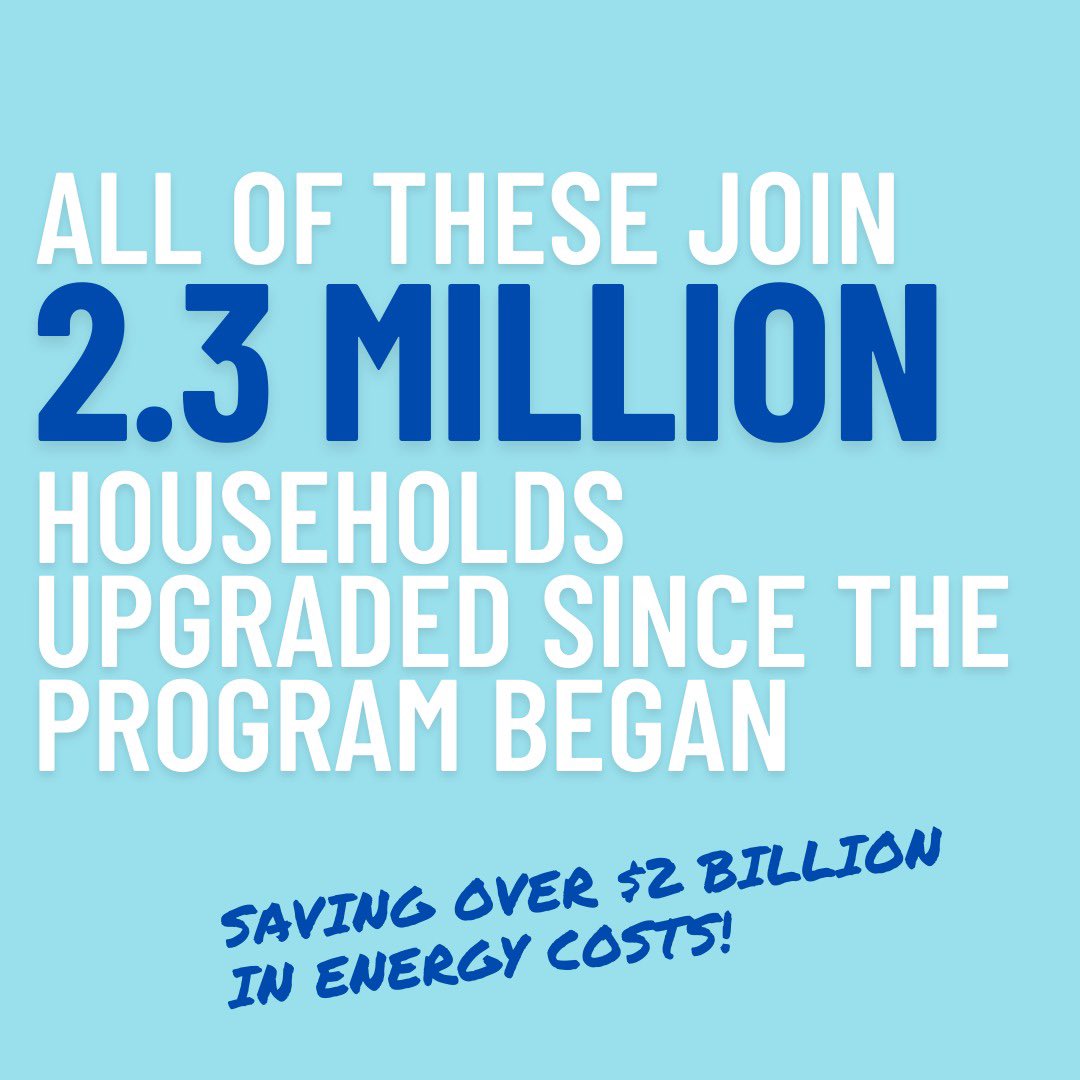
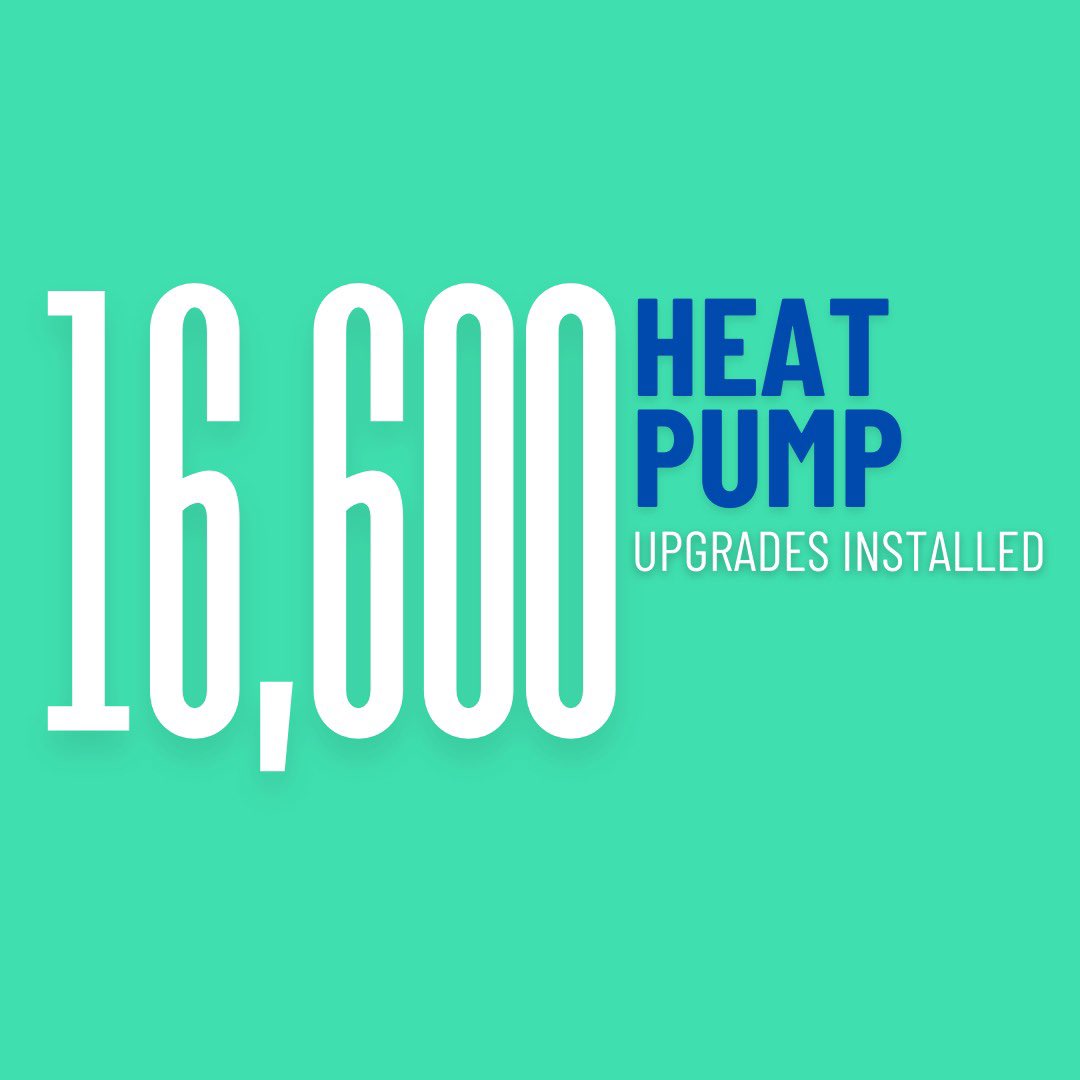
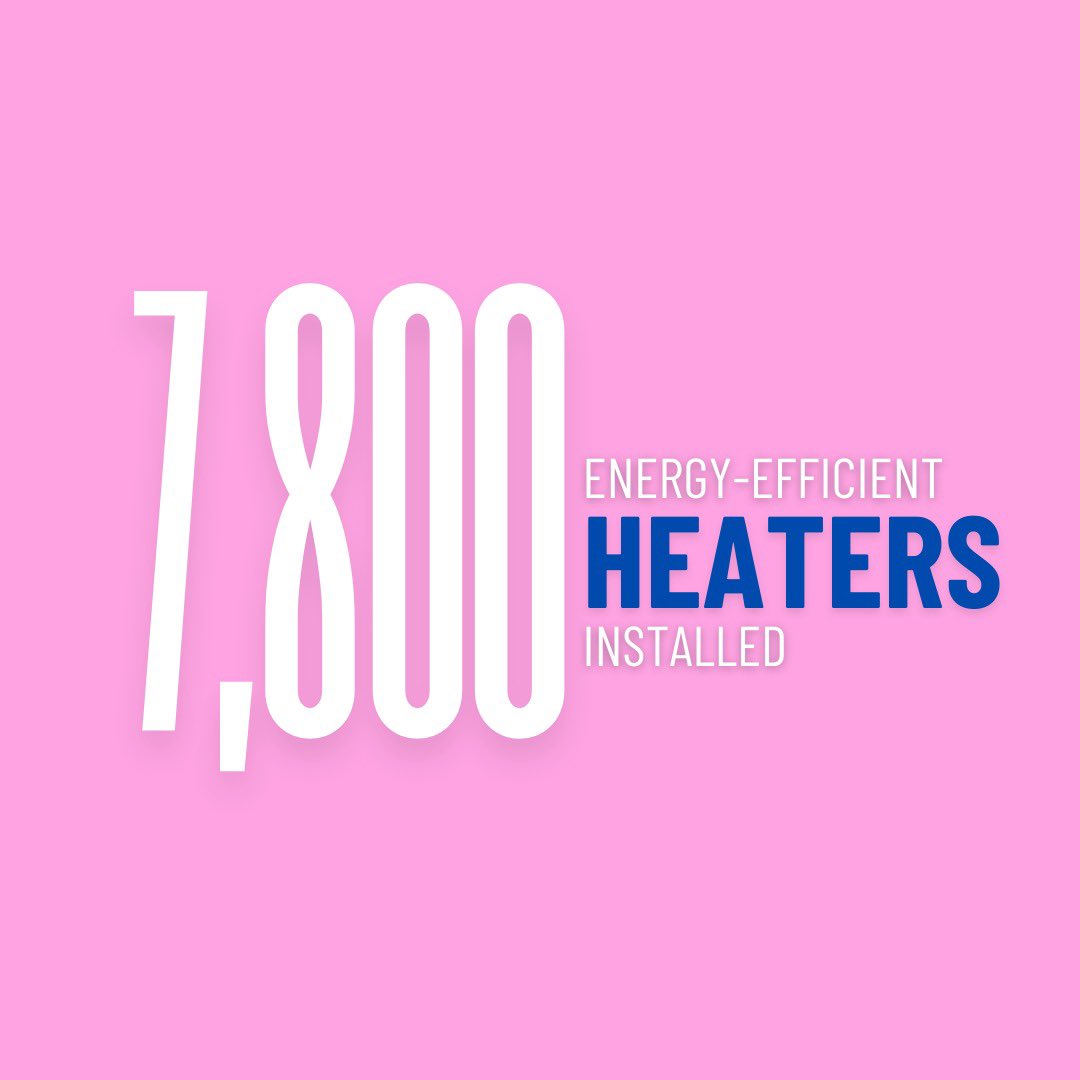
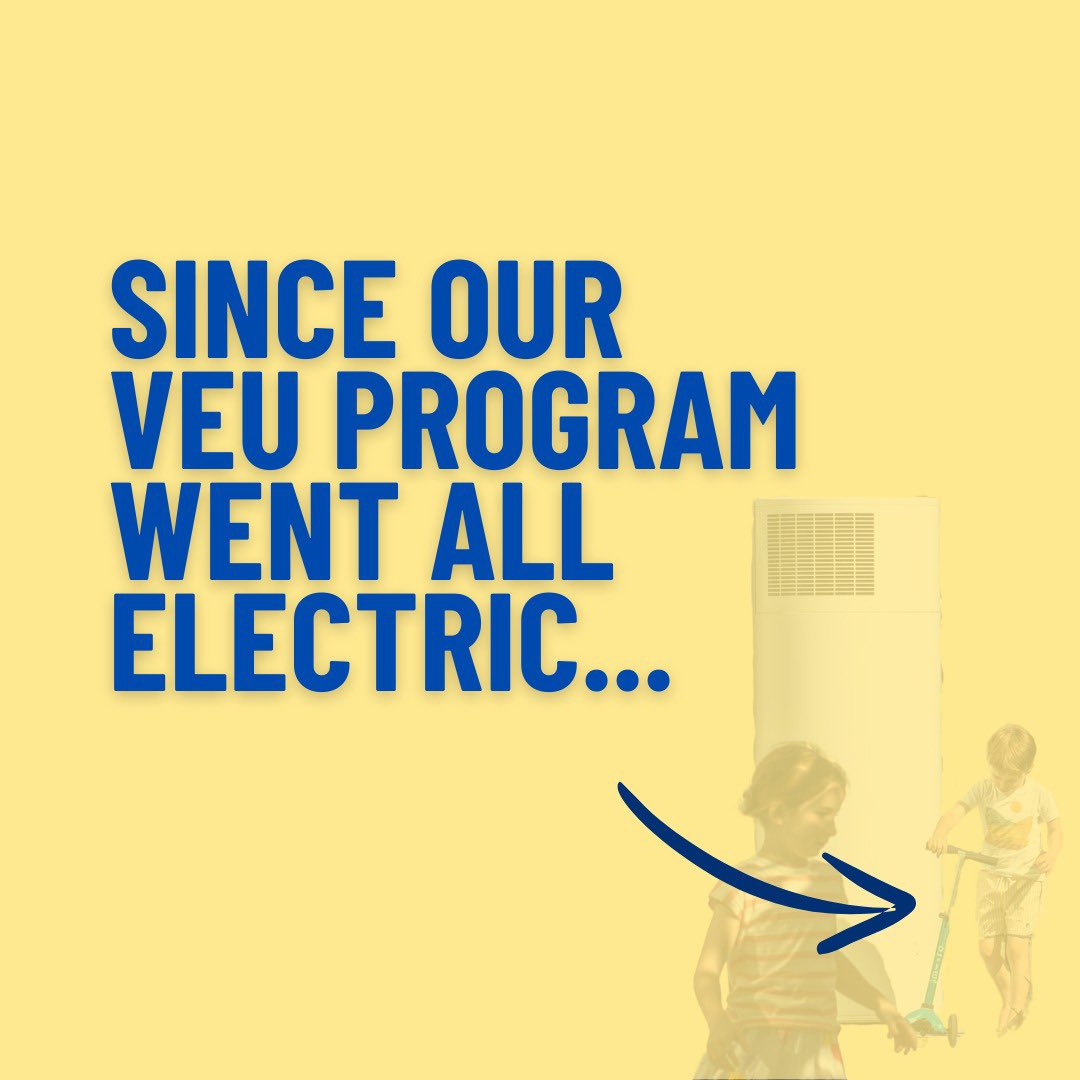
It’s why a year ago our Victorian Energy Upgrades program went all electric for households to help with discounts to install efficient electric appliances – putting money back in your pocket
Electrification saves households $1000s every year.
I’ll keep pushing Govt to have policy & programs that permanently reduce the cost of energy & don't leave low income households & renters behind.
This is a huge opportunity in a cost of living crisis.
https://t.co/miybCr7LuD
The National Battery Strategy includes $523.2 million for the Battery Breakthrough Initiative.
This is to be administered by ARENA to promote the development of battery manufacturing capabilities targeted at the highest value opportunities in the supply chain.
Read the strategy👇
The budget is a pitch to make investments in green projects the centrepiece of the next federal election – but observers say the plan lacks coherence and that it will take a year to sell that vision, reports @KJBar. #auspol
https://t.co/KoKybv7ca2