Excited about our latest BFR study led by Chris Pignanelli. We explored how BFR during exercise affects recovery and PLFFD compared to regular exercise. Results show BFR does not hinder neuromuscular recovery within 24 hours or increase PLFFD.
https://t.co/NLLCYXmf5C
Following any knee injury or surgery, there is commonly a phase of reduced activity and disuse that leads to muscle atrophy, diminished strength, and anterior knee pain.
After an anterior cruciate ligament (ACL) injury, patients might experience a decrease of 20% to 33% in their quadriceps muscle volume from the moment of injury up to three weeks post-ACL reconstruction (ACLR).
The decline in muscle mass and strength can be a source of pain, functional limitation, and decreased physical fitness. These persistent muscle weaknesses after surgery can result in functional deficits lasting up to 3 years postoperatively.
Periods of reduced mobility before and after surgery, vascular ischemia, and inability to perform high load strength training preoperatively and in the early postoperative period contribute to these early losses.
An extensive amount of research after ACLR indicates that a significant proportion of patients fall short of meeting adequate levels of strength, function and performance as recommended at the time of return to sport (RTS).
Approximately 35% of athletes fail to return to sport (RTS) at their preinjury level and are at a high risk of reinjury in the 24 months after RTS.
The long term health and future injury risk of the operated knee might be reduced if they meet established discharge criteria or achieve strength symmetry.
With the ultimate objective of regaining or even surpassing the patient's previous level of performance and protecting them from future injuries in mind, the rehabilitation team must guide the patient through an extensive recovery journey and adeptly devise interventions.
These interventions are aimed at rectifying deficits in strength and functional performance by precisely targeting the underlying mechanisms that result in muscle atrophy and impaired neuromuscular activation.
🎯🎯 The utilization of modalities such as NMES, EMG and BFR presents promising avenues for enhancing knee muscle function subsequent to ACLR. During the initial stages of rehabilitation, NMES can minimize muscle atrophy and contractile dysfunction.
EMG provides valuable biofeedback enabling patients to acquire essential muscle control skills and enhance quadriceps engagement.
BFR offers a solution for promoting muscle growth, particularly in scenarios where compromised knee load-bearing due to restricted range of motion or weight-bearing limitations, or hindered muscle activation caused by AMI is a concern.
By embracing these modalities, muscle function (in particular the quadriceps and hamstrings) can be optimized in the early stages of rehabilitation setting a solid platform for progression to more traditional strength training strategies in the later phases optimizing knee function and successful recovery following ACLR.
🔗🔗 Read More 👉👉 “Enhancing Neuromuscular Function Post ACL Reconstruction, Insights and Interventions) 👉 https://t.co/7VP9HzhEir
✍️ Written by Vasileios Sideris, Nuno Nascimento, Andreas Bjerregaard
🔛 Aspetar International Rehabilitation Conference "The Complete Guide to the Athletic ACL." 🔛
🎯 Luke Hughes from the UK will share his insights on how to most effectively use BFR throughout the rehabilitation process.
🔗Join us 👉 https://t.co/oouCZS38hd
#AspetarACL2023
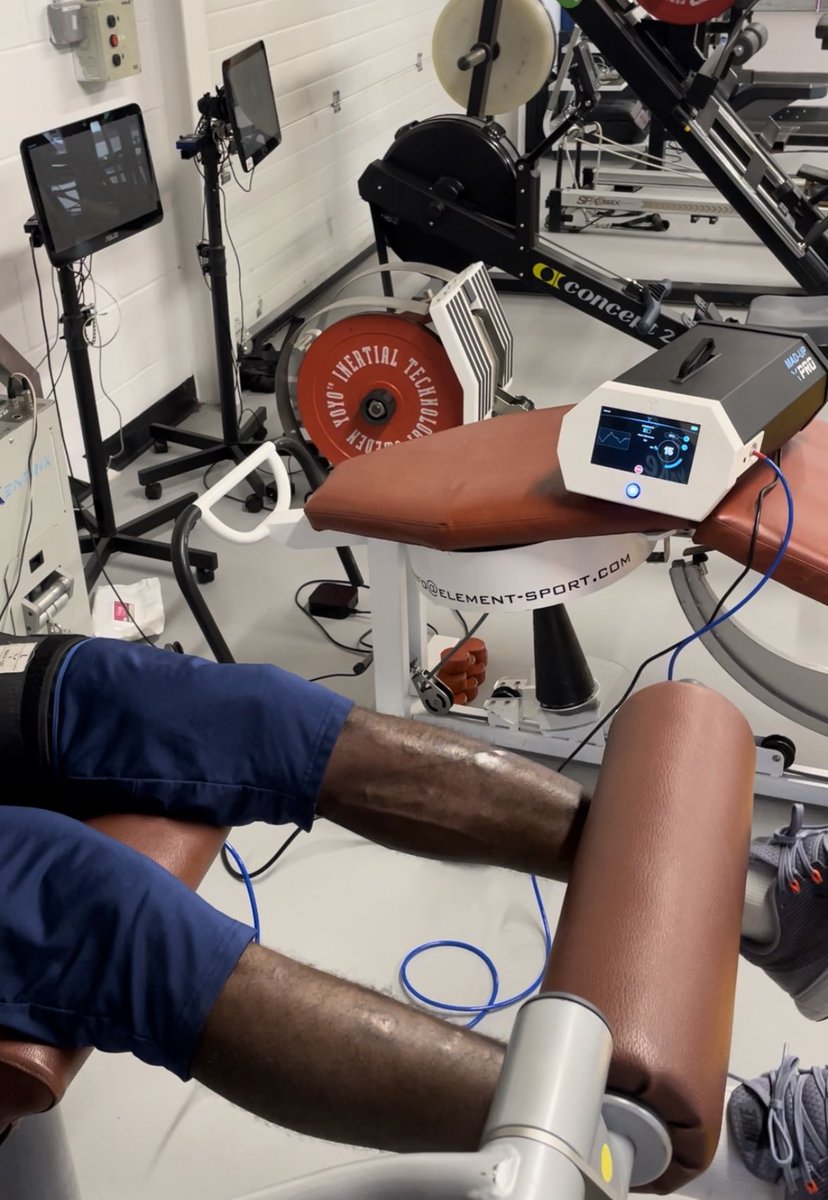
A patient of 67 years old from Spain 🇪🇸 passionated by hiking in mountain but facing trouble with pattelofemoral pain syndrome.
The use of MAD-UP help to strength his knee but also to have a pain relief effect 💫
#BfrTraining
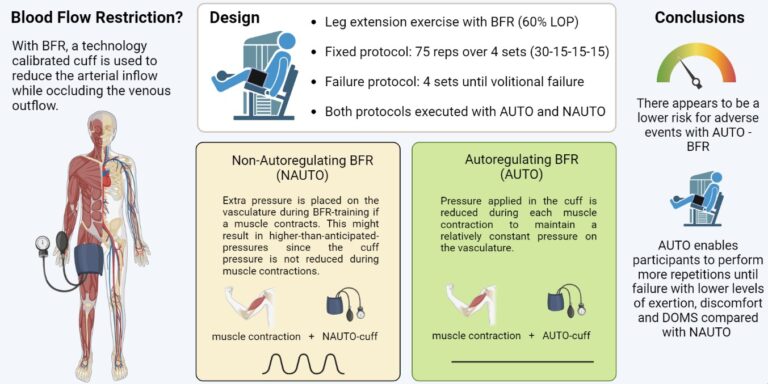
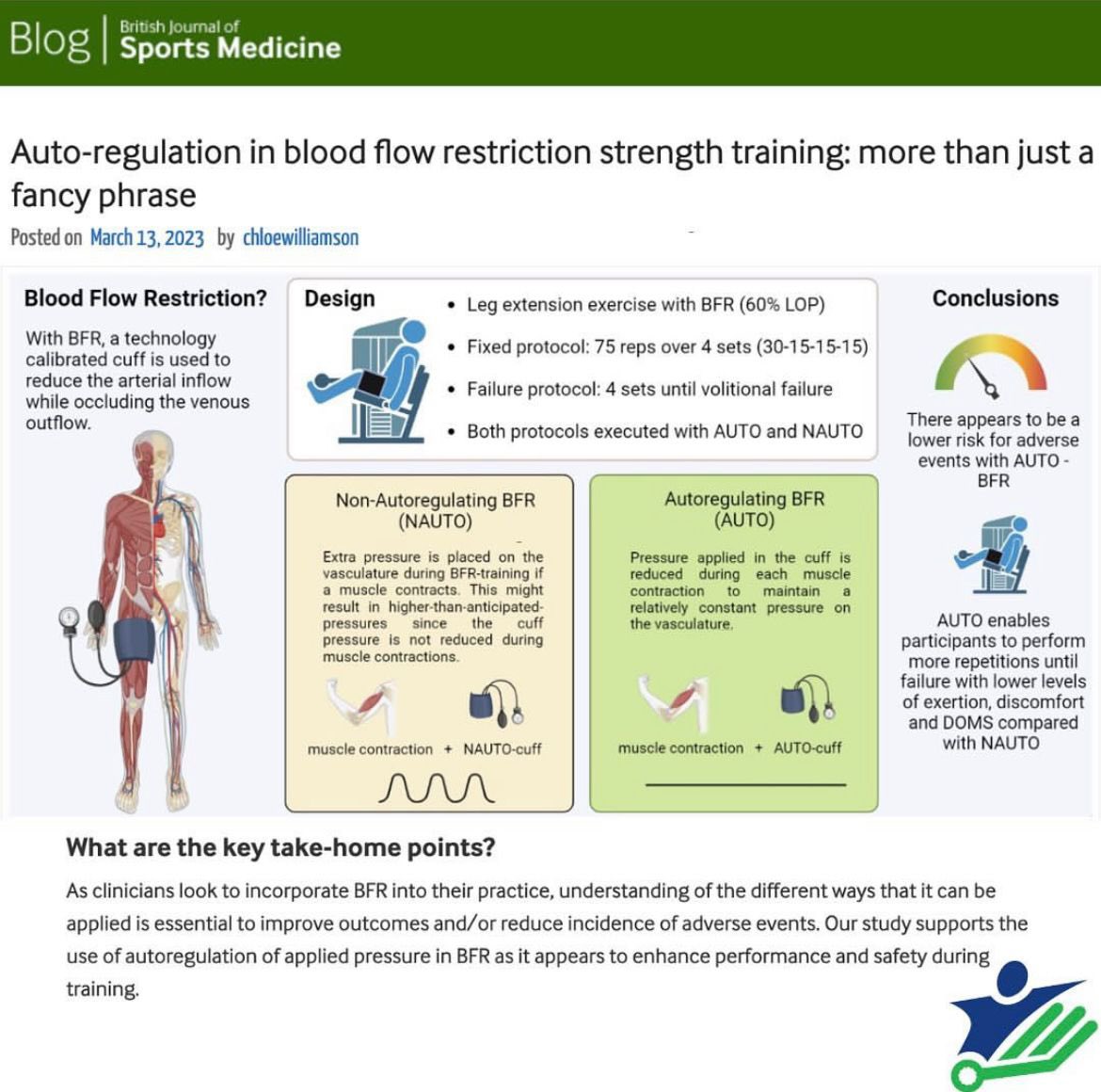
⚠️ What are the advantages of auto-regulation in blood flow restriction strength training compared to non-autoregulation? 🤷♀️ 💪
🏋️♂️ More repetitions 📈
🏋️♂️ Less muscle soreness after 24h
🏋️♂️ Less uncomfortable 👍
NEW #BJSMBlog ➡️ https://t.co/oni9TMZMAy
The reason why in clinical practice it is highly recommended to prioritize an Auto-regulated device while using Blood Flow Restriction Training 🧠💡
https://t.co/3ArdOHJOyq
MAD-UP course by @rcabanillas_93 in Spain 🇪🇸 with multiple clinical cases and an update on scientific evidence.
Assisted by @AtmGrupo@ATMfisio & Miloš Dimitrijević
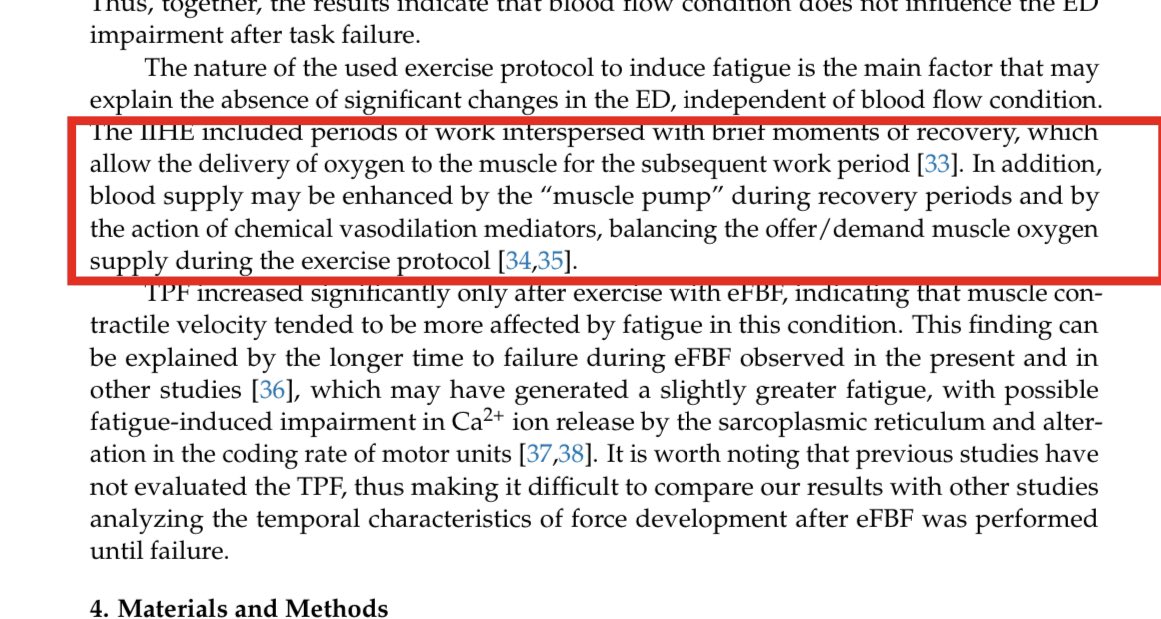
BFR “blood flow restriction “ en periodos de recuperación/ estrategia de recuperación post esfuerzo . Efecto “muscle pump “ que puede justificar su utilización y efectividad (📷 @izosarr sesión recovery pasada temporada en Watford FC con dispositivo @MADUP_Training BFR )
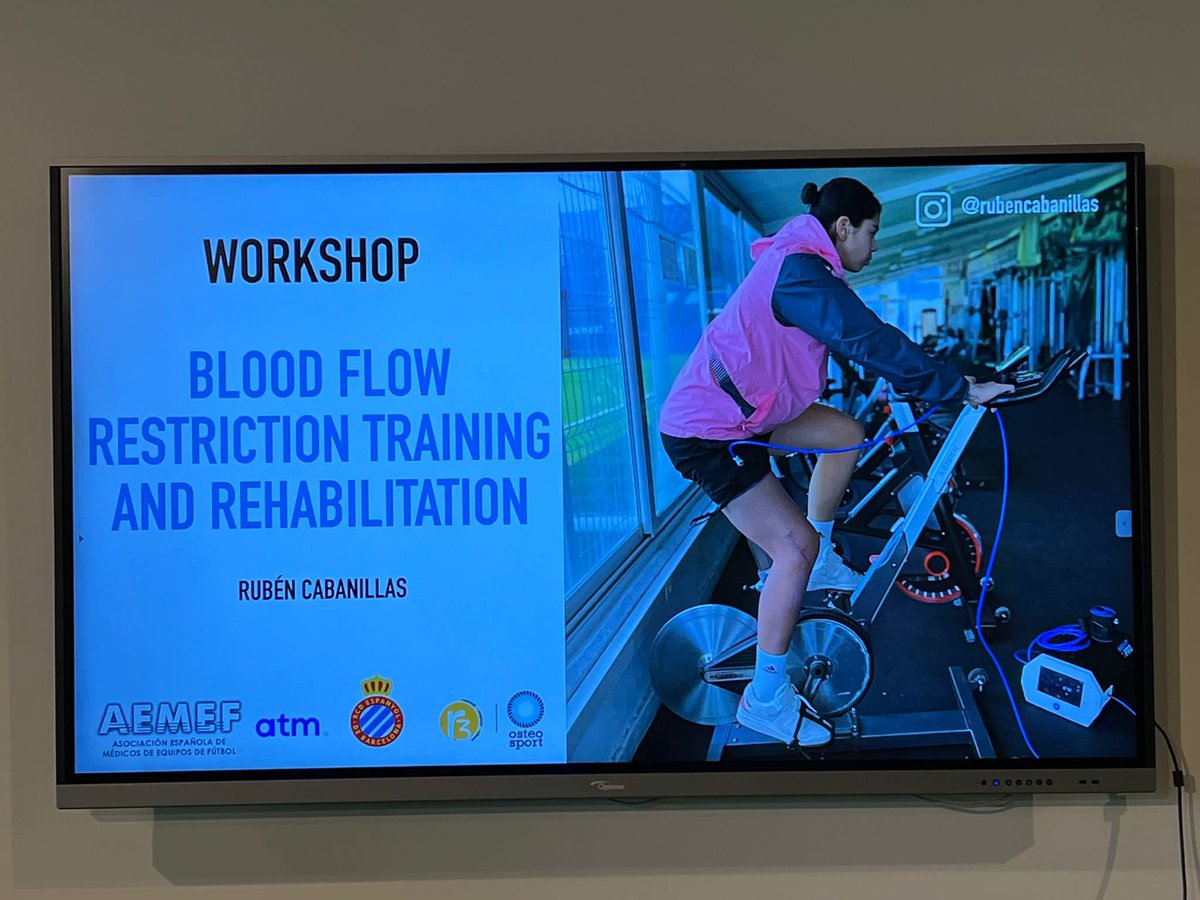
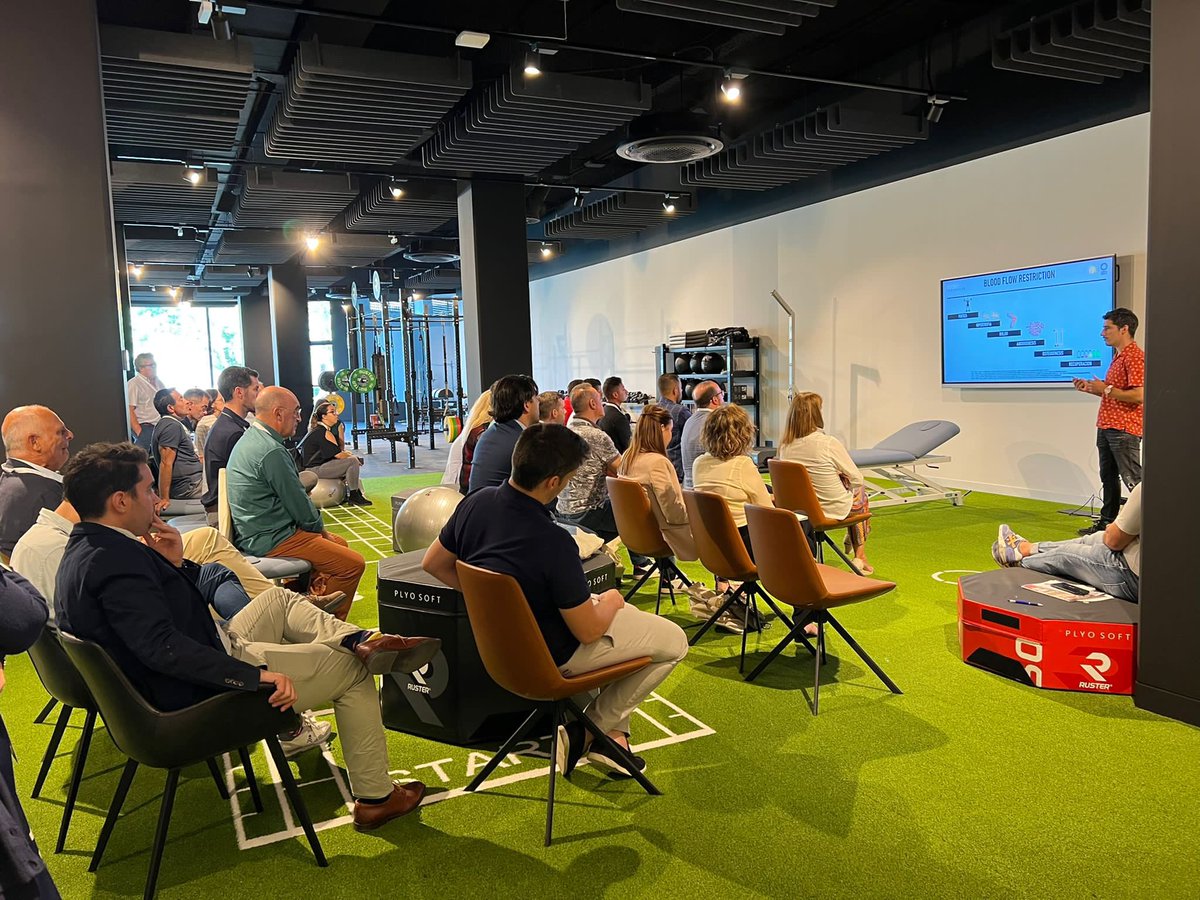
Gran experiencia en el congreso de @AEMEF_ organizado por @anadtcomba en las instalaciones de @optimo_sport hablando sobre el Blood Flow Restriction en el proceso de recuperación/readaptación de una lesión! 🤯🧠