Associated with the enigmatic people today called the Nyanga Culture, it is still unclear for what purposes these terraces were constructed. Both farming and mining have been proposed, with most scholars agreeing that farming was the most likely reason.
Second hints:
The site is part of an area that has been proposed for listing as a World Heritage site…….
Images credit:
Damien Farrell - GNU Free Documentation License
The correct answer is the Ziwa National Park, located in the Manicaland province of #Zimbabwe. The area has a long history of occupation but is most well known for the extensive terracing located in the park as well as the surrounding areas.
Our Arches database is nearing the end of its development. With that in mind, here is a sneak peek to how Arches is going to look…..
#Database#Africa#Heritage#Archaeology
@Stonefishweirs Congratulations @Stonefishweirs for identifying this site as The Historic Town and Archaeological Site of Gedi. The Historic Town and Archaeological Site of Gedi is recently been listed as a World Heritage Site.
Temple of Victory at the Kushite capital of Meroe, whose citizens would repeatedly – and symbolically - trample it a lasting act of defiance and dissent.
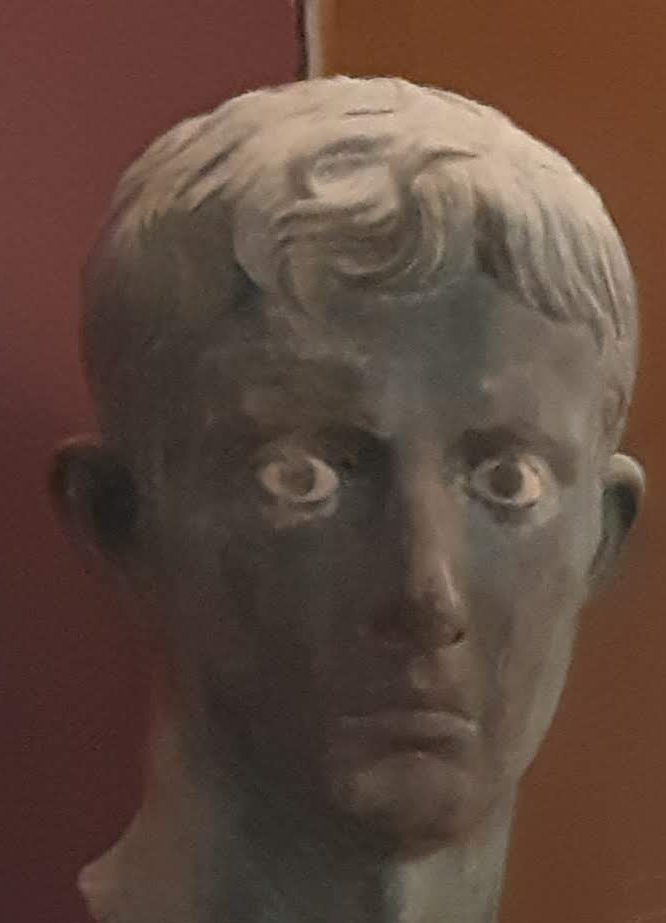
Did you know? This is the bronze head of Augustus – the first Emperor of Imperial Rome. Sculpturally, it signifies absolute authority, apt for the leader of the known world. And no wonder: during Augustus’ reign, he remade Rome and conquered large parts of Europe and North Africa
including Cleopatra’s Egypt. Yet in 24 B.C.E., the army of Queen Amanirenas, ruler of the Kushites, in modern Sudan, conducted a very successful raid of Roman Egypt, and likely took this head as booty. The head was later buried underneath the entrance steps of the
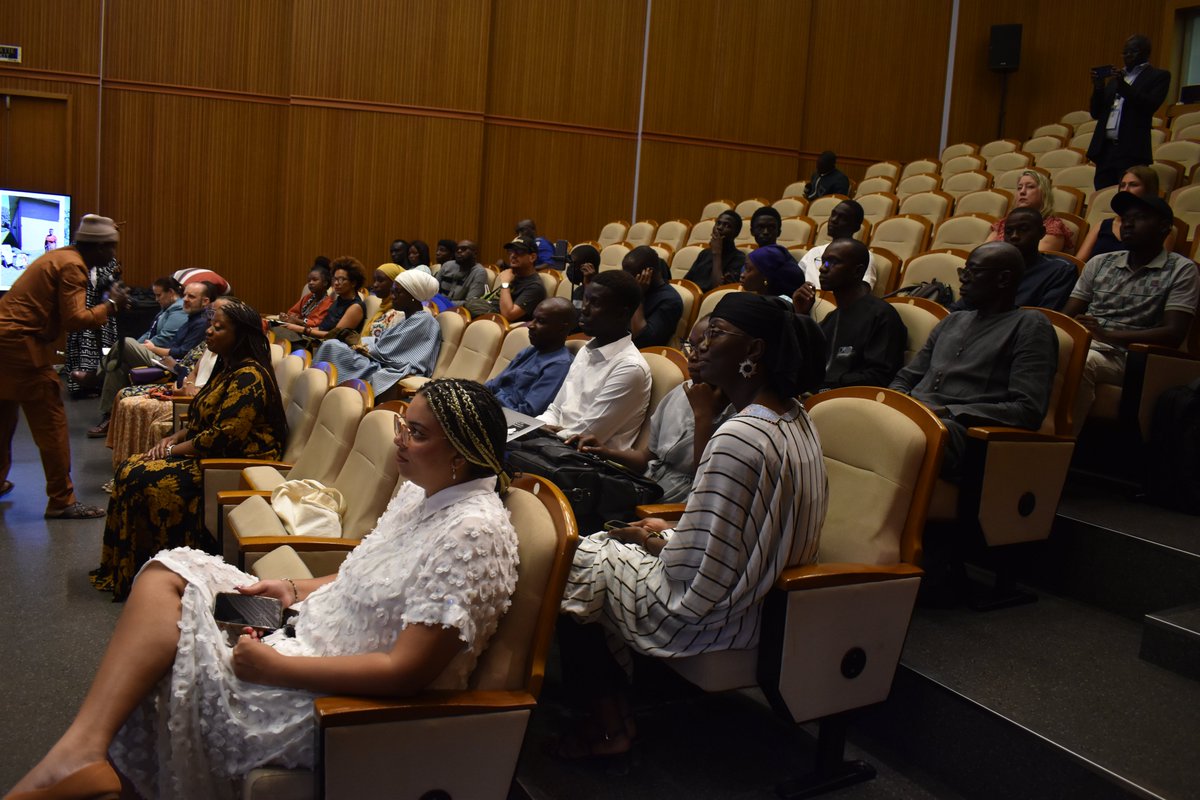
Dans le cadre de la Biennale, URICA en collaboration avec l’ambassade des USA a organisé un Panel sur : “Unfinished conversations: healing and making meaning in a world living in the wake of slavery and colonialism”. I. Thiaw Co-investigator de MAEASaM était un des panélistes.
Answer to last Friday's #HeritageFromAbove is a 'Fort'. Located in the Kidal region of Mali, this aerial view captures the remains of a fort likely dating back to the Saadi Sultanate, which once commanded a vast empire from the heart of Morocco down to the modern city of Djenné
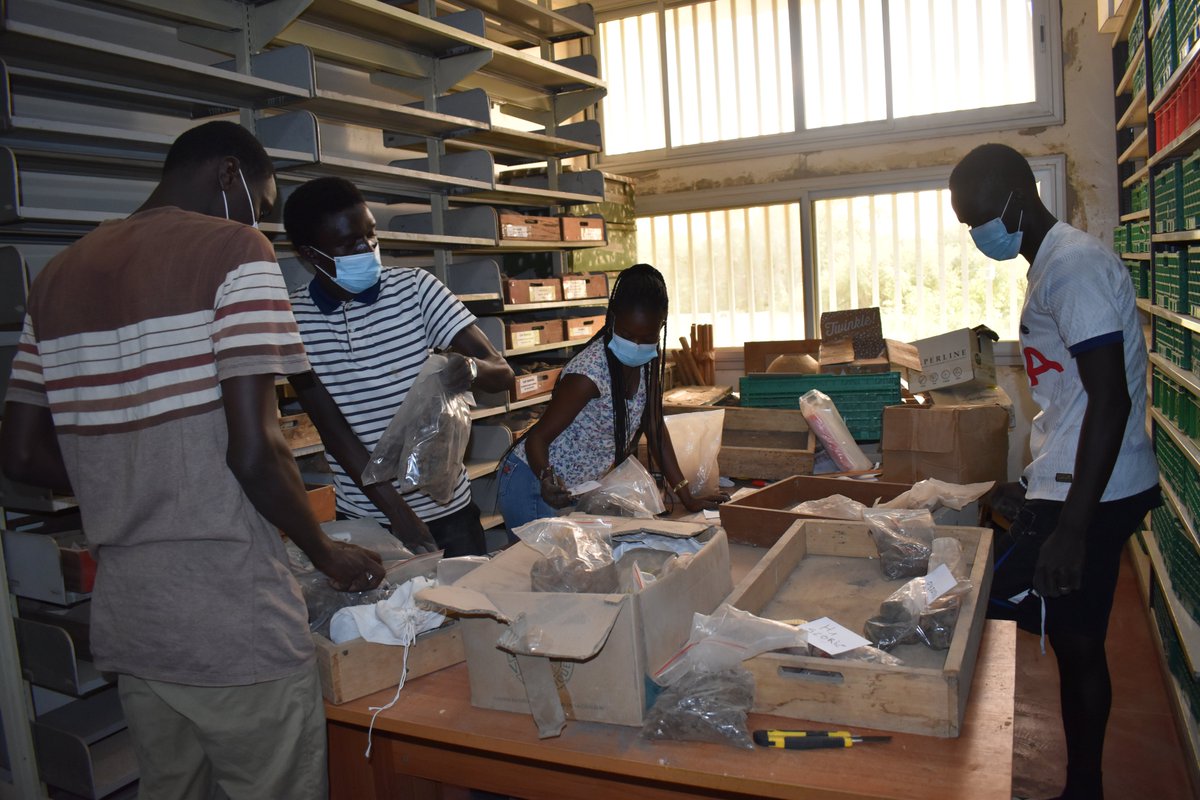
Une équipe d’archéologues dirigée par le Pr Ibrahima Thiaw travaille à relire l’histoire sous un nouveau regard en s’appuyant sur les données archéologiques collectées à Gorée, île qui en Afrique fut l’un des plus grands centres de ralliement des produits de la traite atlantique.
They are on the front lines of #protecting Sudan's #heritage for future generations, against overwhelming odds.
We stand with #NCAM and urge the global community to recognize the irreplaceable loss happening in Sudan and support the preservation of humanity’s shared history.
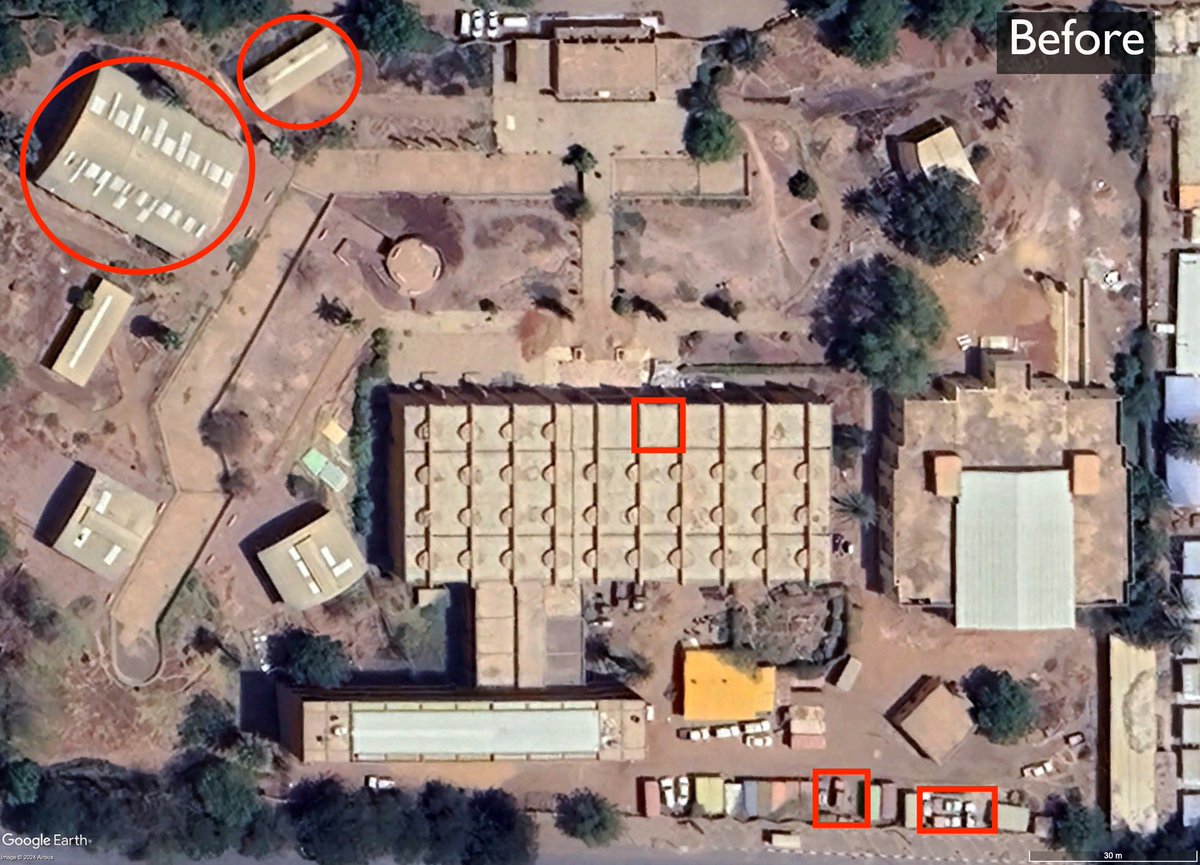
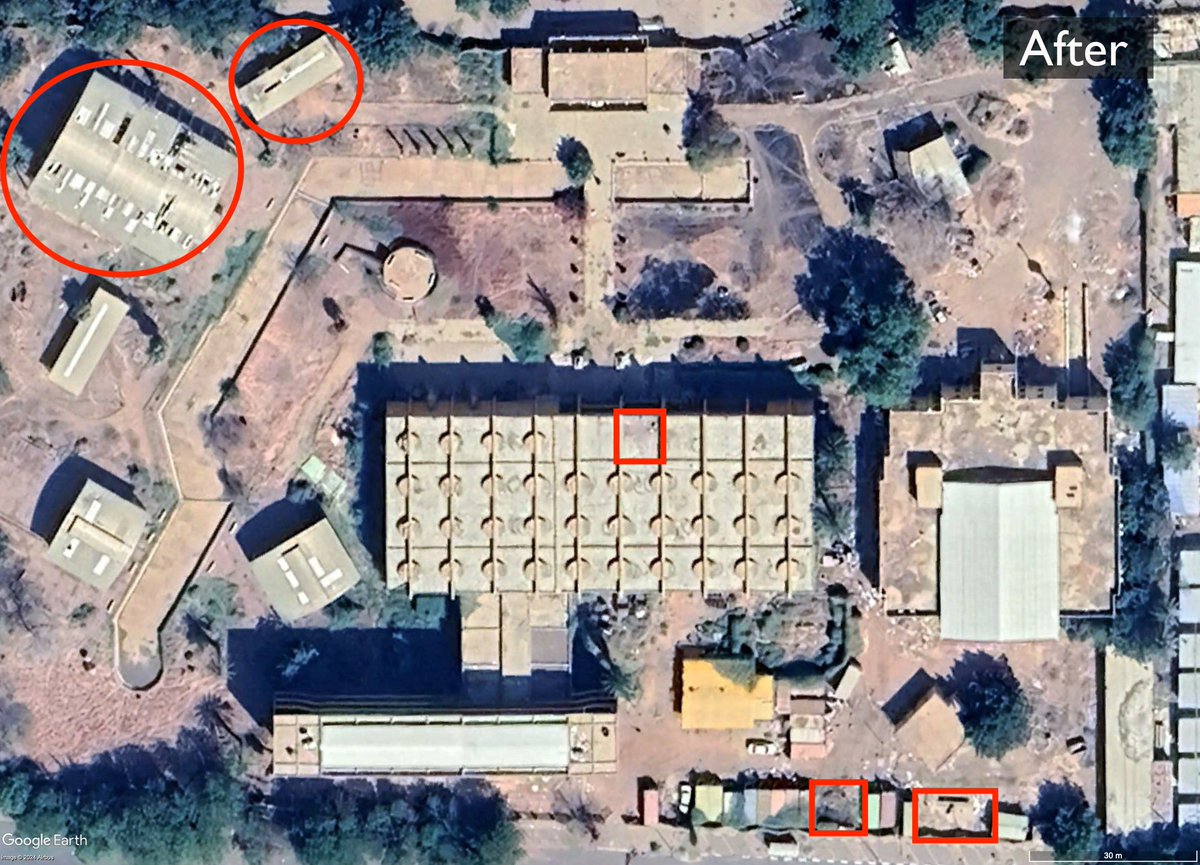
The ongoing conflict in Sudan is having a devastating impact on Sudan's populations and the country's invaluable heritage. Satellite imagery (before and after) reveals the devastating impact on the #SudanNationalMuseum
The National Corporation for Antiquities and Museums (NCAM) staff, despite the immense challenges, are working tirelessly to #safeguard what's left and recover what’s been lost. Site curators are working hard to protect sites under the most challenging conditions, as at Meroë.
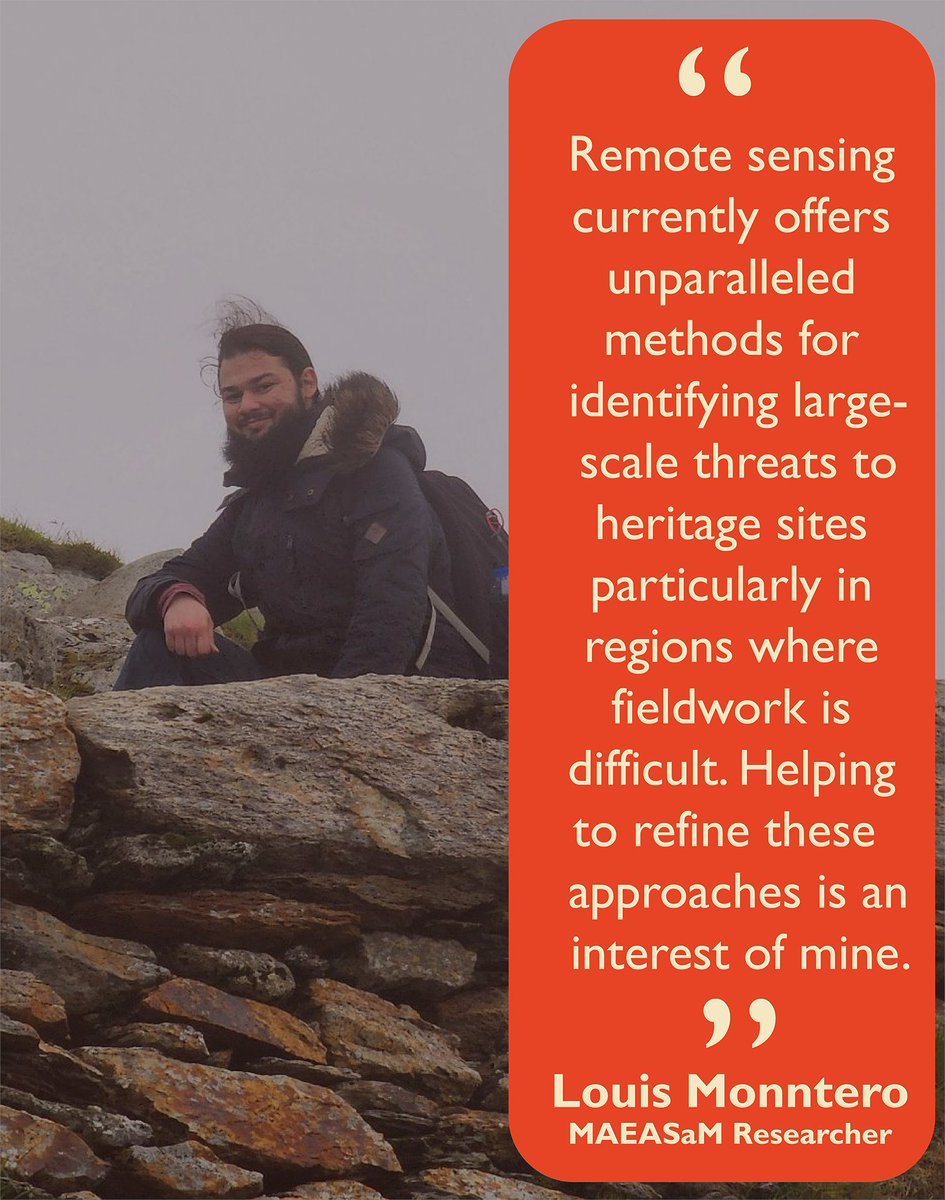
Meet our new team member - Louis Monntero!
Louis has been busy surveying for potential archaeological sites in #Mali using #GoogleEarth. He is a PhD candidate @UCLarchaeology focussing on the prospection of archaeological remains in agricultural areas using remote sensing.
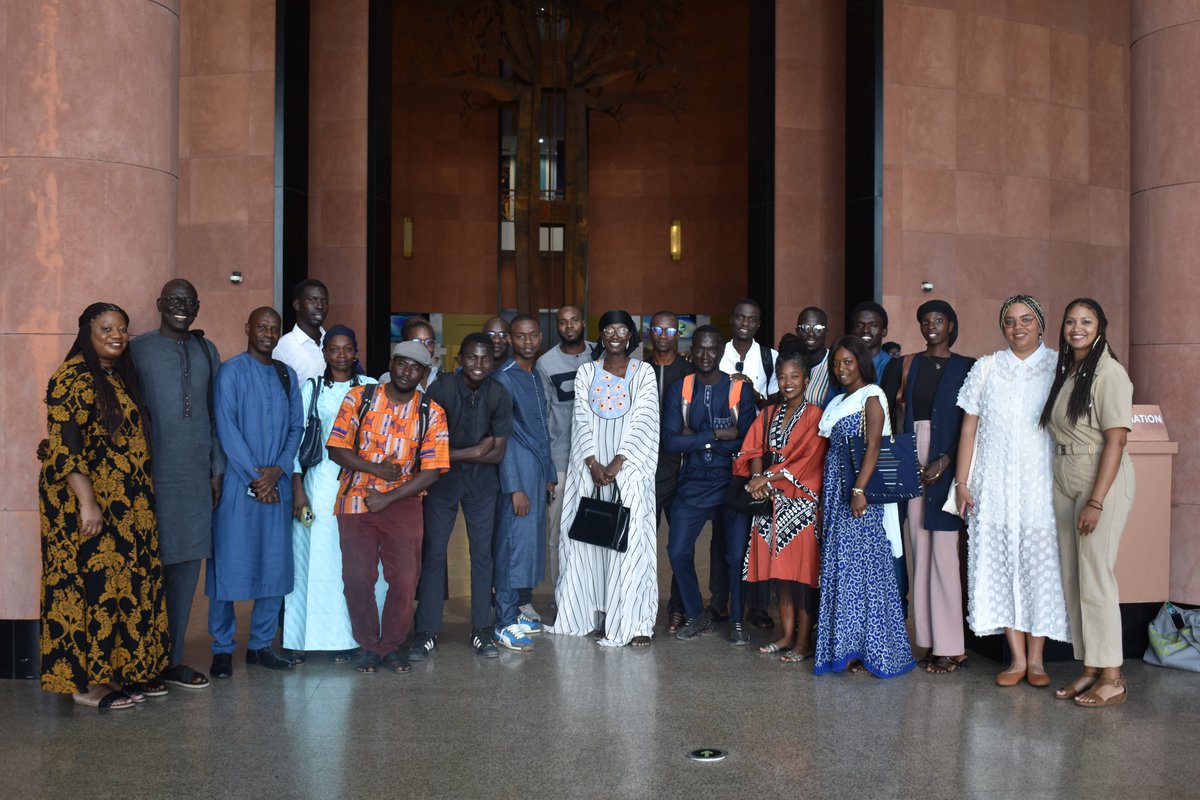
Depuis son inauguration en 2018, le Musée des Civilisations Noires de Dakar célèbre les riches apports des civilisations noires au patrimoine mondial. Pensé par des figures majeures comme Lamine Senghor, Léopold Sedar Senghor, et Abdoulaye Wade,
ce lieu retrace l’histoire et l’héritage des peuples noirs, des rites ancestraux aux luttes pour l’émancipation. Entre hommage et questionnement, le musée expose l’influence des civilisations noires à travers le monde, sans masquer les défis historiques.