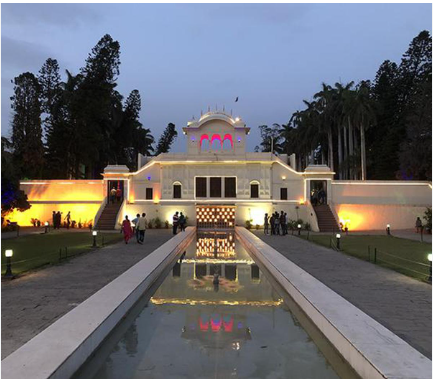
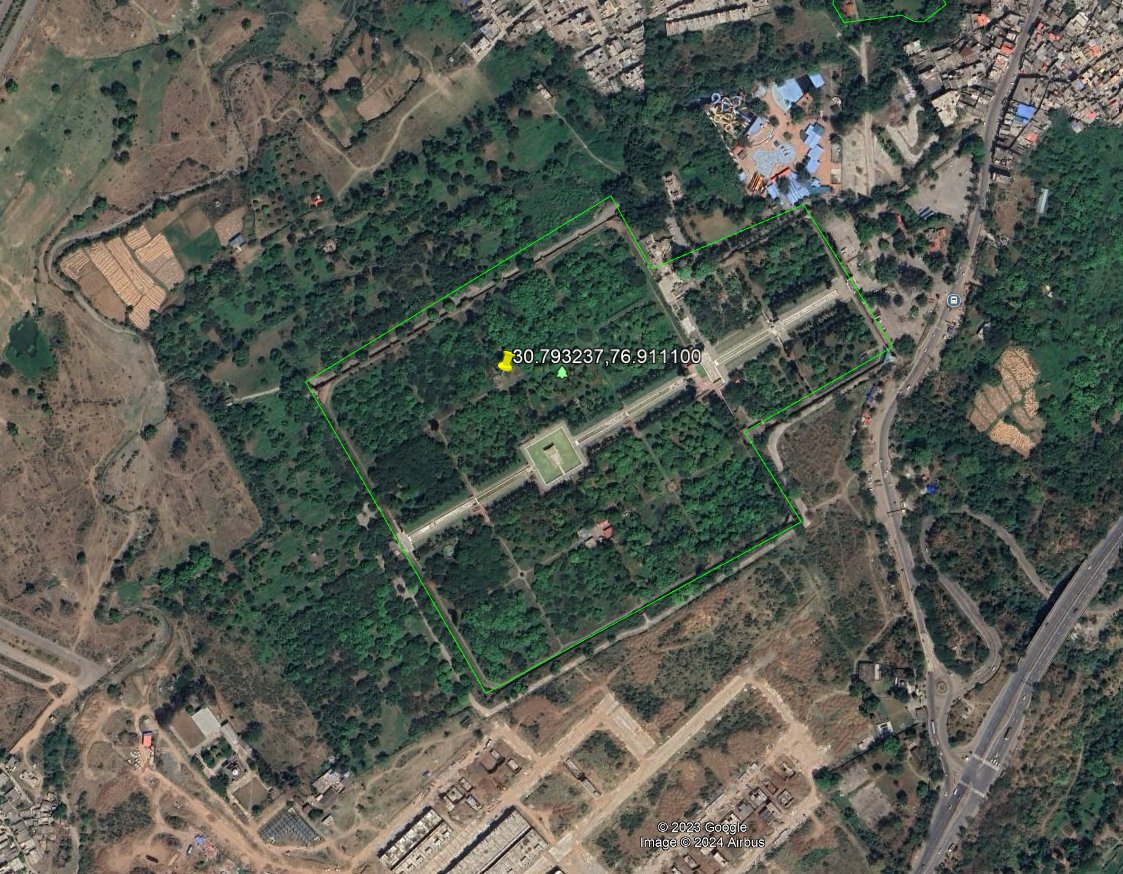
Originally designed as a summer retreat, its cool, serene setting still captivates visitors today, showcasing how traditional design was meant to harmonise with nature. A true marvel visible both from ancient maps and modern technology! #Pinjore#SurveyOfIndia#mapsmonday#GIS
Did you know? On the Survey of India Map of 1915, you can spot a hidden architectural treasure—Jal Mahal in Pinjore, Haryana! This majestic palace, nestled amidst lush gardens, is clearly marked on the map and also visible on satellite imagery today!
Jal Mahal, built during the 17th century by Fidai Khan, a noble in Aurangzeb's court, is a stunning fusion of Mughal and Rajasthani architecture. The palace sits in the middle of the iconic Pinjore Gardens creating a picturesque oasis surrounded by hills and greenery.
#HeritageHighlights
We’re thrilled to debut our Fun Topography Sandbox! Using real sand + AR, you can shape mountains, valleys, and see contours & water flow in real-time! Perfect for teaching geology and maps during outreach—and doubles as a relaxation spot in the office!
#AR
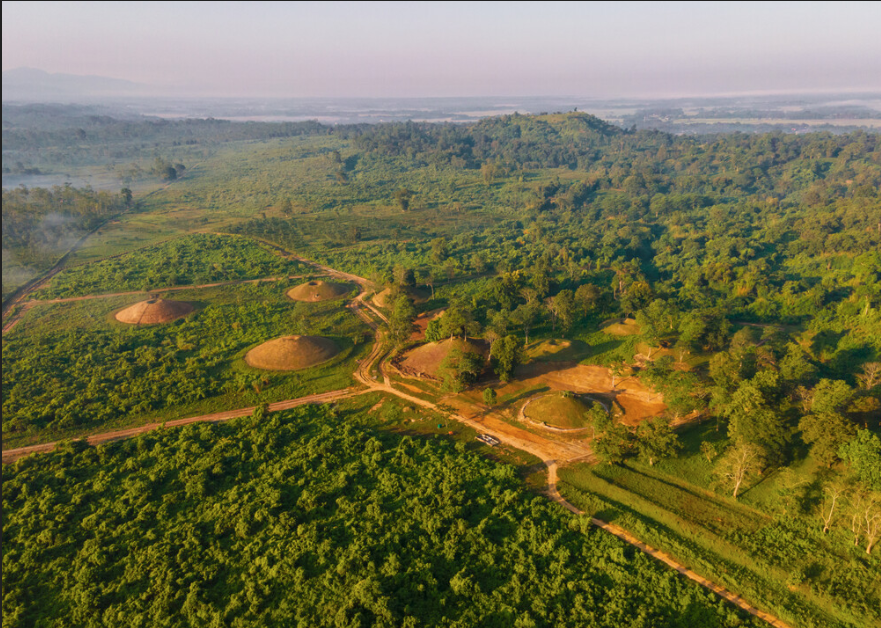
The first detailed plan (Pic 5), published in 1848 by Sergeant C. Clayton in the Asiatic Society of Bengal journal, provides insights into these remarkable structures. Today, the Moidams stand as a testament to the Ahom dynasty's architectural brilliance and cultural heritage.
This design symbolises the Tai universe, bridging earth and heaven, with the treasures buried within reflecting beliefs in the afterlife. Initially constructed with wood, the Moidams evolved under King Rudra Singha (CE 1696-1714) to incorporate brick and stone. #AhomKingdom
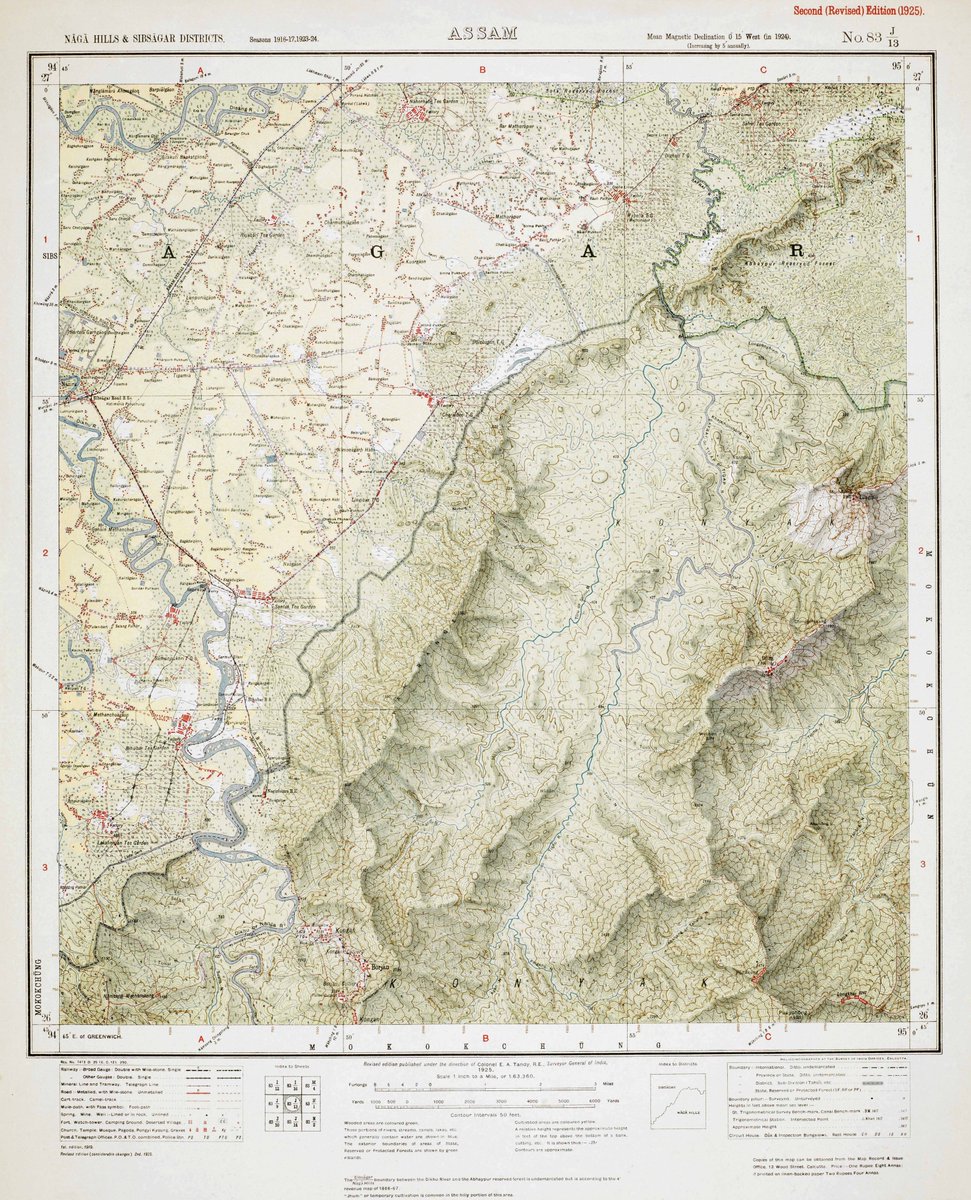
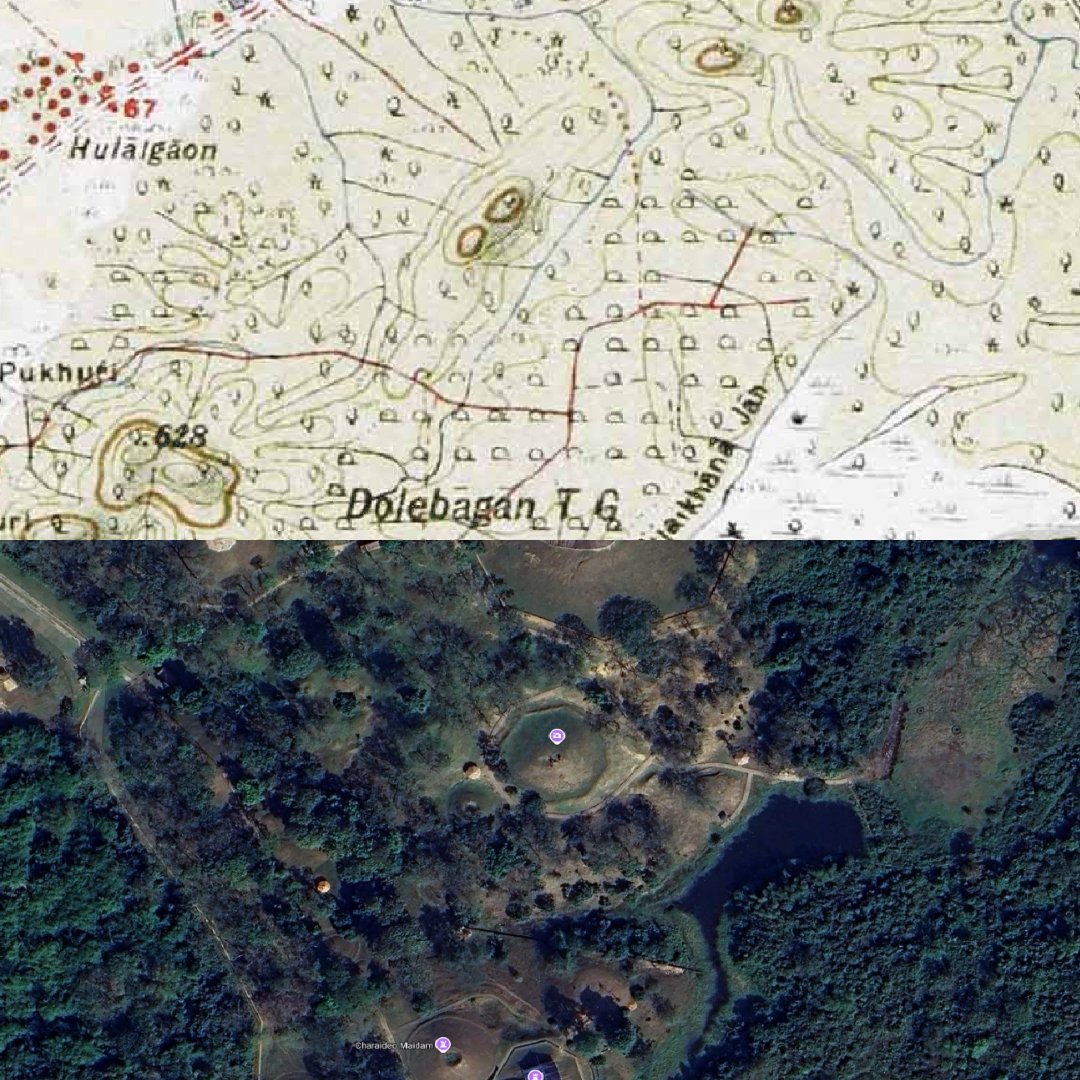
For today’s #MapsMonday we explore Assam's rich geography, using maps that reveal its diverse landscapes of flowing rivers and rolling hills. The Survey of India map of 1925 below highlights the region of Naga Hills and Sibsagar Districts.
The Charaideo Moidams of Sibsagar, recently granted UNESCO World Heritage status, are ancient burial mounds known as the “Pyramids of Assam.” Serving as the final resting places of Ahom royalty, they combine Tai Ahom architecture with traditional mound-building.
This year, the Royal British Legion supported #SAHM with special content. There is a wealth of stories to explore, marking the incredible contribution of some of the millions of South Asians, and those of South Asian descent, who have defended Britain. https://t.co/Lfw1oV8AzB
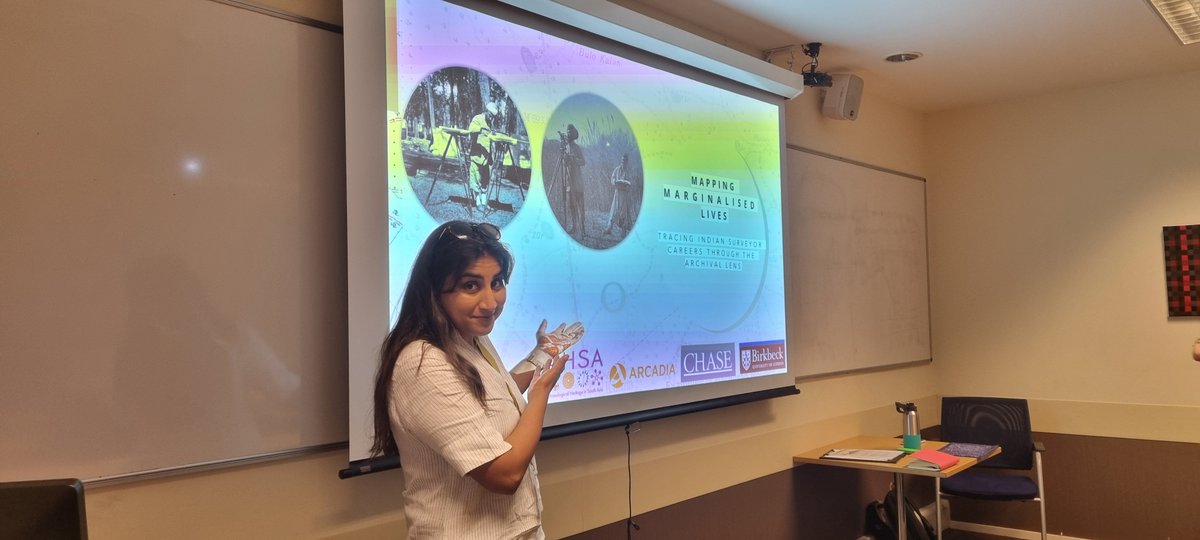
We are proud to announce MAHSA Phase 2🎉🎉
A big thank you to the Arcadia Fund and all the researchers, archaeologists, librarians and everyone else who has supported us.
#Celebrations#mahsaproject#archaeology#southasia
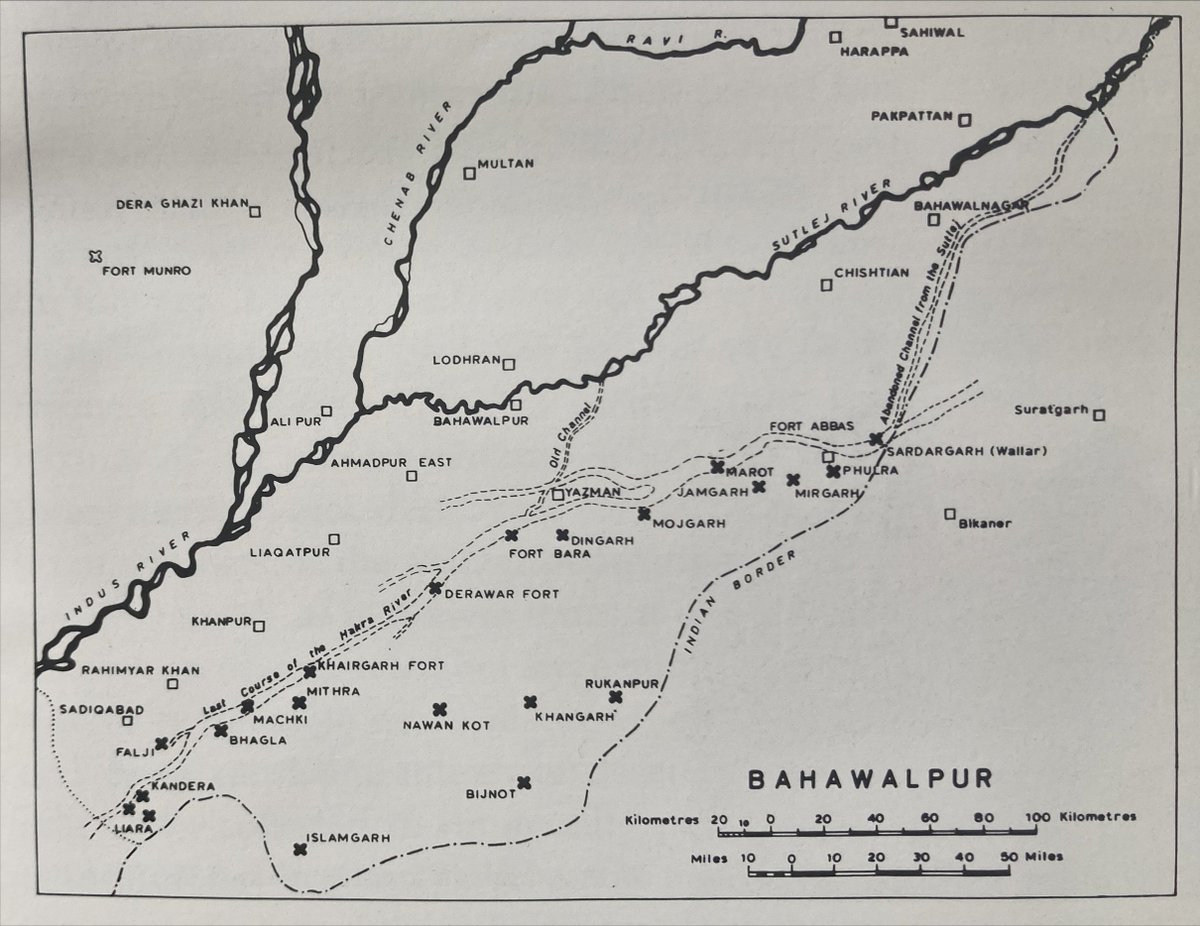
For todays #MapMonday check out this interesting map of Bahawalpur, Pakistan.
This map shows the ancient river source of the Hakra river and possible water channels of the Sutlej river system in the area.
This information helps us contextualise archaeological sites and their locations - allowing us to picture what the landscape would have looked like thousands of years ago…
Map credits: Ancient Cholistan by Mohammad Rafique Mughal