Farmer. Owner of Bull Valley Farm. Former McHenry County board member. Former IL Farm Bureau board member. Mother of dairyman. Advocate for agriculture.
Scared of chemicals? Don't be!
Many chemicals are actually awesome—life saving, in fact.
Here's how you can tell which are dangerous and which are mostly harmless.
Hint: It's got zero to do with natural v synthetic.🧵
"Farm security is national security. When our farmland is threatened, the welfare of our entire Nation is put on the line." -@SecRollins
Watch LIVE ➡️ https://t.co/VVUCgG8tQ8
Farm security IS national security. 🇺🇸
In 2025, USDA took decisive action to protect American farmland, secure supply chains, defend food safety, and block foreign adversaries like the CCP from exploiting U.S. agriculture.
From stopping animal disease threats to safeguarding U.S. land and producers, the message is clear: strong farms mean a strong America.👇
Viewpoint—Toxic Narratives: The lucrative enviromentalist–tort lawyer-media disinformation network driving drug and chemical scares https://t.co/Az1LdbO2lr via @GeneticLiteracy
It’s a long read but worth it.
I’m a chemist. And I need to say this - because it’s getting dangerous out there.
The biggest health myth in the world isn’t about vaccines. Or GMOs. Or fluoride.
It’s the root of all of them.
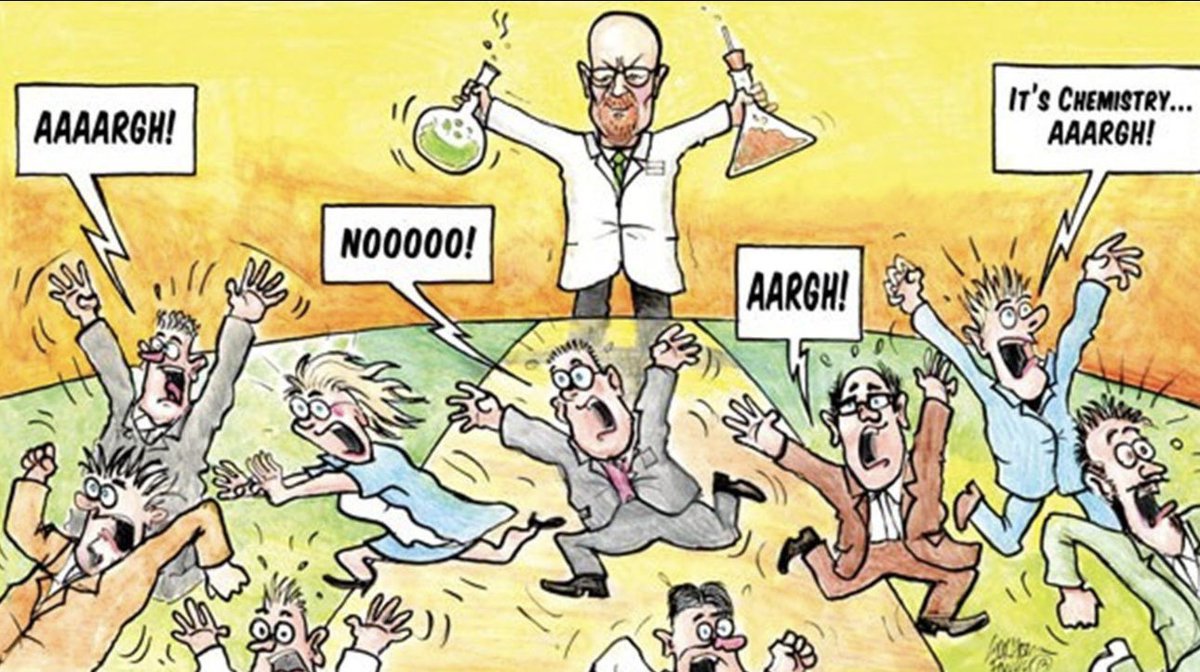
It’s called chemophobia - and it’s killing science.
Fear of “chemicals” now drives vaccine rejection, GMO bans, food hysteria, and entire political movements.
From tampons to tap water, people have been taught to fear chemistry - the very thing that keeps us alive.
Chemophobia tells us:
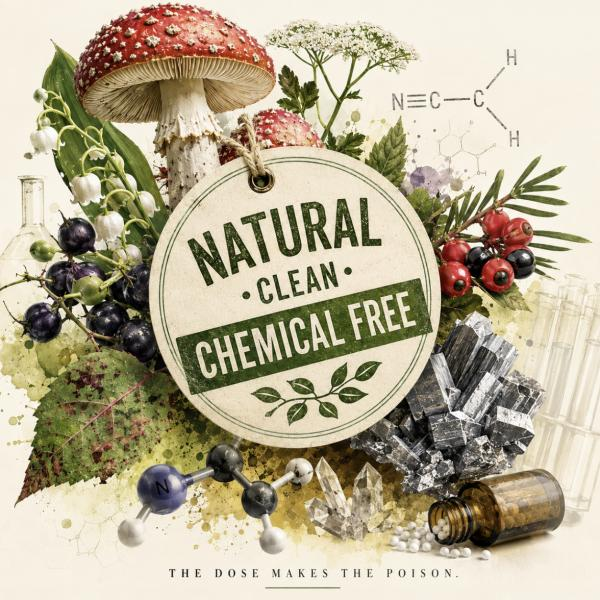
“Natural is good.”
“Synthetic is bad.”
That’s a lie.
Botulinum toxin is 100% natural and one of the deadliest molecules known.
Aspirin is synthetic and life-saving.
We’ve gone from banning harmful substances for good reason…to banning safe, well-tested molecules for emotional reasons.
You’ve seen the slogans:
“If you can’t pronounce it, don’t eat it.”
“Paraben-free.”
“Clean beauty.”
They sound empowering. But they’re not science - they’re marketing.
And they’re making the world dumber, poorer, and sicker.
Your body doesn’t care if a molecule comes from a plant or a lab.
Vitamin C is vitamin C.
Formaldehyde is formaldehyde and your body makes more of it every day than any vaccine ever could.
Dose matters. Source doesn’t.
This fear isn’t harmless.
It shapes public policy.
It blocks innovation.
It raises food prices.
It slows down cancer treatments.
Chemophobia is now mainstream and it’s costing lives.
Scientists aren’t losing because we’re wrong.
We’re losing because fear spreads faster than facts.
Because influencers sell fear for clicks.
Because lawyers monetize doubt.
And because scientists are too tired to fight back.
So here’s my message, as a chemist and as a citizen:
🧪 Learn how toxicology works.
📣 Call out chemical fear-mongering.
✅ Support policies based on evidence, not emotion.
Chemistry isn’t the enemy.
It’s the reason you have clean water, safe food, and modern medicine.
If we let fear win, we lose all of it.
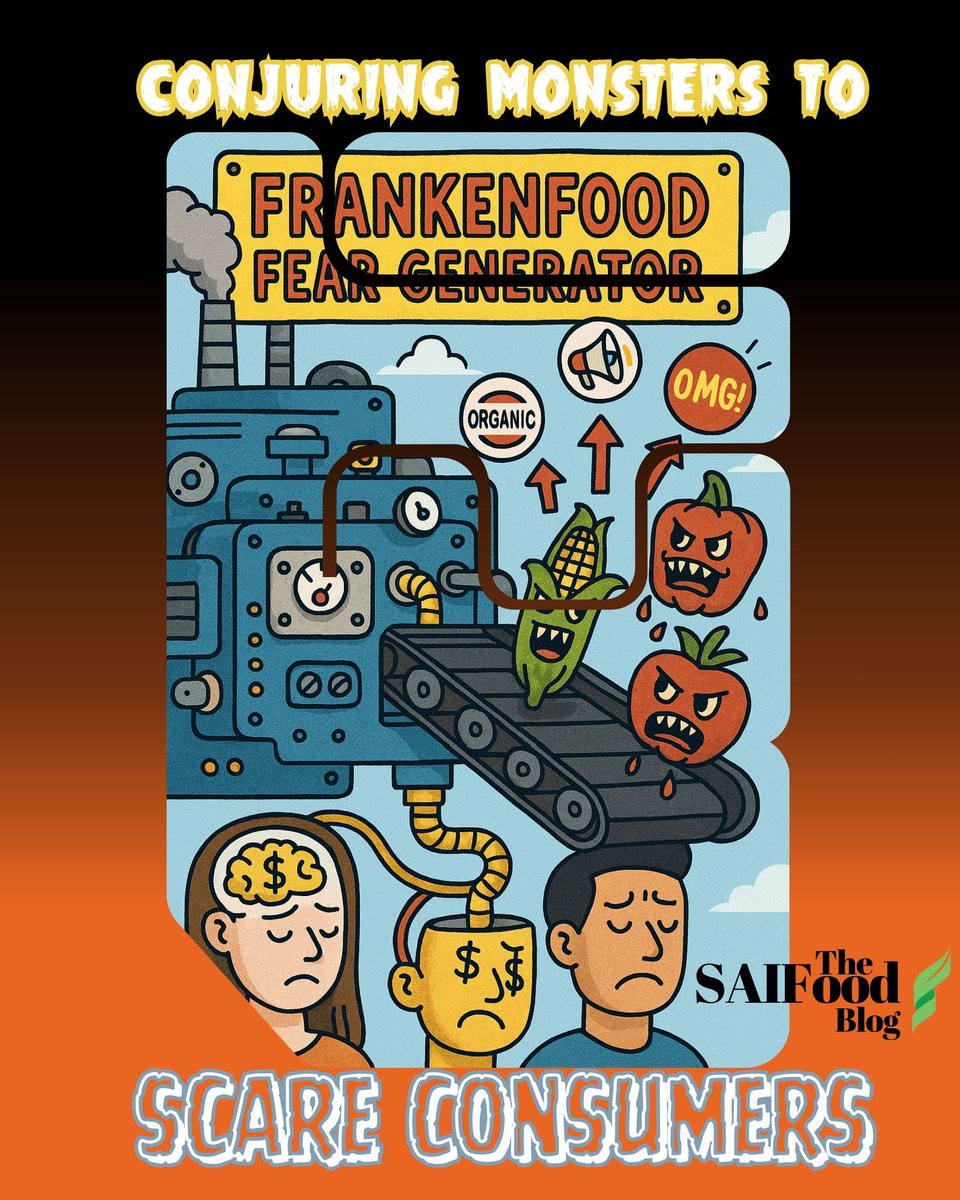
Science is scary when information is misleading. Our Halloween post from @stuartsmyth66 is a reminder that there's a chance for the industry to demystify the agricultural shadows and take back the narrative
Happy Halloween from the SAIFood team! - https://t.co/dfHeTJcXEO
Thank you @SecRollins and @USDA for taking action to protect the US cattle herd from the serious threat of screwworm. Food security is national security.
A petition in France is calling for the ban of acetamiprid, a well-known insecticide.
What’s driving it?
Not new scientific evidence. But fear.
And a dangerous misunderstanding of how science works.
As a chemist, I see this pattern far too often:
•A petition goes viral.
•A chemical name sounds scary.
•Scientists are asked to “prove there’s zero risk.”
But there’s no such thing as zero risk.
Not in chemistry, not in medicine, not in agriculture.
We don’t ban planes because turbulence exists.
We don’t ban paracetamol because an overdose is dangerous.
So why are we doing this with pesticides?
Let’s get a few things straight:
✅ Pesticides are not optional. Even organic farming uses them. Yes, really. The only difference is which ones.
✅ Nature is full of dangerous substances. Botulinum toxin is 100,000× more toxic than any synthetic pesticide. Aflatoxins, mycotoxins, and plant alkaloids? All-natural. All lethal at the wrong dose.
✅ Detection isn’t danger. Today’s analytical tools detect chemicals at parts per trillion. That’s a drop in an Olympic swimming pool. Just because we can find it doesn’t mean it’s harmful.
✅ Risk = hazard × exposure. A fundamental principle. Yet media headlines still conflate trace detection with toxicity.
Acetamiprid is a tool - not a threat. It helps farmers protect crops with precision and lower environmental impact.
Banning it doesn’t protect nature. It just shifts the problem elsewhere.
The real question is not whether we use pesticides. It’s how responsibly we use them.
Case-by-case. Based on science. Not hashtags.
Because when food security tightens, as it inevitably will - ideological bans won’t feed anyone.
Let’s bring the conversation back to reality.
To doses, thresholds, risk–benefit.
And to evidence-based policy, not emotional reflexes.
I’ve seen my share of anti-science activists.
But few are as dangerous as Vandana Shiva.
She brands herself as a "food sovereignty" advocate.
In reality? She’s an activist spreading misinformation about GMOs, pesticides, and modern agriculture.
Here’s the real story 🧵: 1/
Politicians: stop fixating on food ingredients & focus on farming disinformation.
People are scared to eat SAFE & healthy conventional produce that’s half the price of organic.
Organic is 35% MORE PROFITABLE & has no benefit. EWG & Moms Across America spread anti-science lies.
The concept of toxicity is almost always absent from fear mongering about chemicals. And that’s a serious problem.
Read more ⬇️⬇️
https://t.co/wGt328BMH7