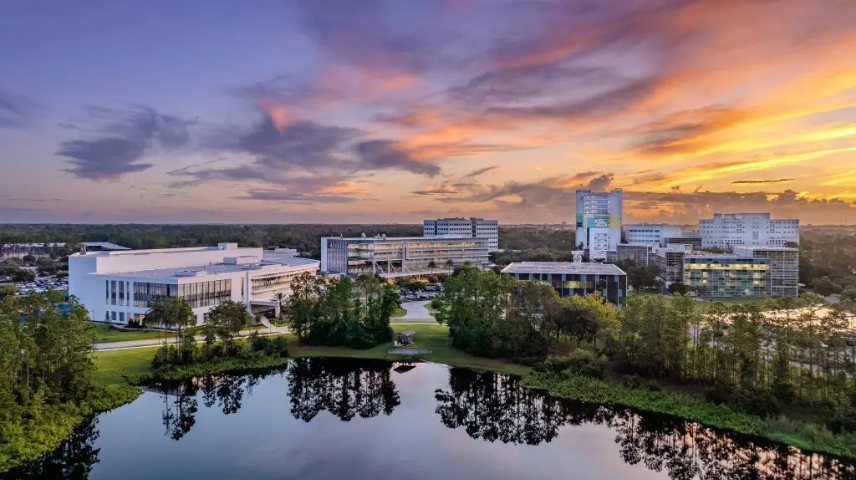
For the 8th straight year, Newsweek has named Mayo Clinic the No. 1 hospital in its World’s Best Hospitals rankings.
"Finding more cures for patients is what drives our staff to transform healthcare so that new discoveries can benefit people everywhere," says CEO @GFarrugiaMD.
Read more: https://t.co/SQ2MHaikY7
Mayo Clinic researchers are studying whether low-dose radiation therapy can slow the progression of Parkinson's disease by targeting inflammation in areas of the brain affected by the disease.
The clinical trial is the first to investigate low-dose radiation as an anti-inflammatory approach in patients with early-stage Parkinson's disease.
Learn more: https://t.co/hkS2tuUvuL
Mayo Clinic researchers are building an early warning system for airborne viruses, bacteria, fungi and allergens. The experimental biosensor is designed to continuously monitor indoor air, detecting and measuring up to 100 biological targets in near real time — information that could help protect patients and others in shared spaces.
Learn more: https://t.co/hsEQoKtuvj
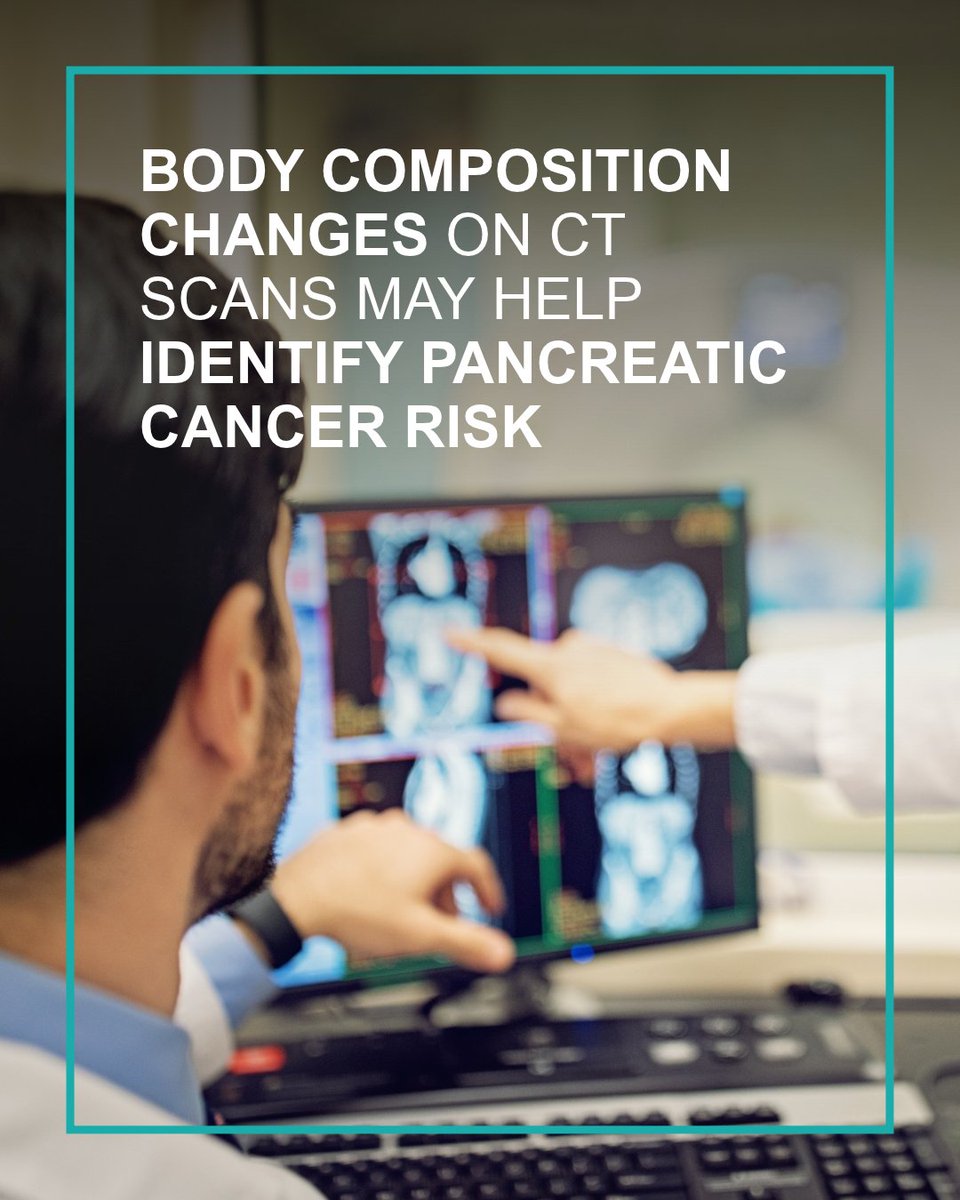
Pancreatic cancer remains one of the deadliest cancers, largely because most patients are diagnosed after the disease has already spread. According to a Mayo Clinic study, people who develop pancreatic cancer experience measurable changes in body composition years before diagnosis that differ from those seen in similar individuals without cancer.
Learn more about the study: https://t.co/jsE7mnakj8
More than 2,500 men in the U.S. are diagnosed with breast cancer every year. While accounting for only about 1% of total breast cancers in the U.S., there are some countries in which male breast cancer is more common.
Learn about symptoms, risk factors and when to seek medical care for breast changes: https://t.co/A6MXbQdSUk
Mayo Clinic researchers found that GLP-1 receptor agonists, medications widely used for diabetes and weight management, were associated with a lower risk of dialysis or kidney transplantation in adults with bipolar disorder and chronic kidney disease.
The study, published in the Journal of Affective Disorders, suggests that a popular class of medications may offer an added benefit by helping protect kidney health in a high-risk group.
Learn more: https://t.co/3U1nR1U3Ia
Join Mayo Clinic in redefining what’s possible in healthcare. Your gift helps accelerate research to enable earlier detection, more precise treatment and faster solutions. Shape the future of healthcare. Give now! #MayoClinic https://t.co/p6bv6AB8kn
The Food and Drug Administration (FDA) has approved the immunotherapy drug atezolizumab in combination with chemotherapy for some patients with stage 3 colon cancer following surgery. The treatment is for patients whose tumors have deficient DNA mismatch repair, or dMMR.
The approval is based on results from the ATOMIC clinical trial led by Mayo Clinic. Learn more: https://t.co/ZNKLR3hkyL
Researchers in a Mayo Clinic-led study have shown how to detect a broad range of DNA mutations in noncancerous human tissues and across the genome.
The analysis, drawing on more than 90 trillion DNA letters of sequencing data, could help scientists study when these changes arise — from early development through aging — and how they contribute to cancer and other diseases.
Learn more: https://t.co/bwJ8yIcaJl
Mayo Clinic’s Radiomics-Based Early Detection Model (REDMOD) has been named one of @TIME's Best Inventions of 2026, recognizing an innovative approach to detecting pancreatic cancer earlier.
REDMOD uses AI to analyze CT scans for subtle changes in pancreatic tissue texture that may be detectable up to three years before a pancreatic cancer diagnosis.
With support from the Hoveida Family Foundation and high-performance graphics processing unit (GPU) technology from @nvidia, a multidisciplinary team at @MayoCancerCare is advancing an innovation with the potential to transform pancreatic cancer detection.
See TIME’s full list of the Best Inventions of 2026: https://t.co/UIro0Np7Z0 | #TIMEBestInventions
Thyroid issue, or symptom of natural aging? On the latest episode of Aging Forward, Dr. Juan Brito shares how to tell the difference.
Listen to the full episode now: https://t.co/o5ZbgE8dQO
#ThyroidHealth#HealthyAging
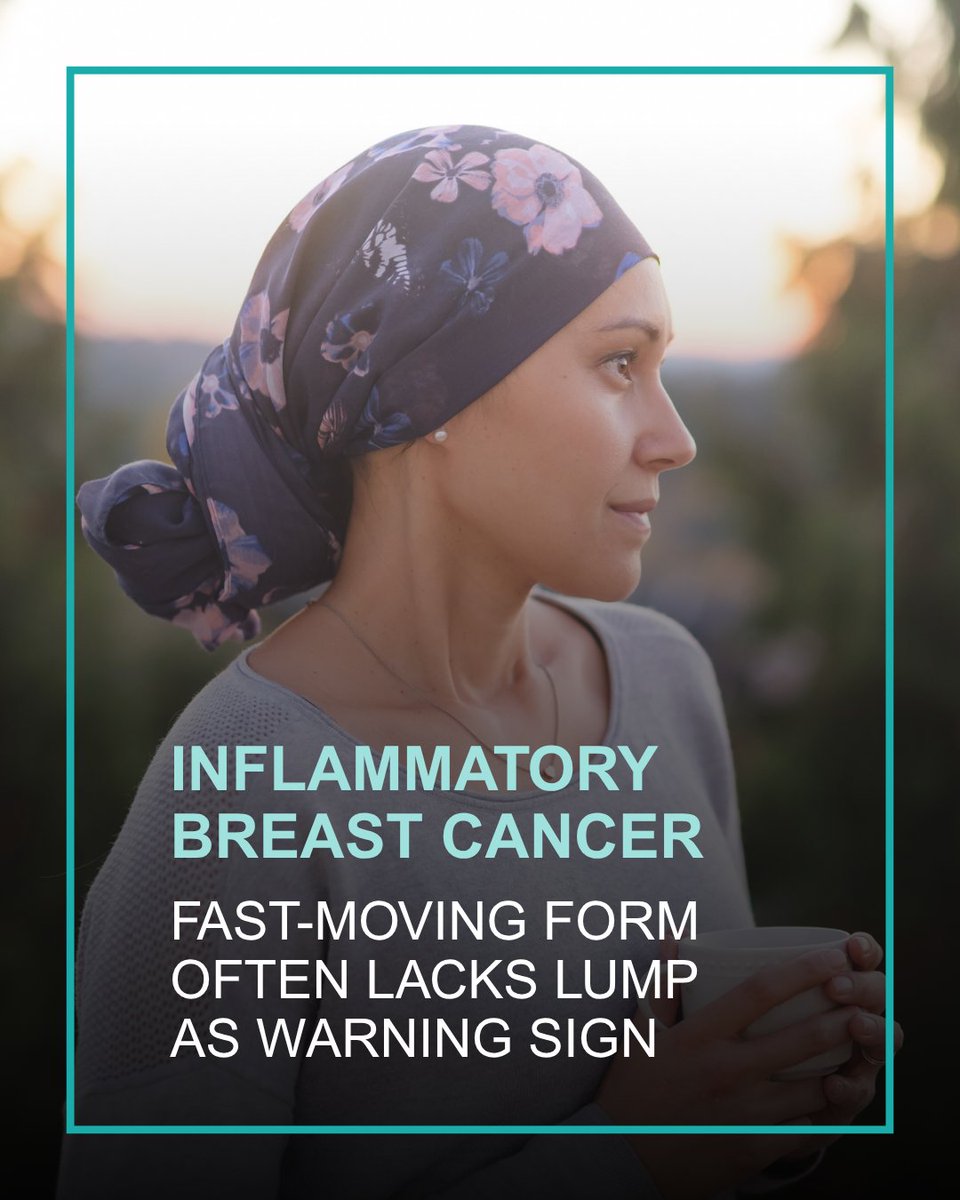
You probably know that a lump in the breast may be a symptom of breast cancer. But what about breast cancer that develops without that warning sign?
Inflammatory breast cancer is a fast-moving cancer that doesn't usually form a lump; instead, the skin on one breast changes rapidly.
Dr. Tina Hieken, a surgical oncologist at Mayo Clinic Comprehensive Center, explains: https://t.co/gzxKcOsWE2
From carbon ion therapy to stem cell research, Mayo Clinic researchers are advancing discoveries that change lives. These breakthroughs take years of dedication.
Take a moment to thank a researcher. https://t.co/iENAe7CAdz
On a cold December night more than a decade ago, a snowmobile crash on a rural Iowa road left Chad Rockow with a shattered lower leg — and months of surgeries, setbacks and pain so severe he considered amputation.
Nearly 13 years later, he learned the accident had set something else in motion: a Mayo Clinic discovery of a hidden, inherited disease affecting his entire family.
Learn more: https://t.co/R34NZdcd7N
The liver can regrow itself. But after major surgery, that remarkable ability can be put to the test.
When part of the liver is removed to treat cancer or other conditions, the remaining tissue must regenerate to restore function.
Dr. Patrick Starlinger, a hepatobiliary and pancreas surgeon at Mayo Clinic Comprehensive Cancer Center, discusses research aimed at helping the liver recover and regenerate after surgery.
Learn more: https://t.co/pzMsfQaKOK
No two spines are exactly alike, and personalized 3D-printed titanium options are giving Mayo Clinic surgeons a way to more closely match an implant to a patient's individual anatomy.
Instead of traditional implants manufactured in standard sizes, surgeons are using implants designed from a patient's own imaging.
"The benefit of these is they're custom fitted for each particular patient," says Dr. Joshua Bakhsheshian, a Mayo Clinic neurosurgeon.
Learn more: https://t.co/Ivxj94OxCY
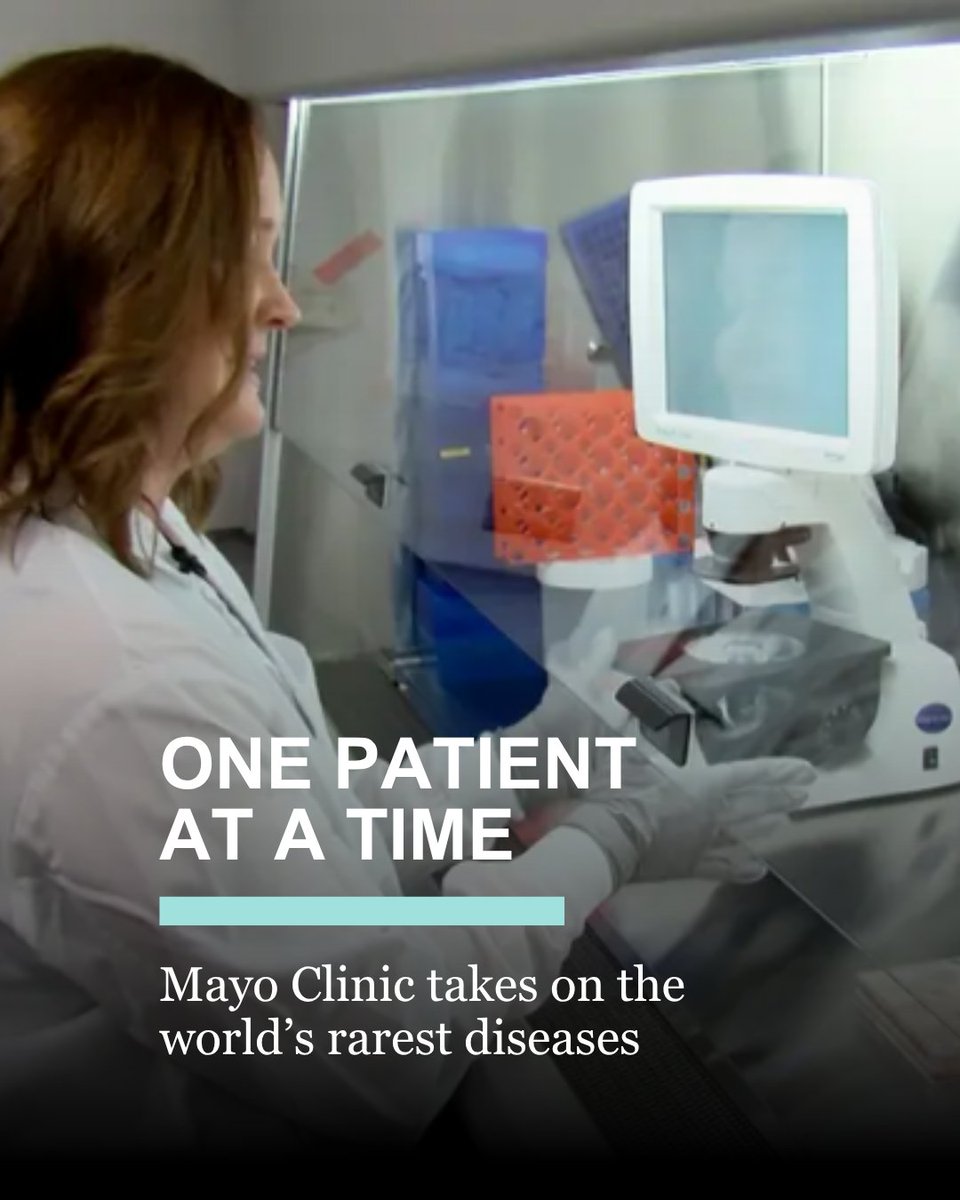
Margot Cousin, Ph.D., is developing treatments for diseases that may have only a handful of patients in the world. At Mayo Clinic, her laboratory starts with those patients’ cells to study the disease and test potential treatments, building an approach that can be applied to other ultrarare diseases.
Read the story: https://t.co/oLoCC2oW9E
The gut microbiome is one of the great medical discoveries of our time. But has the internet started getting ahead of what the science actually says?
On this podcast episode of Health Matters, gastroenterologist Dr. Purna Kashyap explains the current research and the best way to invest in your gut health based on what we know so far.
Listen to the full episode now: https://t.co/QhbJNJ3n1I
#GutHealth #GutMicrobiome #FunctionalMedicine
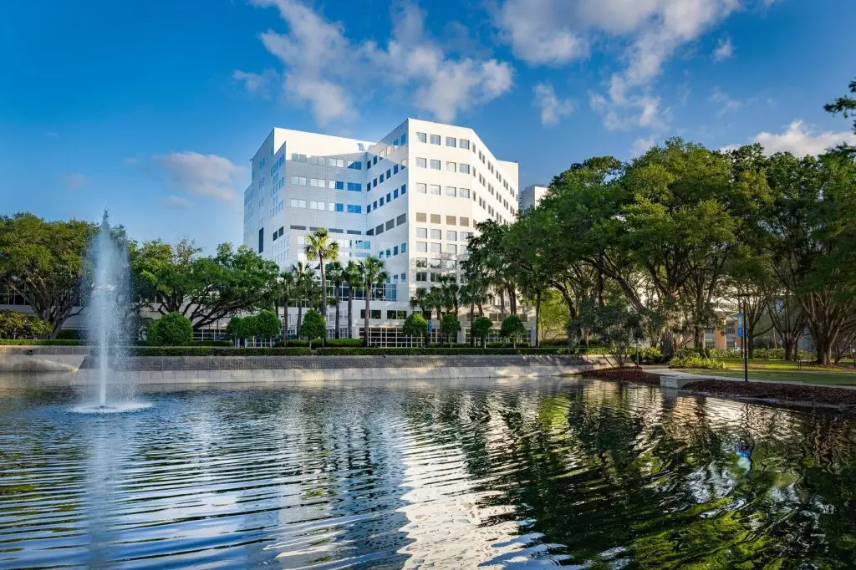
Four decades ago, Mayo Clinic in Florida opened its doors to patients, beginning a transformation from a five-story building into a global medical destination that now serves more than 184,000 patients from more than 80 countries each year.
Read more: https://t.co/dqw1E0U3EG
When a patient experienced multiple blood clots and other complications with no clear cause, a multidisciplinary team from Mayo Clinic worked to uncover answers. Their investigation led to the identification of a previously unknown blood-clotting condition and a new approach to testing for clotting disease.
These findings are already helping others and advancing diagnostics and treatments for patients with blood-clotting disorders.
Learn more about thrombosis: https://t.co/ONgkGC7wic
Maricela Olivas came to Mayo Clinic hoping for a second chance. After a liver transplant and more than 100 days in the hospital, she danced her way out to cheers, and into a new chapter.
Watch her story. https://t.co/ZbynLinIVk