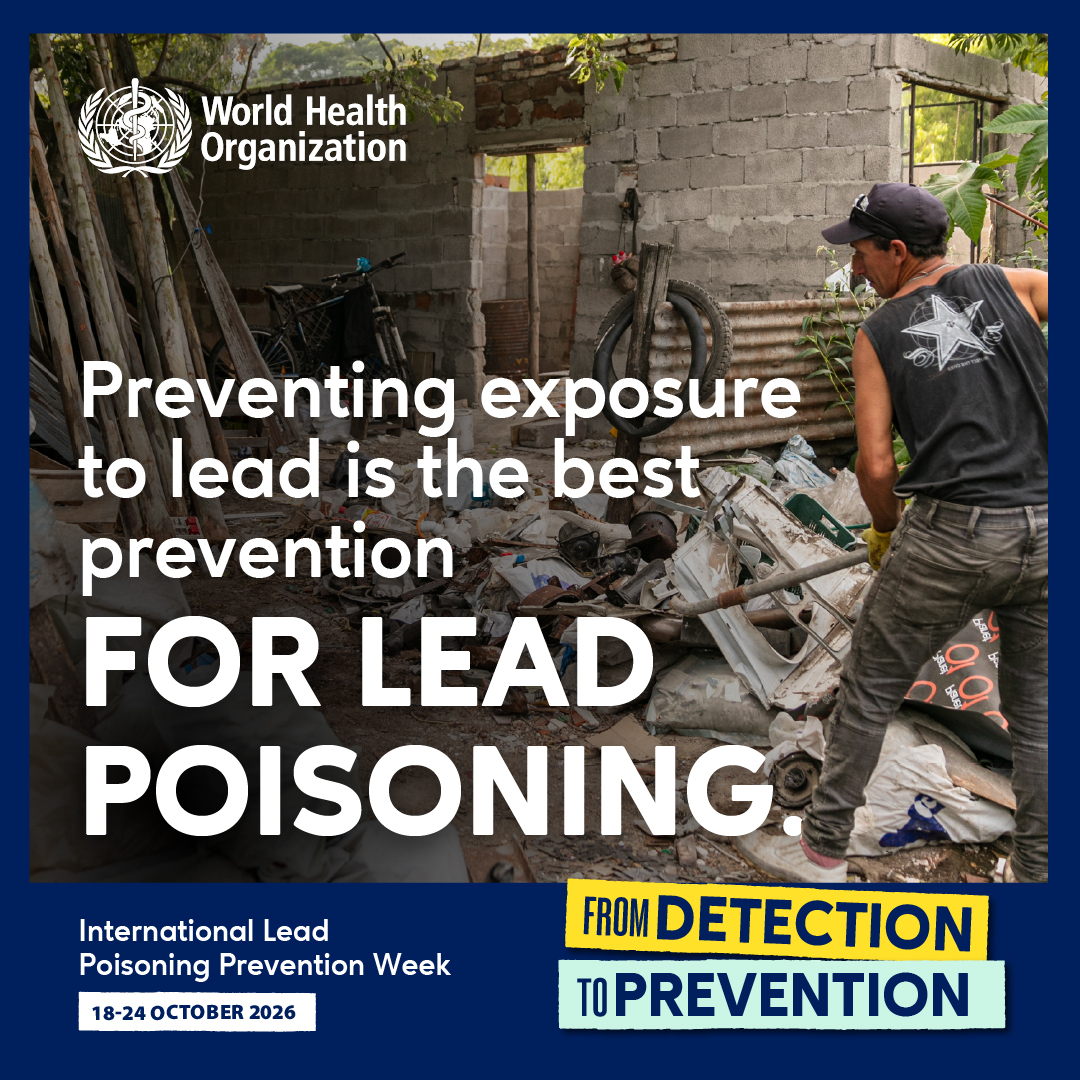
Testing and treatment matter — but the best protection is stopping lead exposure before it happens.
Stronger standards, safer products, safe recycling and better enforcement can save lives.
Prevention is the real solution https://t.co/NMYeD9AkI3
The people most at risk often get the least support. Income, education and where you live affect who can prevent, detect and manage cancer, heart disease and diabetes. Closing that gap starts with knowing where it is.
Learn more: https://t.co/lf66MBwBKh
Once lead enters the body, it can travel through the bloodstream and reach vital organs like the brain, kidneys, liver and bones.
Over time, lead can accumulate and damage multiple systems in the body https://t.co/NMYeD9AkI3
Unsafe lead-acid battery recycling can contaminate soil, dust and nearby communities.
What begins as an environmental hazard can quickly become a serious health threat for children. Safer recycling practices help prevent exposure and protect families https://t.co/NMYeD9AkI3
Lead can accumulate in the bones over time and may be released during pregnancy, potentially exposing a developing baby.
Preventing lead exposure today helps protect the health and development of the next generation before birth https://t.co/NMYeD9AkI3
At a time when our world seem increasingly divided, effort to #EndPolio reminds us of what is possible when we unite behind a common purpose.
One day soon, we will mark the final #WorldPolioDay. And then we will have something truly worth celebrating: a polio-free world.
Let’s make it happen!
Kids today may not remember polio, but their grandparents likely do.
That’s why @Rotary's Dr Arthur Lavin, founder of @GrandparentsFV, is collecting their stories. Grandparents’ memories teach younger generations what life was like before vaccines protected children from polio, and remind families why vaccines still matter today. #EndPolio
Read the story: https://t.co/hxBNmpv4DV
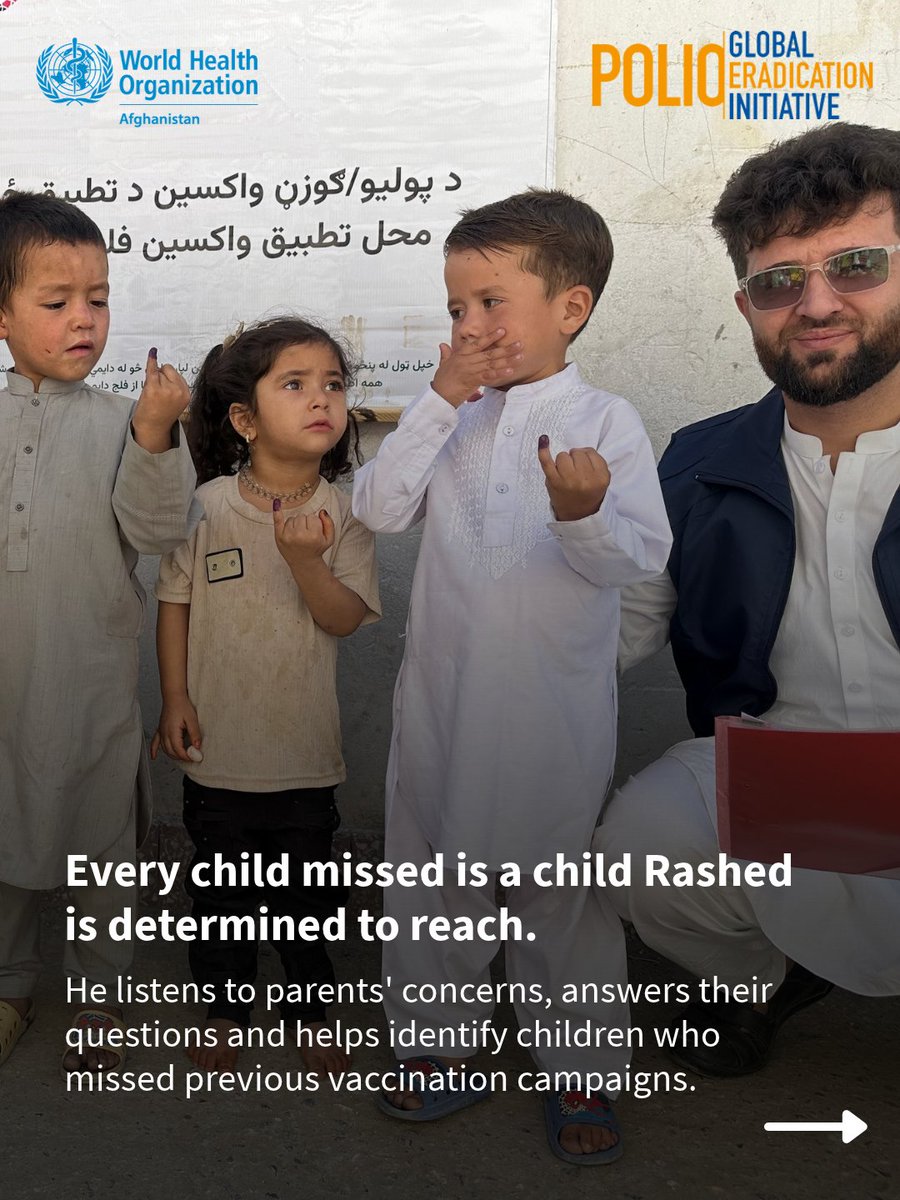
Ahead of #WorldPolioDay, we celebrate the people behind the scenes who work tirelessly to reach every child with polio vaccination.
Watch Hope Kasamba, a polio vaccinator from #Malawi below, and read more of his story here: https://t.co/PQxPVT0pH5
Clear water doesn't always mean lead-free water.
Lead can enter drinking water through pipes, solder and plumbing fixtures and you can't see, taste or smell it. Preventing exposure starts with identifying where lead is coming from and stopping it at the source https://t.co/Y2xpml5gzI
Science gives us hope. Today, in Bunia #DRC, the first participants were vaccinated in a new #Ebola vaccine trial called TUMAINI, which means “hope” in Swahili.
There is currently no approved vaccine against the Bundibugyo virus causing the outbreak. This trial will help us understand whether any of the vaccine candidates designed for Bundibugyo virus work.
In the meantime, the existing Everbo vaccine (licensed for use in preventing other Ebola virus disease) will be tested.
@WHO is supporting this DRC-led effort to find answers and save lives.
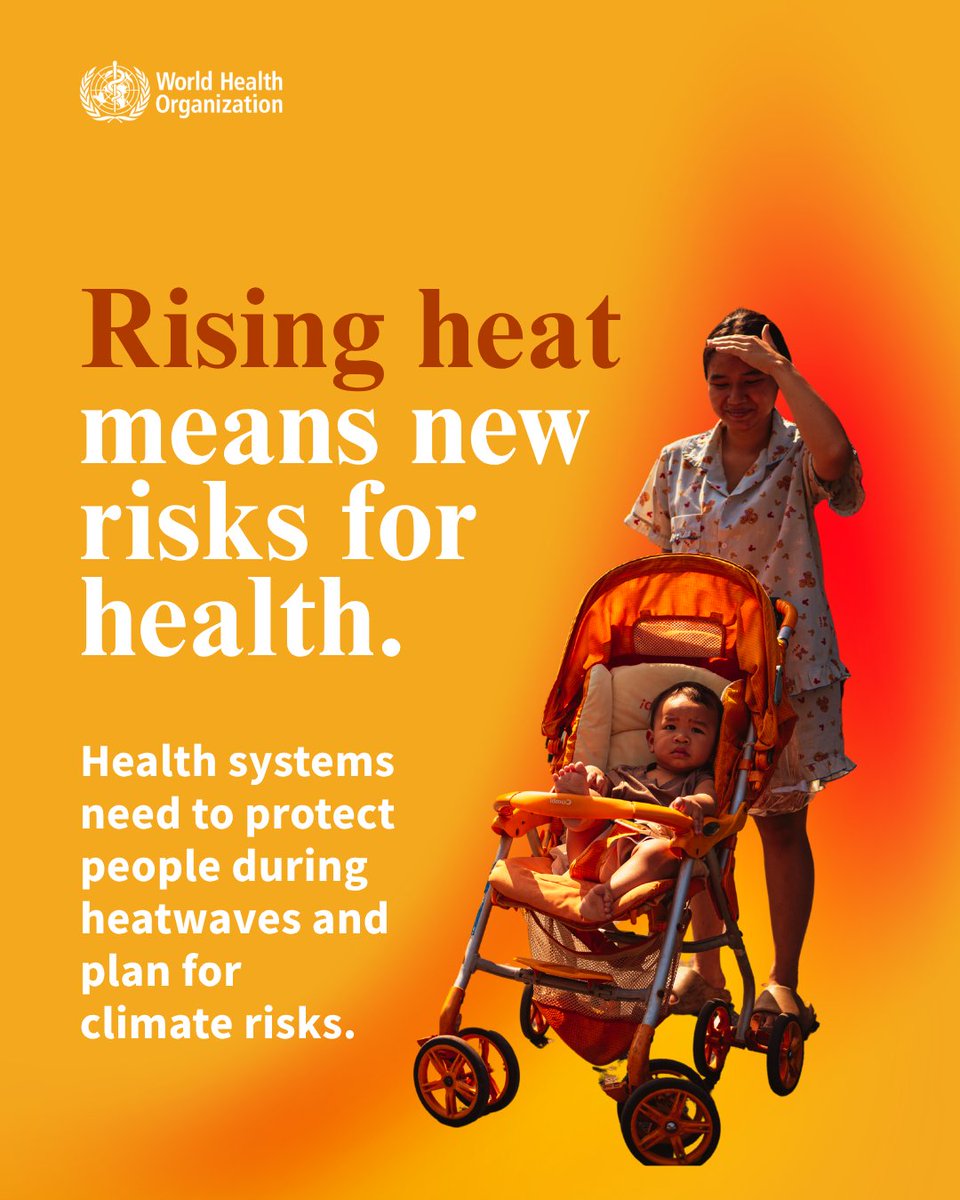
When extreme heat strikes, how many people become ill or die?
Too often, the true toll remains invisible.
A new global monitoring framework will help countries connect health and heat-exposure data—to support earlier action to protect pregnant women, newborns and children.
Learn more: https://t.co/dMPYVsaj1y
Your risk of developing a noncommunicable disease, such as cancer, heart disease or diabetes, is shaped by more than the choices you make. Income, education, gender, age and where you live all affect your health and well-being.
New WHO report ➡️
State of inequality: noncommunicable diseases and their risk factors
Learn more: https://t.co/fS6TAeieLY
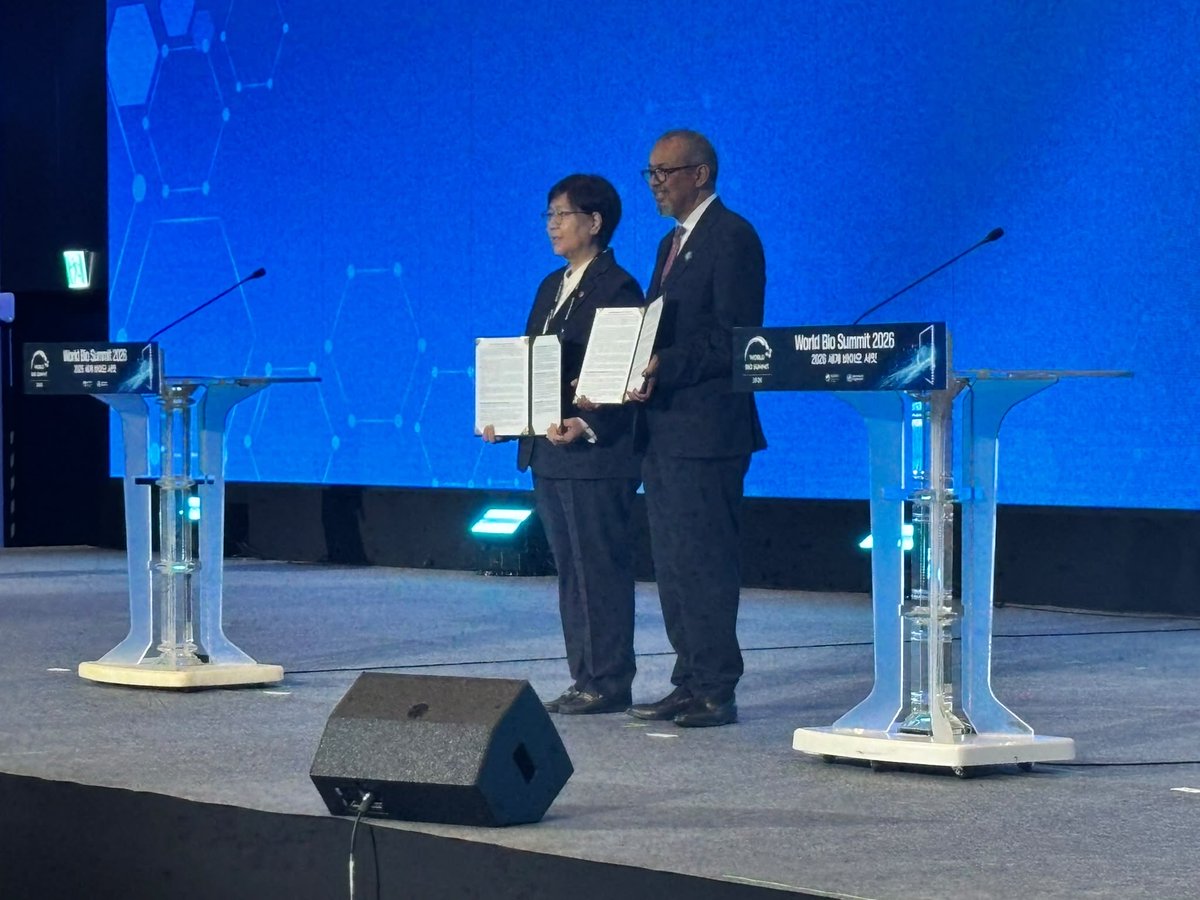
Artificial intelligence holds enormous promise for health. @WHO welcomes today’s announcement of the Seoul Declaration on #AI in Healthcare for Responsible Innovation and Global Solidarity: https://t.co/8M3zj7CyUO
Safe and sustainable AI depends on strong foundations: secure infrastructure, well-governed data, capable regulators, sustainable financing and stronger cybersecurity. @WHO is supporting countries in building these foundations through the Global Initiative on AI for Health and the upcoming Global Strategy on Digital Health 2028–2033.
Guided by the Seoul Declaration’s principles of human dignity and global equity, our collective responsibility is to translate this promise into AI for health systems that are safe, effective and worthy of patients’ trust.
Lead is not only dangerous for children. It can also cause heart disease in adults.
Lead exposure affects health of people of all ages, which makes prevention everyone’s business https://t.co/NMYeD9AkI3
In paint. In dust. In soil. In water. In some ceramics, cosmetics, medicines, toys and jewelry.
Lead exposure can come from more places than many people realize — which is why awareness must lead to action.