Hay mucho ruido sobre los resultados de la ONPE. La mayoría de “análisis” con los que me he topado no merecen mucha atención. Sin embargo, estos resultados👇 sí llamaron mi atención. Algunos de los gráficos demuestran anomalías serias. No he tenido tiempo de verificar los datos porque requiere bajarlos todos y estoy en medio de un viaje en México toda la semana, pero por favor, alguien quien haya bajado todo debería intentar reproducir estos resultados. Si fuera así, sería una bomba. ¿Alguien se anima?
Something is Rotten in the Elections of Peru
Over two weeks ago, on April 12th Peruvians went to vote to elect a new President. The election has been plagued by suspicious issues like lost polling records, polling stations that opened so late hardly anyone could vote and many more.
However, the most serious one is the forensic analysis done recently by a Data Scientist who calls himself Luigi Pavam. Mr. Pavam went into a public API from the organization that managed the whole election called ONPE, and downloaded the data of every single polling station, about 93% of the total and proceeded to do a deep data analysis looking for signs of possible fraud.
He found that the special polling stations or “Mesas Especiales” were plagued with issues, and proceeded to run 5 forensic tests to detect possible fraud. His conclusion was that the election data shows a very suspicious pattern that suggests there is a very sophisticated fraud operation happening in Peru’s elections.
His report is 17 pages of dry analysis, and to make it easy for anyone to understand what he found I decided to do an explainer video. I encourage anyone with an interest in Peru’s economy, and people to watch it.
This news I share with you is well known by much people in Peru now, and there are efforts to fix what happened. Surprisingly the election authorities have not done anything to audit the data, and remove ONPE from the process, worse it seems the election authority is about to rubber-stamp what looks like a fraud. One that has the potential to put a radical left politician Mr. Roberto Sanchez in power, because the election runoff between Ms. Keiko Fujimori and Mr. Sanchez will most likely be manipulated again, placing again Mr. Sanchez as the surprise winner, and therefore President of Peru.
However, it is not too late yet. As the video explains there are several ways to prevent this outcome, and to elect the two correct winners of the first election to compete with each other in June. All seems to indicate that the rightful second place winner of the first round election was Mr. Rafael Lopez Aliaga, not Mr. Sanchez, unlike Sanchez, Mr. Aliaga is pro-business, pro-democracy, pro-freedom and friendly with America and the Trump Administration.
Please share this post if you care about fair elections, and freedom and democracy in Peru.
P.S. Links to the full original report, and supporting data follow.
Tim Cook is stepping down after 15 years at Apple. The stock returned 20x on his watch. One of the best CEO runs in history.
In that same window of time, bitcoin is up over 7,500x. No CEO. No board. No quarterly earnings. No company.
No other asset comes close.
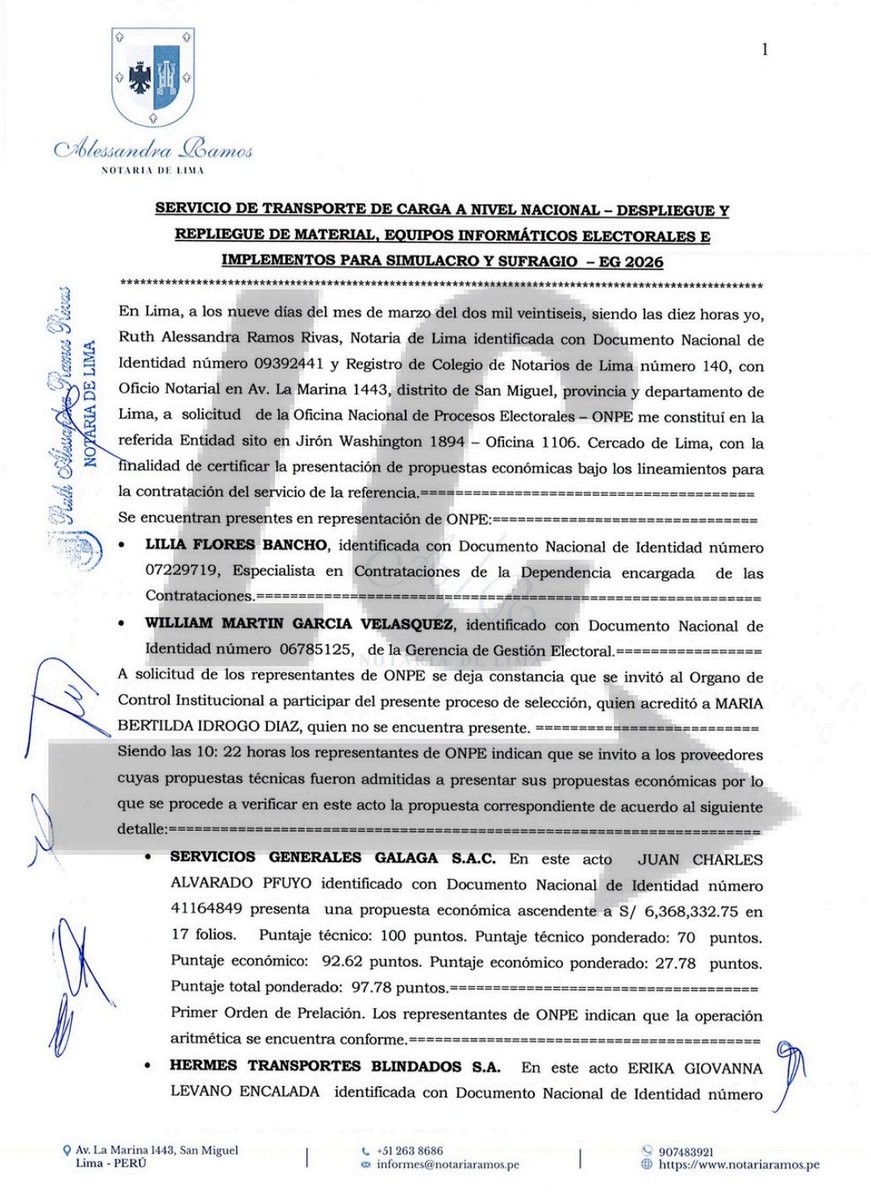
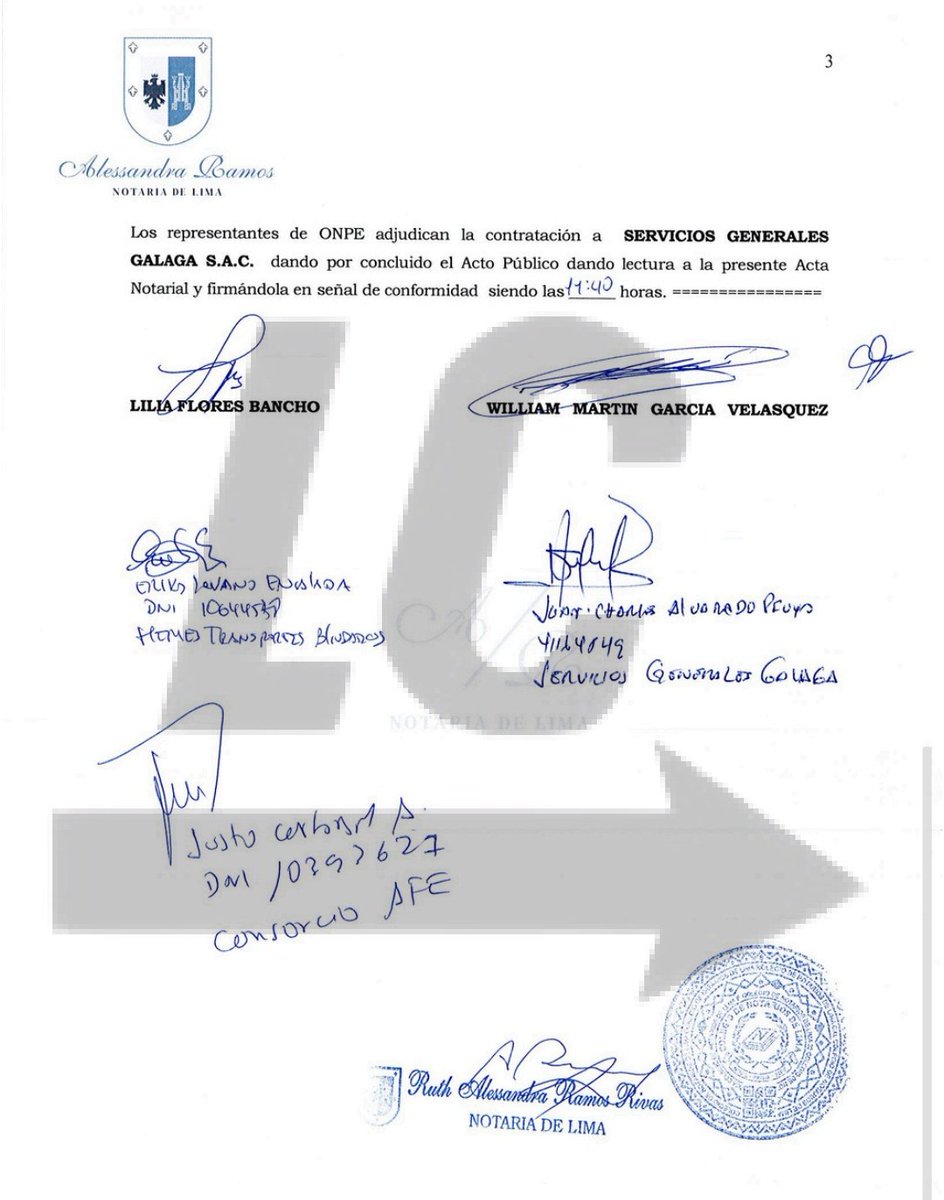
#Exclusivo El documento que prueba la cochinada. ONPE descalificó a Hermes (que era más barata), alegando que sus camiones tenían 10 metros cúbicos, sí, pero había que restarle 2 metros de cabina.
Adjudicó a Galaga. ¿Cómo probaron el metraje si no tenían todos sus camiones? 1/5
@Richard89022768@martinvars Bitcoin doesn’t use encryption, ir used digital signatures. Still qhen quantum is here you sjould worry about nuclear codes and your bank, bitcoin will be fine anyways.
@martinvars I’m really thinking about this for some time now, me preference would be Mendoza, Cordoba or Salta. Where can I get more information ? What benefits do foreigners have ?
New way to find the lowest IQ people on this platform:
Post a picture of the moon and wait for them to flood your comment section with dozens of conspiracies.
If quantum “kills” Bitcoin, it also kills:
• The global banking system
• SWIFT transfers
• Stock exchanges
• Military communications
• Nuclear command systems
• Every HTTPS website on earth
If Bitcoin is dead from quantum, your portfolio is the least of your problems.
Brazil's authoritarian age verification law became active this month. It won't be implemented by GrapheneOS. Complying would require integrating a mandatory process for each user where a third party service checks government identification and confirms a match using the camera.
Folks, we told you this was coming, and today the mask is fully off.
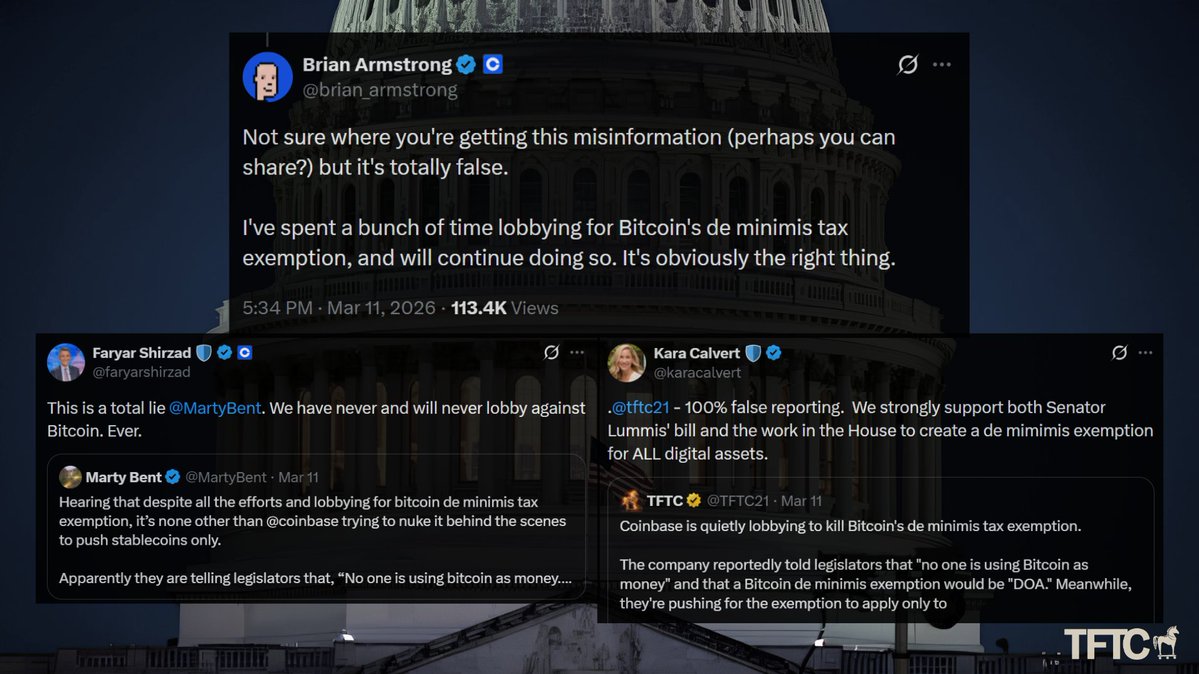
A couple weeks back we reported, based on solid sources, that Coinbase was quietly lobbying to kill a real de minimis tax exemption for Bitcoin while pushing one that applied only to stablecoins like USDC. We laid out the clear incentives in our deep dive. Coinbase made 1.35 billion dollars in stablecoin revenue last year, up 48 percent year over year, almost entirely from yield on the Treasuries backing USDC.
A proper Bitcoin de minimis would let people spend sats on everyday purchases without triggering taxable events on every transaction. That directly competes with their centralized yield machine. We called it what it was. Policy that protects Coinbase’s float rather than advancing neutral Bitcoin adoption.
Brian Armstrong pushed back hard. He called our reporting totally false and misinformation while insisting he was personally lobbying for Bitcoin de minimis. Some accused us of lying or spreading rumors. We stood firm. We offered to have Brian on the TFTC podcast to clear the air. We waited.
Now the latest draft from Reps. Horsford and Max Miller on the updated PARITY Act framework has dropped. It confirms exactly what we warned about. It gives a de minimis exemption to stablecoins but leaves Bitcoin out entirely. It keeps the punishing double taxation on Bitcoin mining fully intact while carving out relief for passive validation, basically staking. This is not an oversight or sloppy drafting. It abandons any pretense of technology neutrality and deliberately picks winners. Dollar-pegged stables and staking get the breaks, while actual Bitcoin usage as money and Proof-of-Work mining get kneecapped.
Without de minimis for Bitcoin, every small Lightning payment or sat transaction still forces cost-basis tracking and IRS headaches. Paying your plumber in sats or grabbing lunch with Bitcoin remains a taxable event. Stablecoins, being pegged and low-volatility, get an exemption they barely need. The real beneficiary is protecting that massive USDC reserve float and the yield it generates.
Meanwhile, American Bitcoin miners, already operating in one of the toughest, most capital- and energy-intensive industries, face continued double taxation while staking gets a pass. That is not neutral policy. It is industrial policy against domestic Bitcoin mining at a time when we should be leaning into energy abundance and securing the hardest monetary network.
The Bitcoin Policy Institute is releasing a full statement soon, and we fully back the call for strong community pushback. Every Bitcoiner needs to contact their reps and make it politically radioactive to sideline Bitcoin while handing carve-outs to stables and staking. This language slows real adoption, entrenches custodians, and weakens American Bitcoin infrastructure.
We weren’t lying. Our sources weren’t lying. The draft proves the reporting was on target. Those who rushed to call it misinformation owe the community some honest reflection.
Brian, if you’re still open to that conversation, the invitation stands. Come on the podcast. No spin, just walk us through how this draft lines up with your stated support for Bitcoin de minimis. The mic is warm.
This fight isn’t over. Bitcoin doesn’t need permission, but bad policy can delay sovereign adoption and punish the miners securing the network. We’re here to protect the protocol and the right of individuals to use sound money without turning every transaction into a compliance nightmare.
Stay sovereign. Stack sats. Use Bitcoin as money anyway. Call your reps today.