We're thrilled to announce the largest private gift in our 137-year history: a $25 million unrestricted donation from MBL Whitman Scientist Mark Terasaki.
His generosity will bolster our renowned research and education programs. 🔬
Learn more: https://t.co/ZvHbfmU7ut
Applications are open for the MBL’s Semester in Biological Discovery, a spring semester or quarter program that provides an immersive research experience in discovery-driven biological sciences modeled on the MBL’s world-renowned ARTCs.
https://t.co/BEFI3EAQJR
Hit the Networking Jackpot
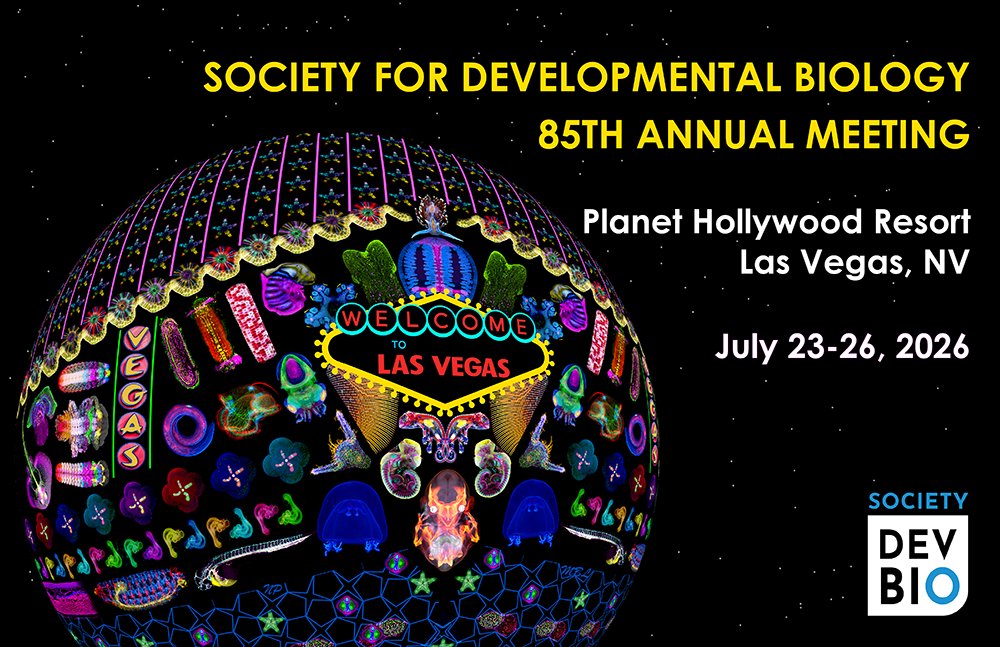
Heading to the Society for Developmental Biology Annual Meeting? Don't miss the MBL Alumni Association Reception!
Join us on Friday, July 24, from 8:30–9:30 pm at The Chandelier at The Cosmopolitan.
Poster Art by MBL Director Nipam Patel.
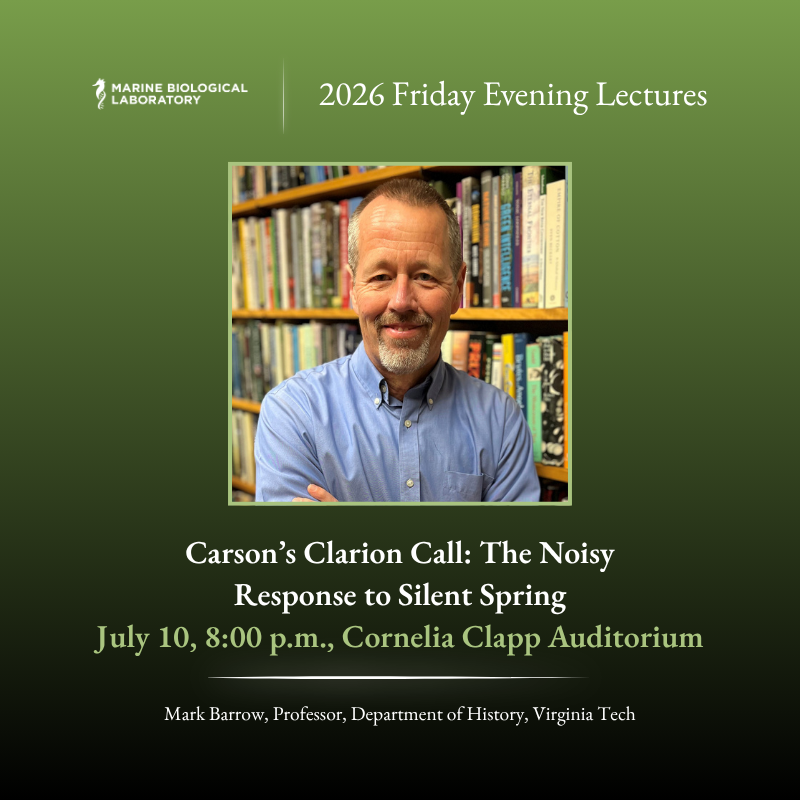
Join us on July 10 for a lecture by Mark Barrow, exploring the cultural responses to Rachel Carson’s "Silent Spring" that generated a firestorm of controversy and helped catalyze the modern environmental movement.
🔗 More info here: https://t.co/MhyeodEs4M
DEADLINE APPROACHING! ⏰
Apply to Comparative Developmental Biology by July 28. This intensive two-week laboratory course is designed for graduate students in their second or later year of Ph.D studies and post-docs.
🔗 More info here: https://t.co/6V5U0UZz0S
Amid the MBL’s bustling summer science scene, a new microscope has come to campus: the ZEISS LSM 990 with the Lightfield 4D Module.
Read about it here: https://t.co/ZcsSSBaL2K
Armed with new techniques and guidance from leaders in parasitology, participants in the MBL's Biology of Parasitism (BoP) course are preparing to tackle the next generation of discoveries.
Read the full story here: https://t.co/lKXiq1GJQ2
⭐️ Did you know we publish a bi-monthly newsletter?
Subscribe to The Collecting Net for the latest stories, research highlights, education news, and more.
https://t.co/MMnUM1mr9q
This weekend, students in the Embryology course welcomed Denise Montell, Distinguished Professor at UC Santa Barbara, who shared her laboratory's research using the fruit fly to understand how cells migrate, interact, and engulf neighboring cells.
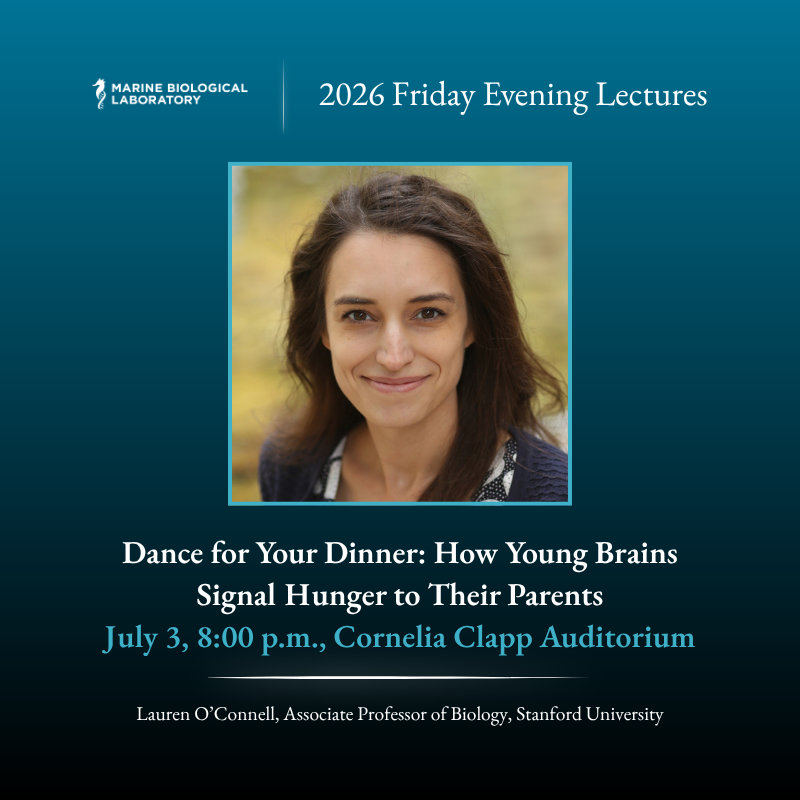
Join us on July 3 to hear Lauren O’Connell discuss how young brains create social behavior and methods of communication to meet needs such as hunger.
Free and open to the public for in-person and virtual attendance.
🔗 More info here: https://t.co/MhyeodEs4M
Happy #MicroscopyMonday! The video shows a swimming larva of Asterias forbesi, a #seastar that is commonly found along the New England coast.
Imaged by Margherita Perillo, a research scientist at the MBL’s Eugene Bell Center.
Connections are at the heart of science.
Our Friday Morning Meet & Greets give researchers a chance to pause, connect, share ideas, and build the relationships that spark new collaborations. Because at the MBL, great science begins with great conversations.
New research reveals surprising similarities between sea star and human ovaries, including shared cell types, genes, and signaling pathways that may date back more than 500 million years.
Read the full story here: https://t.co/rZEPH4t61w
Join us on June 26 and hear Julia Zeitlinger make a compelling case for revisiting a concept that has its origins before the rise of molecular biology and biochemistry: the understanding that biology has a DNA sequence basis.
🔗 More info here: https://t.co/MhyeodEs4M
This past Saturday, Embryology students gathered to learn how to bring science stories to life from science communicator and filmmaker John Rubin, co-producer of The Moth Radio Hour and science storytelling coach Viki Merrick, and NPR science desk contributor Ari Daniel Shapiro.
Happy #MicroscopyMonday! This video shows dinoflagellates being expelled from a coral polyp (Astrangia poculata).
Imaged by Loretta Roberson, an associate scientist at the MBL’s Bell Center.
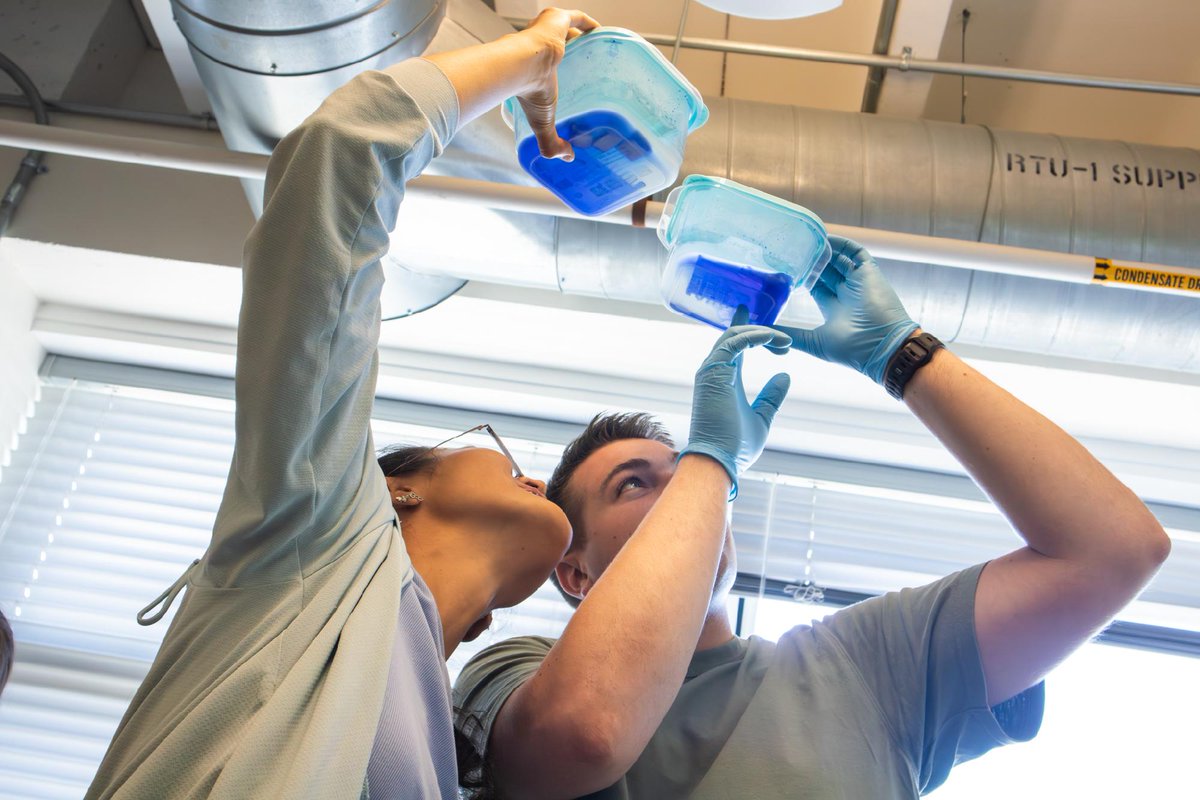
Almost a week into the 2026 Physiology Course at MBL, students are already deep into hands-on experiments.
Last week, students examined the success of the blue-colored gels they ran before gathering around a transilluminator to image and analyze them.
Happy #WorldHorseshoeCrabDay!
These spinning #horseshoecrab (Limulus polyphemus) embryos are developing inside their eggs, just weeks away from hatching. Despite their name, horseshoe crabs are closer relatives of spiders and scorpions than crustaceans.
Endocrine-disrupting chemicals (EDCs) have a complex and extensive impact.
Alumni of the MBL’s Endocrine-Disrupting Chemicals: Hazards and Opportunities (ECHO) course argue that an interdisciplinary approach to these chemicals is key.
Read more here: https://t.co/CmHz3gzB6x
Mae George, an Aquarist I at the Marine Biological Laboratory’s Automated Aquatic Facility, explains the biology behind sea anemone stings and explains how these seemingly simple animals interact with the world around them.
Watch the full video here: https://t.co/x0VtiyMJi9
Congratulations to Dakota McCoy, a 2025 Whitman Scientist at the Marine Biological Laboratory, on her induction as a Beckman Young Investigator for her project "Chemistry and nanoscience: new tools for coral reef resilience."
🔗 https://t.co/nUz3j3enEd