OH MY HEAVENS!
🇺🇸 Cooper Lutkenhaus beats Olympic and World champion 🇰🇪 Emmanuel Wanyonyi 1:42.08 to 1:42.09 at the Oslo Diamond League.
The best 800m runner in the world is 17 years old. Fearless running by him.
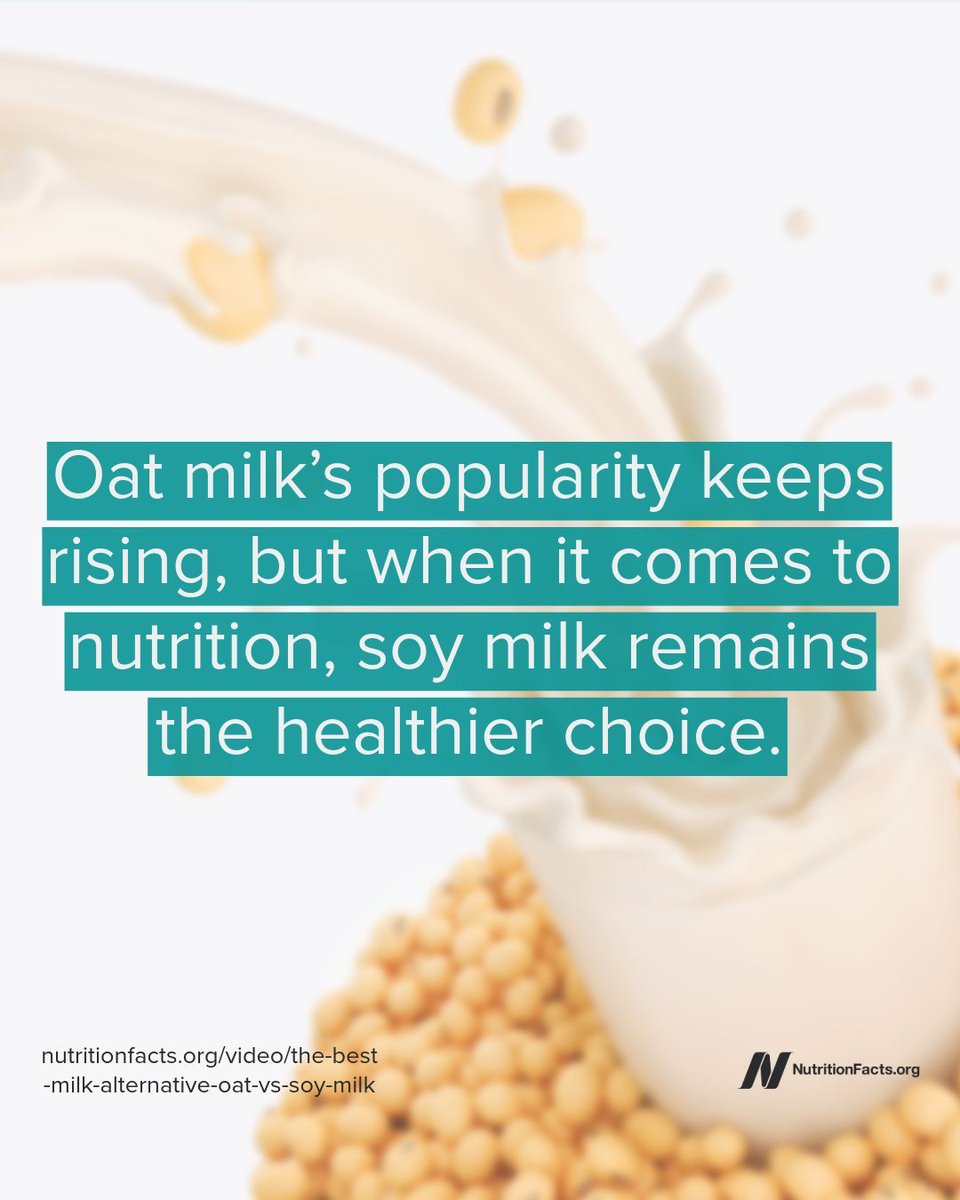
As oat milk’s popularity continues to rise, current evidence suggests that unsweetened soy milk remains the more nutritionally advantageous choice. https://t.co/8R4NOm2ENe
If we overtrain, as hardcore athletes often do, we may put excessive stress on our body and actually increase our risk of infection. A special type of fiber found in baker’s, brewer’s, and nutritional yeasts may be able to help prevent this immune decline. https://t.co/caPYFuCrvi
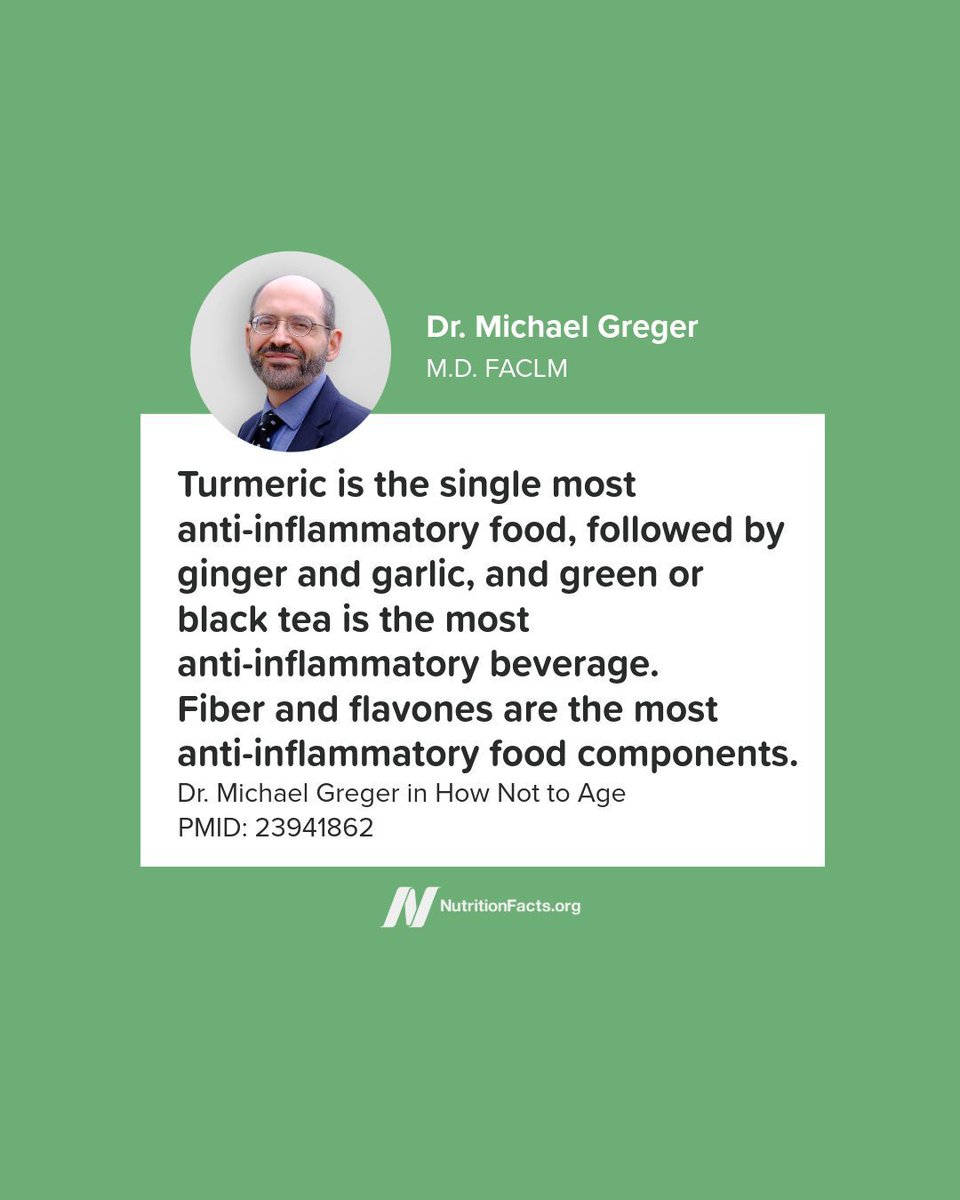
The most anti-inflammatory food component is fiber. It appears that an increase of just 10 extra grams of fiber per 1,000 calories would equate to four fewer years of cellular aging. https://t.co/wZnK8hOgQy
A full tutorial on uphill treadmill threshold work, which can be an incredible way to build up the aerobic system with low risk ⬇️
https://t.co/DTjtSzZAhC
Nature is widely considered one of the most prestigious scientific journals in the world.
Here is a template by Nature on how to craft a masterpiece abstract for your paper:
CHO needs are currently expressed per hour of endurance exercise—but they should take into account body size. This paper suggests larger athletes need more CHO/h of exercise #IJSNEM
https://t.co/bawaadcvFl
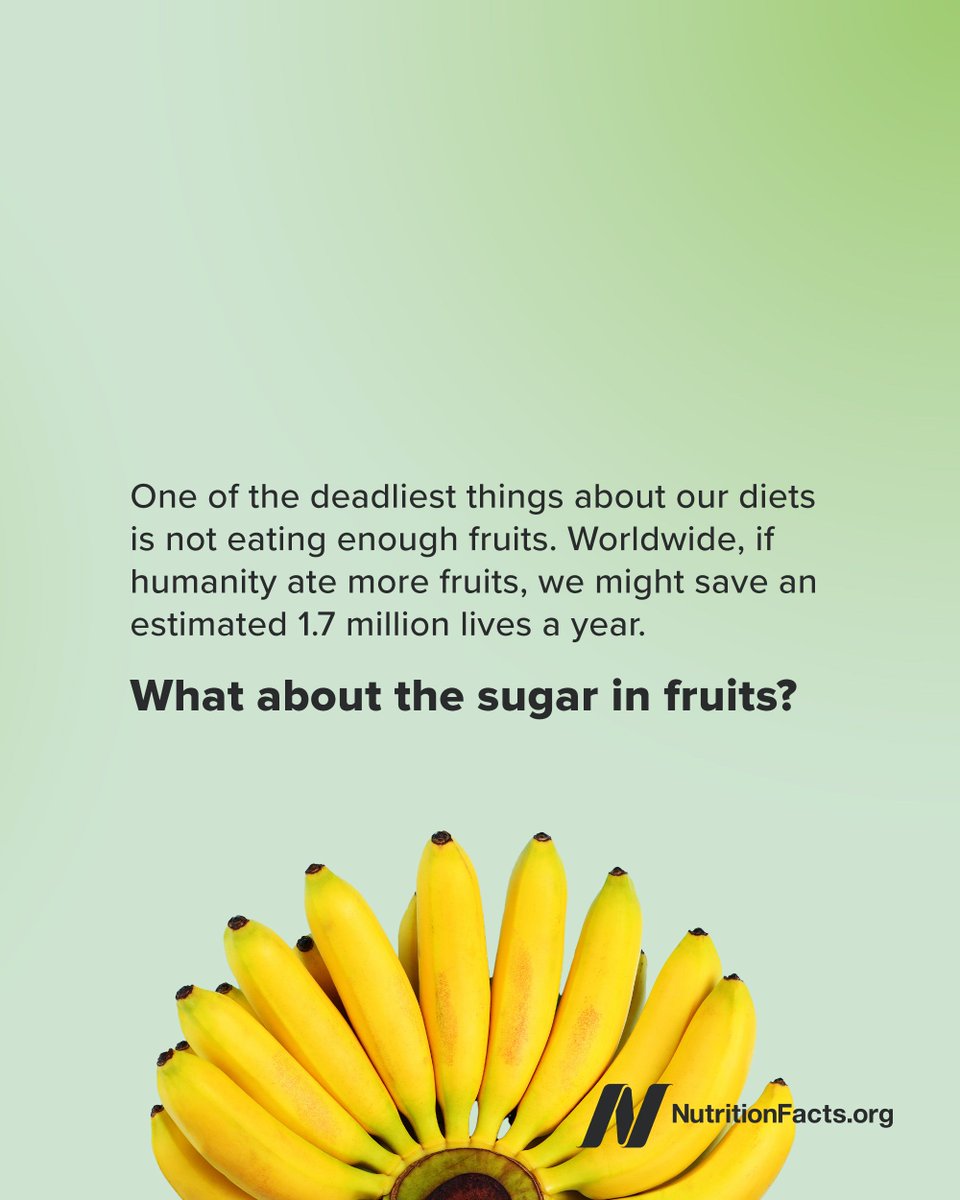
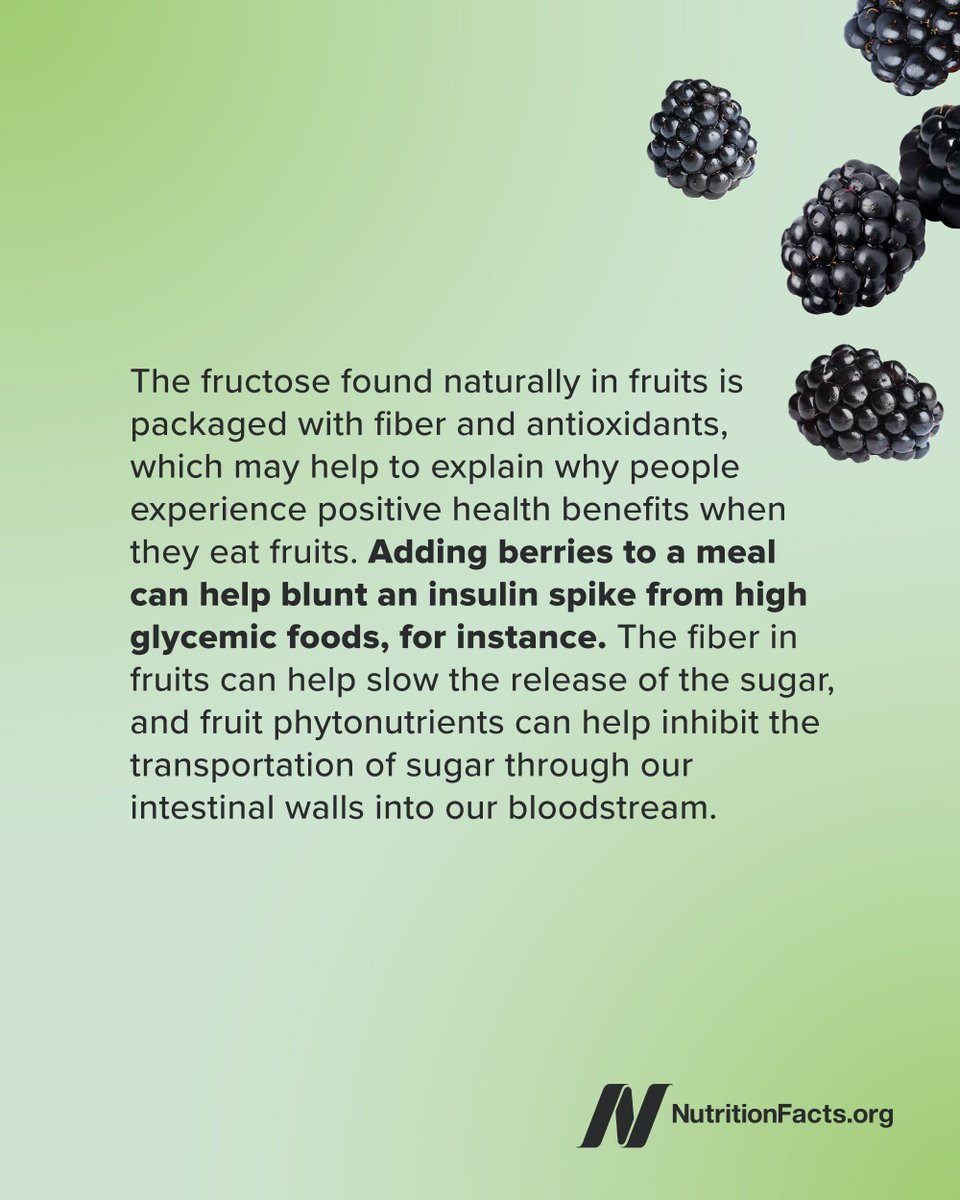
Adding berries to a meal can help blunt an insulin spike from high glycemic foods, and the fiber in fruits can help slow the release of their sugar. Fruit phytonutrients can help inhibit the transportation of sugar into our intestinal walls and bloodstream https://t.co/M4CPwPWc3W
Eating more legumes—more beans, split peas, chickpeas, and lentils—may give us the largest life expectancy gains. So, if you do only one thing, eat legumes for longevity. https://t.co/PFFne0d79U
Exercise Intensity Terminology is a bit of a mess 😵💫
Our attempt to try & summarise some of the different approaches, and make some recommendations going forward, has finally been published in both MSSE: https://t.co/iHdsdK4Mhx & JSaMS: https://t.co/ONLEM5g8U8.
The fructose found naturally in fruits is packaged with fiber and antioxidants, which may help to explain why people experience positive health benefits when they eat fruits. https://t.co/mkWJxtyXjM
Lifting weights has numerous benefits for a runner
•You become more durable
•You improve your coordination
•You get stronger and faster
•You become more efficient
If you haven’t been strength training, it’s the best way to immediately improve your running. Lift the weights!
A good study to remind us to not copy your favourite pro's diet and fuelling strategy before finding out more about yourself.
Individual variations in glycemic responses to carbohydrates and underlying metabolic physiology. https://t.co/dfQl8e1uk8
What went down?
The study looked athletes glycemic responses after eating a carb rich meal.
There was massive variability in the glucose response even when controlling for age and BMI.
What drives this variation?
- Gut microbiome composition.
- Insulin sensitivity. More sensitive, more stable glucose responses..
- Circulating lipids. Higher circulating triglycerides lead to larger glucose spikes
.
What does this mean for you?
- The study aligns with my recommendation that athletes should use a CGM (continuous glucose monitor) at least for a short while to understand their glucose response to foods. In addition to that I recommend also doing so during exercise.
- Stable glucose control = sustained energy output.
Once you understand your glucose response to foods you can tailor your approach for your needs.
- It’s potentially worth getting your microbiome tested if you’re having large glucose spikes from food and are obviously not pre-diabetic.
- It’s widely stated but I haven't looked into the science around that minimising glucose spikes can reduce inflammation and oxidative stress to enhance recovery.
Beware of the dragon.
Plant-based diets, which are low in cholesterol and saturated fat, may contribute to improved performance, quicker recovery, and long-term health by lowering risk of chronic diseases, including heart disease. https://t.co/iNyFaFjEmD
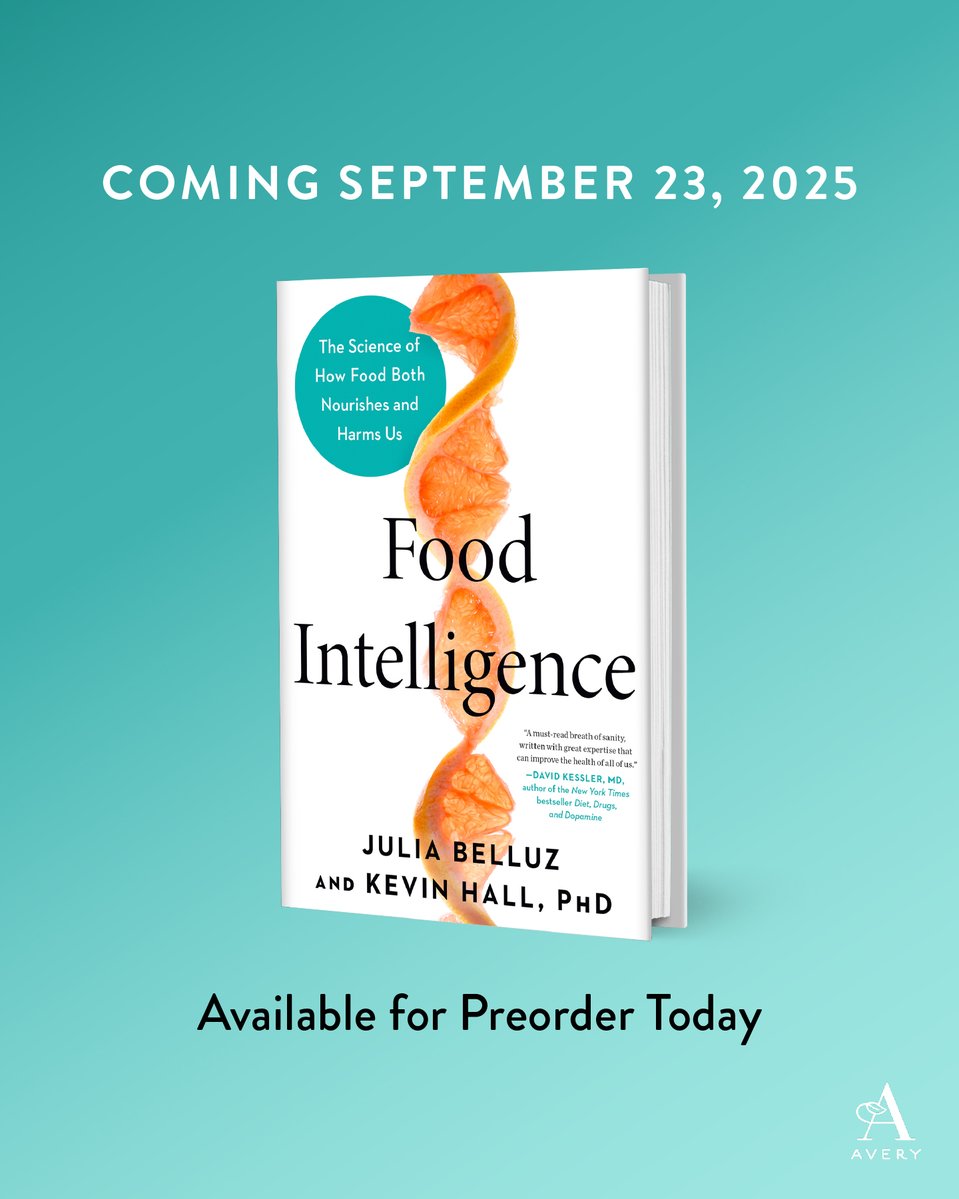
I’m excited to announce my new book FOOD INTELLIGENCE coauthored with brilliant journalist @juliaoftoronto! Cutting through the confusion about diet & health, #FoodIntelligence describes the fascinating science of how food both nourishes and harms us.
https://t.co/EypLmeCM6d
#FoodIntelligence combines my scientific expertise with Julia’s incisive journalism to help you better understand nutrition science, how our food environment drives metabolic disease, & what to do about it. This book has been years in the making & it’s finally a reality! @Avery_Books
The amount of teams/coaches still making college athletes wake up at 6 am (or earlier) to train, lift, & practice is 🤯🤯🤯.
The data are incredibly clear here.
Bad idea.