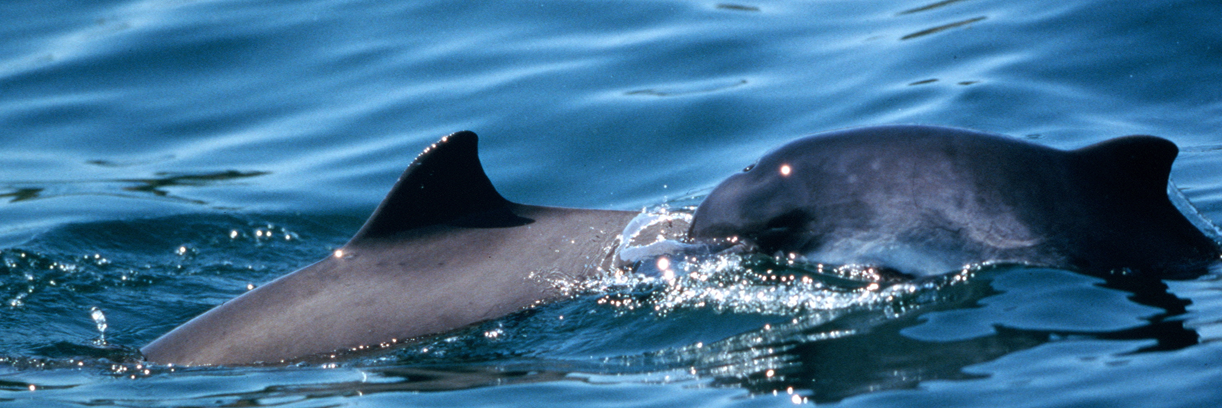
This summer, we spent 21 days at sea with @Ocean_Alliance and @MCRInt using drones to tag seven endangered Rice’s whales. The 65 hours of data collected will teach us about their diving patterns and movements, which will help us better protect them. 🛩️🐋
https://t.co/q5Zsg3unUX
Now that we know what Atlantic white-sided dolphins sound like, they can be monitored using passive acoustics. New research by @susa_scoter@MCRInt@NienkevanGeel @denrisch et al https://t.co/aTmpKzVbX5
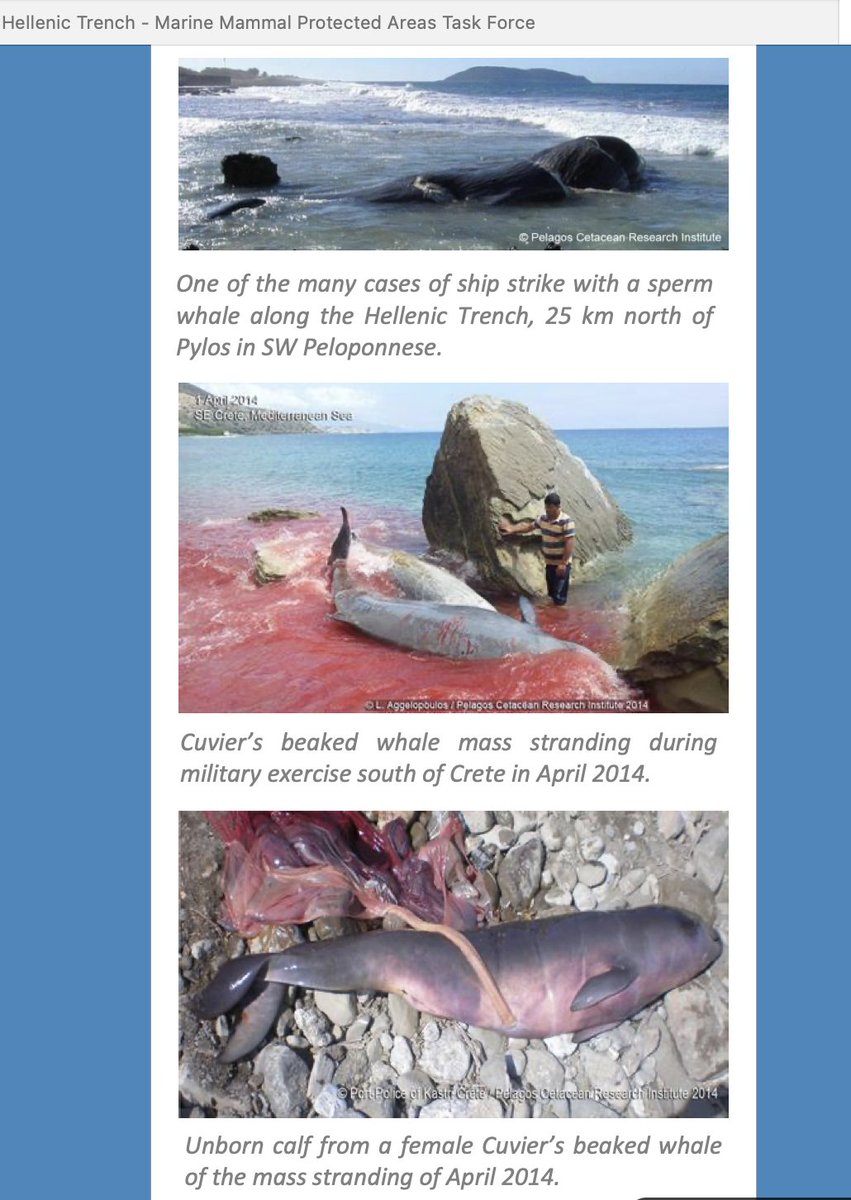
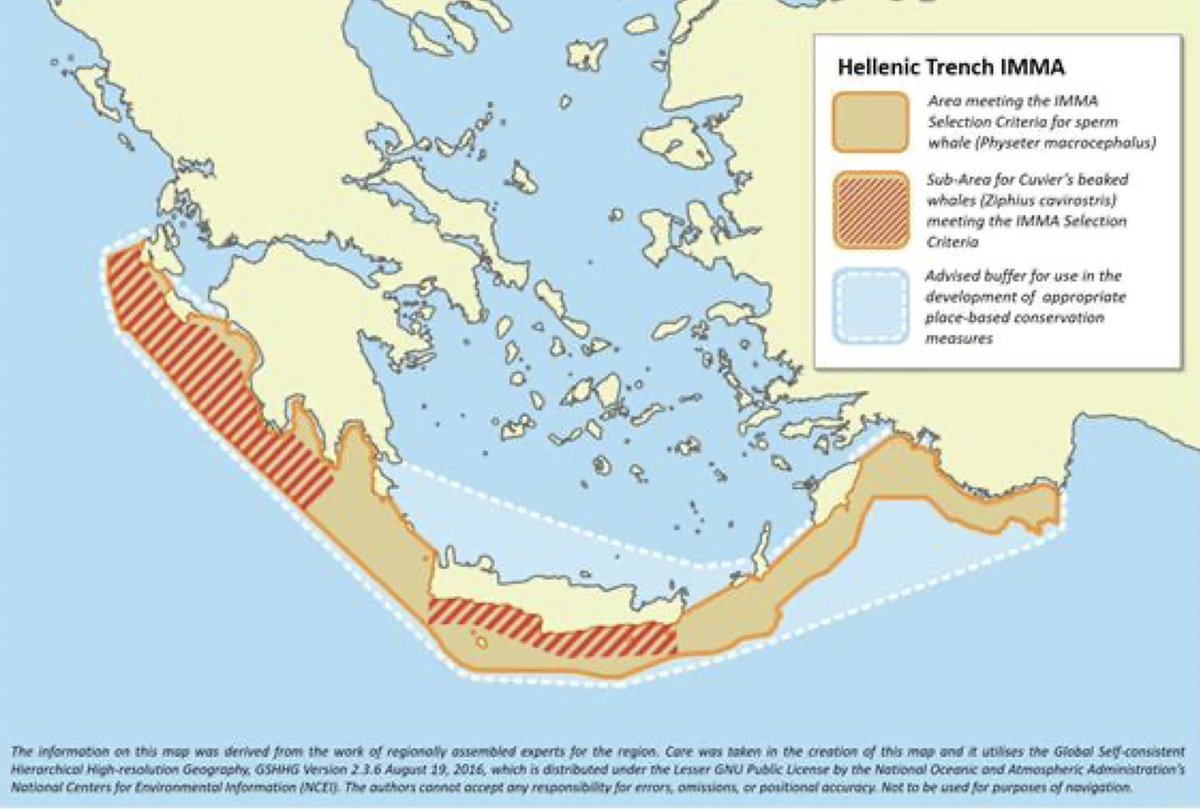
Danish-based @DFDSGroup , one of largest shipping companies with fast ships around Europe, will now alter routes & slow down to reduce risk of colliding with endangered sperm whales & Cuvier's beaked whales in the Hellenic Trench Important Marine Mammal Area (IMMA) off Crete, Greece @mmpatif @ACCOBAMS@whalesorg@whalesorg_de@OceanCare@IucnOcean@WWF_Whales@WWFGreece@ifawEU@ifawglobal@WFSJ
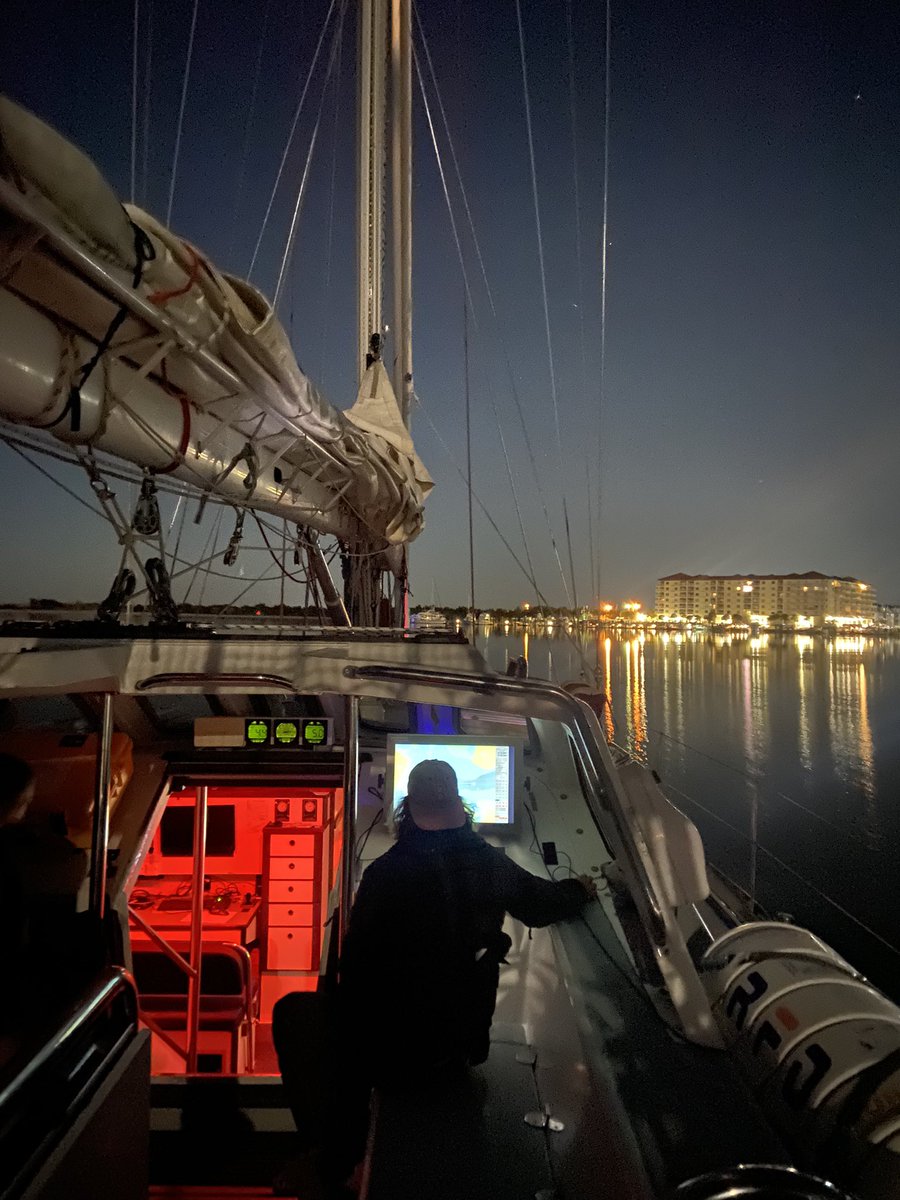
Have you ever heard a whale sing? Groan or click? They DO! And thanks to special equipment on board Song of the Whale, our team is using sound to track Noth Atlantic right whales in pioneering new ways. Head to our blog to hear them for yourself. https://t.co/JJ1MeAgKF4
Scientists have called large whales “ecosystem engineers.” Research has shown that whales cycle nutrients in the ocean, help create the oxygen we breathe, and play a critical role in mitigating greenhouse gases. Not only breathtaking, whales are also breath-giving.
#worldwhaleday
So delighted to be heading offshore with the Song of the Whale crew again!
Hoping for North Atlantic right whales, but I’ll be content with some good star gazing and a couple days away from my computer
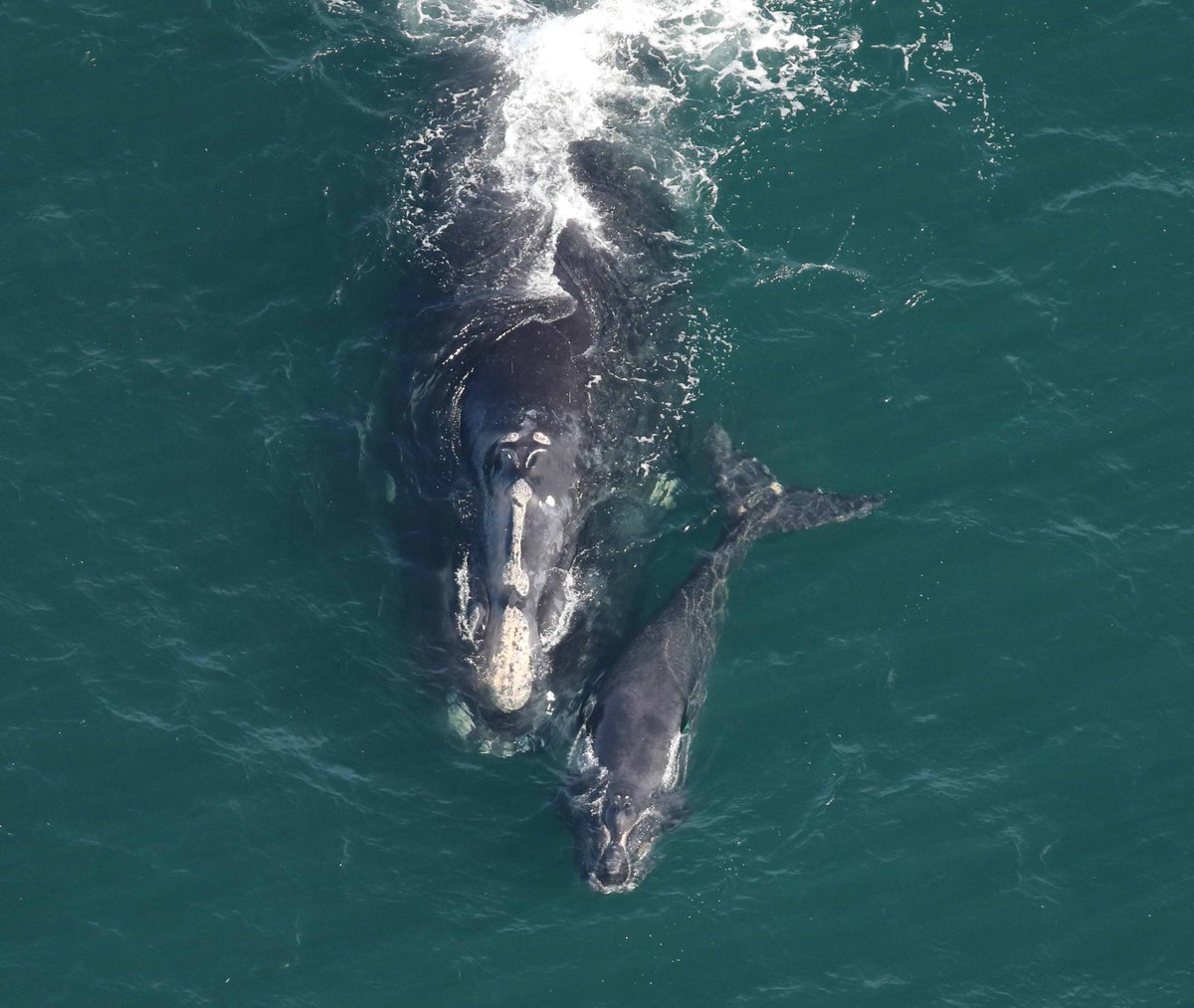
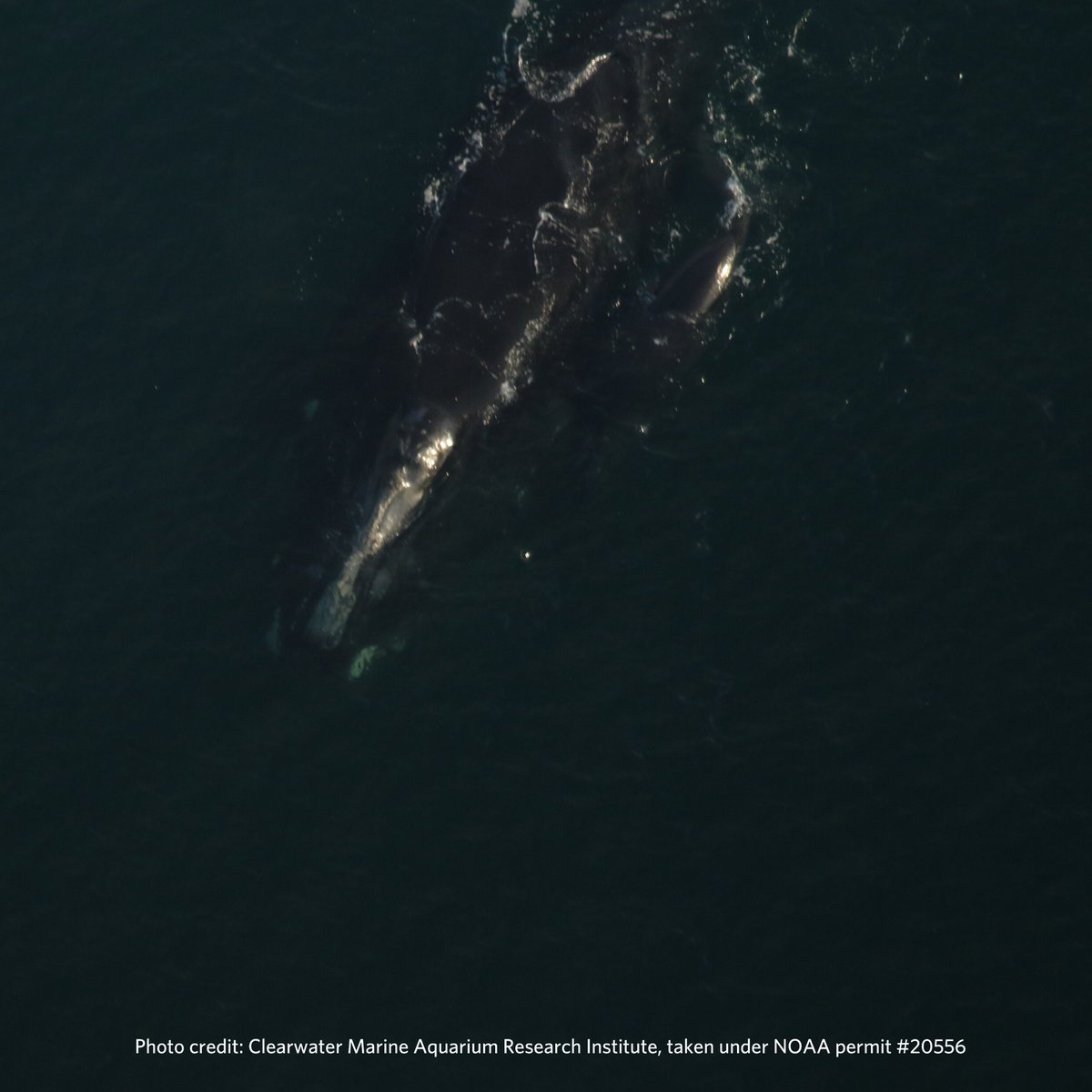
The 11th mom/calf pair of the season: "Pediddle" + her new calf!
Pediddle was seen with her ninth known calf. She now has the honor of sharing the longest calving history with two other #NorthAtlanticRightWhales!
More: https://t.co/Qarf0pP0IY
📸:@CMAquarium; NOAA permit #20556
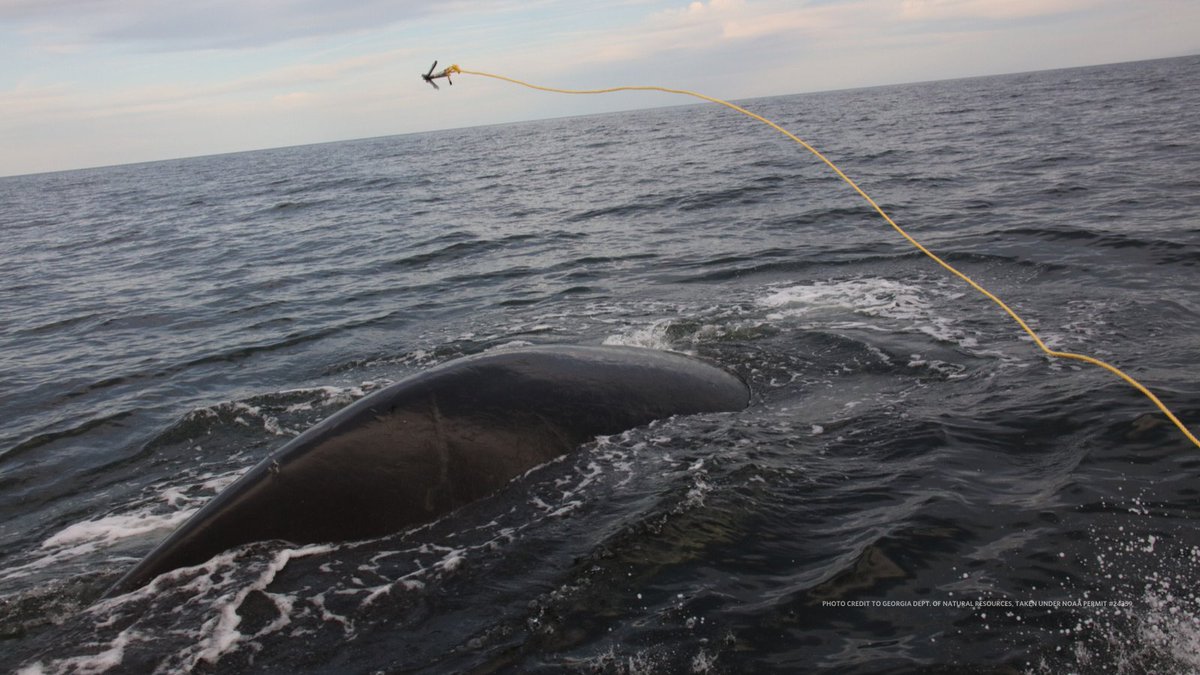
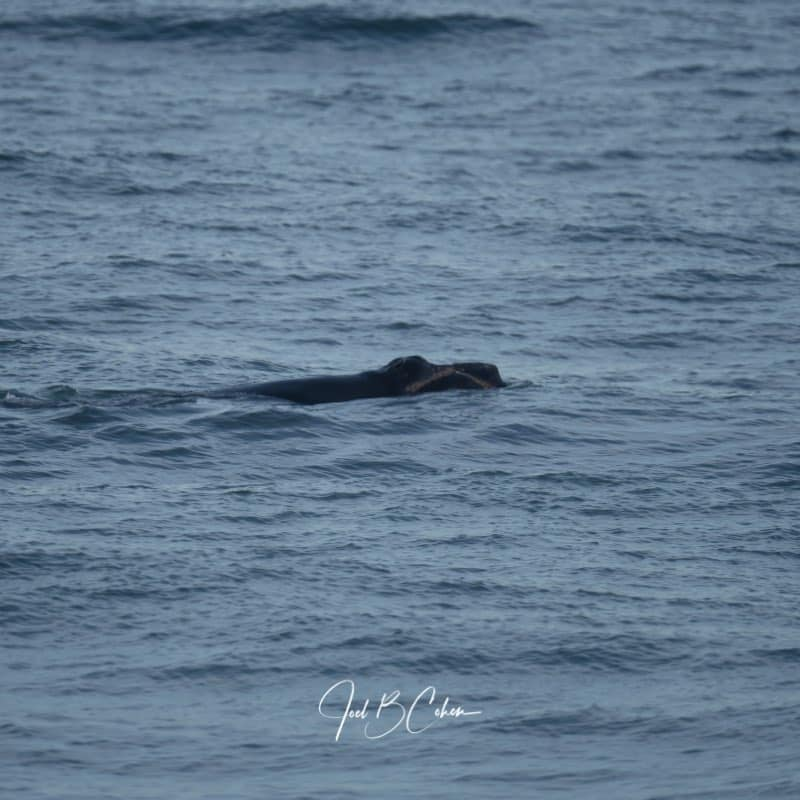
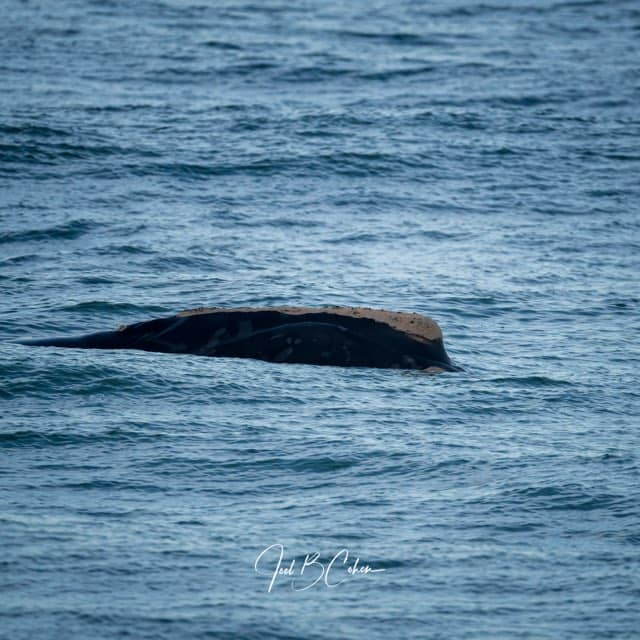
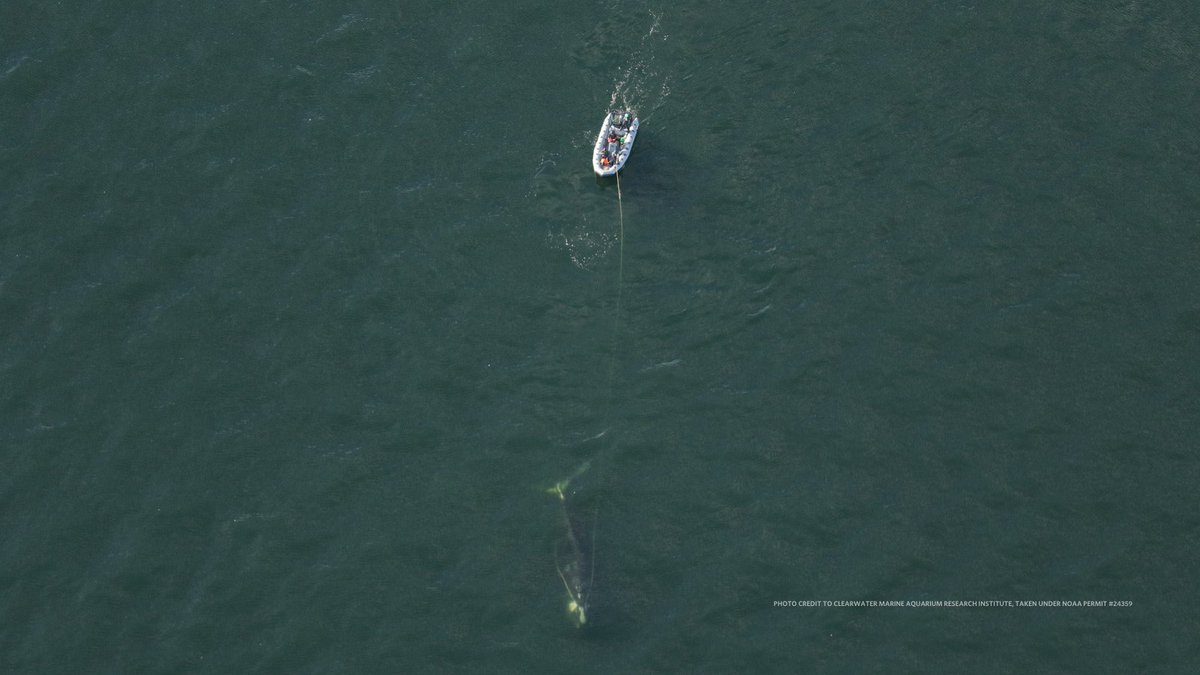
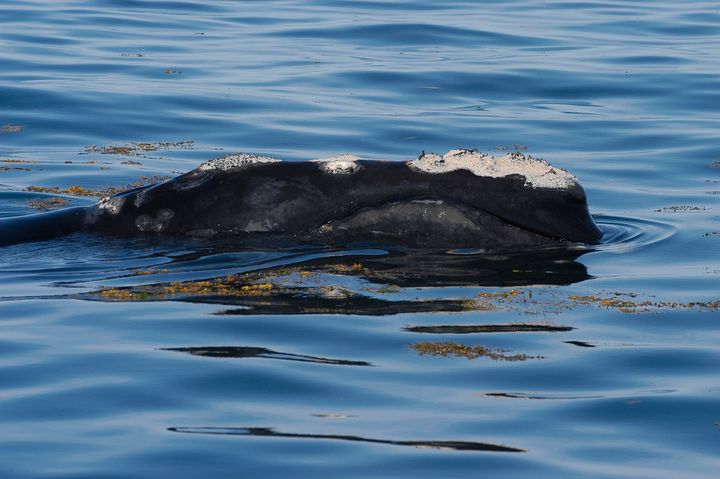
Responders were unable to remove a short segment of rope passing through the whale’s mouth, but the whale should be able to shed the remaining rope on his own in time. This whale, known as No. 3812, or ‘Nimbus,’ is a 15 YO male named for the cloud-like scars on his lips.
The 12th North Atlantic Right Whale calf of the season was spotted off our coast on Jan. 20 by @MyFWC, but this was quickly shadowed by another whale entangled in fishing rope. We decided to step in.
📢New paper highlighting unnecessary #whale deaths in Scottish creel fishery gear every year.
We have the solutions to ensure whales and fishers in #Scotland can live in harmony.
Shout out to @whalesorg co-authors @katienicoledyke and Fiona Read!
https://t.co/Q7KJOHXPpS
🚨NEW #NARW BABY🚨
🚨FIRST TIME #NARW MOM🚨
Ten-year-old Right whale 4340 "Pilgrim" spotted with a calf in Florida and reported by a citizen observer!
Photos + info from the Marine Resources Council Right Whale Conservation Program
READ HERE >> https://t.co/yy7M8XFqJ1
Another whale cow/calf pair was sighted off Georgia's coast yesterday, bringing the calf count to 5 as of December 26th.
Right whale #2605 ‘Smoke’ is 27 years old and this is her 4th known calf.
Four right whale calves so far this season!!🐋🐳
Photo taken by: Clearwater Marine Aquarium Research Institute and USACE, under NOAA permit #20556-01 from FWC Research Facebook!
#rightwhales#northatlanticrightwhales
Where are the right whales? Here, WhaleMap shows locations of visual and acoustic observations between November 22nd - December 4th! Looks like someone has shown up in the winter calving grounds 🤗
Find out more about WhaleMap here: https://t.co/H6hUa7jb2N #map#rightwhales
Huge congratulations to Claire Lacey (currently based at the Hawaii Institute for Marine Biology) who has just successfully defended her PhD. Well done Claire!
#cetaceanconservation#womeninstem
#NorthAtlanticRightWhale population update ⬇️
In an annual report by the North Atlantic Right Whale Consortium, updated population numbers reflect a downward trend for this #CriticallyEndangered species.
More: https://t.co/oWOAETRMNE
📸: Taken under DFO Canada SARA permit
We are deeply saddened by the news of the passing of Her Majesty The Queen, who supported our science and conservation work for many years. From launching conservation initiatives, to supporting us with work in wildlife health, her passion for animals will always be remembered.