If my loved one started showing memory problems, I’d start here:
> Don’t assume it’s just aging
> Ask the doctor what could be driving the decline
> Cut back on sugar and processed carbs
> Try a lower-carb approach and see how they respond
> Review every medication with their doctor
> Do a dentist visit for gum health
> Make daily movement part of the routine
> Keep them around friends and family
> Get some morning sunlight each day
If it were my parents, I wouldn’t stop at “it’s just aging”.
Your doctor used to work for you. Now they work the territory.
They used to ask what was wrong. Now they ask what you are on.
They used to know your family. Now they know your formulary.
They used to read the patient in front of them. Now they read the guideline on the screen.
They used to reach for your wrist. Now they reach for the pad.
They used to sit with the dying. Now they have seven minutes and a target.
They used to want you well. Now they want you compliant.
They used to fear doing you harm. Now they fear missing a box.
They used to swear an oath to you. Now they hit a quota for someone else.
They used to say come back if it worsens. Now they say here is your repeat.
They used to close the case. Now they open an account.
The waiting room became a sales funnel and the prescription is the sale.
A drug rep gets a lanyard, a car and a quarterly bonus. Your doctor gets a screen that flags everyone not yet started on a statin.
Same job. Your doctor just does not get the branded pens.
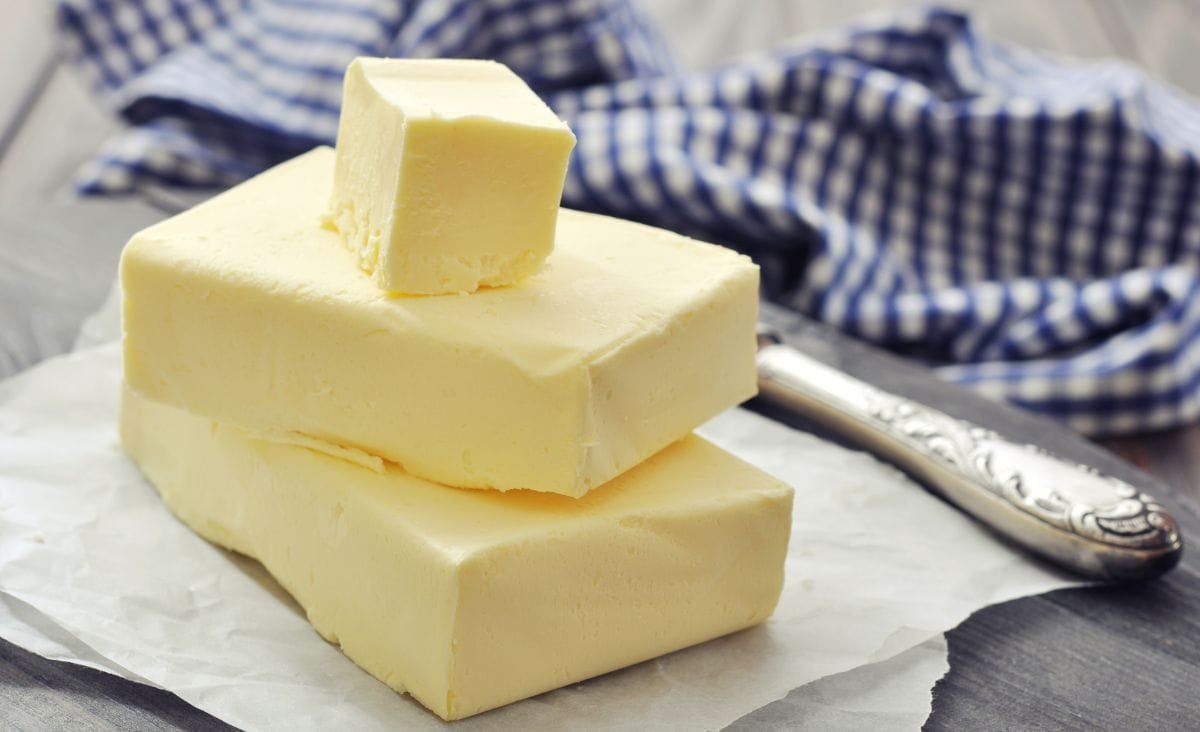
What butter is, in the public mind:
- Furs up the arteries
- Sensibly replaced by margarine in about 1975
- The reason your uncle had his event
- A treat, in a small dish, on a special occasion
What is actually in the packet:
- Vitamins A, D, E and K2
- Butyrate, which your colon lining runs on
- Cholesterol, which your hormones are built from
- A fat stable enough to sit in a dish on the side
- Two ingredients: cream and a churn
- On the human table since the first cow was milked
- Delicious
The stuff that replaced it: refined seed oil, hydrogenated into a solid, deodorised because it had to be, dyed yellow because nobody would buy grey, and sold with the word heart on the tub.
The hydrogenation came off the market four decades later, quietly, once the number of arguments it had lost got embarrassing.
A cow, a bucket and a churn were declared a health hazard, and a factory that had to bleach the smell out of its own product was declared the sensible option.
The butter never did anything. Put it back on the table.
This is solid advice from a person that see's the end result of damaging lifestyle choices and through his care has success in reversing or reducing that damage.
I’m convinced many of our chronic diseases stem from our desire to avoid suffering.
Diabetes because we don’t want to curb our food choices.
Alzheimer’s because we don’t want to challenge our brains. Or exercise. Or give up alcohol. Or eat healthy.
Heart disease because our eating habits and lack of exercise. Maybe drugs and Alcohol as well.
Cancer because of smoking or alcohol or stressing about stuff and not taking action to resolve it.
Embrace the suck and your chances of these conditions go way down.
I'm sure you've all heard by now about the UC Davis study in which almost 89% of products that claimed to be made strictly with avocado oil were adulterated with seed oils.
So the big question remains for people like me who want a heat tolerant and neutral tasting avocado oil.
Are there any oils out there that are what they say they are?
Well the same group that did the most recent avocado oil study also published a study back in 2020 in which they analyzed 22 avocado oils for purity and rancidity levels.
Only three were found to be pure and unoxidized:
Marianne’s Avocado Oil
CalPure
Chosen Foods
Practical tips on buying avocado oil:
Look for oil in dark glass to limit light-induced oxidation.
Check for harvest or best-by dates and buy as fresh as you can!
Smell! Fresh avocado oil should not smell like crayons, paint or stale nuts. These are signs of rancidity.
A recent canned soup recall involving more than 184,000 cans is a reminder that every packaging decision comes with tradeoffs.
The issue involved a pull tab lid that may not have maintained a proper seal creating the potential for spoilage before the product was ever opened.
It immediately made us think about a question we’ve been asked for years:
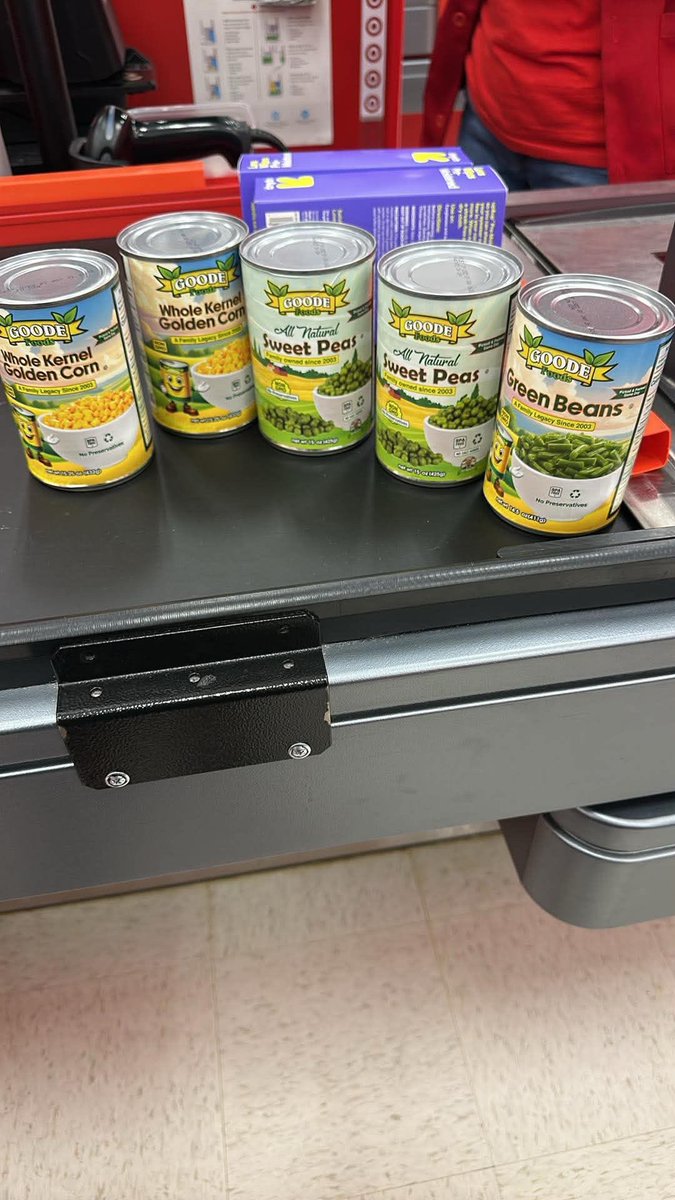
“Why doesn’t Goode Foods use pull tab cans?”
The honest answer is we’ve just never believed convenience should come before product integrity.
Pull tab lids are convenient and plenty of companies use them successfully. But they also introduce additional engineering and manufacturing considerations. If a seal is compromised during production or distribution it can create problems that no food manufacturer ever wants to deal with.
For nearly 24 years we’ve stuck with the traditional can end.
Not because it’s flashy and not because it’s the cheapest.
Simply because we believe it’s the right choice for the products we make and the standards we hold ourselves to.
Most consumers probably never think about the lid on a can but we do. Every single day.
Some of the most important decisions in food manufacturing are the ones shoppers never notice until something goes wrong.
Food safety isn’t just about what’s inside the can.
It’s also about every decision that’s made to protect what’s inside before it ever reaches your pantry.
That’s a responsibility we’ve never taken lightly.
Sometimes the “old fashioned” way is still the Goode way. 🥫
@MikeAllenHoel For right now I am avoiding salads and salad greens. I am cooking vegetables. I also am buying frozen or canned vegetables. Washing fresh produce in baking soda or hydrogen peroxide.. I will probably also avoid all produce out of Mexico. What will you do?
It’s kind of crazy to us that every time there’s a Cyclospora outbreak, everyone starts talking about what not to eat… but almost nobody talks about one of the safest ways vegetables are preserved: commercial canning.
As a second-generation family-owned canning company, we’ve been saying this for over 20 years. Commercial canning isn’t just putting food in a can. It’s a validated heat process called retort processing. After vegetables are sealed in an airtight, hermetically sealed container, they’re heated to temperatures high enough to make the food commercially sterile. That’s why commercially canned vegetables aren’t associated with Cyclospora outbreaks.
People also don’t realize how much food cans have evolved over the last few decades. Remember when people used to joke they could taste the metal? Modern food cans are lined, and ours are 100% BPA-free. Even with tariffs driving can costs higher, we’ve refused to switch to cheaper BPA-lined alternatives or pass those additional costs on to our customers.
We also continue farming the way we’ve believed in for years—using non-GMO seeds and avoiding glyphosate applications on our crops. We believe food safety starts on the farm and continues all the way through the commercial canning process.
The honest truth is that we still don’t know exactly what caused this latest outbreak. These investigations take time, and public health agencies have fewer resources than they once did to investigate outbreaks like this. The parasite can survive for prolonged periods in a variety of conditions. However, commercially canned foods that were produced well before the outbreak are generally considered a very low-risk category for this type of contamination.
If the recent recalls have you thinking twice about how you keep vegetables in your home, that’s exactly why canned food deserves to be part of the conversation. For our family, commercial canning has never just been about convenience—it has always been about providing safe, affordable, shelf-stable nutrition that families can trust.
Goode Foods is proud to be a second-generation family business, and we’re grateful to serve families through retailers including Target, Walmart, Jewel-Osco, Shaw’s, and Food Lion.
Sometimes the oldest food technology is still one of the smartest.