Keith was one of a kind. A gentleman, a scholar, a person of incredible integrity, & a kind soul. I will miss him. Our ongoing collaborations will continue but will lack his valuable insights. A sad day for ecologists across the world. Keith's reach was simply amazing.
Reviewer #3: "Let me try to end on a positive note...I encourage the authors to immunize themselves against this idea and rewrite their paper from scratch". (review on my BioScience MS today)... in case anyone thinks scientists are all on the same team conspiring together.
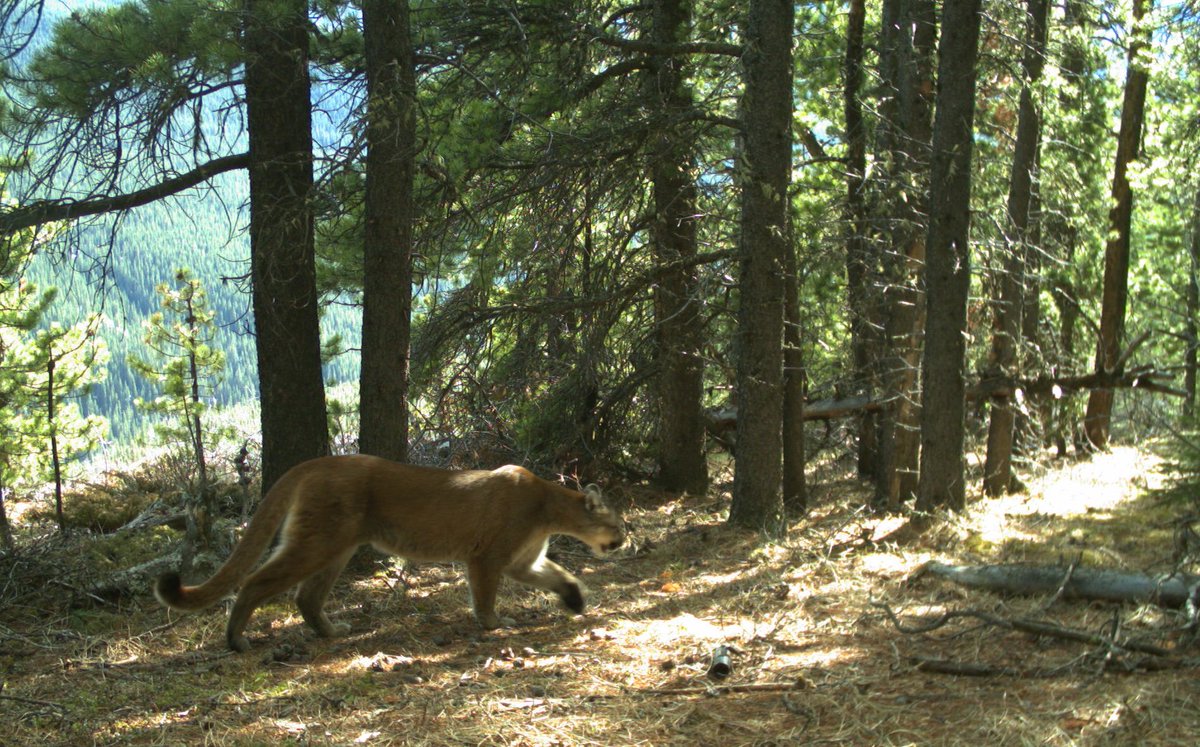
Did you know that cougars can jump 9 metres in a single leap forward? Or that they can run up to about 56 km/hour? With that kind of speed and agility, it is no wonder they are such successful predators! #CameraTrapTuesday
This scale model shows how mangrove forests protect the coast. Mangrove forests are an essential component of the coastal defense systems in many places in Vietnam. This simple model makes it very easy to understand, as explained in this paper: https://t.co/xmRMVEQo0J
It was a privilege to be part of this conference and to be able to share ideas and learn from others. An excellent opportunity for discussion and making connections. Thanks for organizing the meeting, @arkyedmonton https://t.co/Ct7xtikvw8
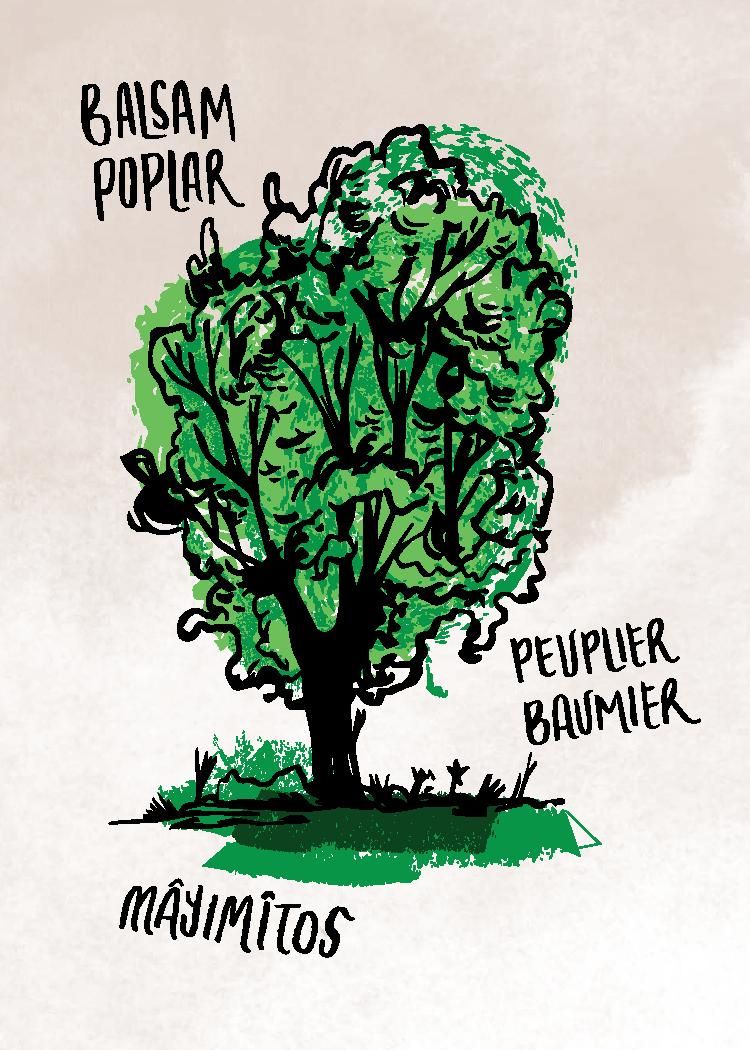
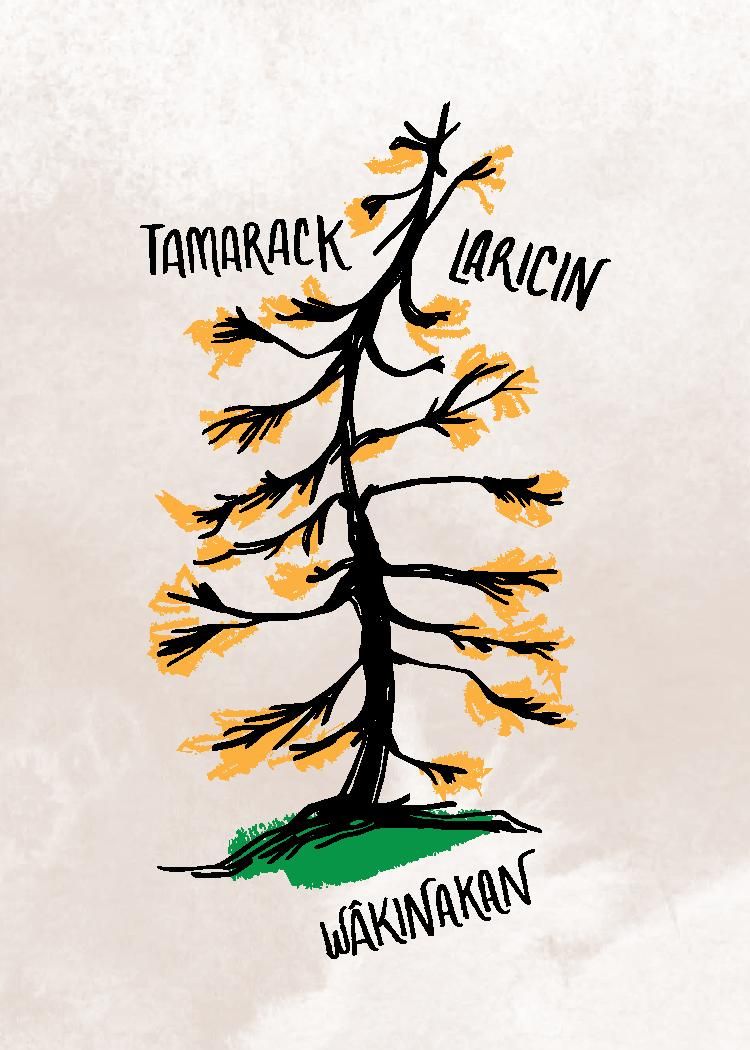
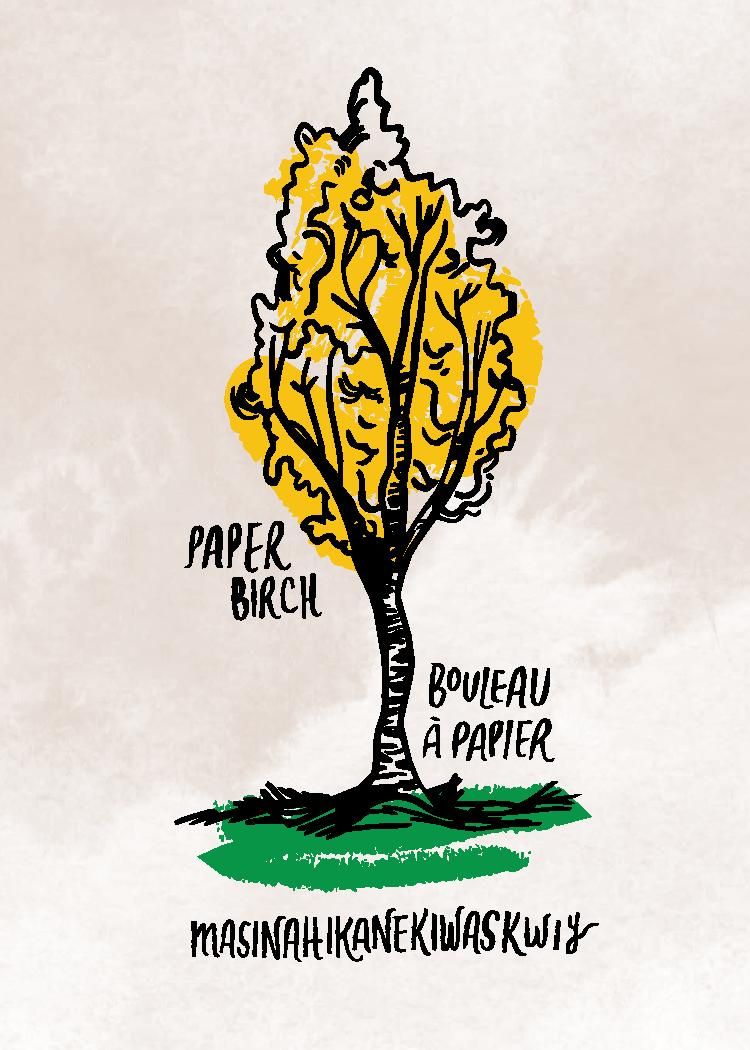
To celebrate #natureMW we wanted to preview some of the illustrated tree specimens that will be in our new Children's Gallery! You'll notice that the trees are labelled in French, English, & Nehiyawewin (Plains Cree). Cree is one of many Indigenous languages spoken in #YEG.
Where's the bear? It's not easy finding #polarbears on the sea ice. We find most by tracking them: sometime minutes, sometimes a lot longer. It's much more difficult in broken ice. Film by @ualbertaScience grad Dr. Nick Pilfold now with @sdzglobal
A dead whale that washed up in Spain had ingested 64 pounds of plastic and waste
it is a grave reminder of our massive plastic problem: https://t.co/kHJhVu4Nge #EndOceanPlastics#UseLessPlastic#WasteLess
I rather like this graphic as it's a good reminder that #polarbears & giant pandas are the 2 most specialized of the bear family. The main threat to both species? Habitat loss. Different causes but the same outcome.
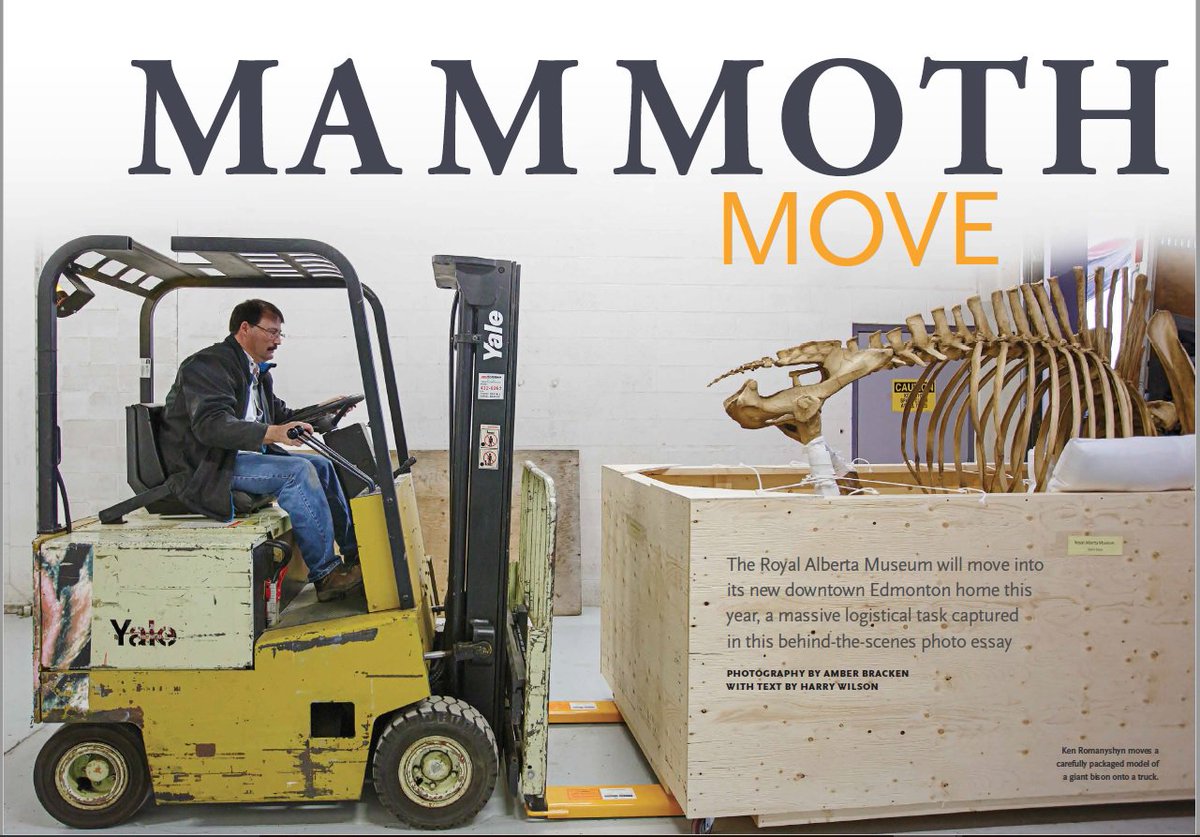
Pick up the latest issue of @CanGeo to see the RAM, and our move to #yegdt, featured in a photo essay. CanGeo spent 3 years visiting us to document the museum's move. #MuseumOnTheMove#RAMwow
Great graphic to refute deniers spouting that there's more sea ice in the Arctic. For #polarbears, it's a Goldilocks scenario: sea ice can't be too thick, too thin, too much, too little, it has to be just right. Of course, too thick isn't an issue anymore. https://t.co/w8HY9QFraM
Our curator of Mammalogy, @MEdwards62, discusses his participation as a scientist on the @canada_c3 expedition. Mark joined the western (and longest) leg of the trip to study Arctic bears. Watch the full video: https://t.co/hrOv25p3Og