One of the biggest drivers in my shift toward explicit instruction has been simplifying everything. I used to try to gamify, activify, and engagify every lesson—bells, whistles, and all. It wasn’t sustainable, and it wasn’t especially effective. I taught under the impression that I had to “make it fun.”
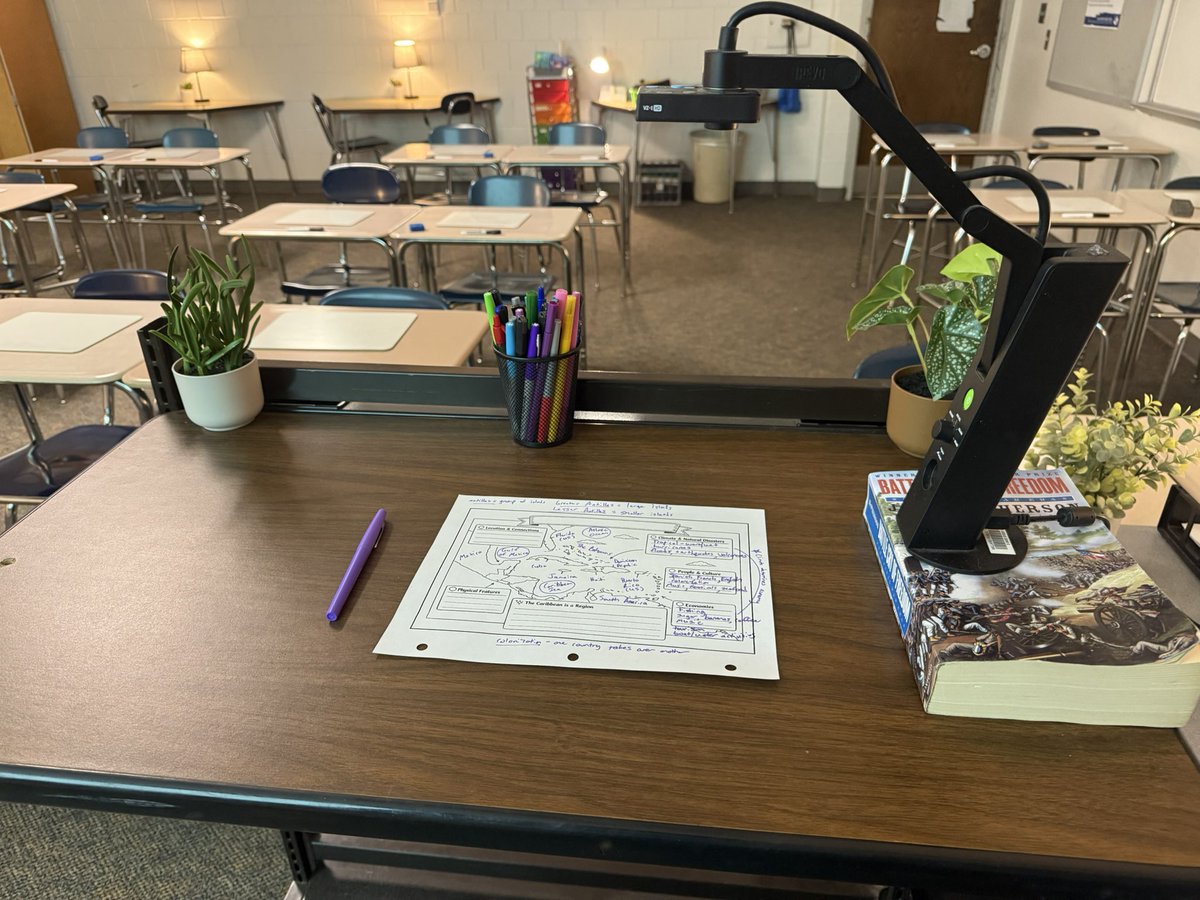
One of the best lessons I taught all year happened today, and here’s what it required: a visualizer, a blank outline map of the Caribbean, and all the critical content I know to explicitly teach my students with. That’s it. Add in lots of questions, choral response, turn-and-talk, concrete examples, active observation, and show calls, and you have everything you need for an effective and engaging lesson.
In previous years, I would have turned this simple Caribbean geography lesson into a high-energy, activity-based experience: stations, a gallery walk, or some kind of puzzle or game. There would be movement, noise, and “engagement,” but most of the new information would be lost in the shuffle. Working memory would be so overloaded that very little would actually stick.
Now I know teaching explicitly and simply is the most effective way to make learning happen.
The DfE has rejected some of the curriculum and assessment review recommendations – @cerysturner7 looks at what has been dismissed or only partially accepted
https://t.co/g43G3goJKh
The 'English Indices of Deprivation' have been updated on .gov today for the first time since 2019.
You can search your postcode on the link below:
https://t.co/2prZbTX4Gr
If you bring a knife/ axe or similar weapon to school, you should be permanently excluded. Anything less is a horrendous dereliction of the duty of care to the rest of the school community. It also teaches everyone else: bring in a weapon and you will be excluded. Not doing so teaches that it will be tolerated.
Guess which environment will end up with the most lethal weapons?
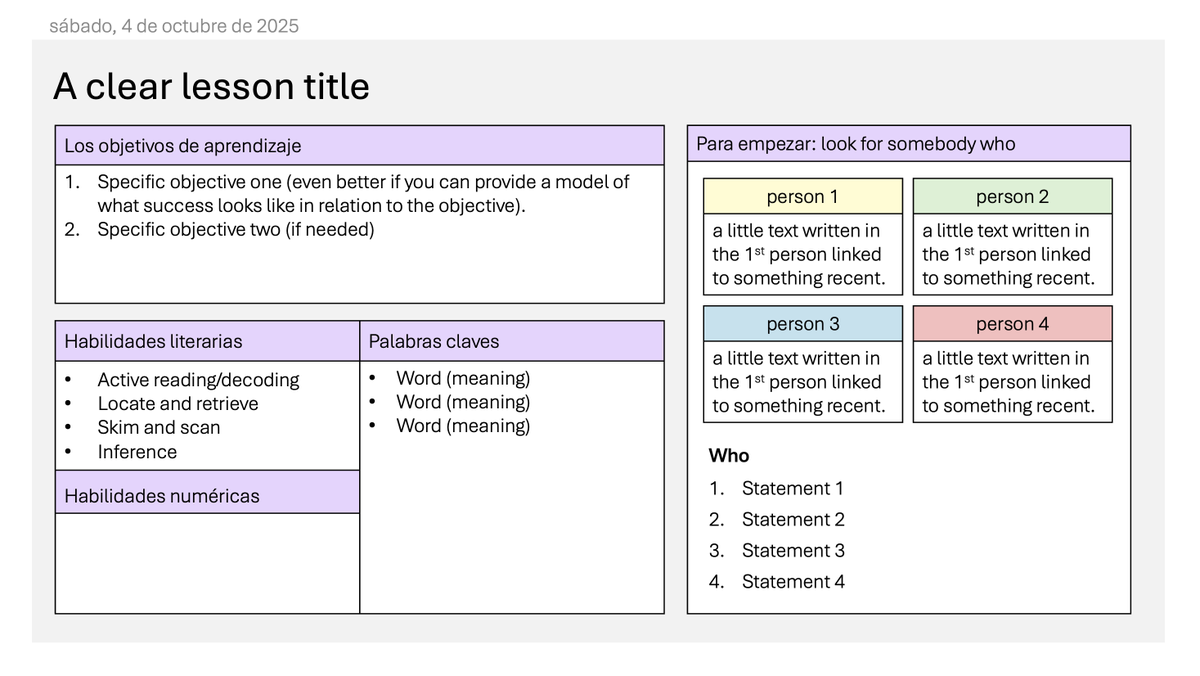
Okay, it's finished! 20 different starter templates which can be freely adapted for language lessons. Looking forward to using them myself after getting into a rut with starters. #mfltwitterati https://t.co/5AYY69NBgN 🇪🇸🇫🇷🏴
📱 Telling parents about the number of school days their child has missed rather than their overall attendance percentage could drive down absence rates, a new study suggests
https://t.co/dNC6VRMFef
The graph and the links will help you explain why MFL is a grade lower than pupils' other subjects.
It's simply the fact that MFL is allocated lower grades.
Targets this year may not have reflected this because they were homemade targets.
https://t.co/vBMpZD7Cag
What do we think?🤔
Hmm…. A Daily Mail headline so clearly designed to make you furious.
Being shared by salivating Tory MPs who love a good rage farming story!
So, what’s going on here?
Let’s take a look!👀
🧵
1/13
La letra "Ñ" no existe en inglés, ni en francés, ni en alemán. No viene del latín y, sin embargo, está en miles de palabras del castellano y en lenguas como el gallego, el euskera, el quechua o el filipino.
Es única. Y esta es su historia.
Tira del hilo 🧵👇👇👇
NEW
"...pupils who had between 95-100% attendance in Year 11 were 1.9 times more likely to achieve a Grade 5 in English and Maths GCSE compared to pupils who only attended 90-95% of the time (DfE, 2025)."
https://t.co/x6vlvDCJoo
The presumption that restorative processes can replace sanctions and consequences, and the aspiration that using them will promote equity, have been two of the major drivers of school systems that promote chaos and insecurity for children. https://t.co/lVvpDwW8sQ
Exciting news! The first sample lesson plan for the new AQA GCSE Spanish specification is now live. I had the privilege of writing it and hope it’s useful for teachers preparing for the changes. Take a look here: 📖✨ https://t.co/XYRaF5jznm
Education secretary @bphillipsonMP today told a live webinar for the schools sector she is ‘concerned’ about the amount of school time being taken up dealing with parent complaints
https://t.co/8gRaNrcZS2