Home fire sprinklers work along with
smoke alarms to save lives. Fire sprinklers
automatically respond to a fire while it is
still small, controlling the spread of deadly
heat, flames, and toxic smoke.
Talk with children about what their
friends or other children are doing with fire.
What are they seeing online in video games,
on TV, in movies, and on social media?
Teach them specific ways to resist the peer
pressure to misuse fire.
Medical oxygen can cause material
to ignite more easily and make fires burn
at a faster rate than normal. It can make an
existing fire burn faster and hotter. Never smoke where medical oxygen
is used.
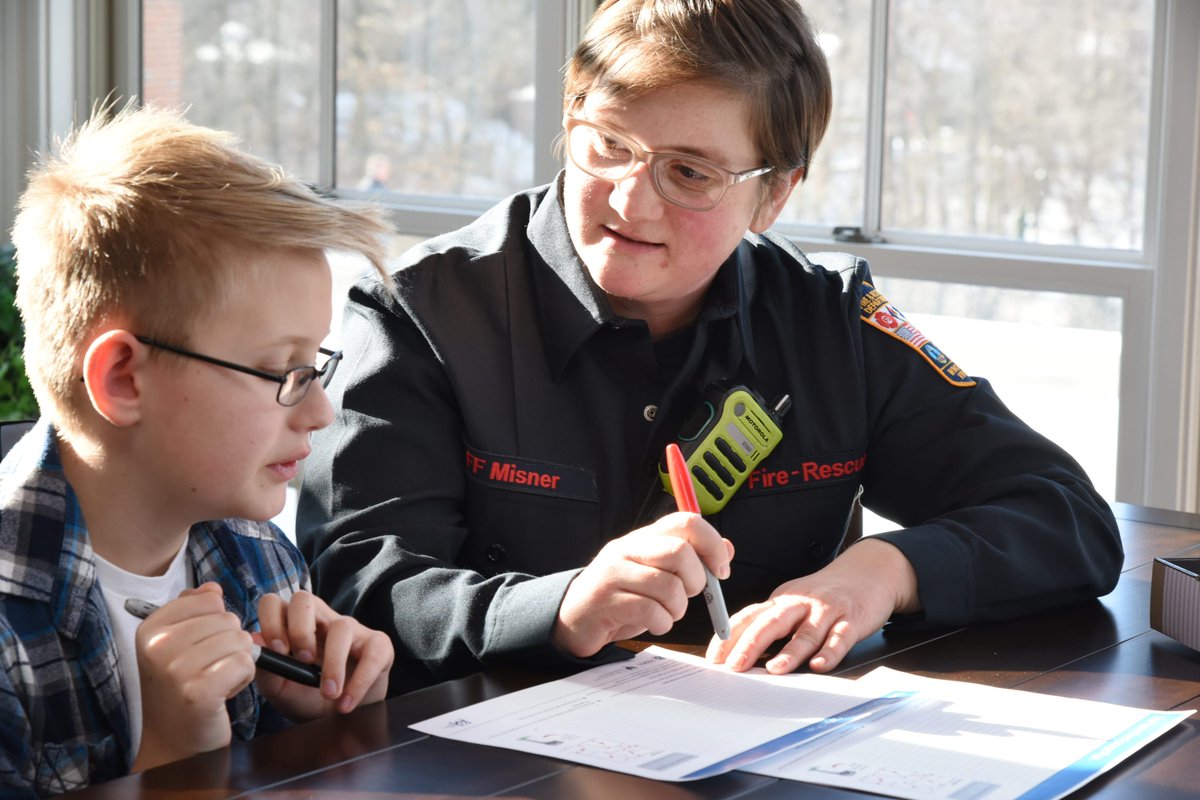
Teach children that matches and lighters are not toys. If they find either, they should leave them alone and tell a trusted adult right away. This simple lesson can help prevent fires and keep everyone safe.
#FireSafety#FirePrevention#ChildSafety
When you see emergency vehicles, tow trucks, utility crews, or other responders stopped on the roadside with flashing lights, move over to an open lane if it's safe to do so. If you can't move over, slow down and proceed with caution. #MoveOver
Install smoke alarms in every bedroom, outside sleeping areas, on every level of your home, and in the basement. Larger homes may need additional alarms for adequate protection.
Install smoke alarms in every bedroom, outside sleeping areas, on every level of your home, and in the basement. Larger homes may need additional alarms for adequate protection. #smokealarms
Never operate a generator in a flooded or wet area. Water can damage electrical equipment, increase the risk of electrocution, and create dangerous shock hazards.
Test smoke alarms at least once a
month using the test button.
Make sure everyone in the home
understands the sound of the smoke alarm and knows how to respond.
Know at least two ways out of every
room, if possible. Make sure all doors and
windows that lead outside open. Children, older adults, and people with
disabilities may need assistance to wake up
and get out. Make sure that someone will
help them.
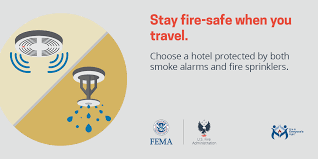
Summer travel season is here! When booking a hotel or vacation stay, choose properties protected with fire sprinklers and working smoke alarms. Before settling in, review the evacuation plan and know two ways out.
Never smoke around medical oxygen. Oxygen can cause materials to ignite more easily and make fires burn hotter and faster. Keep oxygen equipment away from cigarettes, candles, and open flames.
Cooking safety starts with staying in the kitchen. Most cooking fires happen because cooking is left unattended. If you’re frying, grilling, or broiling food, stay close and keep an eye on what you’re cooking.
Keep anything that can burn at least 3 feet away from furnaces, water heaters, and other heat-producing equipment. Storage boxes, paper, paint, and cleaning supplies too close to heat sources can quickly become a fire hazard.
Traveling for Memorial Day weekend? Whether staying at a cabin, campground, or cottage, make sure everyone knows two ways out and where to meet in an emergency. Safety first while making memories!
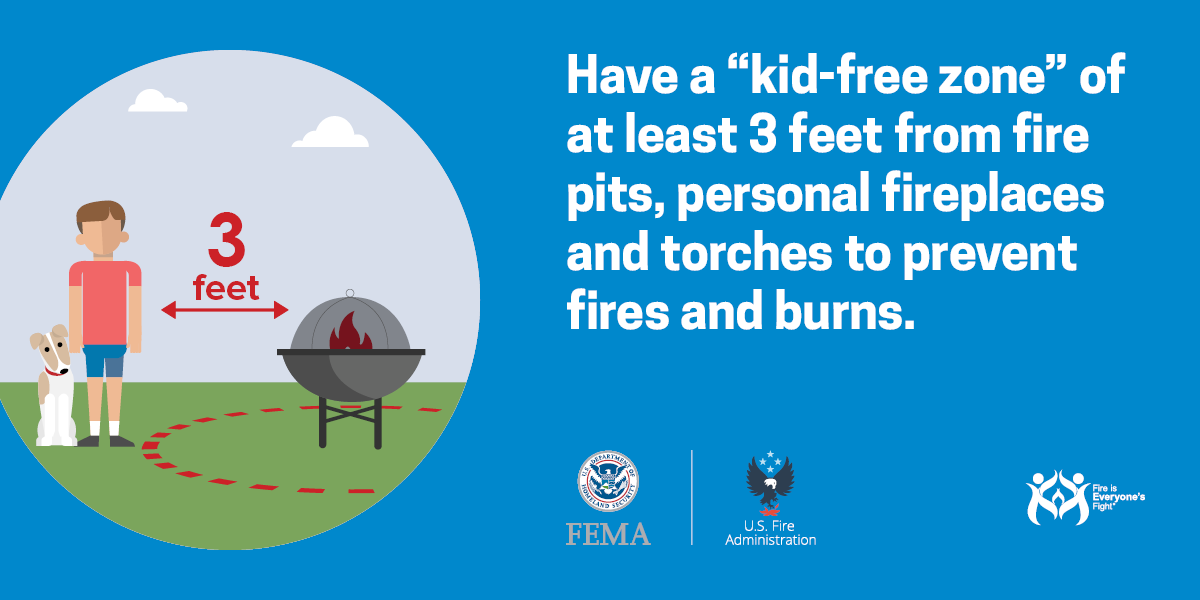
Memorial Day weekend often means grills, campfires, and bonfires. Keep fires attended at all times, fully extinguish them before leaving, and keep a water source nearby.
Heading to the cabin this Memorial Day weekend? Take a few minutes to test smoke alarms and carbon monoxide alarms before settling in. Working alarms save lives.
Always fully extinguish cigarettes in a sturdy, fire-safe container with sand or water. Never toss cigarette butts into mulch, landscaping, or dry grass where they can quickly start a fire.
Spring means grilling season is back! Keep grills clean, check propane connections for leaks, and always grill outdoors away from decks, siding, and overhangs.