A leading center for neuroscience and cognitive science research and education, dedicated to understanding the brain and how it gives rise to the mind.
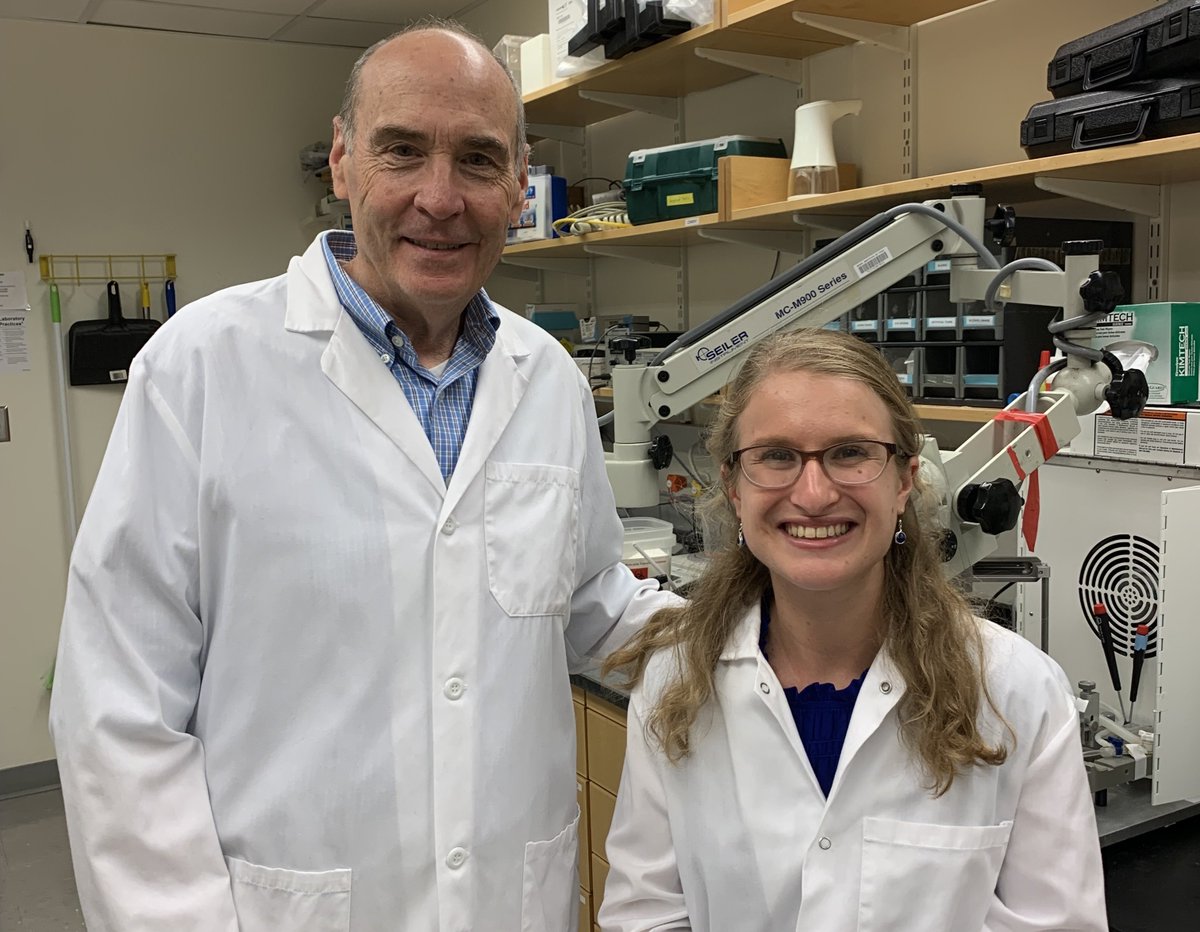
Myriam Heiman named the director of The Picower Institute for Learning and Memory. Heiman, who studies neurodegenerative diseases such as Huntington’s disease and Parkinson’s disease, will lead the institute beginning July 1. https://t.co/olQ9kX6xw0 #neuroscience@ScienceMIT
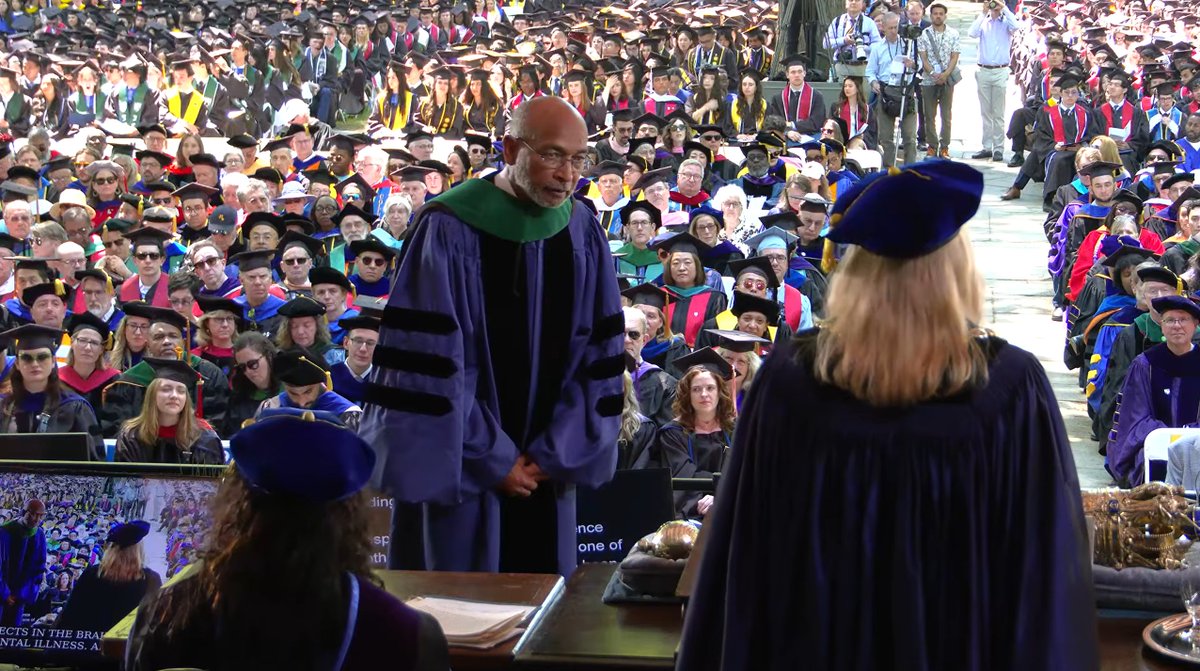
Congratulations to Professor Emery N. Brown, who this morning received an honorary doctorate of medical sciences @Yale in recognition of his #neuroscience, #statistics and #anesthesiology research.
McGovern researchers have developed a new sensor which can brighten or dim MRI signals in response to specific molecular targets -- a potential tool for brain-wide imaging, as well as imaging targets in the peripheral nervous system or other tissues.
https://t.co/Hmrij71pcf
We are delighted to share that McGovern Investigators Michale Fee and Fan Wang have been elected to the @theNASciences for their “distinguished and continuing achievements in original research.”
Learn more about their groundbreaking work 👇
https://t.co/AQRoszNlT3 @mitbrainandcog
Congrats to MIT scientists Sven Dorkenwald and Whitney Henry for being named 2026 Searle Scholars, an award given annually to 15 exceptional early-career researchers in the fields of biomedical sciences and chemistry!
https://t.co/H4Kuo879Ol
A new study of Rett syndrome highlights potential for personalized treatment. MIT researchers tracked how two different mutations alter neural circuit development in organoids and how each could be addressed with distinct potential therapeutics. https://t.co/8nGP3nQYdk
How do nervous systems produce behaviors? A new MIT study maps exactly what happens in the brains of C. elegans worms when they “follow their nose” to savor attractive odors or avoid unappealing ones. https://t.co/11o5vKJ95g #neuroscience@mitbrainandcog@ScienceMIT
Impairments of a brain circuit necessary for processing new information may help to explain why some people with schizophrenia lose touch with reality, according to a new McGovern study.👇 @mitbrainandcog@ScienceMIT
https://t.co/IqTPD28FKo
New discovery! Three different anesthetics each similarly destabilize neural activity. The insight could lead to a universal anesthesia delivery system to monitor patient consciousness and dosing more effectively. https://t.co/56m9O3h6QH #neuroscience@mitbrainandcog@mitscience
How the brain handles the “cocktail party problem”: Using a computational model, MIT neuroscientists showed how the brain can selectively focus attention on one voice among others in a noisy environment: https://t.co/KDGuanagee
How does the brain know which neurons to adjust during learning in order to optimize behavior? MIT researchers discovered that brains can use cell-by-cell error signals to do this — surprisingly similar to how AI systems are trained via backpropagation. https://t.co/yj0tNimbIu
Three new neural network-based tools enable fast, accurate alignment and annotation of images even in wiggly subjects🪱🪼. The tools might offer a way to automate cell tracking in other imaging datasets, too. https://t.co/B5rnMmgv0X #neuroscience#AI@mitbrainandcog@ScienceMIT
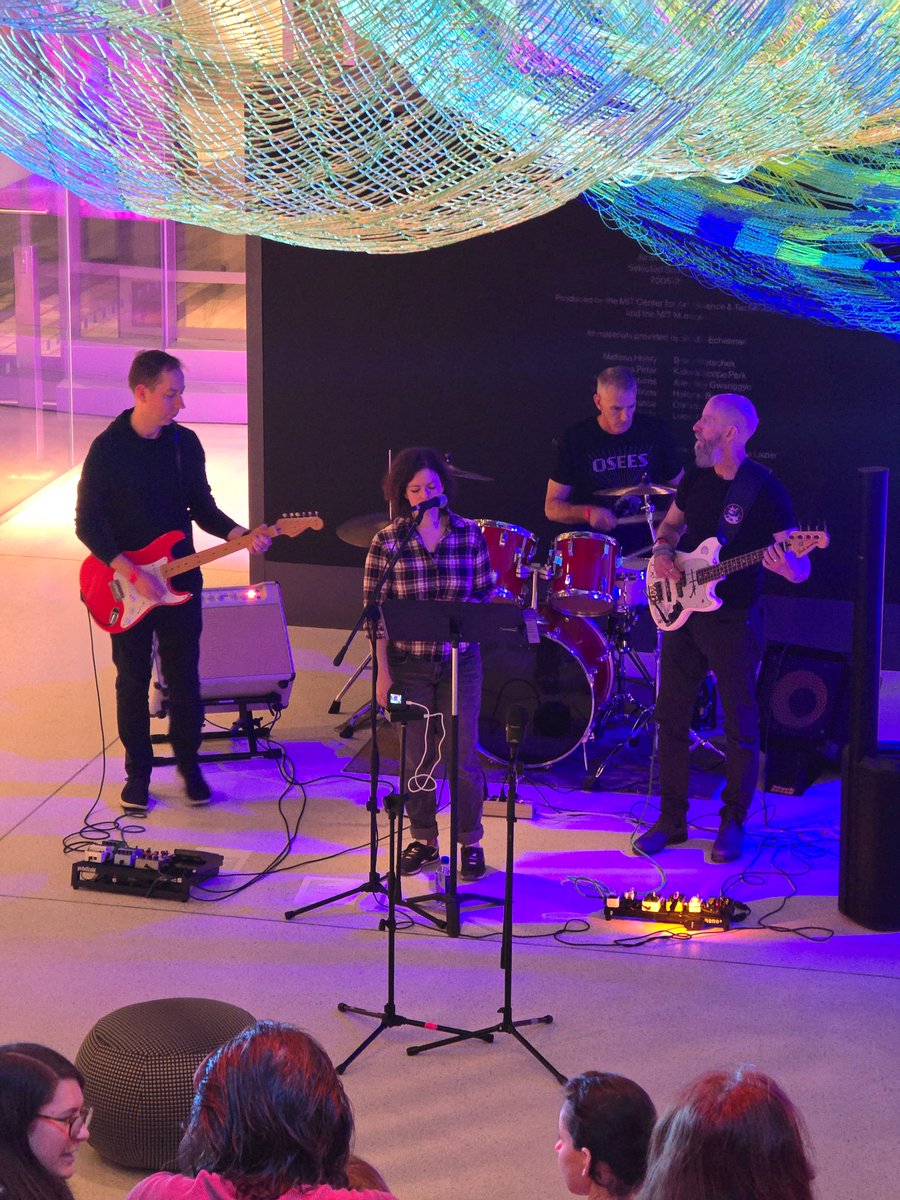
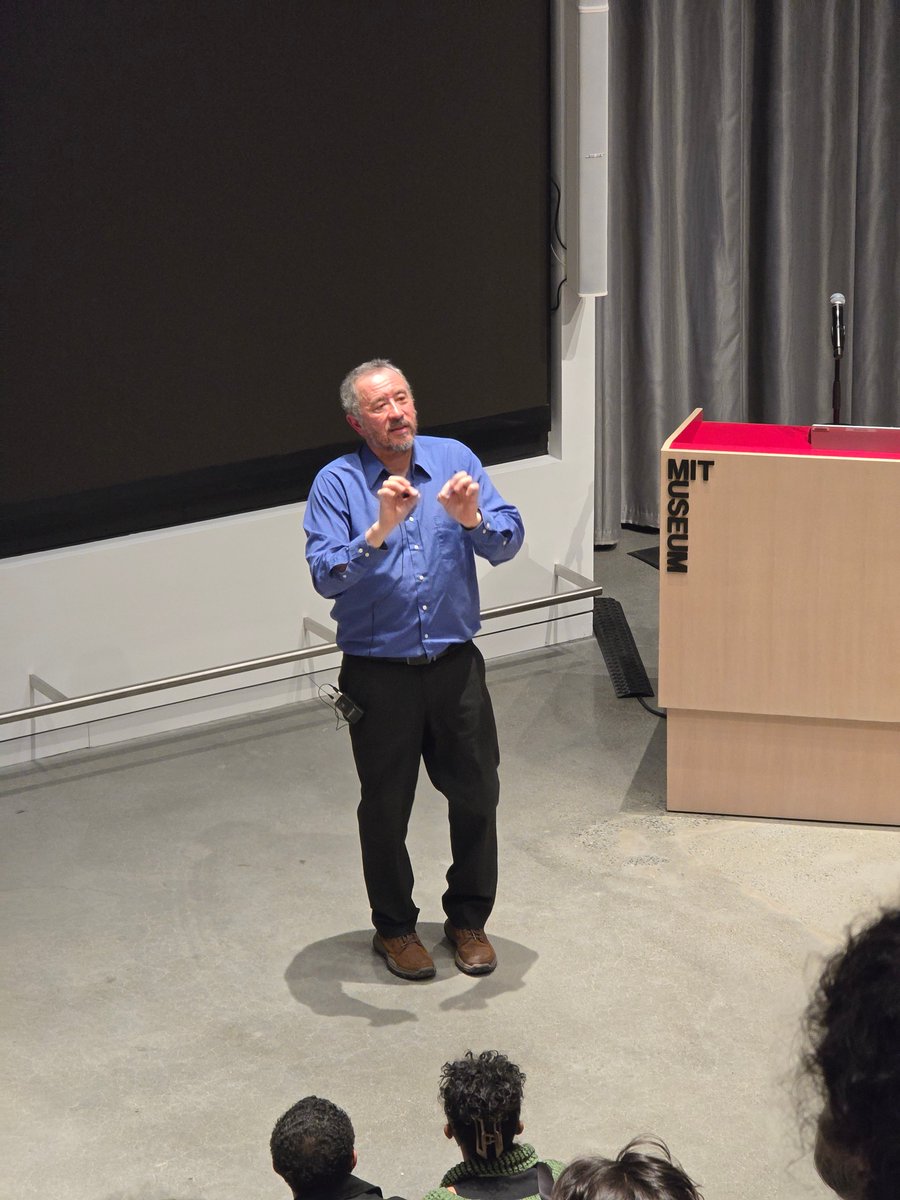
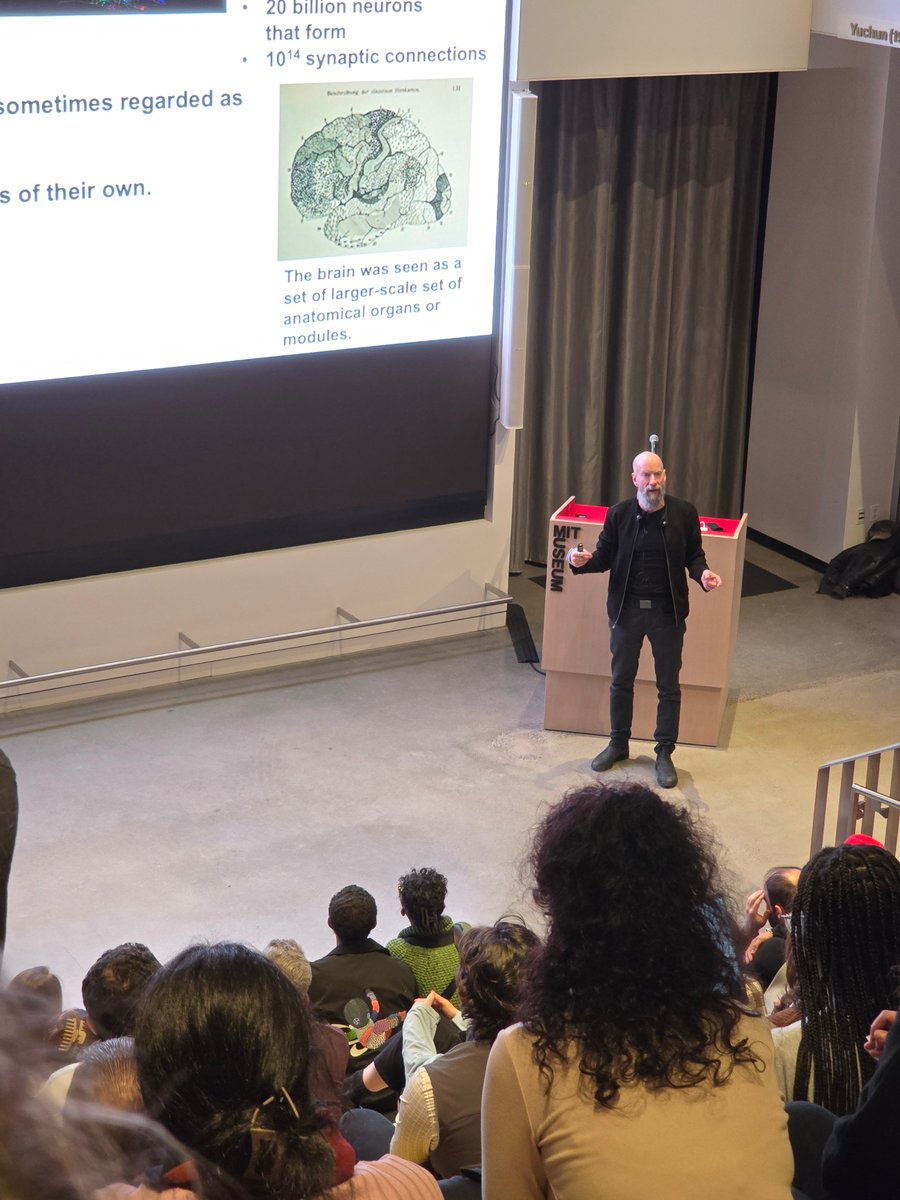
🎉We (and 500 fellow local residents) had an awesome time @MITMuseum's After Dark last night. @MillerLabMIT and Matt Wilson's talks anchored the "Memory Lab" theme along with demos (including one by Takato Honda), and Earl and Steve Flavell's band Clever Hans!
The Research Scholars Program at MIT is a prestigious two-year post-baccalaureate program for recent college graduates. We welcome all aspiring brain and cognitive scientists — whatever your level of research experience — to apply.
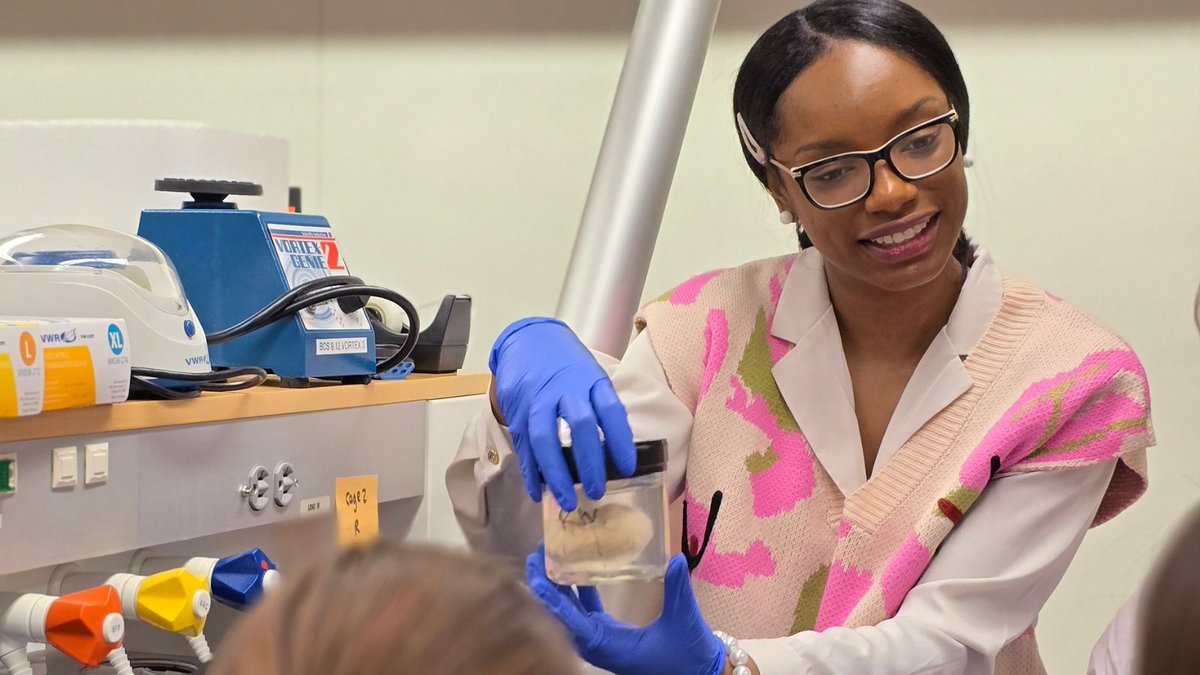
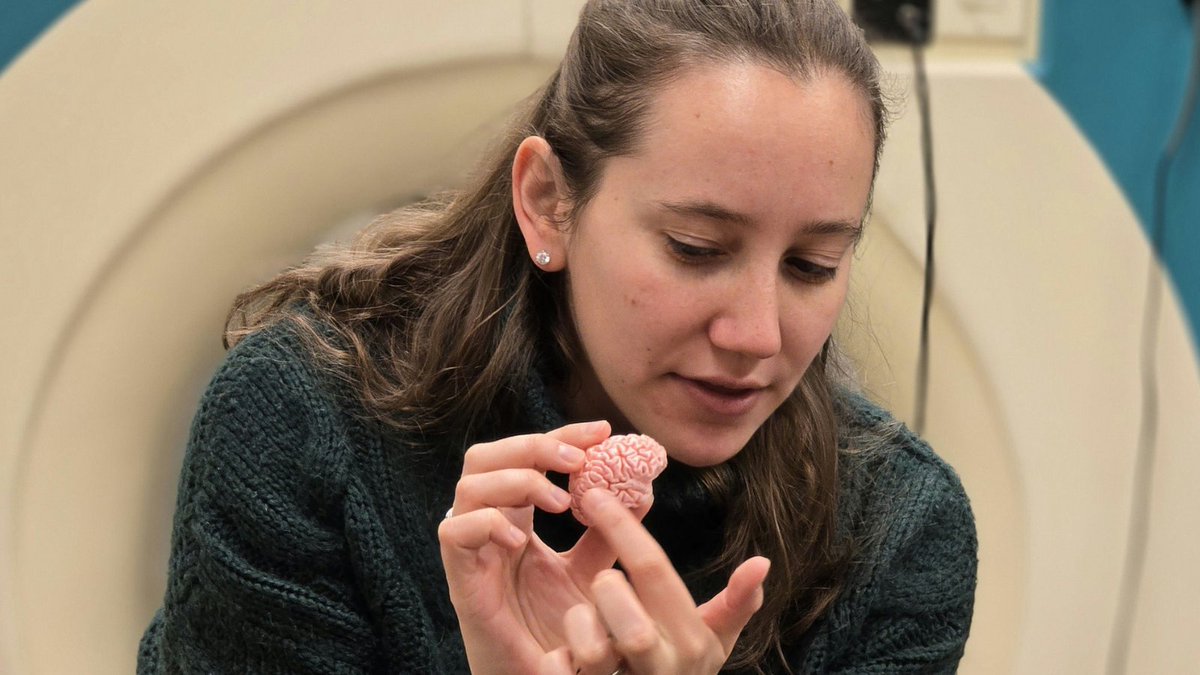
Our researchers don't just study the brain - they help young students see themselves as future neuroscientists. @mitbrainandcog research scholar Zadriana Smith + postdoc @HalieOlson recently took time away from their labs to inspire the next generation of neuroscientists! ✨
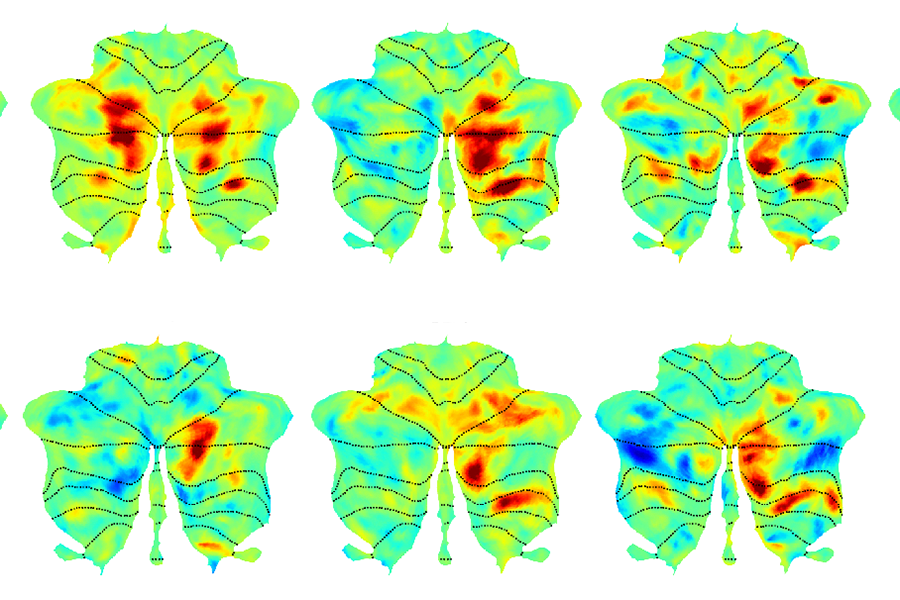
MIT researchers @_coltoncasto@ev_fedorenko have found a "satellite" component of the brain’s dedicated language network in the cerebellum, a region better known for coordinating movement.
Learn more 👉https://t.co/2I7Jh157RH
@NeuroCellPress paper 👉https://t.co/mTYrC0Dph1