A new method allows scientists to label and image many different molecules at once within a living cell. Measuring those signals and how cells respond to them could shed important light on how cells work — including what happens as they age. https://t.co/lZD5d7r8Kg
Curiosity Unbounded, Episode 5 — In this episode, Joshua Bennett speaks with MIT President Sally Kornbluth about the power of words, the beauty of quiet things, and the value of learning for its own sake. https://t.co/x1PsZMPe41
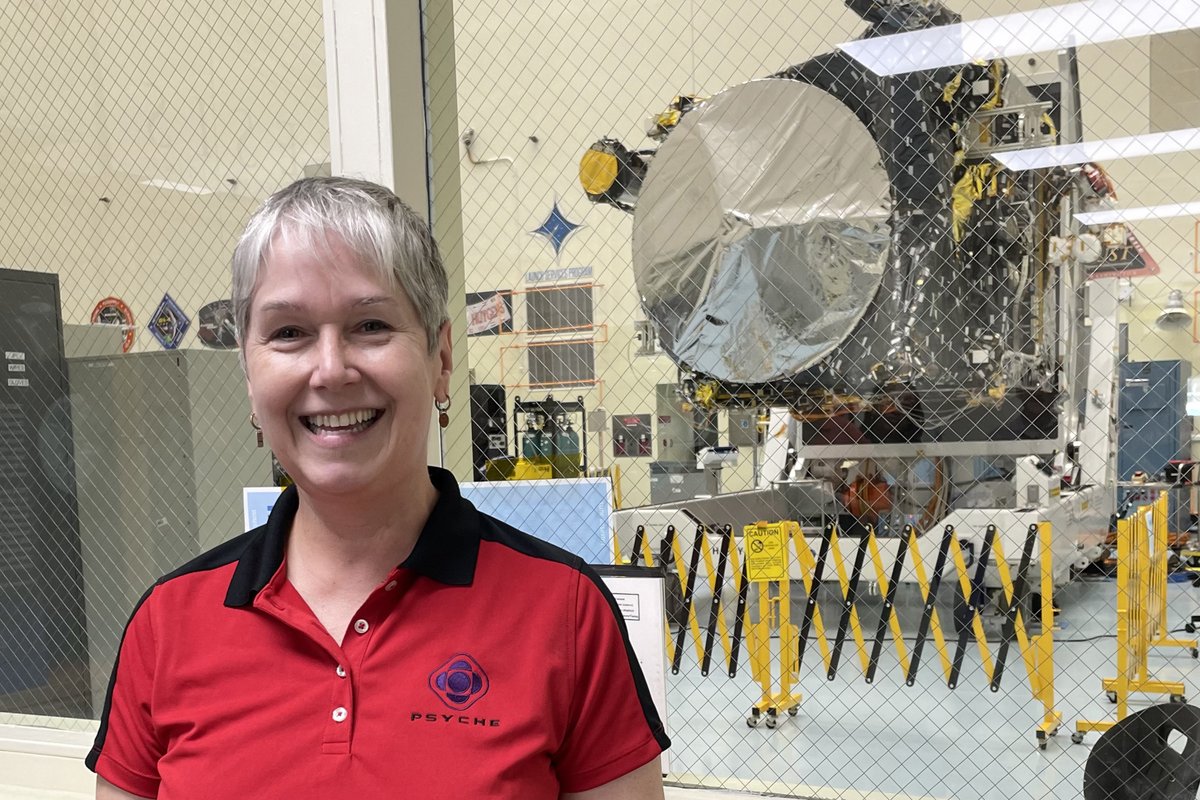
"One of the things that’s true about space is that it always surprises us." ~Lindy Elkins-Tanton ’87, SM ’87, PhD ’02, who is leading NASA’s @MissionToPsyche: https://t.co/rsuRtT7Bnx
Curiosity Unbounded, Episode 5 — In this episode, Joshua Bennett speaks with MIT President Sally Kornbluth about the power of words, the beauty of quiet things, and the value of learning for its own sake. https://t.co/DY1CMUt2tl
Via MIT News: Moungi Bawendi, the Lester Wolfe Professor of @ChemistryMIT, has won a share of the 2023 Nobel Prize in Chemistry, for his work in the development of quantum dots. https://t.co/gJfhe9NCK2
"I’m supposed to teach at 9am today and I have no idea what’s going to happen."
Exclusive: listen to our phone call with new #NobelPrize laureate Moungi Bawendi right after he found out he had been awarded the 2023 chemistry prize.
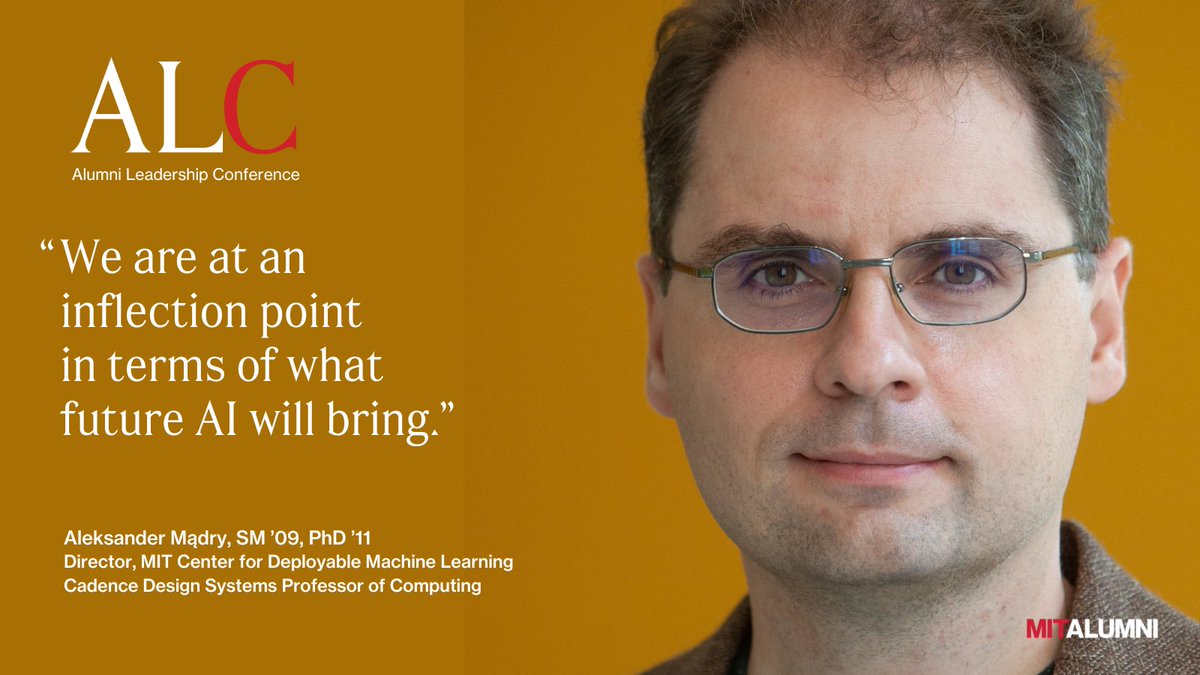
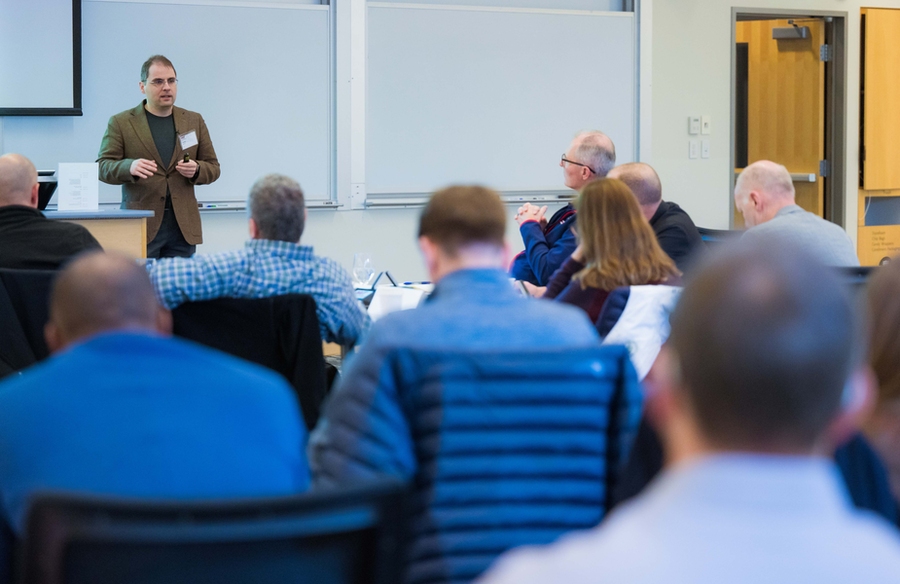
Today at #MITALC: MIT Professor @aleks_madry SM '09, PhD '11 discusses the risks and opportunities for generative artificial intelligence. https://t.co/KvGSP3S6bn
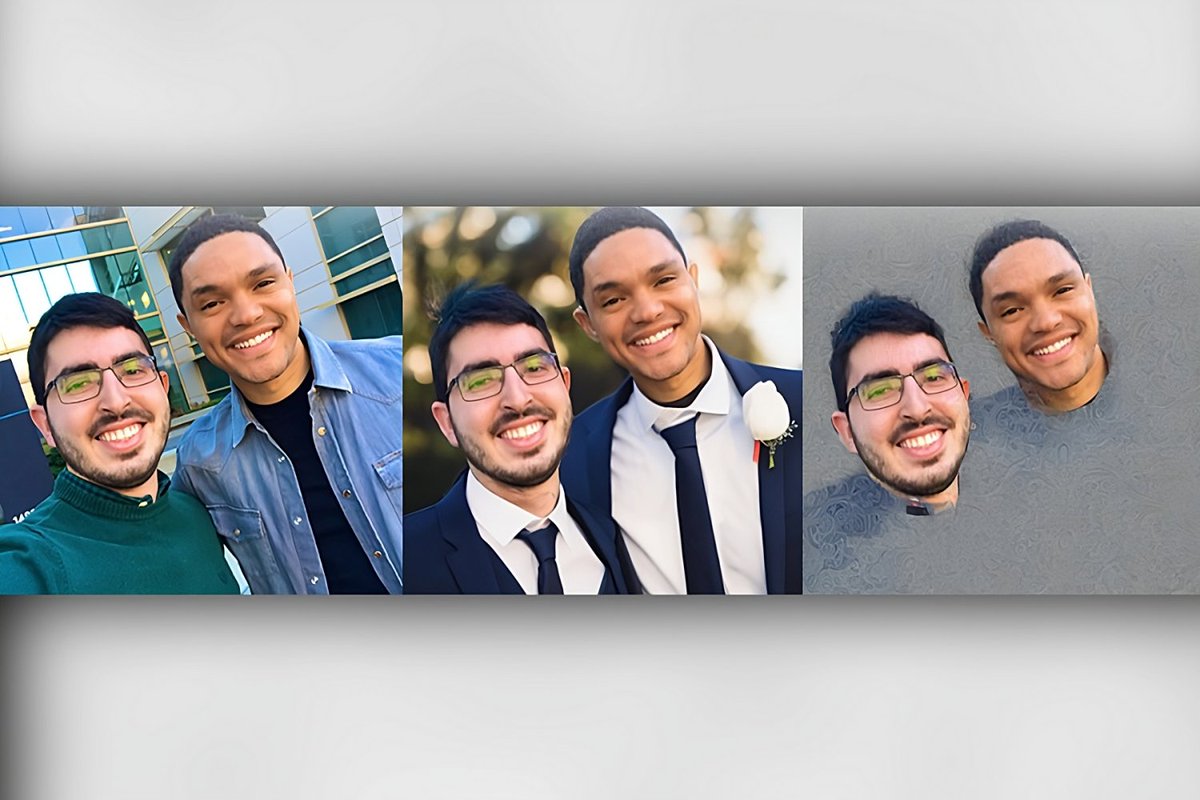
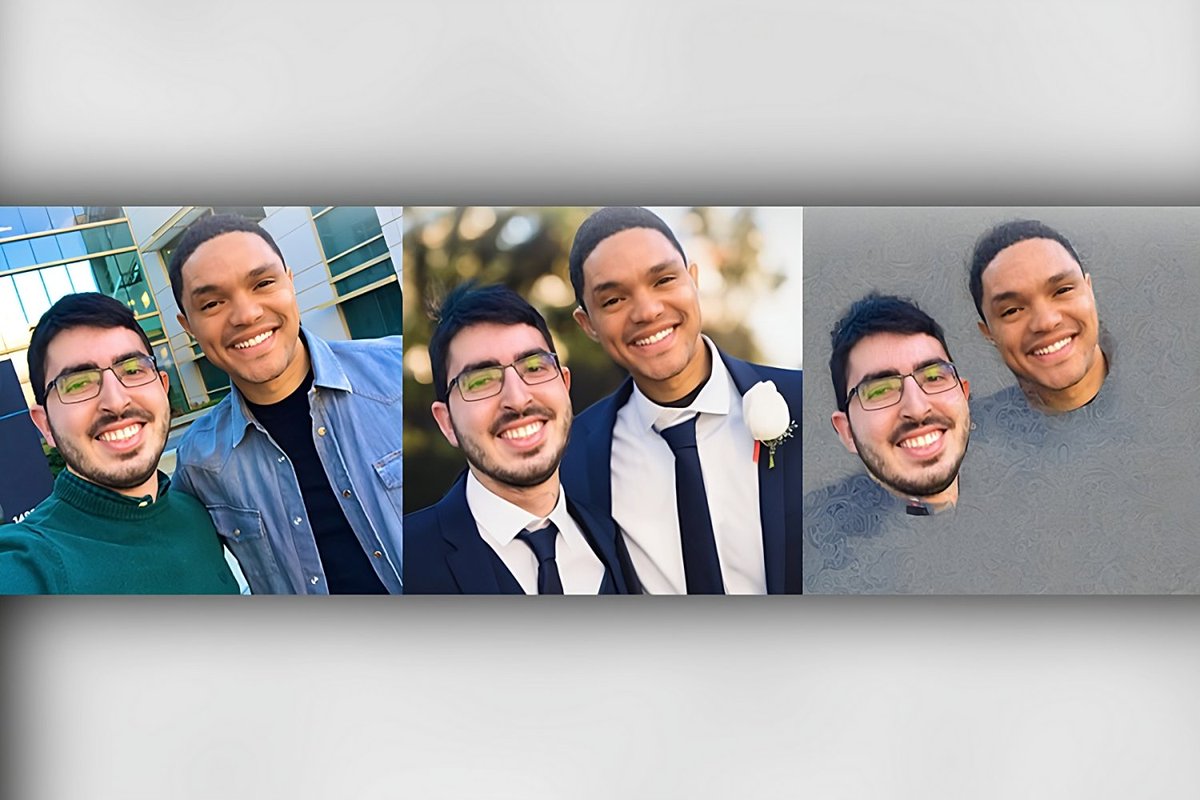
By immunizing the original image before anyone can access it, the PhotoGuard system disrupts the ability to successfully perform such edits. https://t.co/JcplKzlFxh
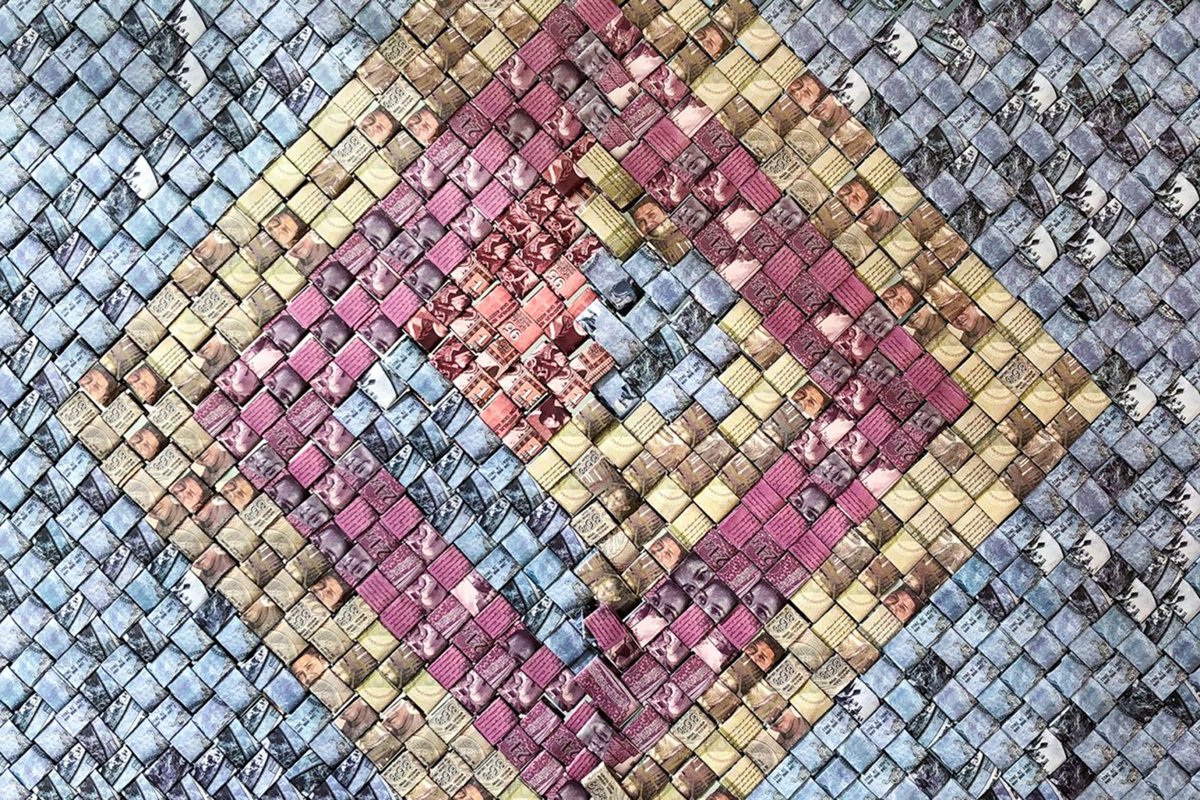
This installation woven from currency represents the 5,000 migrant households interviewed for the @CivicDataDesign Lab’s 2021 report on migration patterns. https://t.co/Wpfdjeqhug
Using AI to protect against AI image manipulation: “PhotoGuard,” developed by MIT CSAIL researchers, prevents unauthorized image manipulation, safeguarding authenticity in the era of advanced generative models. https://t.co/JcplKzlFxh
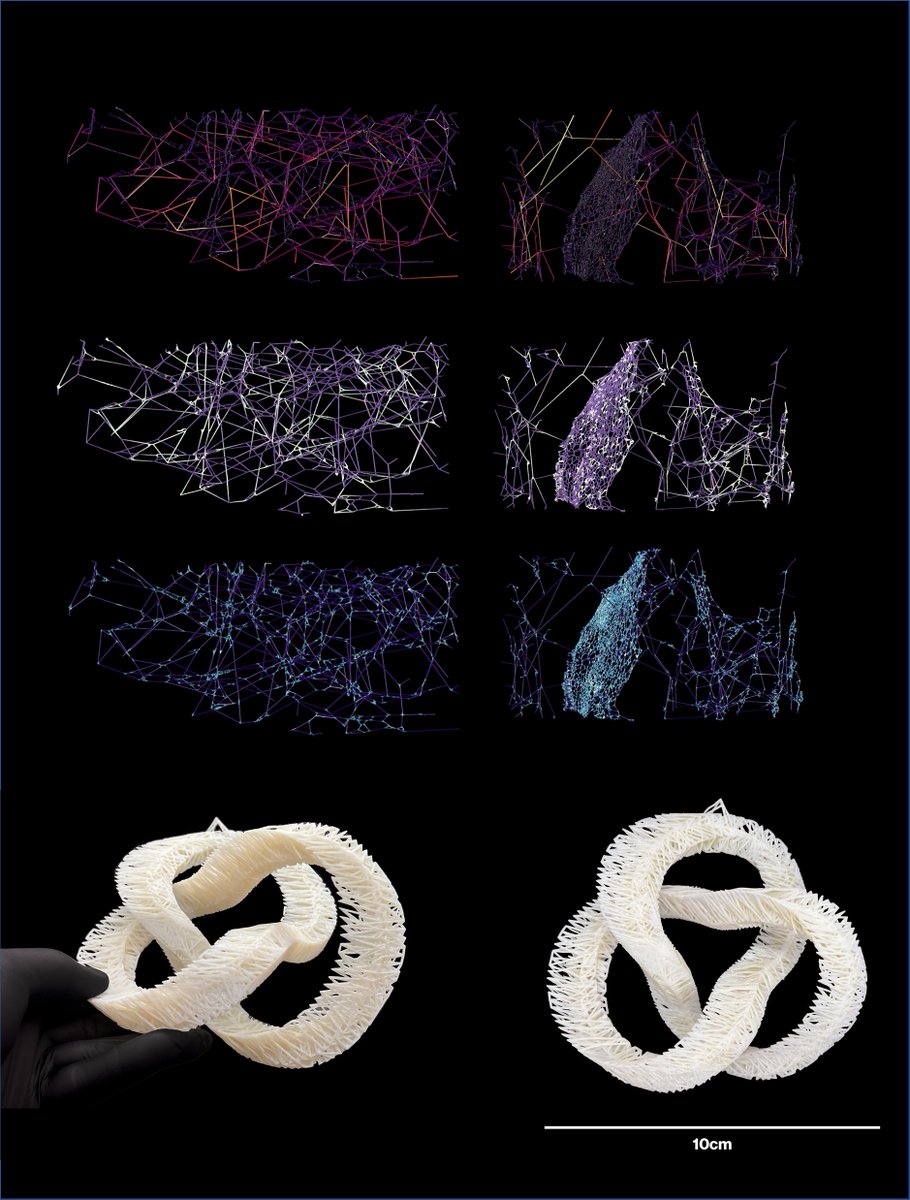
Spider webs are incredible biological structures, comprising thin but strong silk filament and arranged into complex hierarchical architectures with striking mechanical properties (e.g., lightweight but high strength, achieving diverse mechanical responses, multiple biological functions).
Published in @PNASNews today, we are excited to share three graph-focused deep learning techniques (sparse and dense diffusion model, autoregressive transformer) to capture and model the complex design language of large 3D graph architectures—here exemplified for 3D spider webs. We use the methods to generate a diverse array of de novo bioinspired structural designs.
Paper: W. Lu, N.A. Lee, M. Buehler, https://t.co/z0Jrgo3cp2
The Artificial Intelligence for National Security Leaders program educates leaders who may not have a technical background on the basics of AI, machine learning, and data science, and how they intersect with national security. https://t.co/9fsnwNYsEJ